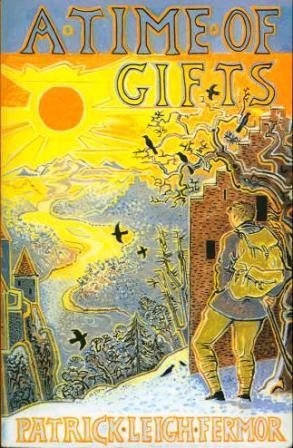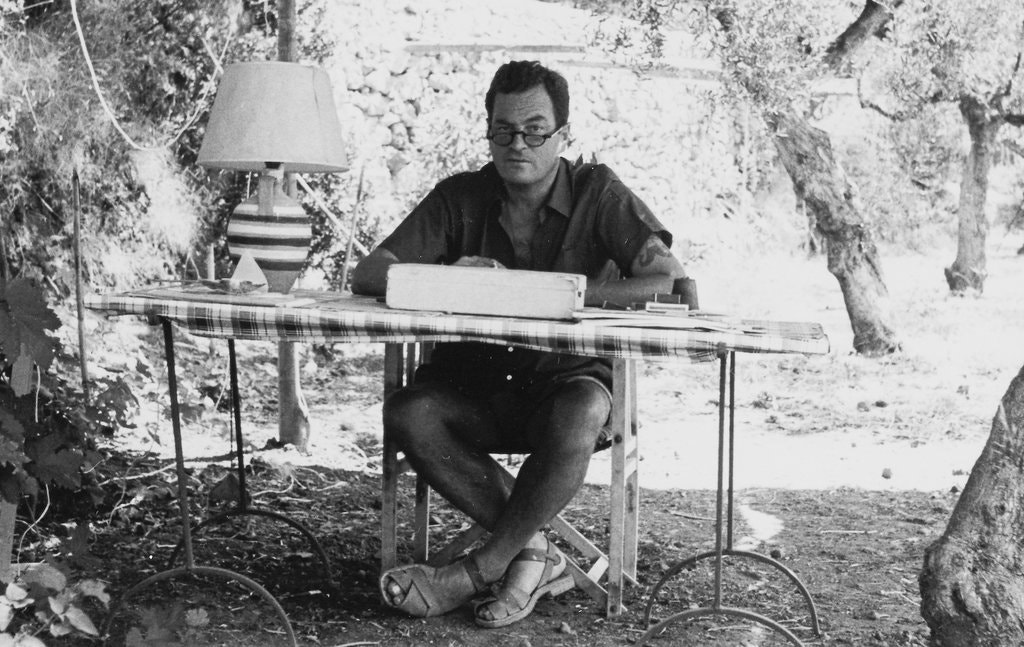
Category Archives: Paddy's Writing

‘All was going according to plan’

7th May 1944

Messages are beginning to bear fruit….and Paddy realises they will have to travel further westward. They still don’t have a plan on how to depart but they are now getting better links with Cairo via the radio set at Dryade and their brave messenger, George Psychoundakis. Paddy and George stay on in Genna a further night.

In the evening Manoli, Billy, the General and the main party travel further westward to the village of Patsos, where they stay in a sheepfold in a gorge by a tumbling stream.

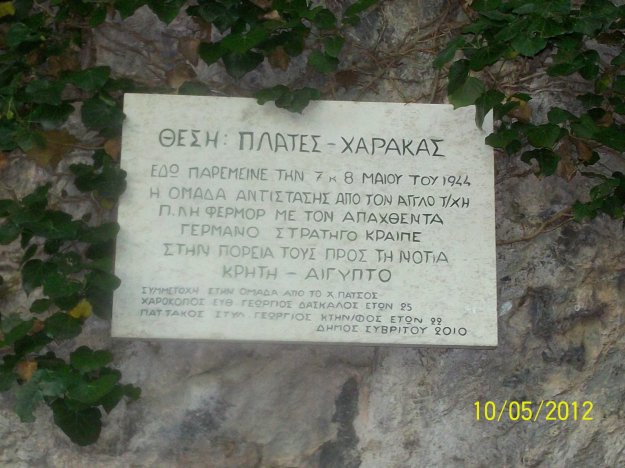
Paddy writes: ‘On the night of the 7th, the party with the General moved by an easy night march to Patsos, which was only two or three hours away from me. They were being fed and guarded by George Harocopos and his family, (George, a thoughtful and well read boy, later to become a gifted journalist, was the son of a very poor, but very brave and kind family, all of whom had been great benefactors to the wandering British). All was going according to plan.’

But when we saw the branding mark, We only stole the ram, Sir

6th May 1944

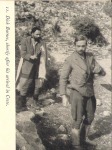
Paddy and Giorgos remain based in Genna – messengers coming and going as they desperately try to arrange a safe beach to be picked up from. Giorgos Psychoundakis returns with Dick Barnes – known as Pavlos.

Paddy writes: ‘This reunion with Dick – like many occasions in occupied Crete when one wasn’t actually dodging the enemy – became the excuse for a mild blind. ‘Mr Pavlo and I set off to Yeni,’ writes George Psychoundakis in ‘The Cretan Runner’, “where we found Mr Mihali (me) and Uncle Yanni Katsias. We sat there till the evening and the sun set. Yanni took us to the east side of the village where they brought us some food and first rate wine and our Keph (well-being) was great. The four of us were soon singing. Mr Mihali sang a sheep-stealing couplet to the tune of Pentezali, which went:

Ah, Godbrother, the night was dark
For lamb and goat and dam, Sir,
But when we saw the branding mark,
We only stole the ram, Sir.

The ram – the head of the flock – meant the General.’

Billy, Manoli, the General and the rest of the kidnap team remain in the sheepfold above Gerakari.

‘This is very satisfactory news’

5th May 1944

Paddy and Giorgos remain in Genna, coordinating messengers. They are joined by Giorgos Harokopos and Giorgos Psychoundakis, who then heads back off to the wireless set run by Dick Barnes at Dryade with a message.

The main party in the evening leave Gomara and walk up the Amari valley via the village of Gourgouthi to their next hideout – a sheepfold above the village of Gerakari.

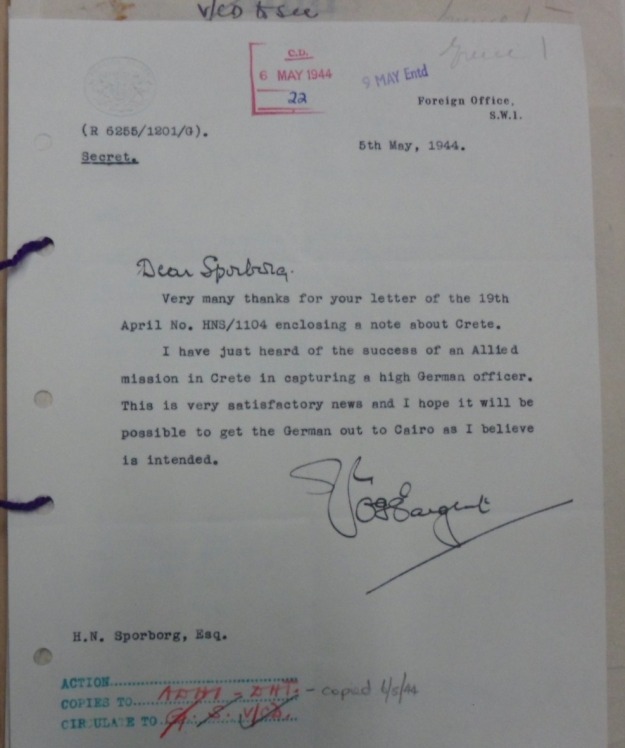
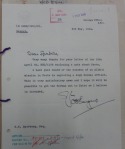
And in London Orme Sargent, the senior Foreign Office officer at Under Secretary level working to SOE, sends a memo to Harry Sporborg, deputy to Major-General Colin Gubbins, Head of SOE, expressing great approval of the coup. ’I have just heard of the success of an Allied Mission in Crete in capturing a high German officer. This is very satisfactory news and I hope it will be possible to get the German out to Cairo as I believe is intended.’

[1] National Archives HS 5/416

‘… if my companions are feeling half as uncomfortable as I do they must be feeling terrible’

4th May 1944

The main party are still hiding in the valley of Gomara. Billy Moss records in ‘Ill Met by Moonlight’:
“It rained all night long , and, as was inevitable, we are soaked to the skin. Around me I see a picture of human misery, and I know that if my companions are feeling half as uncomfortable as I do they must be feeling terrible.”
Spirits are lifted in the afternoon when messengers arrive from Sandy Rendel and Dick Barnes.

Meanwhile in Fourfouras Paddy and Giorgos leave the comforts of Giorgos’ family home and travel 14kms further up the valley to Pantanassa…..searching for the whereabouts of a working radio set.

Paddy writes:

“Among the cypresses of Pantanasa George and I ran into a hitch. The Hieronymakis family, we knew, were in touch with at least one of our wireless stations. By ill luck it was about the only village in the region where neither of us had ever been. The Hieronymakis knew all about us, we knew all about them, but we had never met and there was no one to vouch for us. The old men were adamant: ‘You say you are Mihali, Mihali who? And who are Siphi (Ralph Stockbridge) and Pavlo (Dick Barnes)? Never heard of them. Tk. Tk. Tk! Englishmen? but, boys, all the English left Crete three years ago …?’ The white whiskered faces turned to each other for corroboration, beetling brows were raised in puzzlement, blank glances exchanged. They went on calmly fingering their amber beads, politely offering coffee. It was no good raging up and down, gesticulating under the onions and paprika pods dangling from the beams: every attempt to break through was met by identical backward tilts of head with closed eyelids and the placidly dismissive tongue click of the Greek negative. They wouldn’t give an inch until they knew (as they say) what tobacco we smoked. We could, after all, be agents provocateurs.”

“This impressive but exasperating wall of security was only broken at last, after two precious hours of deadlock, by the entry of Uncle Stavro Zourbakis from Karines – a friend of us all. Everything dissolved at once. In greetings, recognition, laughter, Raki, a crackle of thorns and sizzling in the hearth and the immediate summoning and despatch of runners to the two sets in the North West.”

Paddy and George move on for the evening back down the valley to the village of Genna, where they were to stay for several days:

“The goat-fold of Zourbovasili lay in rolling biblical hills. There was a round threshing floor nearby, where George and I could sleep on brushwood with a great circular sweep of vision. This place was to become, during the next three days, the centre of all going and coming of messengers as plans changed and options elapsed. But now, after the scrum of the last few days it seemed preternaturally quiet in the brilliant moonlight. Ida towered east of us now, Kedros due south: The White Mountains, which had come nearer to us during the day, loomed shining in the west. How empty and still after our huddled mountain life, was this empty silver plateau! A perfect place to watch the moon moving across the sky and chain smoke through the night pondering on the fix we were in and how to get out of it. There was not a sound except a little owl in a wood close by and an occasional clank from Vassilis’ flock.”

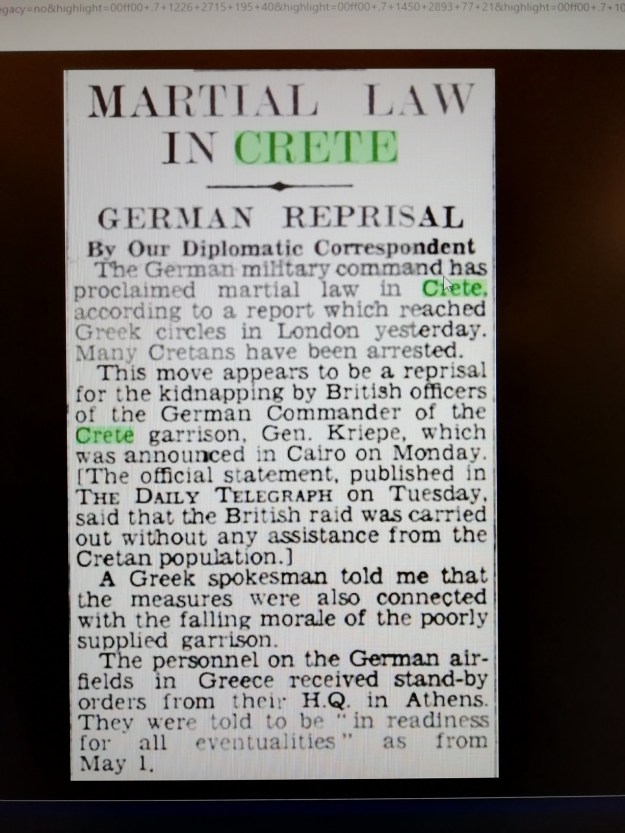
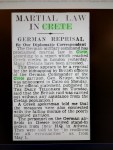
the Telegraph reports ‘martial law’ being declared on Crete

3rd May 1944

Another day spent in their hideout in the valley of Gomara. They are still stuck and have no contact with Cairo, and no idea of when, where or how they will get off the island.

But they have a plan….in the evening the party decide to separate.

Billy, Manoli Paterakis, the General and the main kidnap group will stay in Gomara.

Paddy and Giorgos Tyrakis will travel in the evening up the Amari to Fourfouras, Giorgos’ home village, in search of a working radio station.

They still remain in the news in the UK – the Telegraph reports ‘martial law’ being declared on Crete.

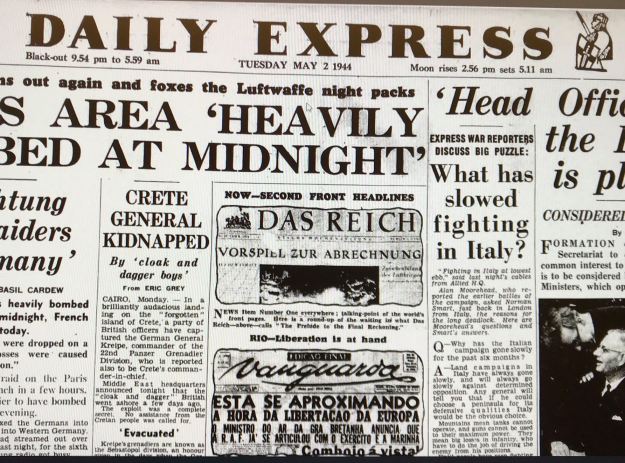
Front page news

2nd May 1944

If only they knew!

Paddy, Billy, the rest of the kidnap team and the General spend another miserable day in the ditch, fearing capture…but it is getting quieter for them, as the German patrols are now searching further up the mountain.

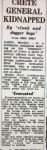
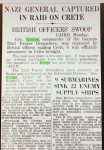
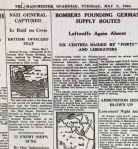
Meanwhile in the UK ….they are front page news – in the Express, Telegraph, Guardian and Times!

In the evening they decide to move a kilometre or so westward – to the valley of Gomara.

Giorgos Pharangoulitakis describes it his memoir ‘Eagles of Mt Ida’: ‘We decided to shift towards the valley of Gomara, just west of Ayia Paraskevi, a part where they had searched every inch, and where we could take up a better defence posture. It was a steep rocky place with a hole like a sort of grotto under a cliff where we could hide for the night.’

In the end they spend the night and the following day under the branches of ‘a very large pear tree …it was like an eagles nest’.

‘the General realises that our capture would prove fatal for him’

1st May 1944

A long and dangerous day spent hiding in the ditch outside Agia Paraskevi. Probably the low point for all in the journey, and where they are most vulnerable to discovery by the German cordon – Moss records Kreipe’s realisation of his personal need for the success of the operation in order to ensure his own survival:

“I think the General realises that our capture would prove fatal for him.”

They can hear German patrols, sometimes as close as 50 metres, searching for them.

Paddy records that food is brought to them from Agia Paraskevi:

‘Antoni unpacked bread, cheese, onions, a dish of fried potatoes, some lamb and a napkin full of ‘kalitsounia!’ – crescent shaped fritters full of soft white cheese and chopped mint. Then a big bottle of mulberry raki came out and a handful of little tumblers. ‘This will warm you up,’ he said filling them: ‘White flannel vests all round.’ He splashed politely over to our guest with the first one, saying ‘stratege mou” (my General) then to the rest of us. They went down our throats like wonderful liquid flame. ‘And here,’ he said pulling out a gallon of dark amber wine, ‘red overcoats for all.’

What they don’t know is that in Cairo SOE have made a public announcement that Kreipe has been kidnapped and has already been taken off the island by submarine and is on his way to Cairo.

However they are still stuck, with no way of contacting Cairo and have no idea – as yet – of how they will get off the island.

The descent of Mt Ida

30th April 1944

The descent of Mt Ida has been exceptionally arduous in the dark so the day is spent recovering in Vorini Trypa, the large cave above Nithavris on the side of Mt. Ida.

That evening, in the rain and mist, they leave the cave and head further down the mountain into the bottom the Amari valley.

It is a difficult and very dangerous journey as the Germans are hunting for the General and are in all the villages immediately around them.

They first head west to the village of Kouroutes and then south until they stop and hide in a stream bed outside Agia Paraskevi.

Paddy records: Rain came swishing down: ‘Marvelous for the olives’, Manoli murmured. We waded through a stream and began to climb again. The rain turned to sleet. At last the village of Aya Paraskevi was only half an hour away. The Germans would have sentries out, perhaps patrols; better to stop there. We piled into a ditch mercifully overgrown with cistus, thyme and myrtle; protection from view, but not from the rain.

The ascent of Mount Ida in wind and snow

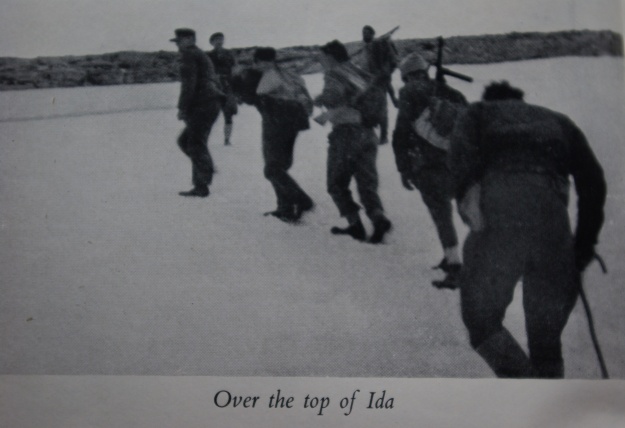
In the snow on top of Mount Ida

29th April 1944

The weather is deteriorating and the kidnap team need to walk over the side of Mt Ida and down into the Amari valley. It will be a long and arduous day and night.

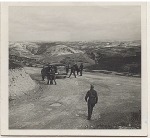
At midday the party leave Petradolakkia and skirt the side of the Nidha plateau. They are heading for the mitato belonging to Roti, where they will rendezvous with Kapetan Petrakogiorgos and his andartes who will escort them over the side of the mountain. They climb up to the plateau of Akolyta and in rain, wind and snow they head over until they can see signal fires in the Amari telling them it is safe to descend. They shelter in the remains of a mitato before descending. After a long and arduous descent they are led to Vorini Trypa – North Hole – a large cave with tunnels and caverns heading off from the back of it. This cave has been used by the Resistance on several occasions before this visit, and is used by Dunbabin and George Psychoundakis in August 1944.

“Ach so, Herr Major.”

28th April 1944.

PLF and the kidnap team spend the day at Petrodolakkia with Xylouris and his andartes, where they take many photos. Tom Dunbabin has sent 3 members of his team from the Amari to the hideout, including Reg Everson and a wireless. The plan is to send a message to Cairo so that an evacuation date and beach can be identified, but the radio is broken. They are stuck. PLF sends off various messages, including one to Dick Barnes who has a radio station near Rethymno. The team are joined by Grigori Chnarakis, Nikos Komis and Andoni Papaleonidas, who have walked up from the kidnap point. They are meant to bring with them the General’s driver, Alfred Fenske, but he has been killed on the journey.
At Bletchley Park the codebreakers decode a German signal stating that Kreipe has been kidnapped.

PLF records the following incident:

‘A curious moment, dawn, streaming in the cave’s mouth, which framed the white crease of Mount Ida. We were all three lying smoking in silence, when the General, half to himself, slowly said:

“Vides ut alta stet nive candidum Soracte”

The opening line and a bit of one of the few odes of Horace I know by heart. I was in luck.

” … Nec jam sustineant onus” I went on
“silvae laborantes geluque
Flumina constiterint acuto”

And continued through the other stanzas to the end of the ode. After a few seconds silence, the General said: “Ach so, Herr Major.” For five minutes the war had evaporated without a trace.[i]

[i] William Stanley Moss recorded this mutual love of the Classics in ‘Ill Met by Moonlight.’

‘Paddy discovered that the General is a fair Greek scholar, and, much to the amusement of our Cretan colleagues, the two of them entertained each other by exchanging verses from Sophocles.’

PLF and George Tyrakis rendezvous with the team

27th April 1944.

PLF and George Tyrakis rendezvous with the General and the rest of the kidnap team north of Anogia. In the evening they begin the long trek up the slopes of Mt Ida to the Xylouris sheepfolds at Petrodolakkia. On the way they rest briefly in one of the many mitatos (cheese huts) in the area.

Third time lucky … the kidnap is on!

26th April 1944.

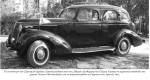
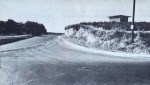
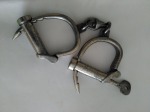
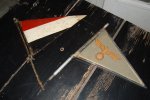
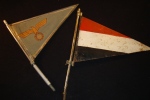
Third time lucky…..the Kreipe kidnap team leave the Zographistos farmhouse outside Skalani and walk to the kidnap spot and wait for the General to drive past. At 9 pm they stop the car and the kidnap begins. The General is handcuffed and hidden on the back seat of the car. They drive past the Villa Ariadne and through Heraklion, entering by the Agios Giorgos gate and leaving by the Chaniaporta. They drive on into the mountains, stopping at Yeni Gave, where Billy Moss, Manoli Paterakis, Stratis Saviolakis and the General leave the car, heading up a track for a hideout in a ravine north of Anogia. PLF and Georgos Tyrakis drive for a further 2 kms and dump the car at Campo Doxaro, at the start of a track leading to the Cheliana ravine and the sea. They take with them the pennants from the car and head to the village of Anogia.

Abducting a General – locations by each day

The more observant amongst you may recall that this post was actually first published way back in February. That was to keep the time sequencing of the operation that ended with the kidnap of General Kreipe intact. Between then and now Paddy had been joined by Billy Moss and detailed planning and reconnaissance was underway, including refining the actual details of the kidnap action, rehearsing timings, working on signals, the dress to be worn (the famous captured German outfits), and of course, for any operation of this type, the extraction plan. I’ve repeated the post as the introduction to the series of narratives put together by Chris White which will commence in earnest tomorrow.

Over the next few weeks I am honoured to be able to share with you some work by Chris White, co-author of Abducting a General, who has spent many weeks and months on Crete over the years tracing the precise route and locations of the kidnap. In 2020, Chris posted this series on Facebook. He has approved it being repeated on here. Stories will pop up from time to time, and will run virtually day-by-day during the time period of the kidnap. I hope that you enjoy it.

Over to Chris ….

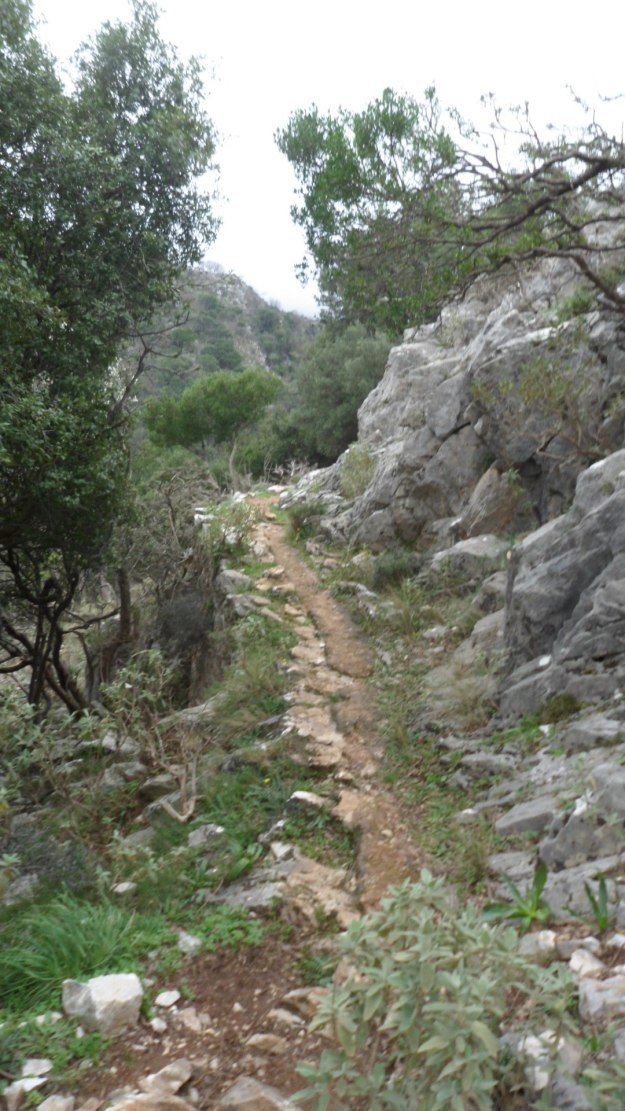
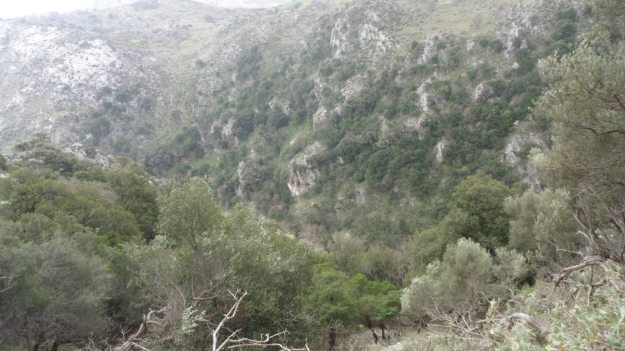
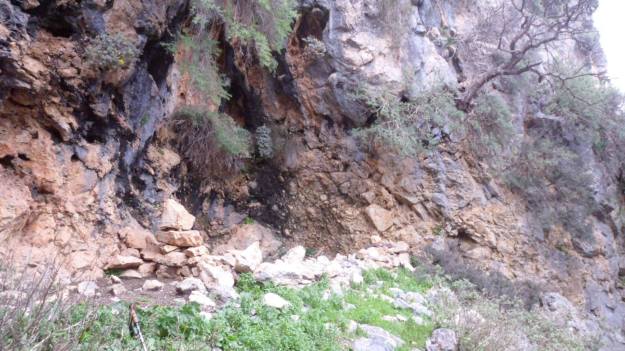
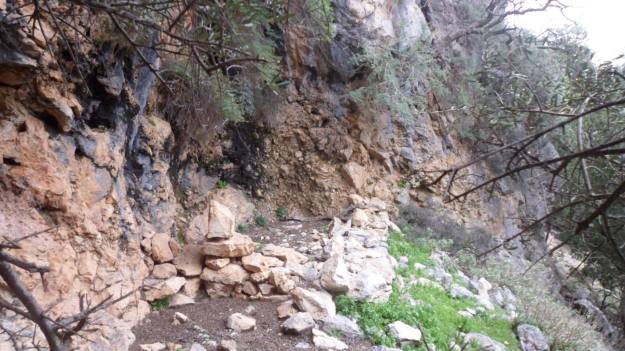
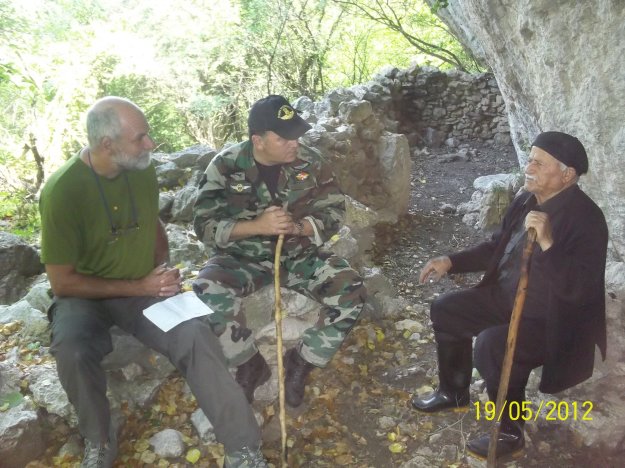
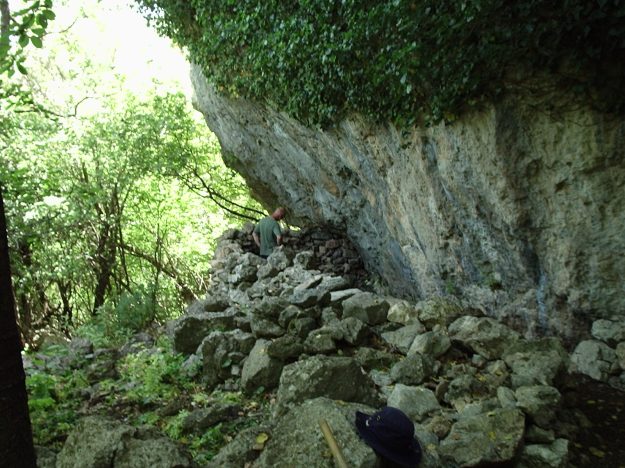
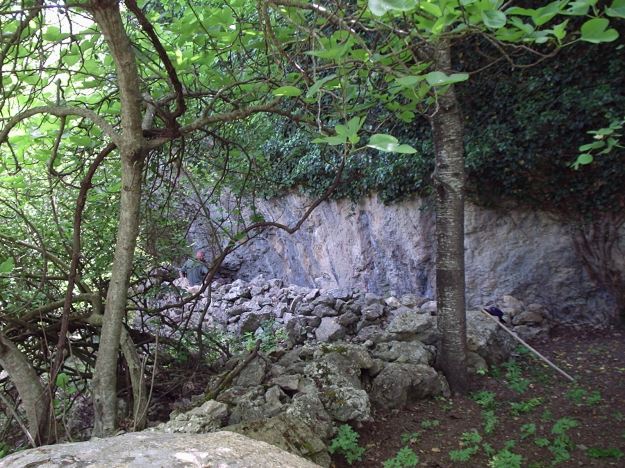
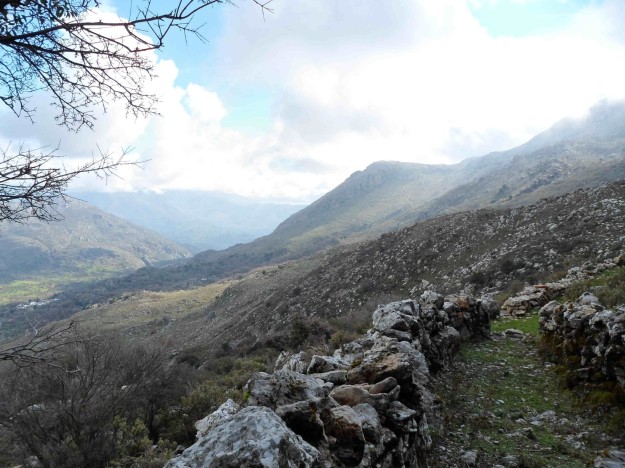
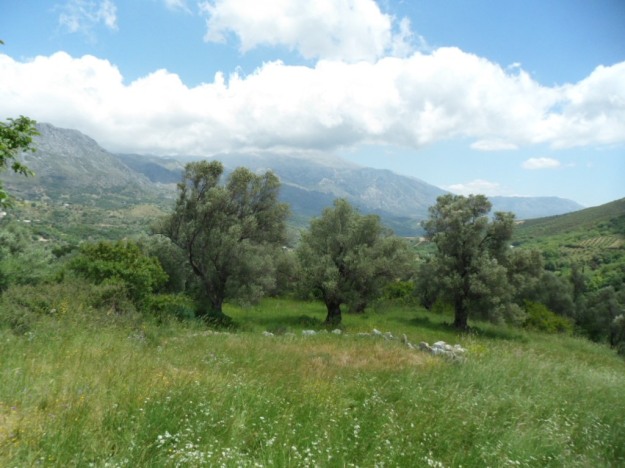
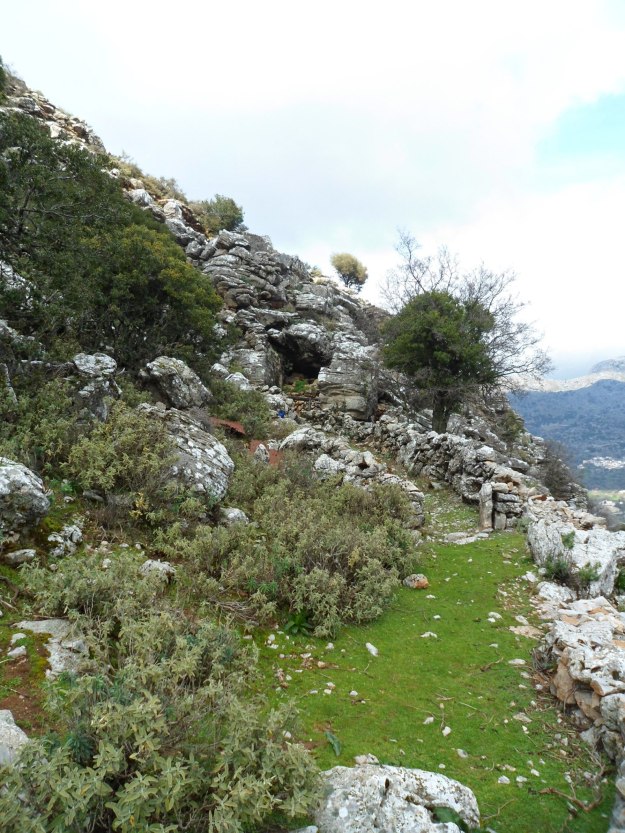
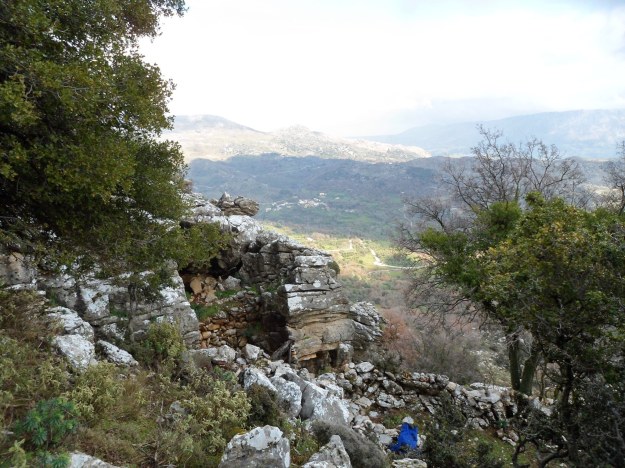
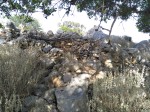
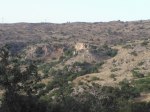
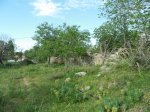
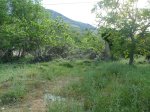
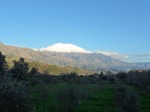
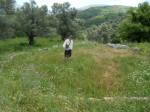
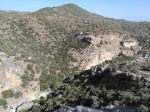
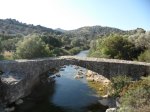
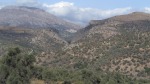
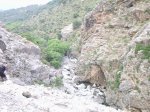
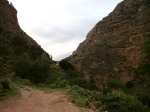
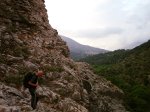
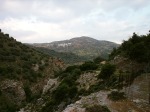
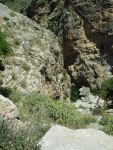
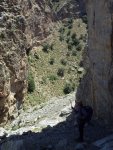
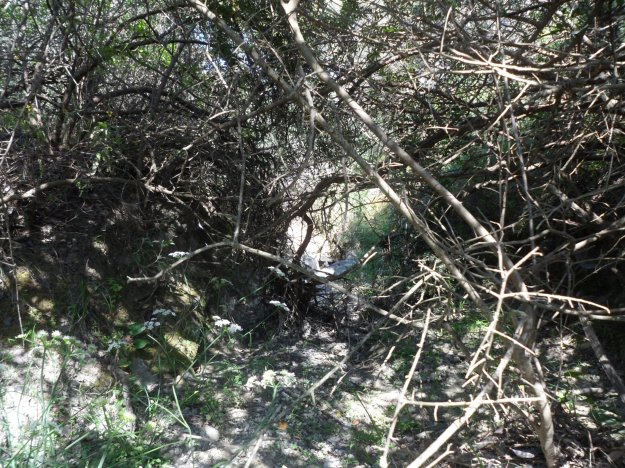
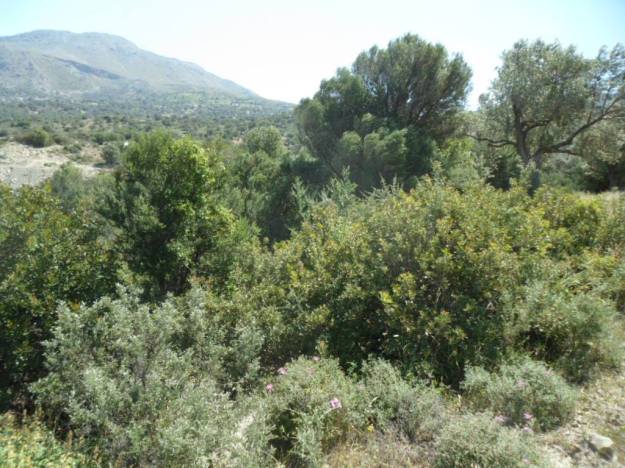
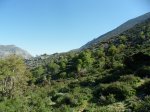
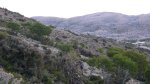
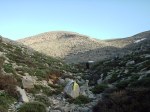
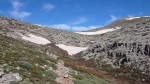
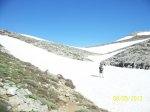
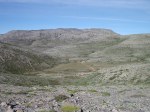
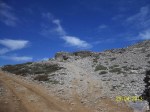
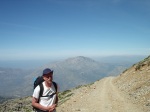
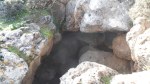
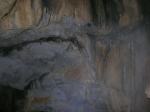
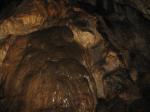
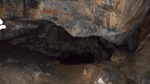
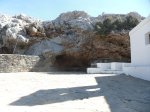
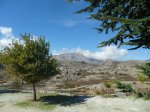
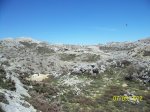
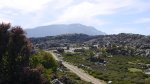
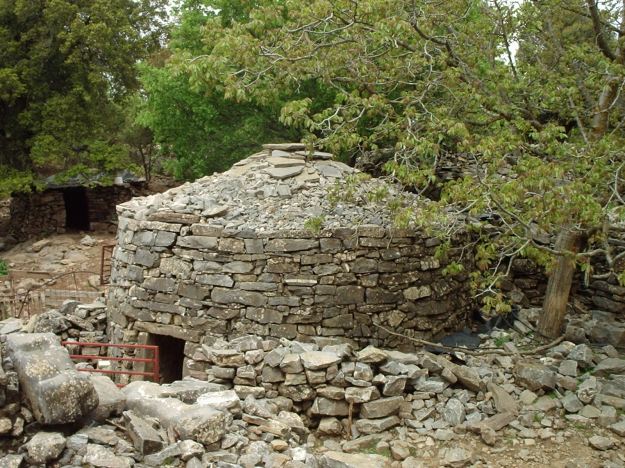
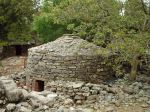
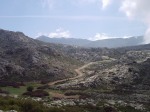
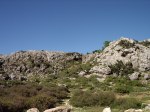
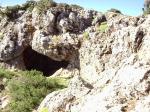
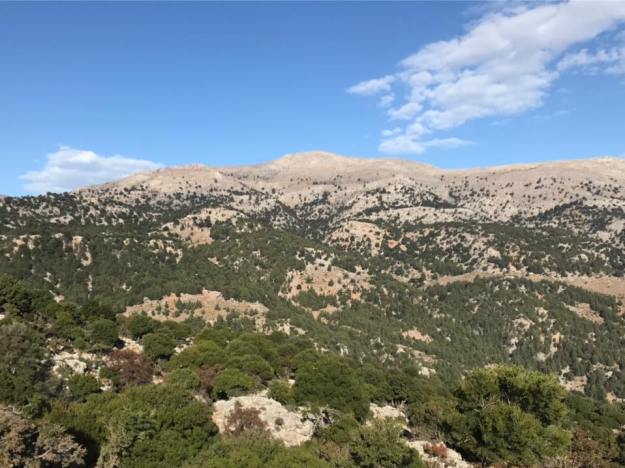
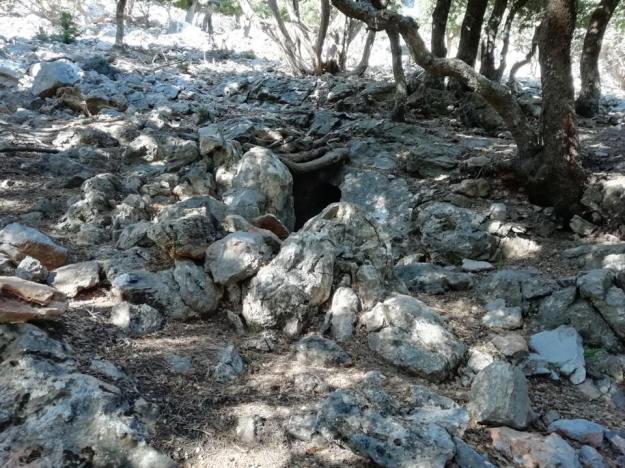
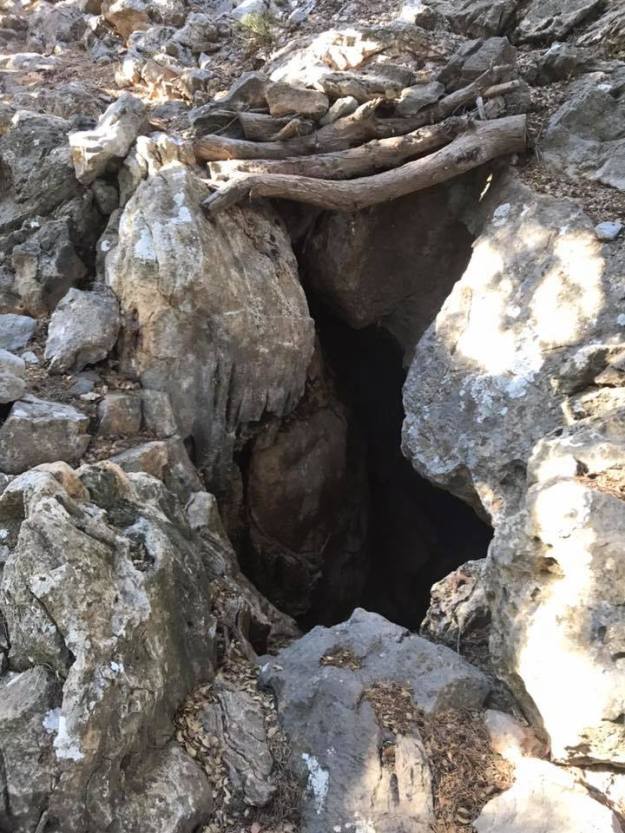
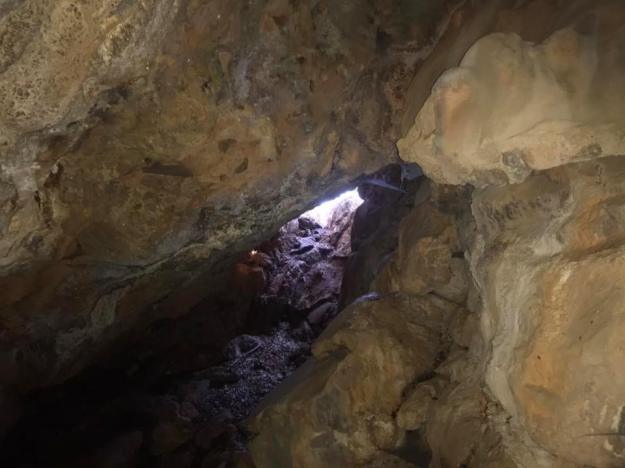
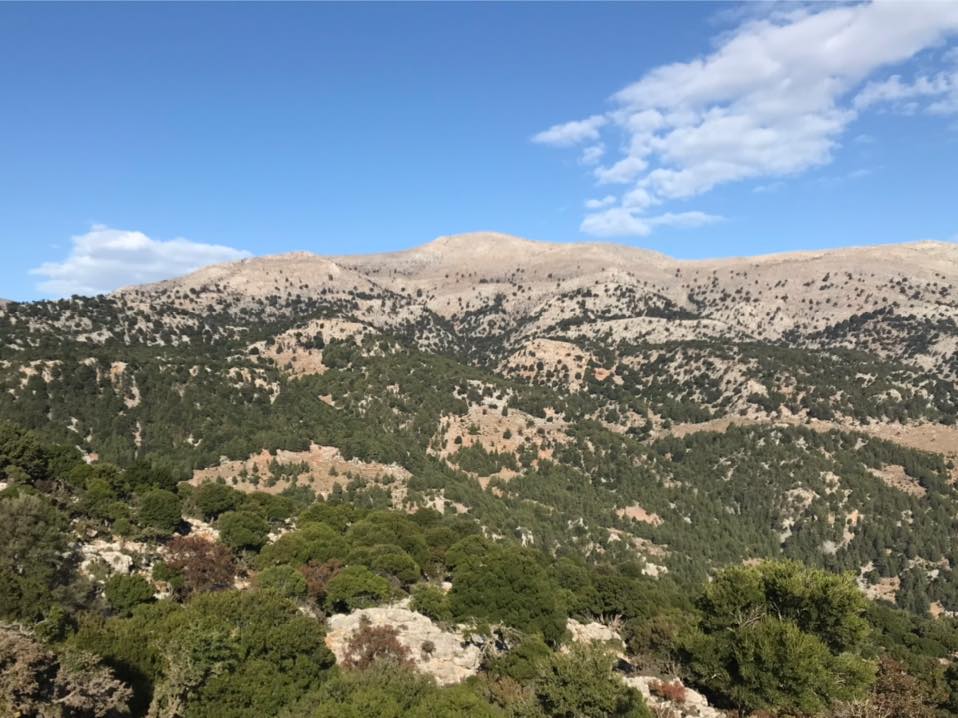
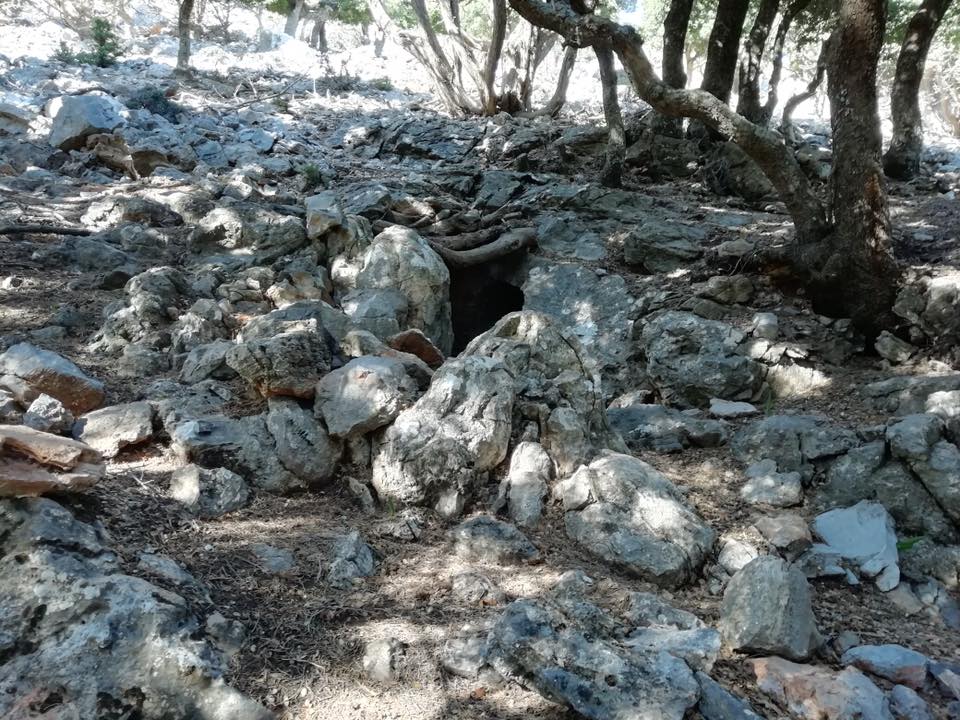
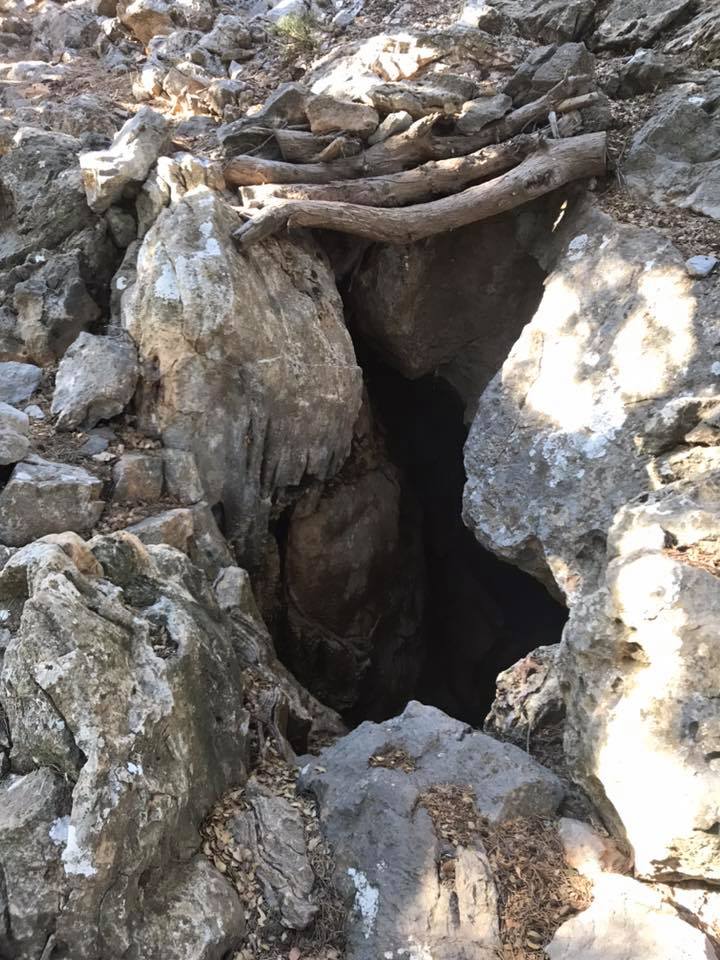
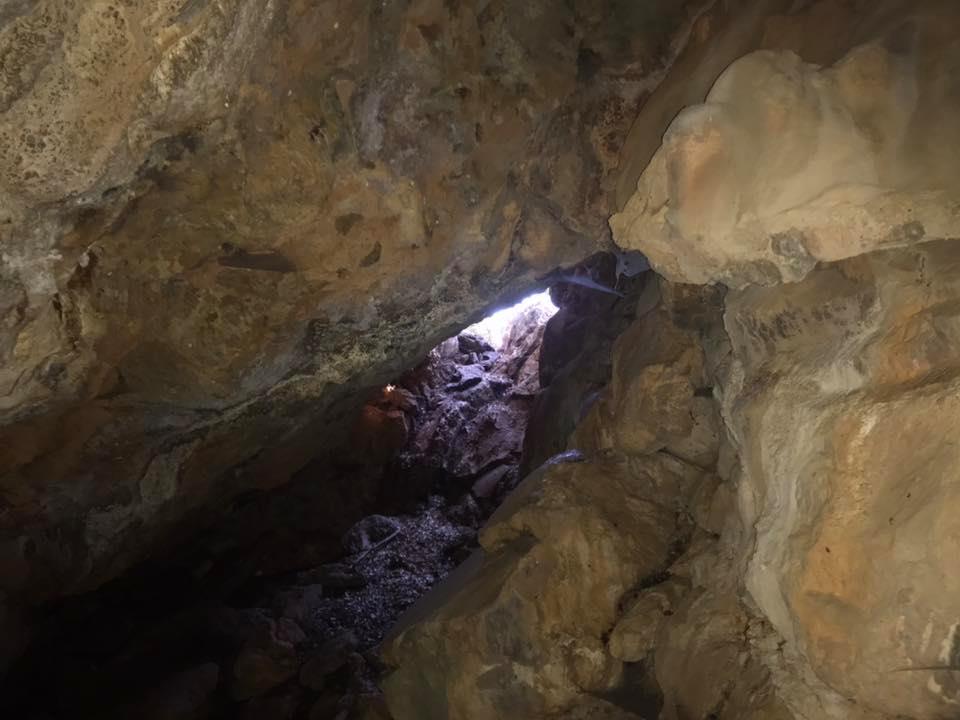
We start on February 4th 1944. Paddy parachuted on to the Katharo Plateau and was met by Sandy Rendel, whose base was in a cave a few miles away. The cave is now known as the Spiliaou ton Anglikon, the cave of the English. This week I have been exploring the area around the plateau and visited the cave…..a long stony walk through woods and ravines and along the sides of steep valleys.

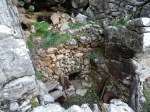
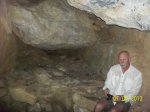
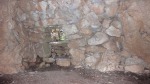
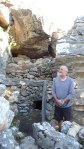
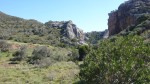
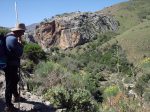
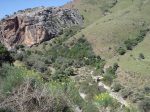
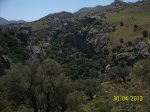
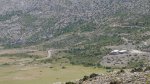
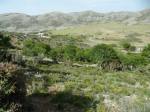
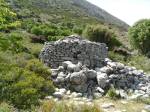
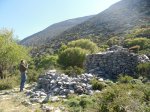
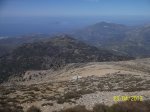
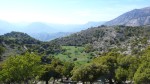
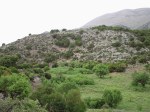
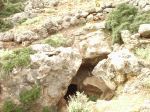
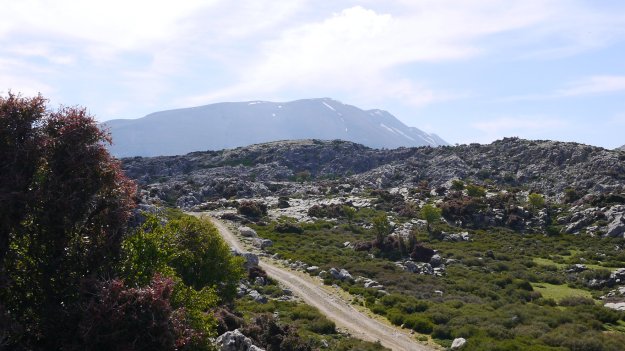
The photos: the first shows where the cave is (centre of picture) in the landscape; the next three show the cave in more detail.

Mount Pelée, the La Soufrière volcano and The Violins of Saint-Jacques

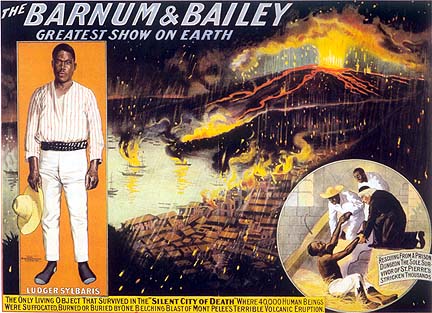
The ex-convict, Louis-Auguste Cyparis (aka Ludger Sylbaris), as billed as the last survivor of St. Pierre on this Barnum and Bailey Poster

The news this week of an eruption of the La Soufrière volcano on the Caribbean island of Saint Vincent, made me think about Paddy’s novel (and second book) The Violins of Saint-Jacques published in 1953.

Reading this BBC article I see that local media have also reported increased activity from Mount Pelée on the island of Martinique, north of St Vincent. It was the devastating 1902 eruption of this volcano that inspired Paddy’s novel, which was subsequently turned into an opera by Sir Malcolm Williamson.

You might want to catch up with blog articles about the Mt Pelée eruption, especially the short piece about the only survivor, Louis-Auguste Cyparis.

If you don’t have a copy you can buy The Violins of Saint-Jacques: A Tale of the Antilles here.

Breaking lockdown – let’s dash to the Red Ox in Heidelberg!

The author Carol McGrath in the Red Ox in Heldelberg

The author Carol McGrath in the Red Ox in Heldelberg

I don’t know if the Roter Ochsen is actually open or not at the moment, but when author Carol McGrath sent me a link to her blog post from early 2020, before all this crap descended on us, I just had to dream of a return visit to the Red Ox. I thought that you might like to run away there too and have virtual Pfälzer Bauernbratwürste and ein großes Bier vom Fass. 

Paddy Leigh Fermor in Heidelberg by Carol McGrath.

I have always admired the writing of Paddy Leigh Fermor. He lived in Kalamitsi a short distance from the village in the Mani where I base myself during the summer. I never did get to meet him but have twice visited the villa he designed himself and part constructed with the assistance of a Greek friend who was a local builder.

My first visit was shortly after his death while it still held the manifest redolence of his long intrepid life, personal photos, military memorabilia and the eclectic artwork he collected during his lifetime. The second visit was last Autumn after necessary renovations had been carried out by The Benaki Museum with the support of the Stavros Niarchos Foundation. Inevitably this resulted somewhat in the loss of the aura of the man that previously had seemed to have been inured into the very fabric of the building.

It is still a magnificent memorial to a great Hellenophile, a British War Hero and a writer of unique talent. My introduction to his writing was in the early Eighties when I read his breakthrough book A Time of Gifts which to quote the back of my 1978 Penguin edition – “Like a tramp, a pilgrim, or a wandering scholar, an eighteen year old boy set out, one wet December day in 1933, to walk to Constantinople”

A few years ago, not on foot, obviously, I retraced his visit to Heidelberg and the Red Ox Inn which today looks remarkably similar to his description of it dating back as it does to 1933. This Blog records in pictures that visit combined with Paddy’s original prose. Enjoy.

On the far side of the bridge I abandoned the Rhine for its tributary and after a few miles along the Neckar the steep lights of Heidelberg assembled.

It was dark by the time I climbed the main street and soon softly-lit panes of coloured glass, under the hanging sign of a Red Ox, were beckoning me indoors.

With freezing cheeks and hair caked with snow, I clumped into an entrancing haven of oak beams and carving and alcoves and changing floor levels. A jungle of impedimenta encrusted the interior – mugs and bottles and glasses and antlers- the innocent accumulation of years , not stage props of forced conviviality – and the whole place glowed with a universal patina. It was more like a room in a castle and, except for a cat asleep in front of the stove, quite empty.

Continue reading here

Abducting a General – locations by each day

Over the next few weeks I am honoured to be able to share with you some work by Chris White, co-author of Abducting a General, who has spent many weeks and months on Crete over the years tracing the precise route and locations of the kidnap. In 2020, Chris posted this series on Facebook. He has approved it being repeated on here. Stories will pop up from time to time, and will run virtually day-by-day during the time period of the kidnap. I hope that you enjoy it.

Over to Chris ….

We start on February 4th 1944. Paddy parachuted on to the Katharo Plateau and was met by Sandy Rendel, whose base was in a cave a few miles away. The cave is now known as the Spiliaou ton Anglikon, the cave of the English. This week I have been exploring the area around the plateau and visited the cave…..a long stony walk through woods and ravines and along the sides of steep valleys.

The photos: the first shows where the cave is (centre of picture) in the landscape; the next three show the cave in more detail.

Picnic papers

Words of Mercury by Artemis Cooper

Hello All,

It’s been a while since I last made a post. A combination of factors is the cause, including, if I may say, partly due to Lockdown lethargy. It is all getting a little boring now, with the highlight of the week being a choice of which supermarket to visit just for a change. In fact, we are enjoying visiting all the different good quality independent bakers, butchers and green grocers who appear to be doing a booming trade.

Regular correspondent Brent McCunn sent me this a little while ago, which is the first post of 2021, a year which will mark the tenth anniversary of Paddy’s death.

Many will have a copy of Words of Mercury (the link takes you to my Amazon seller page where you can buy very good condition first editions), the 2003 compilation, edited by Artemis Cooper, of some of Paddy’s lesser known works including magazine articles. On page 51 we have Rumania – The Last Day of Peace, which is from the introduction to Matila Ghyka’s, The World Mine Oyster, 1961. It is a haunting piece, that last day of true joy before the darkness that would fall over all of Europe, and change the Between the Woods and the Water world forever.

Brent has found this slighty longer version which appeared in Picnic Papers, published in 1983, compiled and edited by Susanna Johnstone and Anne Tennant.

Brent says:

You may have come across it, but if not here attached are scans of his contribution. The book comprises offerings from many of literary, artistic and upper crust society. The likes of Diana Cooper and Derek Hill also included recipes related to their favoured picnic food. None were forthcoming from Paddy. Interesting in that Derek Hills’ portrait of PLF is in Gika’s house museum in Athens, if I recall correctly. Hill painted many from society and the arts. I met Hill in 1980. I was working at a stately home in Yorkshire and he came to paint the owner’s portrait. I had several interesting chats and was allowed to watch parts of the painting procedure.

I am a keen hobby cook hence the cuisine section.

Cheers
Brent McCunn

Links to the pdfs for you to download and read follow.

Keep safe and well.

picnicfermor001

picnicfermor002

picnicfermor003

“A dangerous mix of recklessness and sophistication”: Themes of identity and nostalgic ideas of Europe in the travel writings of Patrick Leigh Fermor

Paddy after the war in Byronic costume – Benaki

Dear readers I hope that you all remain well. During what was almost a global “lockdown” I attempted to publish articles that might have been somewhat longer than usual on the basis that you might have more time on your hands to absorb them! I do wish that I had remembered to offer this masters thesis by Matthew Staite at the time, as it is a good read; absorbing and well written, exploring themes that make us think about Paddy’s work, the times he describes, and his own character. This is only a study of A Time of Gifts and Between the Woods and the Water and does not purport to analyse his other work. I commend it to you and hope that you might find the time to read it.

A PDF of the thesis can be found here: Matthew Staite Leigh Fermor Thesis.

Here’s how Matthew introduced himself to me back in April:

Two years ago I completed a masters degree at the University of Amsterdam in the field of European Studies, in a track attempting to study the Identity & Integration of Europe. As a British person with a love of travel writing, I chose to write my thesis on Patrick Leigh Fermor’s books. Very little academic scholarship exists about his writing, so I attempted to academically analyse the first two books about his European walk and look at themes of memory and how he splits Europe between East and West in the texts. I found your site very interesting and helpful when writing the thesis (I even made reference to you at one point), so I thought I would send it to you in case you found it of any interest!

If nothing else it is worth reading Matthew’s conclusion.

While this thesis has travelled across the width of the European continent alongside Leigh
Fermor, it is time for this journey to come to an end. It has been demonstrated that, while Leigh Fermor sought a Europe bound by common culture and history upon his travels, this was a nostalgic search for a Europe rooted in the past. While the texts may describe his youthful adventuring through Europe, they were written and narrated by an older Leigh Fermor who was more nostalgic for this lost past and who desperately searched for the glimpses of it that remained.

The interaction with memory that this entails proves crucial to both books. As a result of the
parallax structure, the narrative is split between the past time of his journey and the future time of his writing. As a rhetorical device it allows Leigh Fermor to jump seamlessly between the past and the present, enabling him to write in a way that both captures the younger Leigh
Fermor’s boyish charm and the older Leigh Fermor’s wisdom and knowledge. It lends narrative power to the images of lost Europe that he constructs, for Leigh Fermor has experienced this past and can contrast it with the narrative present.

The Europe that Leigh Fermor was travelling through was in many ways on the cusp of
modernity, and many of the things he describes were to completely destroyed or changed by
the effects of the Second World War. He is implicitly critical of the period under communism
that followed the Second World War in Eastern Europe; a criticism of communism (still present at the time of the book’s writing) forms the ‘elephant in the room’ of his narrative. Despite his sympathy for Eastern Europe, Leigh Fermor’s texts also conform to the tradition of writing against Eastern Europe as a backwards and savage place. While there are elements of his narrative that go against this trend, they certainly form the lesser part of his narrative.

The two tiers of class (the peasants and the elite) that Leigh Fermor encounters throughout
Europe stem from this lost past, and he only lightly deals with the contemporary changes that
were happening to the societies he travelled through at the time of his journey. Despite this
criticism, the texts remain a wonderful journey across the European continent and back into
its past. Leigh Fermor’s personality and enthusiasm for knowledge permeate the texts, and
the rich descriptions of history, literature and language that ensue read as a beautiful tribute
to European culture.

This thesis has attempted to alert scholars of the scope for analysis and research that Leigh
Fermor’s travel texts provide. However it is far from a comprehensive study of Leigh Fermor
and his writing. By conducting a close study of only A Time of Gifts and Between the Woods
and the Water, it has only looked at the themes of identity and ideas of Europe that Leigh
Fermor established between Holland and Romania. Due to the complications presented by
artificially constructed nature of the unfinished The Broken Road, there has not been the space to conduct a close analysis of it within this thesis. However that book is certainly of use to scholars, for there is certainly scope for analysis as to how Leigh Fermor includes Bulgaria
within his conception of Eastern Europe, or whether he others with it alongside Turkey as a
demarcation of the orient.

I have also not chosen to incorporate Leigh Fermor’s interpretation of Greece and its
importance within Europe. The latter half of A Broken Road is set in Greece, along with Leigh Fermor’s other travel texts Mani and Roumeli. As the south-eastern edge of Europe, and a nation where he spent a significant part of his life, it would be interesting to analyse how Leigh Fermor’s depictions of Greece correspond with the same themes of identity and nostalgia for Europe’s past that this thesis has explored.

Finally this thesis has largely treated A Time of Gifts and Between the Woods and the Water
as a single and coherent travel narrative. In doing so it has readily jumped between the two
texts despite them being published nearly a decade apart. There is certainly scope for analysis
into the effect of this time on the differences of the two books.

Inspired by Paddy: Alexander McCall Smith on reading in a time of quiet

Writer Alexander McCall Smith

A reflective piece for a Sunday morning. I enjoyed this and I hope that you do too.

By Alexander McCall Smith.

First published on The Herald.

Like many others, I have a pile of books waiting to be read. In fact, now that I come to think of it, I have more than one pile of books. I have one on the bedside table, where most people keep their unread books, but I also have two in my study – one on a chair and another on a table.

I suppose I should also count the temporary pile near the window, but that is the stack waiting to go to the charity shop. That, I fear, may be difficult to reduce in the short term: charity shops are said to be dreading the return of normal opening, as a positive deluge of stored-up donations threatens to engulf them. Barriers have been erected, we are told, and long-suffering staff are steadying themselves to turn away three months’ worth of paperback novels, out-of-date guides to Finland, and Higher English study notes. That, of course, is before they are offered last year’s political memoirs and football biographies.

By strange co-incidence, when our life changed in March and we entered this period of social isolation, I happened to have just completed a reorganisation of the books in the house. This was long overdue, as over the years I had placed books according to what might charitably be called a chronological system. This involved putting the most recently-acquired books in the front and leaving older books at the back. As a result, books on very different subjects sat next to one another on the shelf and the only method of locating them would be visual memory – “I’m sure I saw that book somewhere on that shelf” – or the recollection of when the book came into the house. Neither of these ever worked very well, and as a consequence I came to be the owner of a large number of books that I had forgotten about.

My reorganisation – carried out by a particularly competent person who agreed to take on the task for me – transformed my personal collection. Not only were books shelved according to subject, but within the classifications they were arranged alphabetically, according to author. This meant that now, if I need to find a book on the social practices of baboons, I know exactly where it is. And I do have such a book, as it happens: in fact, I see that I have two. I can also lay my hands on my Dictionary of Australian Slang and Colloquialisms – a very vivid book – or, not far from that on the shelf, my Concise Scots Dictionary. No longer do I have to spend half an hour searching for the biography of King Zog of Albania that I know I possess. There it is, next to the other memoirs of less colourful lives.

As a result of this reorganisation I discovered not a few books I had forgotten about or had never got round to reading. As isolation began, I had embarked on reading one of these recently-surfaced books, which happened to be about monasticism, and what the monastic traditions of sanctuary and quiet can do for us in our increasingly busy world. Or formerly increasingly busy world, because just as I started this book, our world slowed down perceptibly. Traffic noise disappeared; the sky, once criss-crossed by vapour trails, became inhabited only by natural clouds; delicate birdsong filled the air, as if suddenly birds felt they no longer had to shout to make themselves heard. People walked or cycled. They stopped their headlong rush; they paused to take a breath; living in the future was replaced by living now. Time was arrested. It was just the right time to read about monasticism – that curious voluntary withdrawal from the world in pursuit of spirituality.

That book was quickly followed by another on the same subject that I found on my newly-ordered shelves. This was Patrick Leigh Fermor’s A Time to Keep Silence. Leigh Fermor was a remarkable writer, whose books about his famous walk across Europe before the Second World War are justly celebrated. In A Time to Keep Silence he describes visits he made to monasteries in France and elsewhere in the early 1950s. He writes at some length about the implications of suddenly finding time in the day – to read, to meditate, to stay still.

It helped, and it also set the tone for my reading over the next few months of this unusual period. I found that I had no appetite for anything fast-paced or exciting. I found that I wanted to read books where there was a strong authorial voice saying something about what counted in life. In particular, I turned to poetry, and to books about poetry. Reading poetry requires an initial quietness in the mind. When you sit down with a poet, you are being addressed in a way that is intimate and direct: the poetic voice is a very personal one – somebody is talking to you, is saying “listen, this is how I feel”.

Then Zoom came along. Zoom meant that we could see and talk to friends, but it also meant that people could keep book clubs going in spite of not being able to meet others physically. I do not belong to a book club, but I started to have regular virtual meetings with four friends in which we discussed two or three poems for the occasion. One of these friends happens to be a professor of literature and an expert in 19th century poetry. That helped, but the net has been cast wide and we have included contemporary poets in our discussions. At our last meeting, we looked at Thomas Gray’s Elegy (I last read that when I was 16) but we also spent a very happy half hour talking about Edwin Morgan’s King Billy and Iain Crichton Smith’s You Lived in Glasgow. Both of these poems contain beautiful and arresting lines: I have always been struck by Morgan’s haunting opening to the King Billy poem, “Grey over Riddrie the clouds piled up…”

One cannot survive on a diet of poetry, of course, just as one cannot survive exclusively on a diet of biography or architectural history. But I did find myself concentrating on books that ask what one might call profound questions – the sort of questions that we are often too busy to address with the attention they deserve. I learned about subjects I needed to know more about – I had a sense of catching up with myself. I realised I had been too busy, too distracted, to read things I needed to read. These last few months have taught me a lesson. I hope I remember it.

A Renowned Travel Writer’s Letters From the Road

Patrick Leigh Fermor writing under a makeshift shelter in his garden at Kardamyli, Greece. Credit…Estate of Patrick Leigh Fermor

It has been a while since I posted a book review on here. Some more recent readers may wonder why I am posting a book review from 2017. One stated purpose of the blog is to bring all (suitable and relevant) material relating to Paddy under on roof, hence the reason for posting this good quality review by Charles McGrath of A Life in Letters by Adam Sisman (published in the UK 2016 as Dashing for the Post), published in the New York Review Books December 1 2017.

Though hardly known in this country, in his native England Patrick Leigh Fermor is practically a cult figure, often said to be the best travel writer of the 20th century. But Fermor — or Paddy, as he was known to just about everyone — was also a famous vacillator and procrastinator, always distractable, unable to meet a deadline, and much of the effort he might have put into books and articles went into letters instead. Adam Sisman, the editor of this volume, guesses that in the course of his very long life (Fermor died in 2011, at 96) he might have written as many as 10,000. Sisman has selected fewer than 200, but they do add up to a biography of sorts — or, rather, a scrapbook of a rich, fascinating life lived mostly out of a suitcase and in a race to the post office. Until he was almost 50, and finally owned a house, Fermor seldom stayed in one place longer than a month.

The Fermor who emerges in these letters (and in a conventional biography published in 2012 by Artemis Cooper, granddaughter of Lady Diana Cooper, one of his most favored correspondents) was a bundle of contradictions. He was a man of letters but also, like his hero Byron, a man of action — a war hero and a restless adventurer, who even swam the Hellespont when he was 69. He never finished school — his headmaster called him “a dangerous mixture of sophistication and recklessness” and tossed him out for holding hands with a shopkeeper’s daughter — but was prodigiously learned, conversant in at least eight languages and able to recite hours of poetry by heart. He was an old-school Englishman, a toff — bespoke clothes, club memberships, plummy accent, riding to hounds — who lived most of his life abroad, broke much of the time, settling down at last in Greece. He was an unabashed snob and social climber who also relished the company of peasants and shepherds. He was a famous ladies’ man and at the same time deeply in love with his wife, who patiently overlooked his wanderings. (She even lent him money for prostitutes.) And he was a tireless socializer, beloved by an enormous circle of friends, who often yearned for solitude and sometimes hid out in monasteries.

Fermor was, as he freely admitted, a shameless scrounger of invitations and of houses he could borrow. (Invited once for lunch at Somerset Maugham’s villa on Cap Ferrat, he reportedly showed up with five cabin trunks, intending to stay for weeks. Maugham dispatched him the next morning.) His letters were, among other things, a way of keeping up with his friends and repaying their hospitality. Many of them are not thank-you notes in the traditional sense, but rather performance pieces of a sort, meant to charm and entertain. The book also includes a great many letters of apology, written in “sackcloth and ashes,” as he liked to say: to his long-suffering publisher, to friends he feels guilty about neglecting (he procrastinated about letter-writing, too) and one to a girlfriend (John Huston’s wife, as it happened) informing her that he may or may not have given her crabs: “I was suddenly alerted by what felt like the beginnings of troop-movements in the fork, but on scrutiny, expecting an aerial view of general mobilization, there was nothing to be seen, not even a scout, a spy or a dispatch rider.”

In his introduction Sisman says that the letters are written in a “free-flowing prose that is easier and more entertaining to read” than that of Fermor’s travel books, which is true up to a point. The books are so original they take some getting used to. The most famous of them is a three-volume account of a journey Fermor undertook in 1933, when at age 18 he determined to walk all the way from the Netherlands to Constantinople, as he romantically insisted on calling Istanbul. It took him a little over a year, in part because he kept making side trips and detours. He slept in barns and hayricks, and even outdoors once in a while, wrapped in a greatcoat, but more often he stayed in the castles and country houses of Central European nobility, who passed him along, like a mascot, with letters of introduction. He got on not so much by his wits as by his charm, and with youthful avidity he took in everything he saw and heard.

But Fermor didn’t begin writing the first of these volumes, “A Time of Gifts,” until some 40 years later, and the third volume remained unfinished at his death. His account is both immediate and shadowed by the passage of time, evoking a vanished world all but erased by war and the blight of communism. The style is ornate and layered, syntactically complicated, and it sometimes preens right up to the edge of overwriting before pulling itself back with an arresting image or self-deflating observation. Fermor’s friend Lawrence Durrell once described it as “truffled” and dense with “plumage.”

The letters, by contrast, are spontaneous and effortless-seeming, and sparkle — a little too brightly sometimes — with puns and jokes and with the inexhaustible charm that made Fermor such a welcome guest (and bedmate). For American readers his constant name-dropping and favor-currying may prove a little off-putting: The letters are crammed with mention of the rich and titled, who all seem to be marrying and divorcing one another. Sisman, the author of exceptionally good biographies of Boswell, Hugh Trevor-Roper and John le Carré, here in a subsidiary role, provides copious and helpful footnotes not only uncovering Fermor’s many buried literary allusions but also explaining who is who. A typical example, suggesting both the scope and almost incestuous ingrownness of Fermor’s acquaintance: “Professor Derek Ainslie Jackson (1906-82), nuclear physicist and a jockey who rode in the Grand National three times. Among his six wives were Pamela Mitford, Janetta Woolley and Barbara Skelton. He left Janetta for her half sister, Angela Culme-Seymour.”

The best of Fermor’s letters, by and large, are to three women with whom he was not romantically linked but nevertheless formed deep attachments: Lady Diana Cooper; Ann Fleming, wife of Ian, the James Bond novelist; and Deborah Mitford, youngest of the famed Mitford sisters, Duchess of Devonshire and châtelaine of Chatsworth, the great country house where he loved to spend Christmas and rub elbows with the likes of Prince Charles and Camilla. All three women, not coincidentally, were splendid letter writers themselves, and like all great correspondences, Fermor’s with them took on a life and texture of its own. You sometimes feel that they enjoyed one another on the page even more than they could have in person.

It goes without saying that nobody writes letters like this anymore, and it’s a loss. Fermor could never have texted or tweeted, not just because he was a bit of a fogey, but for the same reason he often let weeks pass before answering a letter. He needed to wait until he knew what he wanted to say.

Charles McGrath is a writer and former editor of the Book Review.

A reading from Mani: In the Footsteps of Patrick Leigh Fermor

The travel firm Kudu Travel runs walking holidays, with some in the Mani. They are fans of Paddy! Here one of their guides reads from Mani after a drive to Gaitses, high on the western flank of the Taygettus range at the edge of the Koskarakas Gorge.

After a pleasant, three hour easy walk following the route taken by Paddy and Joan when they emerged from the overgrown gorge, after their momentous crossing of the mountain. They visited the ‘handsome old church’ on top of a knoll, and the neighbourhood where they sampled their first glass of Mani wine, and listened to a reading.

Kudu’s highly rated footsteps of Paddy tour to the Mani is due to run 10-20 October 2020.

Ten years of the Patrick Leigh Fermor blog and Sex O’Clock High

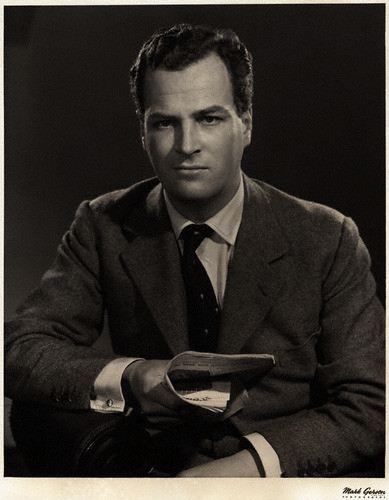
Paddy by Mark Gerson, bromide print, February 1954 (National Portrait Gallery)

In all the excitement (or is it boredom) of the Covid-19 pandemic and lockdown, I failed to complete a post I was drafting in mid-March to mark ten years since starting this blog. So here it is!

By March 2010 I had been “blogging” for a year on my other site MyByzantine. It was a new world for me and I had enjoyed seeing that site grow from four visits in February 2009 to 1,600 a month one year later (and remaining over 2,000). That site has clocked up over 460,000 visits since its launch.

During that time I had also read all three volumes of John Julius Norwich’s Byzantium history series, losing one volume into the Shkumbin river in Albania when a laden donkey fell into the thrashing river losing my baggage during my journey to find the Via Egnatia in Albania and Macedonia (you can read an account here). The insurance claim process was amusing, but I digress.

Through John Julius Norwich I had discovered Paddy and started to read and enjoy his books. Doing a little bit of Googling I found out that Paddy had no website like most other authors, and from what I read was very unlikely to start one at his age. I had also found a lot of interesting material about him, and by him, scattered across numerous sites on the web. I decided to use my “skills” from the Byzantine blog to bring all this material together into one place. The idea of the Patrick Leigh Fermor blog was born.

The first post was not about Paddy at all, but an obituary of his SOE colleague Ralph Stockbridge. This was published on 21 March 2010, and has had over 800 views since then. This was followed by a couple of obits about Sophie Moss. Many other obituaries followed of George Lane, Paddy’s wife Joan, and John Craxton. It was a “soft launch”, but visits had risen from a massive 23 in March 2010 (I recall wondering if there was any interest in this aging writer), to over 2,200 by May. Since then there have been over 1,850,000 views!

It was very sad that Paddy died in the following year. By then the blog had a strong following with over 14,000 visits on the day that his death was announced. There are now 970 posts on the blog and I do have a great backlog of genuine Paddy related material, as well as the more prosaic that I now post that is, mostly, well received by you my dear readers. You continue to send me new material, and I can’t really keep up, especially now that I have to wash my hands every five minutes 🙂 .

Thank you for your continued support. I have to say that having this “audience” during the lockdown has in some way helped me through this difficult time of being apart from many of those I love, and I do hope that the posts have in some way helped you to get through the first part of this difficult time.

I would like to finish by reposting the first article of new Paddy written material that I found and posted on 2 April 2010. It is from the Spectator and called Sex O’Clock High. Some of you may have been following from the start, others stumbling across this crazy site more recently. However long you have been reading I do hope that you all enjoy reading Sex O’Clock High. For some of you this might be the very first time you have read this amusing, and so typically Paddy piece.

Keep well.

Tom

Paddy’s account of the kidnap

Anyone who has sent me an email knows that I am notoriously slow in responding and the same sometimes goes for displaying material sent to me on the blog. I have actually been “saving” this item for a suitable occasion since it was sent to me by the ever patient Alun Davies in February 2014. Alun has probably forgotten about this now, but I thought that now really is the very best time to publish this as many of you will have a little more time on your hands if confined.

Please do also read the comment below by Chris White (co-author/editor) of Abducting a General for further information about this draft, and the others.

You can read the pdf document here – Abducting a General by PLF – typed July 2005

Alun emailed me as follows:

I had an email from Chris P*** this week asking me to send him a copy of Paddy’s personal account of the kidnap of General Kreipe. Paddy had sent it to me in 2005 when I first told him we were going to walk the route. I had his rather rough notes typed up in Cardiff and sent a copy to Chris P*** at the time. Chris has apparently lost it – and needs a copy as someone is (you may well know this) publishing another book about the Kreipe story and Chris wants to ensure that they have Paddy’s version. [Ed – I expect this is Chris White’s Abducting a General: The Kreipe Operation and SOE in Crete]

In any case as it is on my screen this evening I will send you a copy – just in case you have not seen it before.

Best wishes

Alun

You can read the pdf document here – Abducting a General by PLF – typed July 2005


Easter – the bridge at Esztergom, and Between the Woods and the Water free audiobook

Crowd river watching Esztergom  1934

A happy Easter to you all wherever you are and however much space in which you have to move around; I hope that you remain well. The weather here in England is lovely. The South Downs, which are a short run away for me, were soggy and treacherous for runners just four or so weeks ago. Now, after a number of weeks of dry sunny weather, the chalky soil has drained, and is even cracking apart it is so dry on the surface.

The South Downs, and Chilcomb church at Chilcomb near Winchester, England, UK, Easter 2020

Back to Paddy. At Easter time we always find we have left him mid-stream on the Mária Valéria bridge which joins Esztergom in Hungary and Štúrovo in Slovakia, across the River Danube. The bridge, some 500 metres in length is named after Archduchess Marie Valerie of Austria, (1868–1924), the fourth child of Emperor Franz Josef, and Empress Elisabeth (now she has a sad tale to tell).

Paddy crossed into Esztergom and watched an amazing Easter service led by the bishop with crowds nobles, soldiers and their ladies dressed in their finest clothes and colourful uniforms. A sight that will never be seen again.

This Easter I offer you a selection of photos of Esztergom, some from 1934, and the Audible audiobook of Between the Woods and the Water, to complement that of A Time of Gifts which I posted a couple of weeks back.

Enjoy this strange Easter as best you can. Please keep inside, safe and well, so that your medical services are not stretched to the point of collapse by this terrible virus.

Solvitur Ambulando – A Time of Gifts audio book

A Time of Gifts, 1977

Hello dear readers. I hope that you and your families are well, but I am guessing that some may have been hit by this dreadful virus and I wish you a speedy recovery. I am hunkered down in Winchester with my youngest daughter and my five month old grandson. It is a rare opportunity to for a grandpa to spend so much quality time with a grandchild; there are some blessings in all of this.

For us in the UK, this is the end of the first week of our soft “lockdown”. Perhaps further measures may come depending on the figures. Some of you will have been in a harder lockdown for longer in places like Italy and Spain. These measures will continue for some time and we all have a lot more time on our hands, so how about listening to A Time of Gifts as an audiobook? It is available on Audible if you have an account, but also it is freely available on You Tube but who knows for how long? You get two free downloads using a product like Airy https://mac.eltima.com/youtube-downloader-mac.html .

I hope that you enjoy listening. If Solvitur Ambulando, the Latin phrase which means “it is solved by walking”, is true, then perhaps some virtual walking may help us all at this time.

In the Trail of Odysseus

I shall soon be making a working visit to Odessa in the Ukraine. I’m hoping to have a few hours to walk around and make my own impressions of the city apart from the usual swift drive to the hotel and office, interspersed with a dinner in “one of the best restaurants in town”. This made me think of a post that we put up in October 2010 which covered Paddy’s introduction to a wonderful book, In the Trail of Odysseus which is the story of Yiankos Danielopoulis a Black Sea Greek. There is just one copy left on Amazon UK. If you are fascinated by this part of the world and tales of people who come through trial after trial, you will want to snap it up. Over to the old post …..
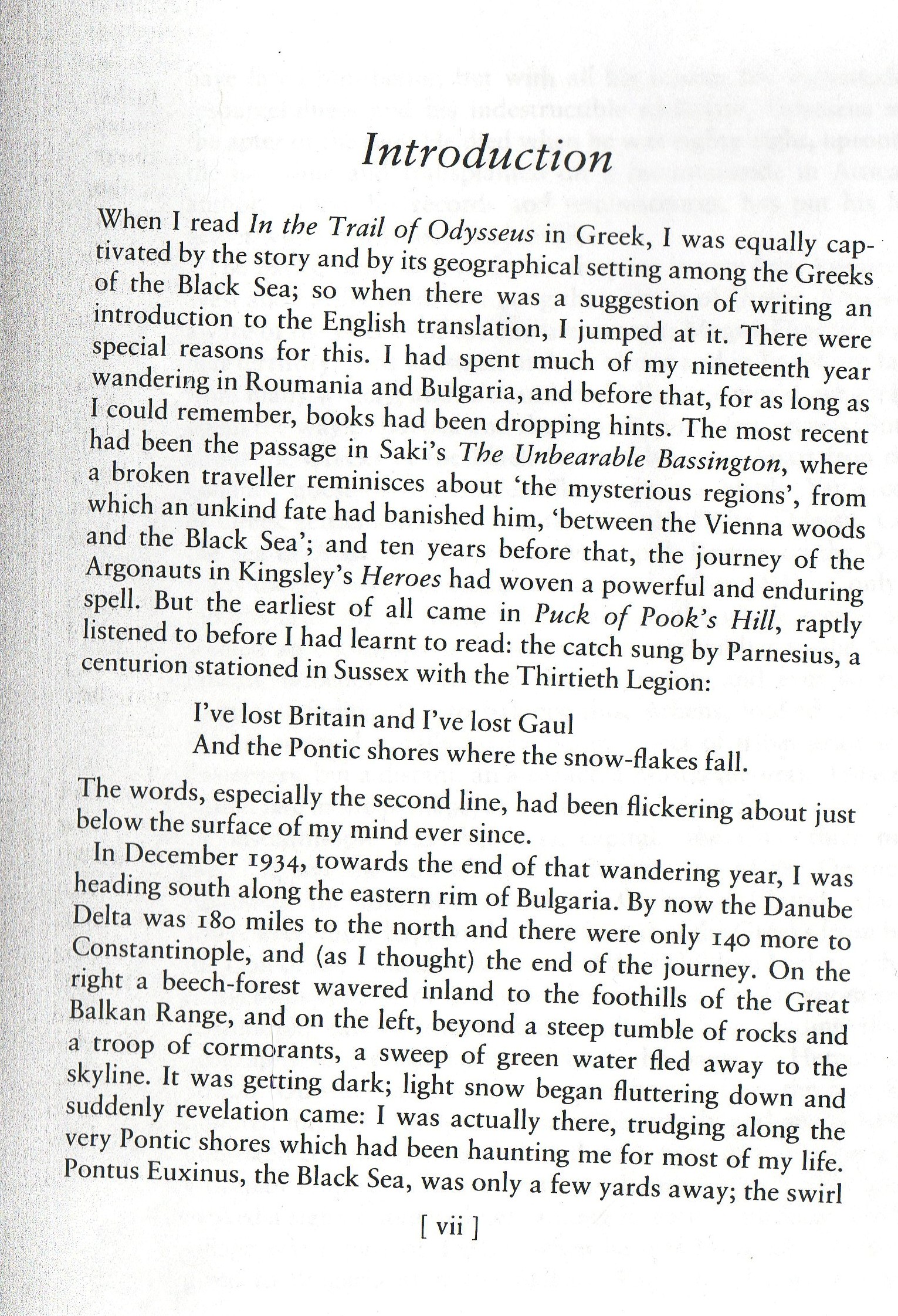
I think this is a rare treat, even for those of us who have read much of Paddy’s work. This introduction to In the Trail of Odysseus by Marianna Koromila is full of longing for the world at the edge of the Black Sea that he discovered in 1934 and which so soon was to disappear forever.

“The whole region seemed an enormous and mysterious antechamber to the whole Mediterranean, unbelievably remote and enigmatic, and ever so soon in danger of fading.”

It is the story of Yiankos Danielopoulis who died in 1987 at the age of 88. As a Black Sea Greek living through the 20th century his life was uprooted time after time, until at last he was able to settle in Mount Hymettos in mainland Greece in the 1950’s.

I have been sent some scanned copies of Paddy’s introduction, by blog corespondent James, to the English translation to the book which I hope you will enjoy and inspire you to purchase the last few copies of the book from Amazon!

To help you further, here is a short synopsis by John Colvin Body which appears to have been published in the Daily Telegraph in 1994.

“In the Trail of Odysseus by Marianna Koromila tr by Nigel Clive Michael Russell, L14.95 this modern-day “Odysseus” is Yiankos Danielopoulos, one of 12 Thracian children born in Vasiliko, a whitewashed Greek village of the Ottoman Empire in 1899, and dying in Attica 88 years later. His life has been compiled by Marianna Koromila from a privately printed family record that she acquired from his daughter. It reflects the turmoil of that region in the 20th century. Born under the Empire, Yiankos lived in Bulgaria, Romania, Russia, Turkey and Greece, surviving two nationalities, seven homes and 13 professions, all imposed by “the gale of the world”. Bulgarian violence, Bolshevik revolution, civil war and Communist take-over were his Eumenides. As a child, he “listened to the rattle of the pebbles as they were washed up by the waves”; saw woods, vineyards, wheat fields and boats unloading below his window on return from fishing. The Thracian traders and shipowners, with relations in all the Black Sea ports, he described as the seagulls which followed the fish. In winter, wolves descended from the mountains, threatening the village. “Union is strength,” said Yiankos’s father when the horses drove them off.

The Great Powers then changed lines on maps. Vasiliko came under the Bulgars, and life became untenable. Yiankos and his brothers moved to Constanza in Romania and opened a grocer’s shop. An admiral’s wife fell in love with one of the brothers. The shop received the navy’s warrant. Funds accumulated. Bulgaria then invaded and the family fled to Galatz (also in Romania) with their assets – 50 cases of macaroni. Yiankos dealt profitably in foreign exchange; money was made. But Galatz became an impossible place, what with bombing and Cossacks shooting holes in wine-cases and drowning in the alcoholic flood. The Danielopouloses escaped to Russia, packed like sardines in a stinking refugee train. Life in their new Russian home, Berdiansk, was lucrative until the Bolshevik and Anarchist massacres began, when the family escaped to Novorosisk in 1917, where the Russian fleet had scuttled. They steered clear of politics, which preserved them, but chaos came. The family escaped by tug back to Constanza, having profitably run cafe, shop and currency exchange in the middle of a revolution. Back in Romania, they enjoyed “party-time” – the annees folles of the 1920s – until the Crash of 1929. Thanks to family unity, they picked themselves up again, flourishing even during the German occupation of 1940.

But later, in 1950, when Soviet theft and odious oppression became intolerable, Yiankos, his wife and daughters left for Greece. They arrived in Mount Hymettos penniless, but went on to farm pistachio, orange, lemon and tangerine trees, cows, hens and vegetables. Yiankos had survived once more. Nigel Clive’s sparkling translation of Koromilos’s book is richly enhanced by Patrick Leigh Fermor’s introduction to that legendary world of the day-before-yesterday.”


Buy In the Trail of Odysseus at Amazon.

Page 1


Pages 2-3


Page 4


Related article:

The mystery of The Black Sea Cave


Repeat – Kennt ihr das Land in deutschen Gauen

I guess that many of us enjoy the chapter in A Time of Gifts when the eighteen year old Paddy spent two nights in Stuttgart with two very pretty nineteen year old German girls, Lise and Annie. It was Epiphany, 6th January 1934, and they went to a party where Paddy had to pretend to be Mr Brown, a family friend. He particularly enjoyed singing a song about the Neckar Valley and Swabia. Paddy could not remember all the words but his stunning memory recalled most of them (page 66).

As we approach that time of year I thought we ought to share this delightful song. It is one of my favourite posts, so here it is again!

Even better James has found it on You Tube 🙂

Here is a link to the music sung by a German choir. The words are below so that you too can sing along! Let’s hear it now, one two three ….

  1. Kennt ihr das Land in deutschen Gauen,
    Das schönste dort am Neckarstrand?
    Die grünen Rebenhügel schauen
    Ins Tal von hoher Felsenwand.

Refrain:
Es ist das Land, das mich gebar,
Wo meiner Väter Wiege stand,
Drum sing’ ich heut’ und immerdar:
Das schöne Schwaben ist mein Heimatland!

2. Kennt ihr das Land in deutschen Gauen,
Mit Wald und Flur so reich bekränzt,
Wo auf den weiten, reichen Auen
Im Sonnenschein die Ähre glänzt?
Es ist das Land, . . . . .

3. Kennt ihr das Land in deutschen Gauen,
Wo Tann’ und Efeu immer grün,
Wo starke Männer, edle Frauen
In deutscher Kraft und Sitte blühn?
Es ist das Land, . . . . .4. Kennt ihr das Land im deutschen Süden,
So oft bewährt in Kampf und Streit,
Dem zwischen seiner Wälder Frieden
So frisch die deutsche Kraft gedeiht?Ja, wackre Deutsche laßt uns sein!
Drauf reichet euch die deutsche Hand;
Denn Schwabenland ist’s nicht allein:
Das ganze Deutschland ist mein Heimatland!

Travellers’ Century: Patrick Leigh Fermor on YouTube


Posting the Stanford awards notice the other day, made me think again about Benedict Allen’s profile of Paddy on the Travellers’ Century series which is available on You Tube.

Whilst relaxing with your loved ones over the festive period, or at any other time, why not take an hour out to watch this lovely little documentary? Perhaps it’s an opportunity to introduce the family to this mysterious Patrick Leigh Fermor. A good entry point for the uninitiated.

Patrick Leigh Fermor’s Rhineland Christmas

The restored Liebefrauenkirche in Koblenz

This has been posted once before on the blog, but if you need a Christmas Day digital fix, here is something  from A Time of Gifts.

Paddy spent Christmas, 1933, in Coblenz/Koblenz a German town on the Rhine. From A Time Of Gifts:

Coblenz is on a slant. Every street tilted and I was always looking across towers and chimney-pots and down on the two corridors of mountain that conducted the streams to their meeting. It was a buoyant place under a clear sky, everything in the air whispered that the plains were far behind and the sunlight sent a flicker and a flash of reflections glancing up from the snow; and two more invisible lines had been crossed and important ones: the accent had changed and wine cellars had taken the place of beer-halls. Instead of those grey mastodontic mug, wine-glasses glittered on the oak. (It was under a vista of old casks in a Weinstube that I settled with my diary till bedtime.) The plain bowls of these wine-glasses were poised on slender glass stalks, or on diminishing pagodas of little globes, and both kinds of stem were coloured: a deep green for Mosel and, for Rhenish, a brown smoky gold that was almost amber. When horny hands lifted them, each flashed forth its coloured message in the lamplight. It is impossible, drinking by the glass in those charmingly named inns and wine-cellars, not to drink too much. Deceptively and treacherously, those innocent-looking goblets hold nearly half a bottle and simply by sipping one could explore the two great rivers below and the Danube and all Swabia, and Franconia too by proxy, and the vales of Imhof and the faraway slopes of Würzburg journeying in time from year to year, with draughts as cool as a deep well, limpidly varying from dark gold to pale silver and smelling of glades and meadows and flowers. Gothic inscriptions still flaunted across the walls, but they were harmless here, and free of the gloom imposed by those boisterous and pace-forcing black-letter hortations in the beer-halls of the north. And the style was better: less emphatic, more lucid and laconic; and both consoling and profound in content; or so it seemed as the hours passed. Glaub, was wahr ist, enjoined a message across an antlered wall, Lieb was rar ist; Trink, was klar ist. [“Believe what is true; love what is rare; drink what is clear.”] I only realized as I stumbled to bed how pliantly I had obeyed.

It was the shortest day of the year and signs of the seasons were becoming hourly more marked. Every other person in the streets was heading for home with a tall and newly felled fir-sapling across his shoulder, and it was under a mesh of Christmas decorations that I was sucked into the Liebfrauenkirche next day. The romanesque nave was packed and an anthem of great choral splendour rose from the gothic choir stalls, while the cauliflowering incense followed the plainsong across the slopes of the sunbeams. A Dominican in horn-rimmed spectacles delivered a vigorous sermon. A number of Brownshirts — I’d forgotten all about them for the moment — was scattered among the congregation, with eyes lowered and their caps in their hands. They looked rather odd. The should have been out in the forest, dancing round Odin and Thor, or Loki, perhaps.

Paddy imaginatively and sensually explores local landscapes by drinking its wine. Notice too the glorious description of the Catholic church in Coblenz at Christmastime.  That beautiful old church, the Liebefrauenkirche, was virtually destroyed in the Second World War, but has since been restored.

Something newly discovered for Christmas – rarely seen painting of Paddy from Budapest

A portrait of Paddy done in Budapest in the 1960's

A portrait of Paddy done in Budapest in the 1960’s

I have been saving these images for some months now so that I could present them to you at Christmas; it is always good to have something new for Christmas!

Sent to me by a friend, the coat of arms is from the back of a chair that was in the von Berg house in Uri utca, Budapest when PLF stayed in 1934. It survived WW2, the Hungarian Revolution and Communism. There is a very detailed description of it in Between the Woods and the Water (pp 27, 29, 32 in the paperback edition). As we have written before:

Úri utca (Lord’s Street) is at the very heart of the Castle District and lining this ancient cobbled thoroughfare are the one-time palaces and townhouses of the old Hungarian nobility. Stop in front of number 15, a plain two-storey house, and you will be at the very core of Leigh Fermor’s Budapest. If the owner, Baroness Gloria von Berg is at home, you are likely to receive a warm welcome and a free tour of the very quarters in which PLF slept. It was her father, Baron Tibor von Berg who hosted him in 1934. From this hospitable house he explored Budapest in a way that few English travellers had achieved at that time.

The portrait is of Paddy done in Budapest during a visit he made there in the mid 1960s. It surfaced recently in the flat of an old friend of Paddy in Budapest, and has been seen before by very few people, and almost certainly its first appearance online. I hope that you enjoy it. How interesting that new items can emerge even after all these years.

The von Berg coat of arms from a chair at the house in Úri utca, Budapest

A coat of arms from a chair at the house of the von Berg’s in Úri utca, Budapest

Merry Christmas to you all, and thank you for your comments and support over this past year. We still average around 10,000 visits per month. I do encourage you to use the search facility (upper right of page); it is quite excellent. If you have something you wish to know about Paddy, tap it in and hopefully you will find something to interest and inform you from over 900 posts.