Tag Archives: Patrick Leigh Fermor

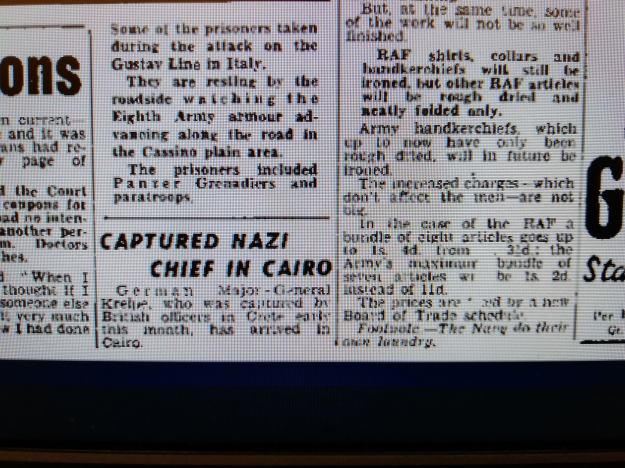
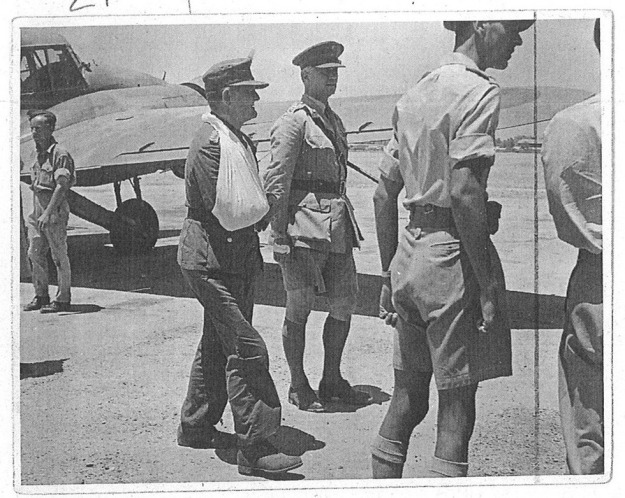
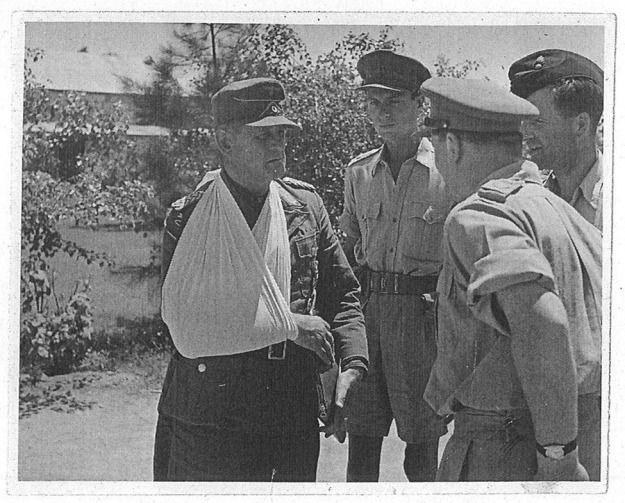
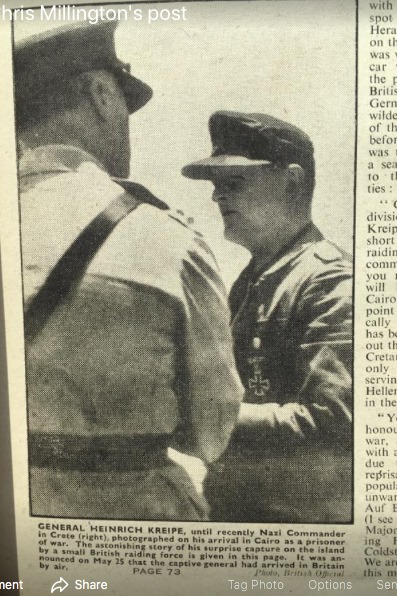
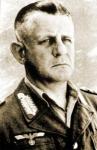
General Kreipe arrives in Cairo after flying from Mersa Matruh

Kreipe Cairo arrival 1

16th May: On the motor launch’s arrival in Mersa Matruh the General and the rest of the kidnap group were officially welcomed by Brigadier Barker-Benfield and the General spent his first night of captivity sharing a room with the Brigadier in the Officers Mess.

Kreipe Cairo arrival 2

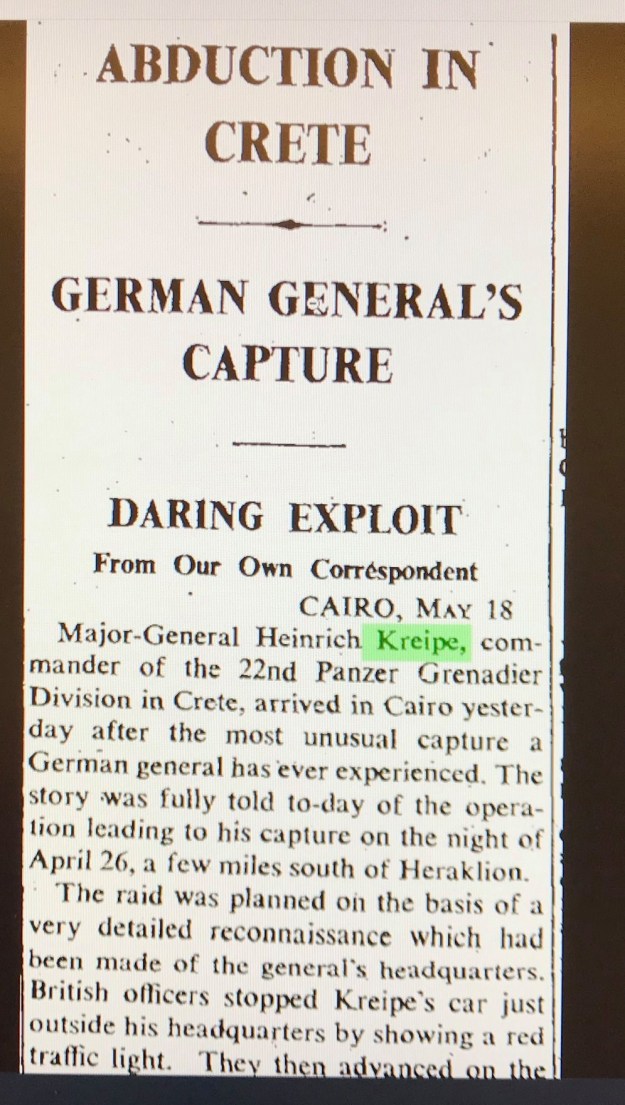
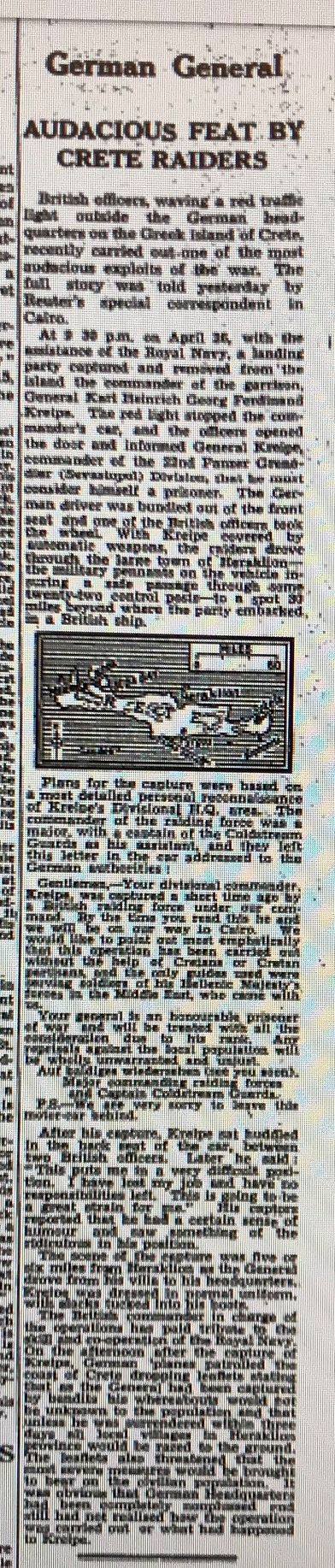
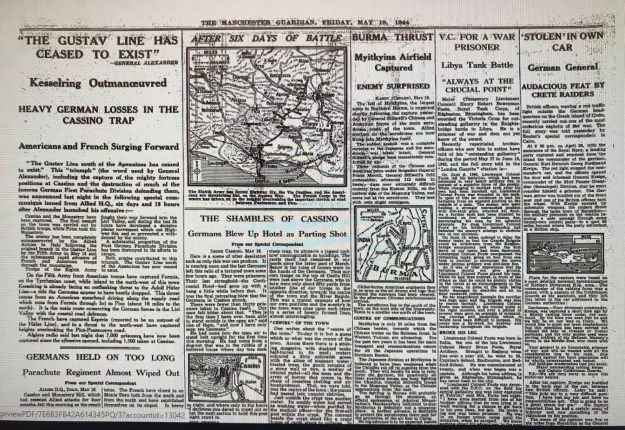
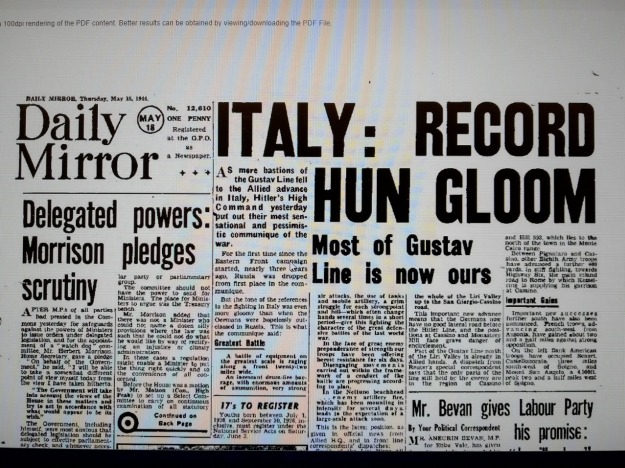
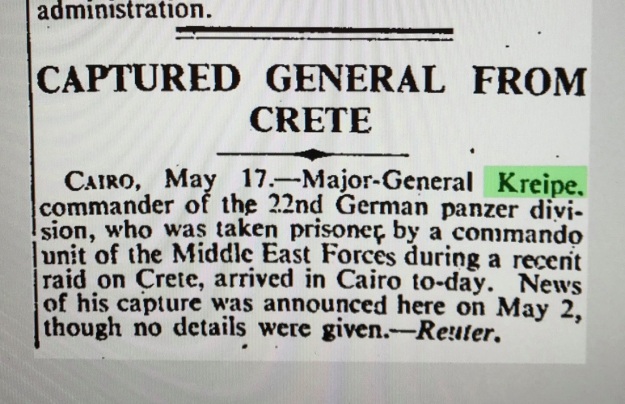
Kreipe headline 17 May

Kreipe Cairo arrival 3

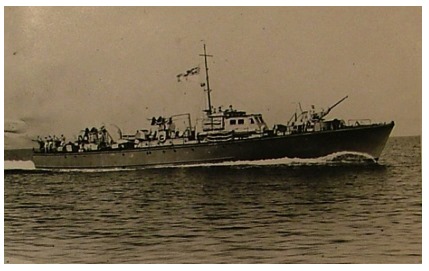
Waiting for the motor launch to arrive

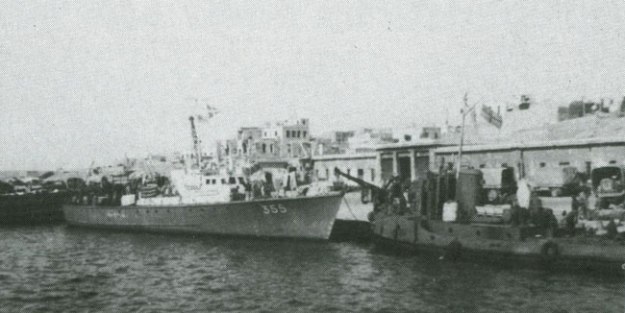
RN Motor launch rescue Fermor Kreipe

14th May 1944

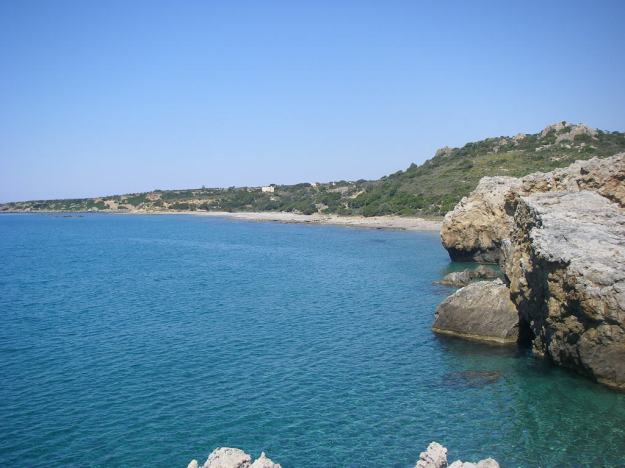
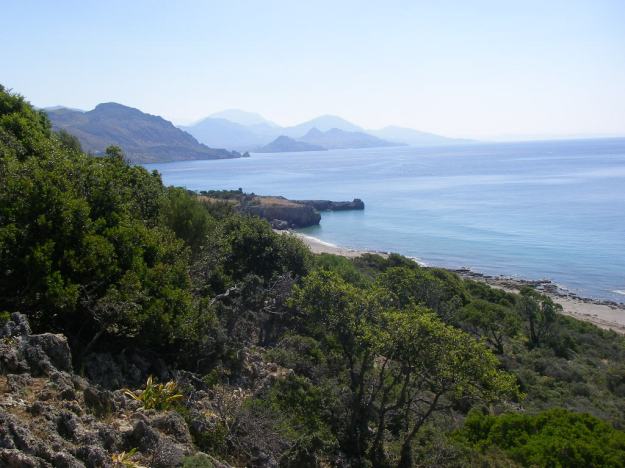
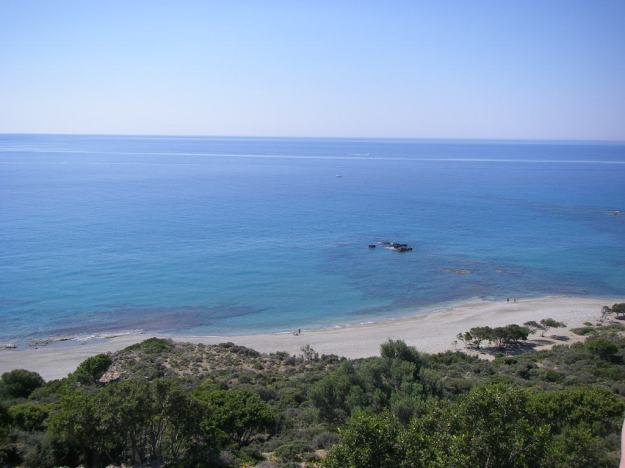
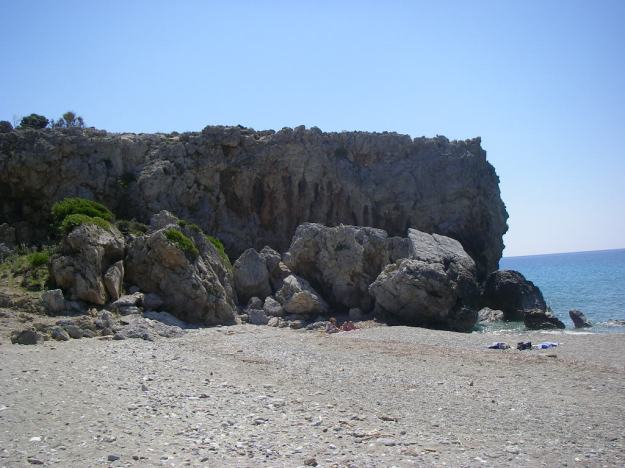
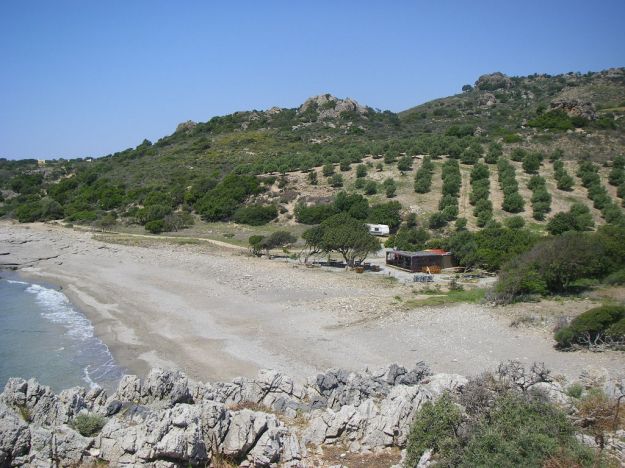
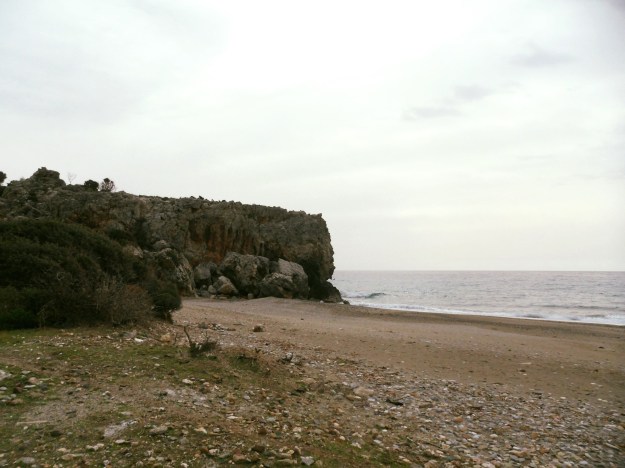
The final hours…..they have gathered in the rocks behind Peristeres beach, just below the village of Rodakino…..different andarte bands have joined them from the surrounding villages…and they are waiting for the motor launch to arrive…….

Paddy writes:

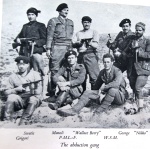
‘…..we all lay up till nightfall on a ledge in a deep hollow of the cliffs where an icy spring trickled down the rocks……Then we crossed the short distance to the little cove we hoped to leave from. It seemed to us all, with its walls of rock on either side and the sand and the pebbles, the lapping of the water and the stars, a quiet place for our adventure to end. As we stood about, talking in whispers at first, though there was no one to be afraid of, Andartes climbed down the rocks in two and threes to join us. There were the Rodakino Kapitans Khombitis and Manoli Yanna and Andrea Kotsiphis, and there too, suddenly, with the great fair moustache that had made us christen him Beowulf, was Petraka, the kapitan of the Asi Gonia band and one of our oldest friends on the island. He had brought a contingent of Goniots to join the other Andartes in guarding our departure and also to say goodbye. The place was filling up like a drawing room: groups were lounging about in the rocks or strolling with slung guns quietly conversing’

‘There was a slight coil of mist over the sea so it was not till she was quite close that we saw the ship. We could hear the rattle of the anchor going down; then two boats were lowered…….
The moment had come….We all pulled off our boots to leave behind; this was always done; even in rags they came in useful. Soon we were saying goodbye to Petraka and the Rodakino Kapitans and Yanni Katsias and the guerrillas and lastly to Antoni Zoidakis. We all embraced like grizzly bears. I tried to persuade Antoni to come with us; he wavered a moment and then decided against it. I wish he had. A sailor said “Excuse me Sir, but we ought to get a move on.”

As we neared the ship, the figures waving along the shore had begun to grow indistinct among the shadows and, very fast, it was hard to single out the cove from the tremendous mountain mass that soared from the sea to the Milky Way. The ship grew larger, her pom-poms and Bofors A.A. guns shining in the starlight. When we drew alongside sailors in spotless white were reaching down into the bulwarks to guide the General up the rope ladder (“That’s right Sir! Easy does it!”) while we – Billy, Manoli and George and I – helped from below. A moment later we were on the deck in our bare feet and it was all over.’

Peristeres beach 1

Peristeres beach 2

Peristeres beach 3

Peristeres beach 4

Peristeres beach 5

Peristeres beach 6

“Wunderbar, Herr General! We’re leaving!”

May 13th 1944

Nearly there…waiting in the rocky fissure outside Alones….

Paddy writes:
“Well, Herr Major, how are the plans for our departure progressing?” By now the General had become as solicitous for the success of our departure as we were.

“Wunderbar, Herr General! We’re leaving!”

It was true, the order of release or the promise of it, had come through. The German drive through the Asi Gonia mountains had driven Dennis to earth and put his set momentarily off the air. But messages from Cairo were beamed now to all stations and when the great news came through, Dick himself, hearing of our local troubles, and making a dash clean across the Nome of Retimo, reached our cheerless grotto long after dark. The boat would put in at a beach near Rodakino at 22 hours on the night of the 14th /15th May. – “10 o’clock tomorrow night!” It was in exactly a day from now. We would only just be able to manage it.

The thing was to get the main party to the coast under cover of darkness. I sent Billy off with George and the others and Yanni Katsias and his two wild boys by a short route which would bring them by daybreak to a place where they could wait for us. The General, Manoli and I would go by a much longer and safer way, where the mountains were so steep and deserted that, with a cloud of scouts out, we could move by day without much danger. Unfortunately it was too steep and uneven for a mule so the General would have to go on foot. But the sky was clear and there would be a bright moon and starlight.

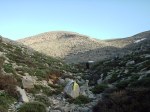
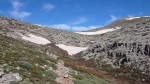
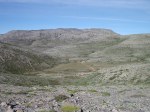
The Krioneritis mountains which we were to cross are not one of the highest ranges of Crete, but they are among the steepest and are certainly the worst going. They are bare and, except for an occasional thistle or thornbush or sea squill, as empty of vegetation as a bone yard; the place is ringed with craters and fractured into a jig-saw of deep crevasses; worst of all there is not a path or even a flat square foot in the whole of this wilderness. The region is a never-ending upside-down harrow armed with millions of limestone sickles and daggers and yataghans.
Sustained perhaps by the thought of an end to his ordeal, the General tackled this Via Crucis with scarcely a groan. Helped by Manoli and me when he stumbled and then by the guerrillas that shimmered like ghosts out of the vacancy, he moved across the landscape in a sort of trance.”

Dennis Ciclitira has joined them and has a working radio

May 11th 1944

Things are looking up! Dennis Ciclitira has joined them and has a working radio set up the valley in Asi Gonia. And they hear from Ianni Katsias that the closest beaches – at Rodakino – has potential as a pick up point.
They spend the day and evening resting and recovering. They are all very tired and the General is clearly suffering. Billy Moss recorded, after the General fell off the mule the day before:

“General in great pain, saying: ‘I’ve had enough. Why don’t you shoot me and get done with it’.”

Paddy writes:

Rumours of a German descent on the region had prompted Stathi to conceal us in such a cramped and precarious eyrie the night before; next morning all seemed serene: we climbed up to a commodious and beautiful ledge of rock where the General was consoled for the agonies of the ascent by the coloured blankets and the cushions spread there under the leaves by my god-brother (Stathi) and Stavro (an old drinking companion of mine) and by the marvellous banquet of roast sucking pig and kalitsounias, – crescent shaped mizithracroquettes – and the wicker demi-john of magnificent old wine which was waiting. Stathi was a great bon viveur and a paragon of kindness and generosity as well as being Kapetanios of an armed band. His eager blue eyes kindled with delight to see us demolishing his feast. He hoped, (and so did we) that we could lie up here in luxury until we slipped off over the hill to the boat. There was a rushing stream hard by and sweet smelling herbs all round us and the trees were full of nightingales. We banqueted and slept and talked and sang. The sun set through the surrounding peaks and as we lolled exulting on the soft rugs under the moon and the stars, for ever plied with fresh marvels by the two brothers, who sped to and from the village like kindly djinns, this sudden change in our affairs seemed to all of us as magical as the sudden transportation to paradise for beggars in a Persian story.’

The General falls from his mule

10th May 1944

After a day resting in Photeinou the party continue to travel westward. They are heading to the Kato Poros gorge outside the village of Vilandredo.

Paddy writes: ‘A mishap occurred on this long night’s march: the girth of the General’s mule broke and sent his rider tumbling down a steep precipice. We chased after him; we thought at first that one of his shoulder blades was damaged; we arranged a sling and after a while the pain seemed to go. But his right arm remained in a sling for the rest of the journey. It was an anxious moment.

Outside the little village of Vilandredo we were met by kind and enthusiastic Stathi Loukakis and his brother, yet another Stavro.

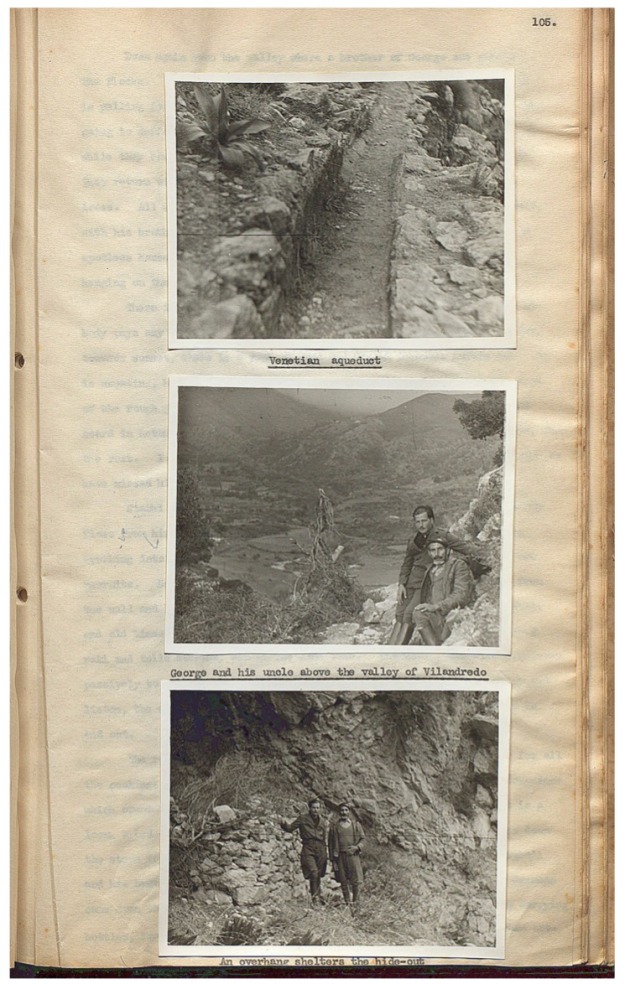
He led us all, dog-tired and woe-begone, to a built up cave that clung to the mountainside like a martin’s nest. It was only to be reached by the clambering ascent of a steep ladder of roots and rocks – up which our disabled captive could only be hoisted by many hands and slow stages.’

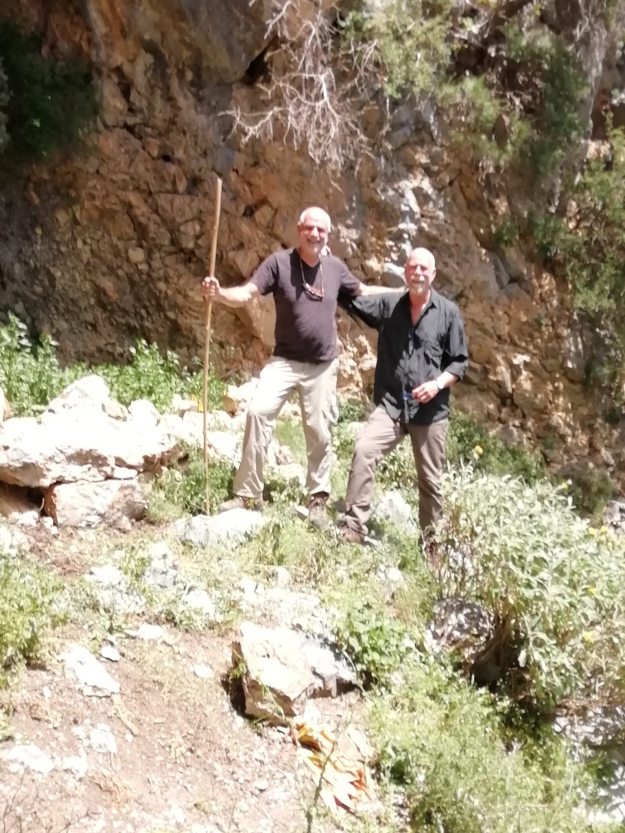
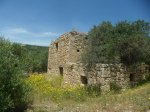
Michael Powell was led to the cave in !951, and we finally tracked it down in 2015.

Our sun is rising

Chris White (C) with Charidimos Alevizakis (L) the nephew of Ianni Tsangarakis, Paddy’s greatest friend and guide. Charidimos had been a messenger for Paddy – and told us most emphatically that he and Paddy ‘were brothers.’

9th May 1944

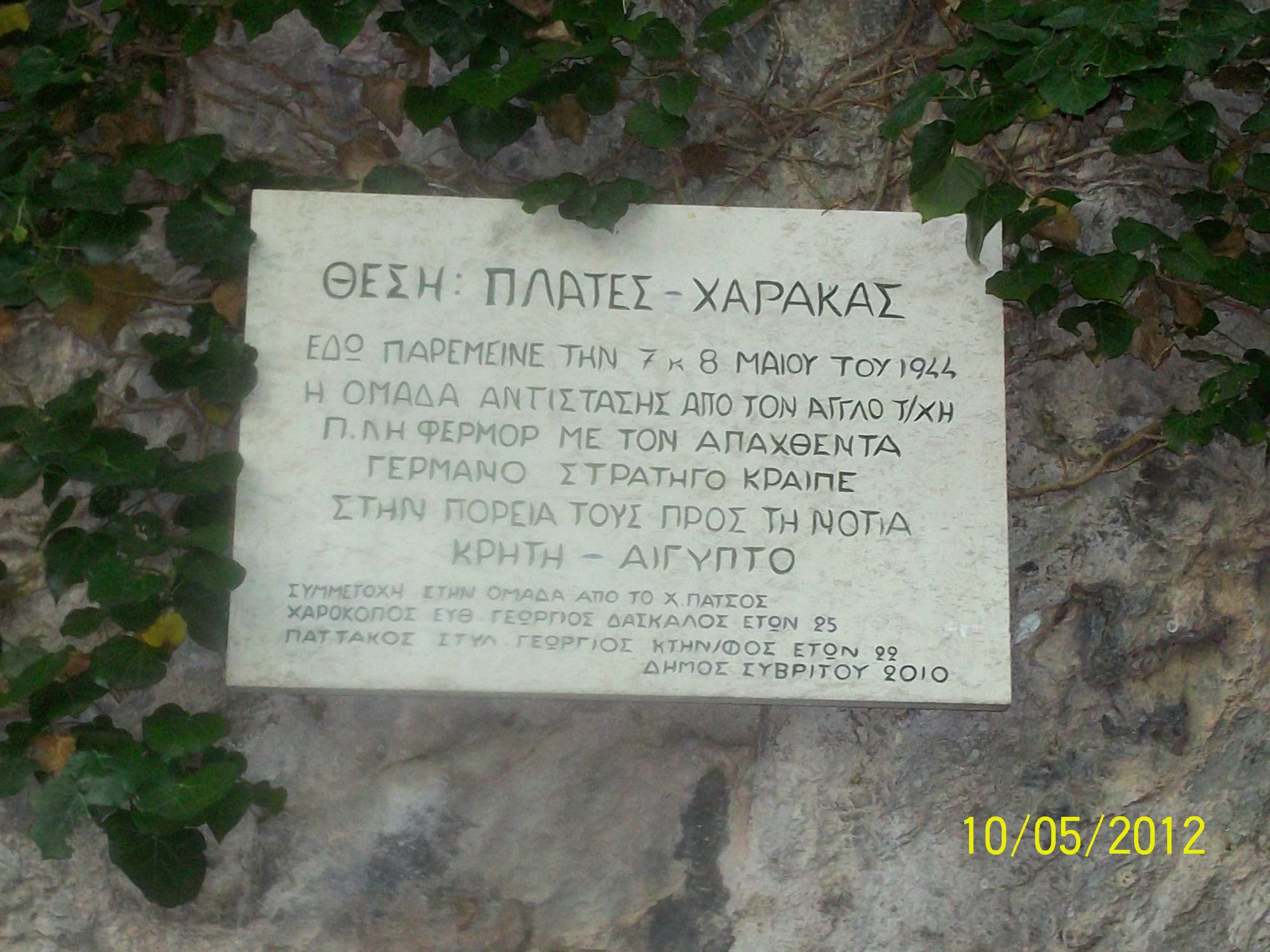
After another day resting in Patsos the party head westward – reinforced by George Harokopos and George Pattakos, who supplies a mule for the General to ride on.

Paddy writes:

‘Our way westward over the plateau of Yious was our familiar east to west route over the narrowest part of western Crete. “Our sun is rising”, George had said as we set off at moonrise. It was a favourite saying in these nocturnal journeys. “Off we go,” Manoli said, “Anthropoi tou Skotous.” This phrase “men of Darkness!” was a cliché that often cropped up in German propaganda when referring to people like us, and we had eagerly adopted it. We were off, I hoped, on the last lap of our journey.’

‘Among the rocks and Arbutus clumps there was an ice-cold spring which was said to bestow the gift of immortality. We all lay on our faces and lapped up as much as we could hold. I told the General about the property of the water. He leant down from the saddle of his mule and asked urgently for a second mug.’
There destination for the night is the village of Fotinou – but they have to cross the main road from Rethymno to Spili without being spotted.

‘Men with guns whistled from the rocks and when we answered ran down to meet us and shepherd the party across the perilous highway. Others joined us out of the moonlight as we climbed into the conical hills where Fotinou is perched. Suddenly there was an alarm of a German patrol approaching directly ahead. Our party, by now quite large, fanned out along a ridge and lay waiting.’

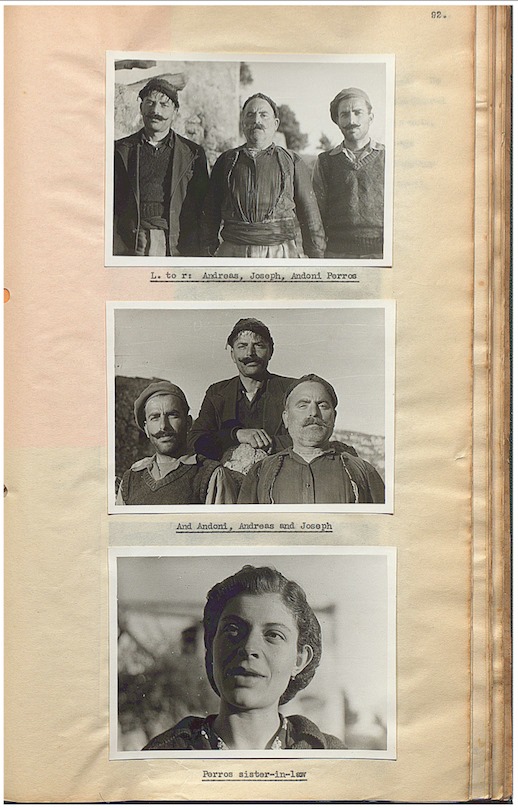
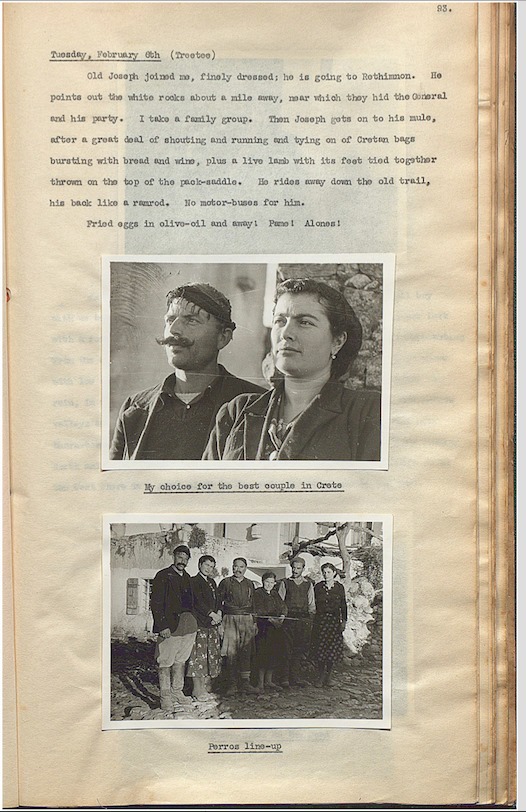
‘Luckily it was only another contingent of our growing escort. There was relief and laughter. By the time we got to the grove of Scholari outside Fotinou, we were very numerous indeed. Most of the troop was composed of old Uncle Stavro Peros and his eighteen sons and their descendents with several members of the Tzangarakis and Alevizakis families as well. Andoni, the youngest of the Peros brothers had just contracted a dynastic match with the daughter of a family with whom the Peros tribe had been locked in discord for generations; so an atmosphere of concord and rejoicing reigned in the hills.’

In 1951 the film director Michael Powell, as part of his research for “Ill Met By Moonlight’, had visited the village, and photographed the Peros family.

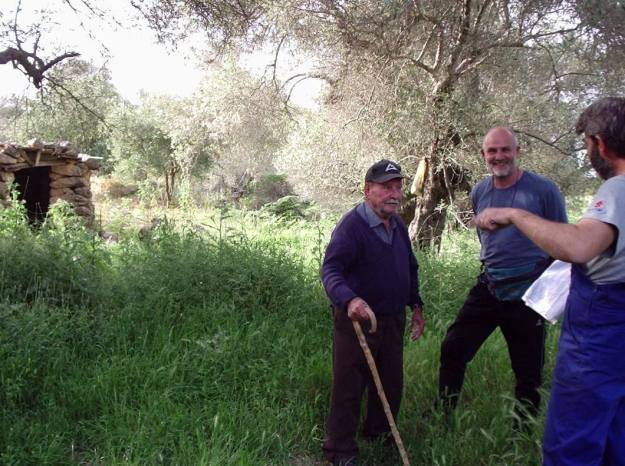
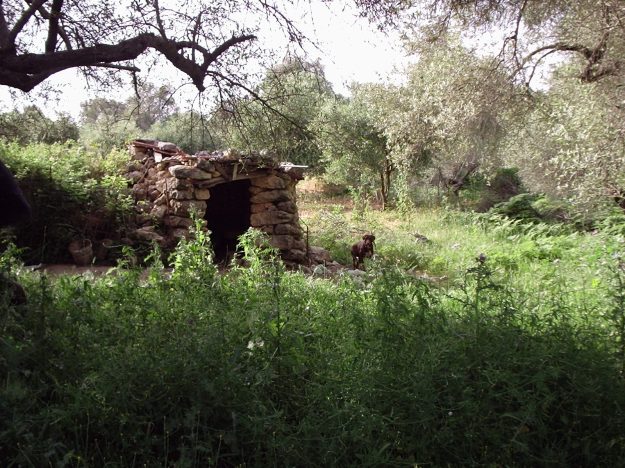
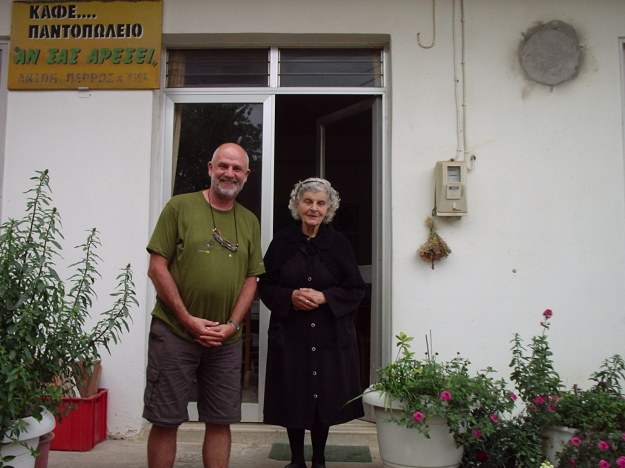
In our early research trips we were able to meet Despina Peros, who had married Andoni Peros – the dynastic match – and whose olive grove they had stayed in. Despina was very proud of her association with the kidnap and that she had fed the group.

And on our first research trip in 2010 we met Charidimos Alevizakis, the nephew of Ianni Tsangarakis, Paddy’s greatest friend and guide. Charidimos had been a messenger for Paddy – and told us most emphatically that he and Paddy ‘were brothers.’

10th anniversary dinner – London

Following on from the list of potential options to mark the 10th anniversary of Paddy’s death, we are starting to see some ideas come to fruition as people have taken up the mantle and got on with things.

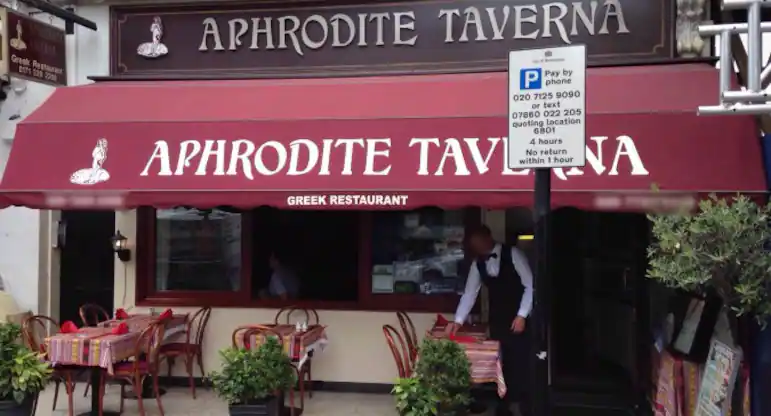
Dr Chris Joyce has arranged the first definite event, a dinner planned for 24th June at the Aphrodite Taverna, 15 Hereford Road, London, W2 4AB. Artemis Cooper will attend. The format is likely to be drinks followed by cold mezze, then hot mezze; plenty of wine and Retsina.  Some toasts, short speeches, short readings.  Chris regrets, no dancing on the tables.

Drinks probably from 1830. Maybe limited to 24 people so it will be first come, first served, and a deposit will be required at some point. Probably cost around £25 per head plus drinks.

To reserve your place, please contact Chris Joyce via chrisjoyce14 [at] outlook.com. Thanks to Chris for making all this possible!

We might have been in a drawing room

8th May 1944

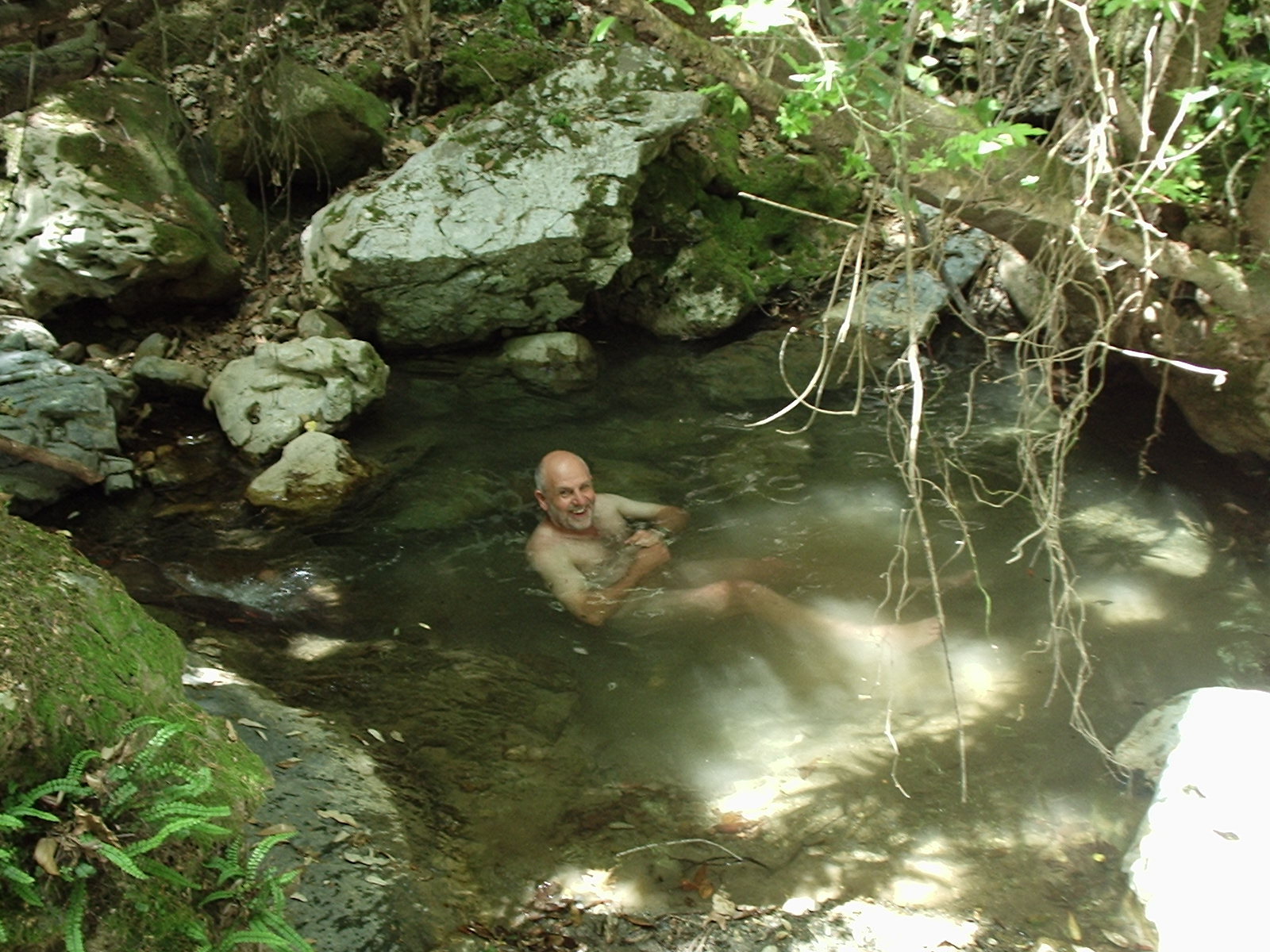
Tha main party stay resting outside Patsos. Billy writes about having a bathe in the tumbling stream nearby.
In the evening Paddy and Giorgos arrive from Genna and the group are reunited again.

Paddy writes: ‘The party, when I found them, were star-scattered about a tumble-down stone hut shaded by a clump of tall plane trees and a beetling rock with a waterfall and a deep pool. George Harocopos and his old father and his pretty little sister were looking after them in this Daphnis and Chloe décor.’

‘”Good morning, General. How are you?”
“Ah, Good morning, Major. We missed you.”
We might have been in a drawing room.’

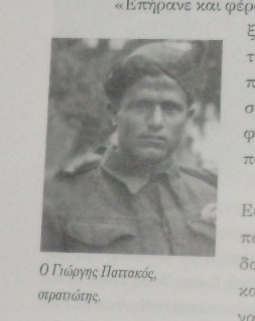
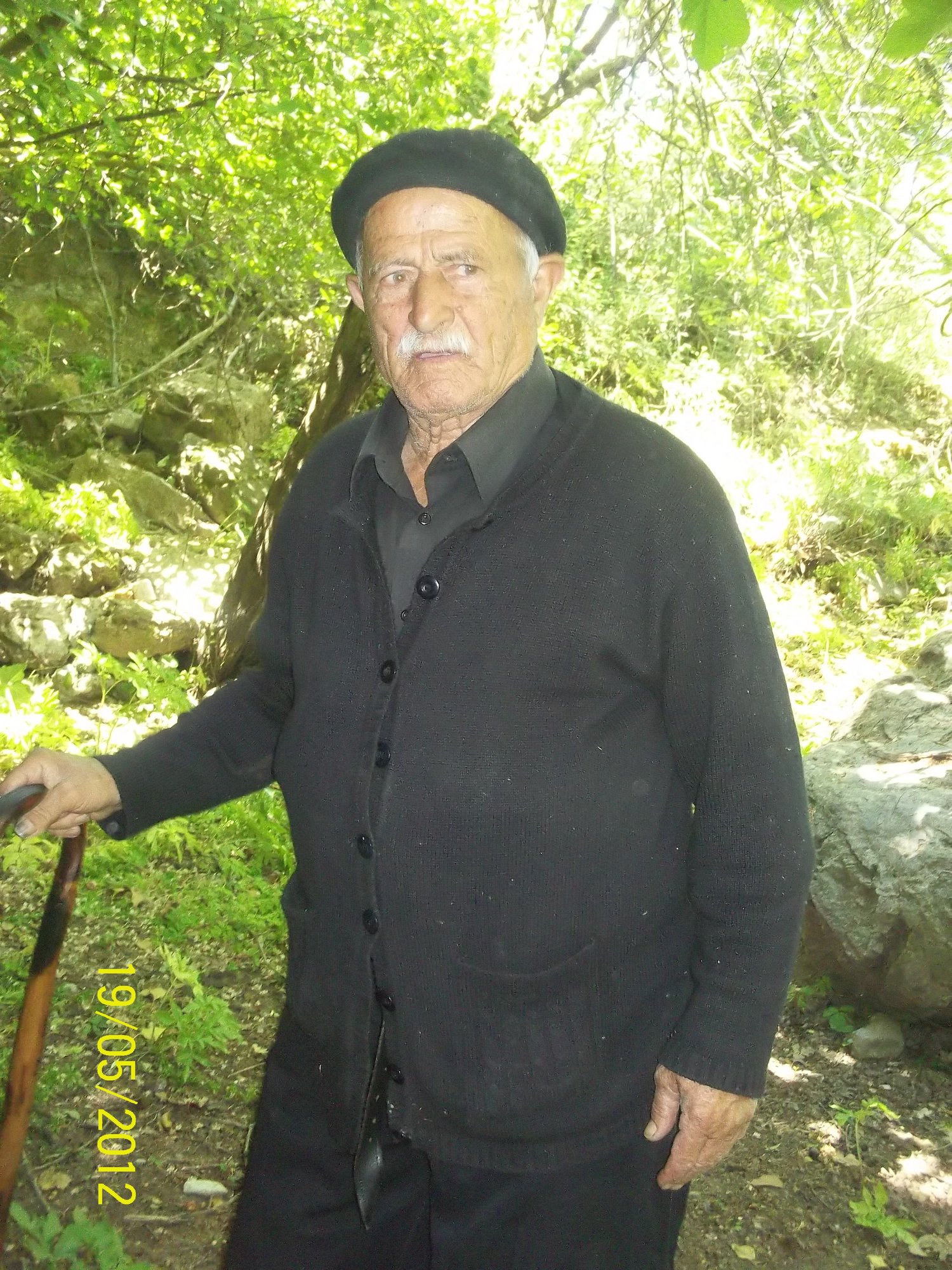
The party are joined by another villager from Patsos – Giorgos Pattakos – who we were privileged to meet several times on our early research trips

‘All was going according to plan’

7th May 1944

Messages are beginning to bear fruit….and Paddy realises they will have to travel further westward. They still don’t have a plan on how to depart but they are now getting better links with Cairo via the radio set at Dryade and their brave messenger, George Psychoundakis. Paddy and George stay on in Genna a further night.

In the evening Manoli, Billy, the General and the main party travel further westward to the village of Patsos, where they stay in a sheepfold in a gorge by a tumbling stream.

Paddy writes: ‘On the night of the 7th, the party with the General moved by an easy night march to Patsos, which was only two or three hours away from me. They were being fed and guarded by George Harocopos and his family, (George, a thoughtful and well read boy, later to become a gifted journalist, was the son of a very poor, but very brave and kind family, all of whom had been great benefactors to the wandering British). All was going according to plan.’

But when we saw the branding mark, We only stole the ram, Sir

6th May 1944

Paddy and Giorgos remain based in Genna – messengers coming and going as they desperately try to arrange a safe beach to be picked up from. Giorgos Psychoundakis returns with Dick Barnes – known as Pavlos.

Paddy writes: ‘This reunion with Dick – like many occasions in occupied Crete when one wasn’t actually dodging the enemy – became the excuse for a mild blind. ‘Mr Pavlo and I set off to Yeni,’ writes George Psychoundakis in ‘The Cretan Runner’, “where we found Mr Mihali (me) and Uncle Yanni Katsias. We sat there till the evening and the sun set. Yanni took us to the east side of the village where they brought us some food and first rate wine and our Keph (well-being) was great. The four of us were soon singing. Mr Mihali sang a sheep-stealing couplet to the tune of Pentezali, which went:

Ah, Godbrother, the night was dark
For lamb and goat and dam, Sir,
But when we saw the branding mark,
We only stole the ram, Sir.

The ram – the head of the flock – meant the General.’

Billy, Manoli, the General and the rest of the kidnap team remain in the sheepfold above Gerakari.

‘This is very satisfactory news’

5th May 1944

Paddy and Giorgos remain in Genna, coordinating messengers. They are joined by Giorgos Harokopos and Giorgos Psychoundakis, who then heads back off to the wireless set run by Dick Barnes at Dryade with a message.

The main party in the evening leave Gomara and walk up the Amari valley via the village of Gourgouthi to their next hideout – a sheepfold above the village of Gerakari.

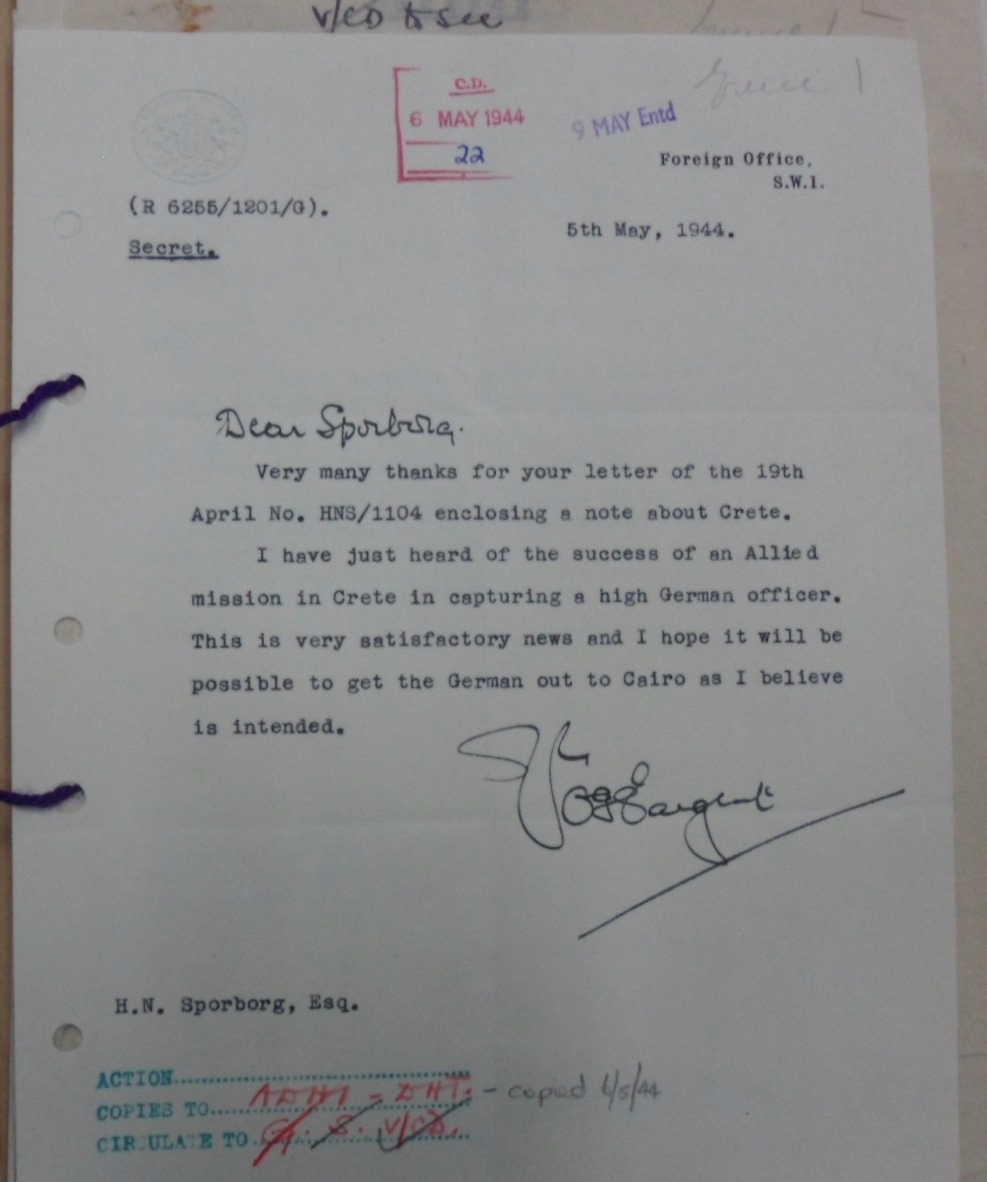
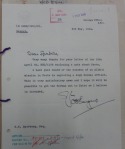
And in London Orme Sargent, the senior Foreign Office officer at Under Secretary level working to SOE, sends a memo to Harry Sporborg, deputy to Major-General Colin Gubbins, Head of SOE, expressing great approval of the coup. ’I have just heard of the success of an Allied Mission in Crete in capturing a high German officer. This is very satisfactory news and I hope it will be possible to get the German out to Cairo as I believe is intended.’

[1] National Archives HS 5/416

‘… if my companions are feeling half as uncomfortable as I do they must be feeling terrible’

4th May 1944

The main party are still hiding in the valley of Gomara. Billy Moss records in ‘Ill Met by Moonlight’:
“It rained all night long , and, as was inevitable, we are soaked to the skin. Around me I see a picture of human misery, and I know that if my companions are feeling half as uncomfortable as I do they must be feeling terrible.”
Spirits are lifted in the afternoon when messengers arrive from Sandy Rendel and Dick Barnes.

Meanwhile in Fourfouras Paddy and Giorgos leave the comforts of Giorgos’ family home and travel 14kms further up the valley to Pantanassa…..searching for the whereabouts of a working radio set.

Paddy writes:

“Among the cypresses of Pantanasa George and I ran into a hitch. The Hieronymakis family, we knew, were in touch with at least one of our wireless stations. By ill luck it was about the only village in the region where neither of us had ever been. The Hieronymakis knew all about us, we knew all about them, but we had never met and there was no one to vouch for us. The old men were adamant: ‘You say you are Mihali, Mihali who? And who are Siphi (Ralph Stockbridge) and Pavlo (Dick Barnes)? Never heard of them. Tk. Tk. Tk! Englishmen? but, boys, all the English left Crete three years ago …?’ The white whiskered faces turned to each other for corroboration, beetling brows were raised in puzzlement, blank glances exchanged. They went on calmly fingering their amber beads, politely offering coffee. It was no good raging up and down, gesticulating under the onions and paprika pods dangling from the beams: every attempt to break through was met by identical backward tilts of head with closed eyelids and the placidly dismissive tongue click of the Greek negative. They wouldn’t give an inch until they knew (as they say) what tobacco we smoked. We could, after all, be agents provocateurs.”

“This impressive but exasperating wall of security was only broken at last, after two precious hours of deadlock, by the entry of Uncle Stavro Zourbakis from Karines – a friend of us all. Everything dissolved at once. In greetings, recognition, laughter, Raki, a crackle of thorns and sizzling in the hearth and the immediate summoning and despatch of runners to the two sets in the North West.”

Paddy and George move on for the evening back down the valley to the village of Genna, where they were to stay for several days:

“The goat-fold of Zourbovasili lay in rolling biblical hills. There was a round threshing floor nearby, where George and I could sleep on brushwood with a great circular sweep of vision. This place was to become, during the next three days, the centre of all going and coming of messengers as plans changed and options elapsed. But now, after the scrum of the last few days it seemed preternaturally quiet in the brilliant moonlight. Ida towered east of us now, Kedros due south: The White Mountains, which had come nearer to us during the day, loomed shining in the west. How empty and still after our huddled mountain life, was this empty silver plateau! A perfect place to watch the moon moving across the sky and chain smoke through the night pondering on the fix we were in and how to get out of it. There was not a sound except a little owl in a wood close by and an occasional clank from Vassilis’ flock.”

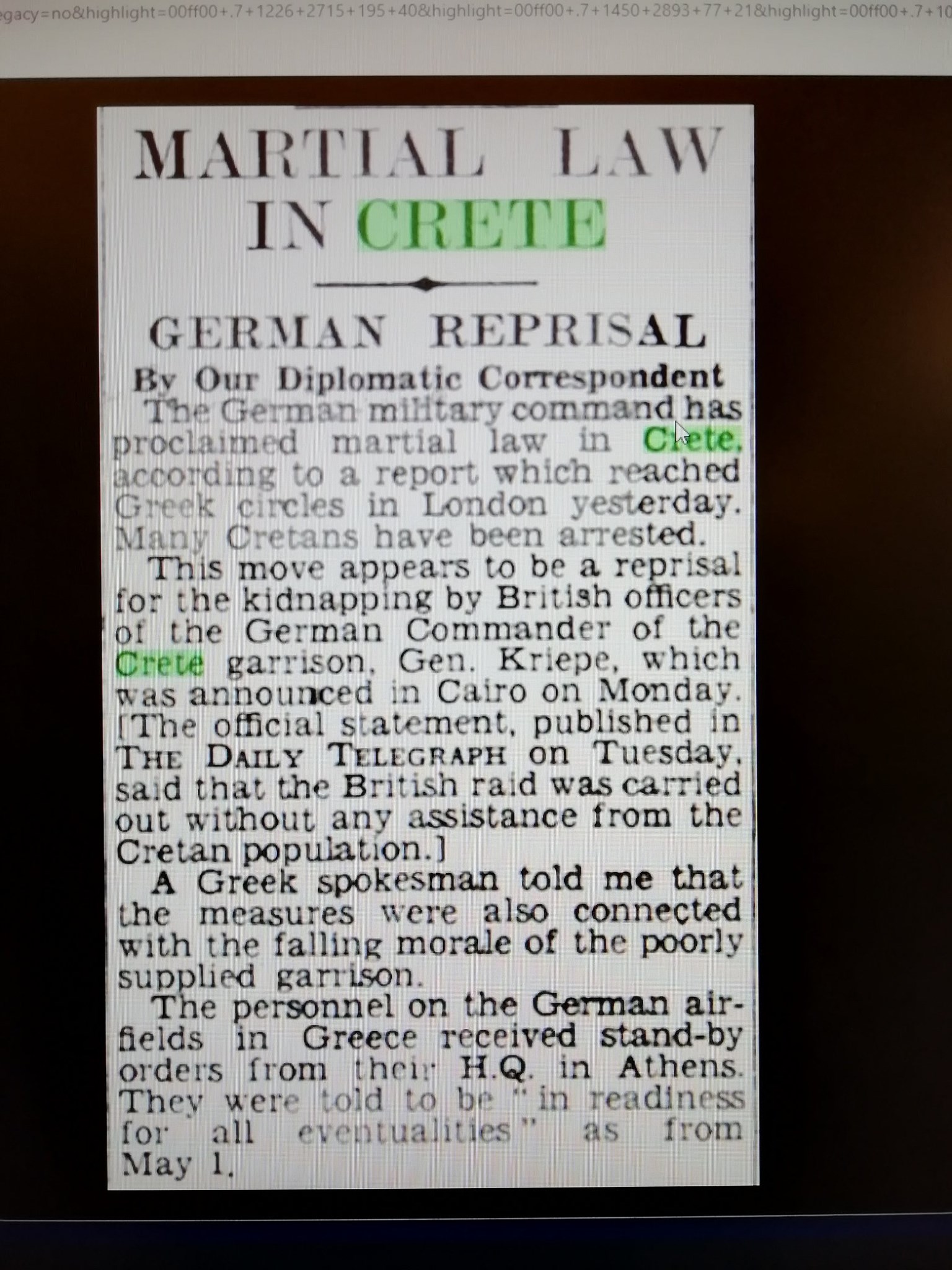
the Telegraph reports ‘martial law’ being declared on Crete

3rd May 1944

Another day spent in their hideout in the valley of Gomara. They are still stuck and have no contact with Cairo, and no idea of when, where or how they will get off the island.

But they have a plan….in the evening the party decide to separate.

Billy, Manoli Paterakis, the General and the main kidnap group will stay in Gomara.

Paddy and Giorgos Tyrakis will travel in the evening up the Amari to Fourfouras, Giorgos’ home village, in search of a working radio station.

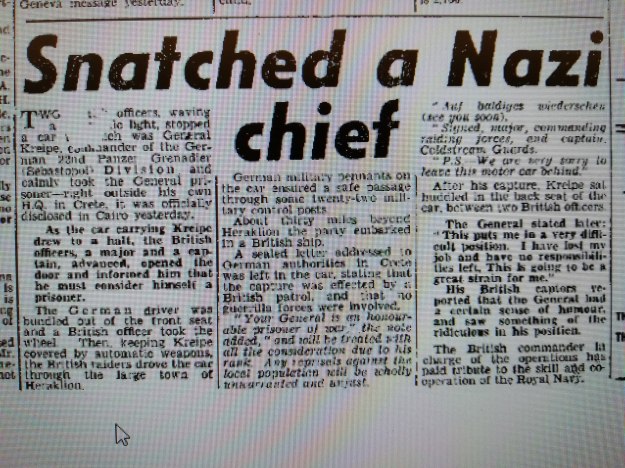
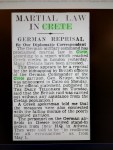
They still remain in the news in the UK – the Telegraph reports ‘martial law’ being declared on Crete.

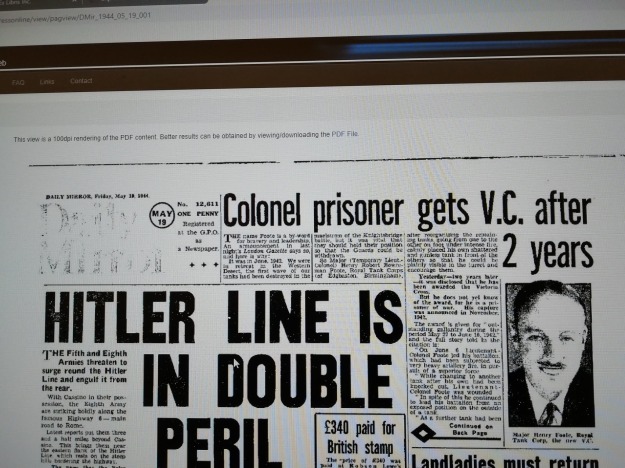
Front page news

2nd May 1944

If only they knew!

Paddy, Billy, the rest of the kidnap team and the General spend another miserable day in the ditch, fearing capture…but it is getting quieter for them, as the German patrols are now searching further up the mountain.

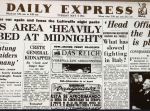
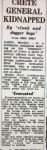
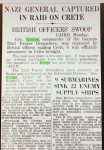
Meanwhile in the UK ….they are front page news – in the Express, Telegraph, Guardian and Times!

In the evening they decide to move a kilometre or so westward – to the valley of Gomara.

Giorgos Pharangoulitakis describes it his memoir ‘Eagles of Mt Ida’: ‘We decided to shift towards the valley of Gomara, just west of Ayia Paraskevi, a part where they had searched every inch, and where we could take up a better defence posture. It was a steep rocky place with a hole like a sort of grotto under a cliff where we could hide for the night.’

In the end they spend the night and the following day under the branches of ‘a very large pear tree …it was like an eagles nest’.

‘the General realises that our capture would prove fatal for him’

1st May 1944

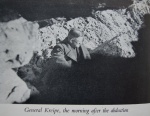
A long and dangerous day spent hiding in the ditch outside Agia Paraskevi. Probably the low point for all in the journey, and where they are most vulnerable to discovery by the German cordon – Moss records Kreipe’s realisation of his personal need for the success of the operation in order to ensure his own survival:

“I think the General realises that our capture would prove fatal for him.”

They can hear German patrols, sometimes as close as 50 metres, searching for them.

Paddy records that food is brought to them from Agia Paraskevi:

‘Antoni unpacked bread, cheese, onions, a dish of fried potatoes, some lamb and a napkin full of ‘kalitsounia!’ – crescent shaped fritters full of soft white cheese and chopped mint. Then a big bottle of mulberry raki came out and a handful of little tumblers. ‘This will warm you up,’ he said filling them: ‘White flannel vests all round.’ He splashed politely over to our guest with the first one, saying ‘stratege mou” (my General) then to the rest of us. They went down our throats like wonderful liquid flame. ‘And here,’ he said pulling out a gallon of dark amber wine, ‘red overcoats for all.’

What they don’t know is that in Cairo SOE have made a public announcement that Kreipe has been kidnapped and has already been taken off the island by submarine and is on his way to Cairo.

However they are still stuck, with no way of contacting Cairo and have no idea – as yet – of how they will get off the island.

The descent of Mt Ida

30th April 1944

The descent of Mt Ida has been exceptionally arduous in the dark so the day is spent recovering in Vorini Trypa, the large cave above Nithavris on the side of Mt. Ida.

That evening, in the rain and mist, they leave the cave and head further down the mountain into the bottom the Amari valley.

It is a difficult and very dangerous journey as the Germans are hunting for the General and are in all the villages immediately around them.

They first head west to the village of Kouroutes and then south until they stop and hide in a stream bed outside Agia Paraskevi.

Paddy records: Rain came swishing down: ‘Marvelous for the olives’, Manoli murmured. We waded through a stream and began to climb again. The rain turned to sleet. At last the village of Aya Paraskevi was only half an hour away. The Germans would have sentries out, perhaps patrols; better to stop there. We piled into a ditch mercifully overgrown with cistus, thyme and myrtle; protection from view, but not from the rain.

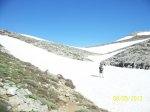
The ascent of Mount Ida in wind and snow

In the snow on top of Mount Ida

29th April 1944

The weather is deteriorating and the kidnap team need to walk over the side of Mt Ida and down into the Amari valley. It will be a long and arduous day and night.

At midday the party leave Petradolakkia and skirt the side of the Nidha plateau. They are heading for the mitato belonging to Roti, where they will rendezvous with Kapetan Petrakogiorgos and his andartes who will escort them over the side of the mountain. They climb up to the plateau of Akolyta and in rain, wind and snow they head over until they can see signal fires in the Amari telling them it is safe to descend. They shelter in the remains of a mitato before descending. After a long and arduous descent they are led to Vorini Trypa – North Hole – a large cave with tunnels and caverns heading off from the back of it. This cave has been used by the Resistance on several occasions before this visit, and is used by Dunbabin and George Psychoundakis in August 1944.

“Ach so, Herr Major.”

28th April 1944.

PLF and the kidnap team spend the day at Petrodolakkia with Xylouris and his andartes, where they take many photos. Tom Dunbabin has sent 3 members of his team from the Amari to the hideout, including Reg Everson and a wireless. The plan is to send a message to Cairo so that an evacuation date and beach can be identified, but the radio is broken. They are stuck. PLF sends off various messages, including one to Dick Barnes who has a radio station near Rethymno. The team are joined by Grigori Chnarakis, Nikos Komis and Andoni Papaleonidas, who have walked up from the kidnap point. They are meant to bring with them the General’s driver, Alfred Fenske, but he has been killed on the journey.
At Bletchley Park the codebreakers decode a German signal stating that Kreipe has been kidnapped.

PLF records the following incident:

‘A curious moment, dawn, streaming in the cave’s mouth, which framed the white crease of Mount Ida. We were all three lying smoking in silence, when the General, half to himself, slowly said:

“Vides ut alta stet nive candidum Soracte”

The opening line and a bit of one of the few odes of Horace I know by heart. I was in luck.

” … Nec jam sustineant onus” I went on
“silvae laborantes geluque
Flumina constiterint acuto”

And continued through the other stanzas to the end of the ode. After a few seconds silence, the General said: “Ach so, Herr Major.” For five minutes the war had evaporated without a trace.[i]

[i] William Stanley Moss recorded this mutual love of the Classics in ‘Ill Met by Moonlight.’

‘Paddy discovered that the General is a fair Greek scholar, and, much to the amusement of our Cretan colleagues, the two of them entertained each other by exchanging verses from Sophocles.’

PLF and George Tyrakis rendezvous with the team

27th April 1944.

PLF and George Tyrakis rendezvous with the General and the rest of the kidnap team north of Anogia. In the evening they begin the long trek up the slopes of Mt Ida to the Xylouris sheepfolds at Petrodolakkia. On the way they rest briefly in one of the many mitatos (cheese huts) in the area.

Third time lucky … the kidnap is on!

26th April 1944.

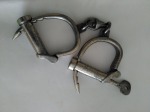
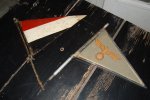
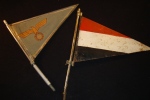
Third time lucky…..the Kreipe kidnap team leave the Zographistos farmhouse outside Skalani and walk to the kidnap spot and wait for the General to drive past. At 9 pm they stop the car and the kidnap begins. The General is handcuffed and hidden on the back seat of the car. They drive past the Villa Ariadne and through Heraklion, entering by the Agios Giorgos gate and leaving by the Chaniaporta. They drive on into the mountains, stopping at Yeni Gave, where Billy Moss, Manoli Paterakis, Stratis Saviolakis and the General leave the car, heading up a track for a hideout in a ravine north of Anogia. PLF and Georgos Tyrakis drive for a further 2 kms and dump the car at Campo Doxaro, at the start of a track leading to the Cheliana ravine and the sea. They take with them the pennants from the car and head to the village of Anogia.

Abducting a General – locations by each day

The more observant amongst you may recall that this post was actually first published way back in February. That was to keep the time sequencing of the operation that ended with the kidnap of General Kreipe intact. Between then and now Paddy had been joined by Billy Moss and detailed planning and reconnaissance was underway, including refining the actual details of the kidnap action, rehearsing timings, working on signals, the dress to be worn (the famous captured German outfits), and of course, for any operation of this type, the extraction plan. I’ve repeated the post as the introduction to the series of narratives put together by Chris White which will commence in earnest tomorrow.

Over the next few weeks I am honoured to be able to share with you some work by Chris White, co-author of Abducting a General, who has spent many weeks and months on Crete over the years tracing the precise route and locations of the kidnap. In 2020, Chris posted this series on Facebook. He has approved it being repeated on here. Stories will pop up from time to time, and will run virtually day-by-day during the time period of the kidnap. I hope that you enjoy it.

Over to Chris ….

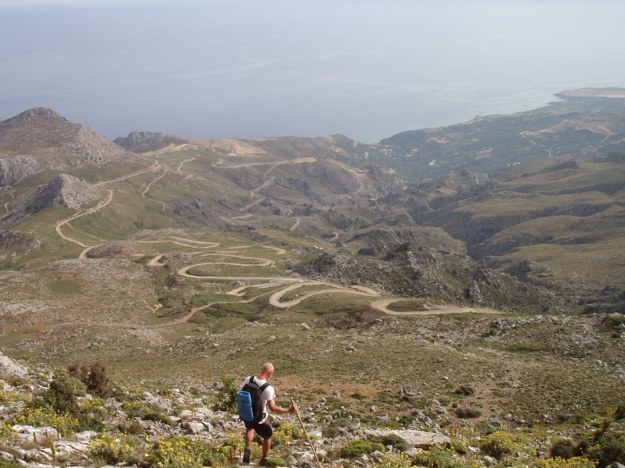
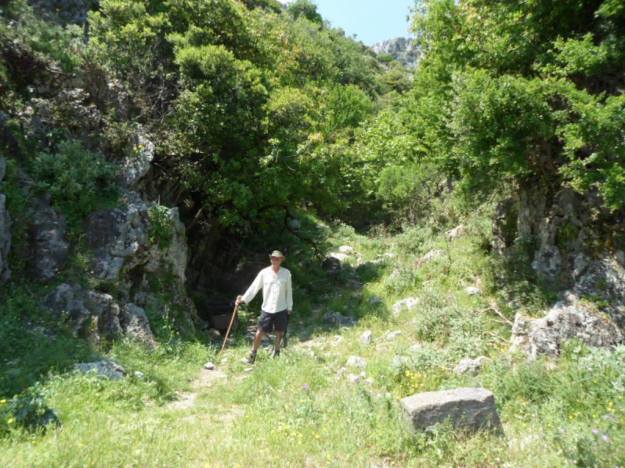
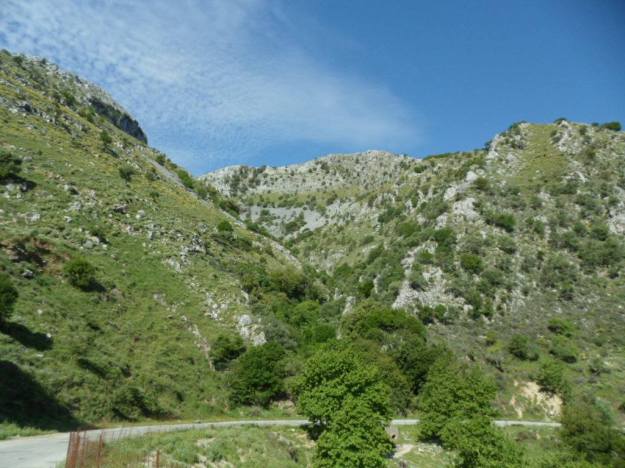
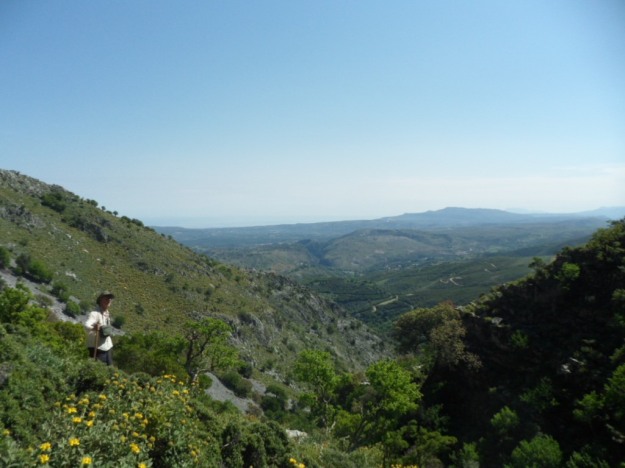
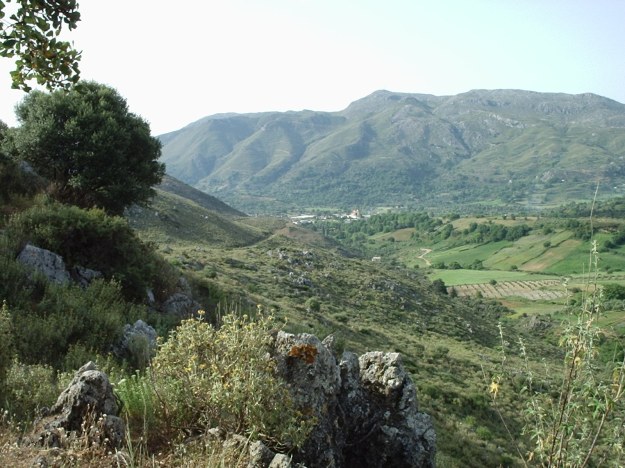
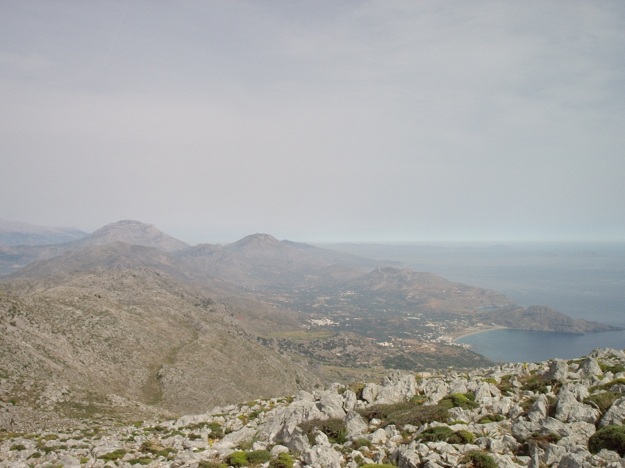
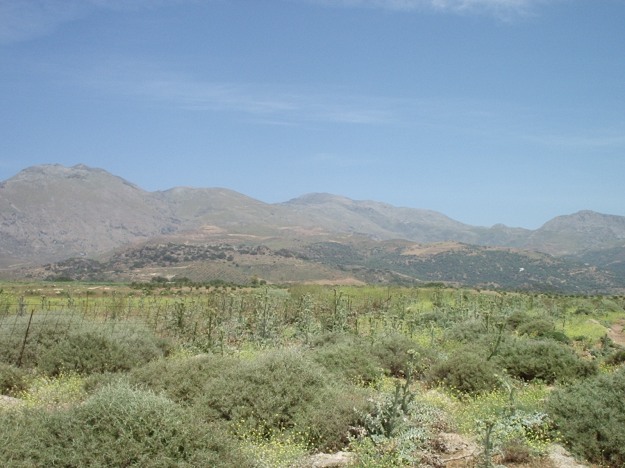
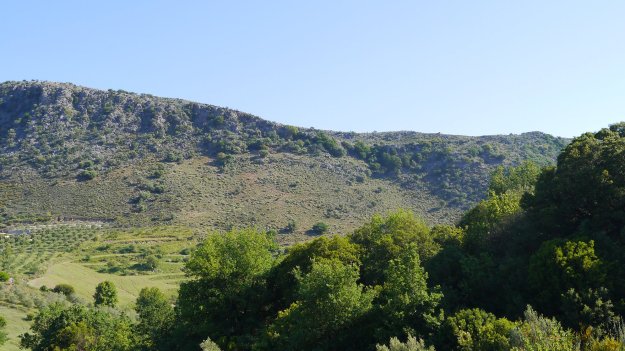
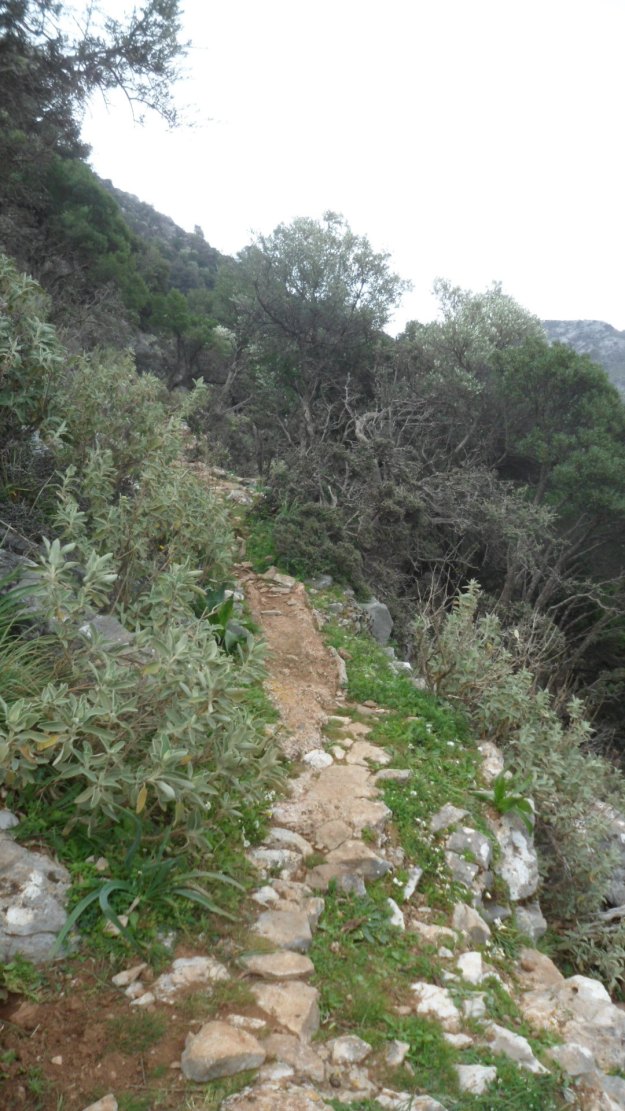
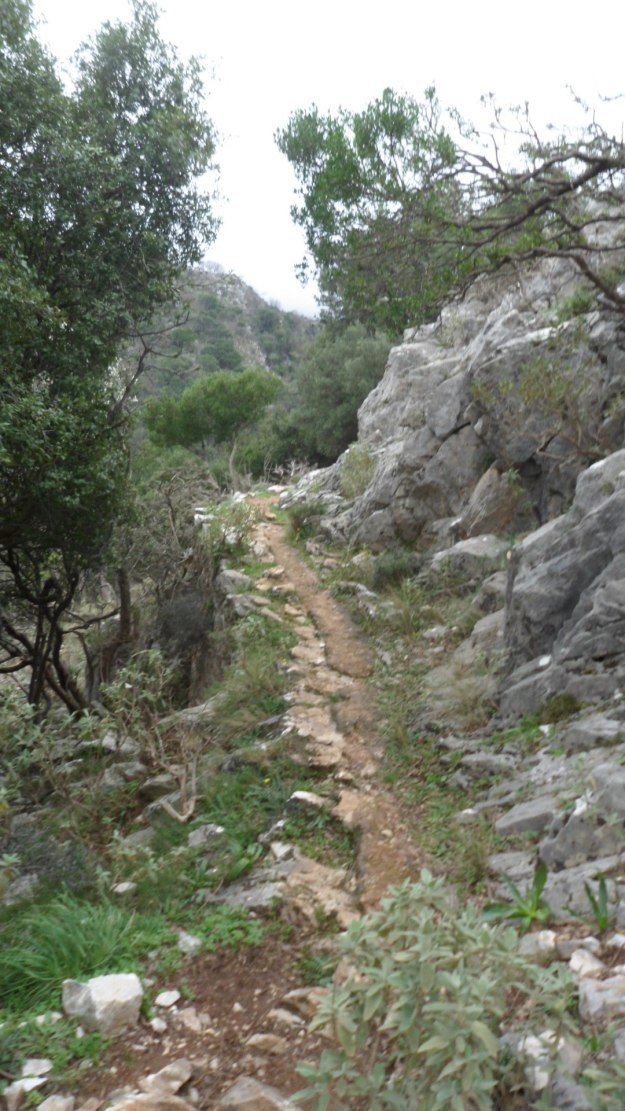
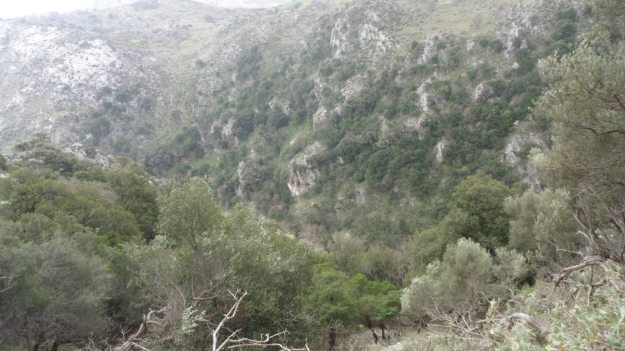
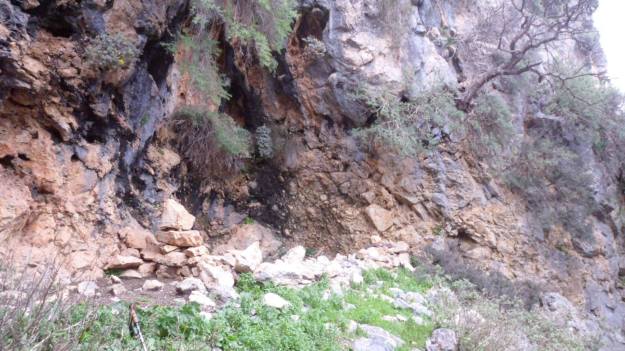
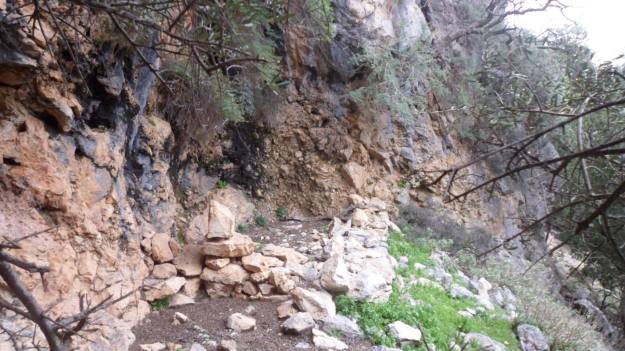
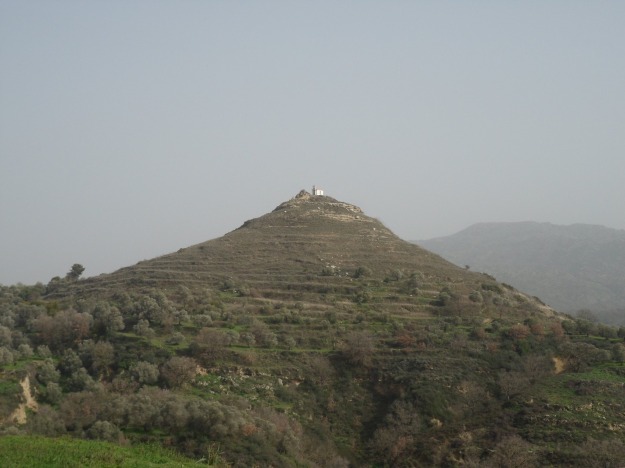
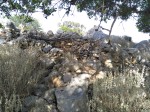
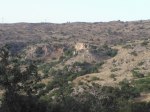
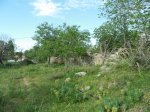
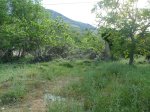
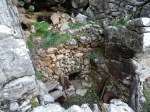
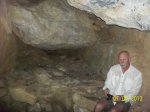
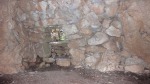
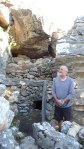
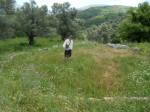
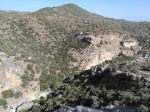
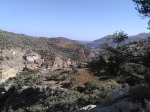
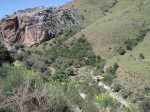
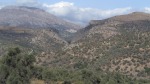
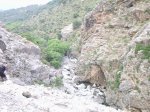
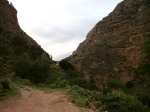
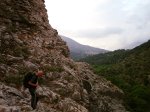
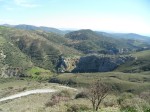
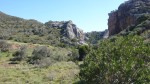
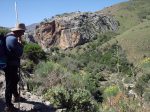
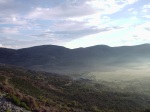
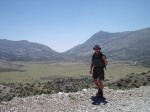
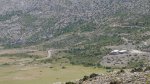
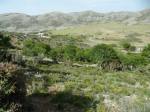
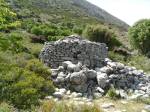
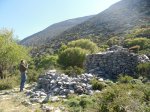
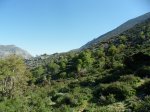
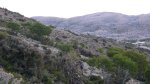
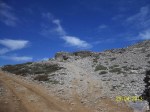
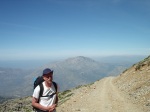
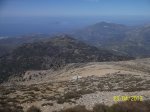
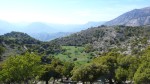
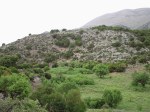
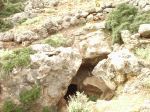
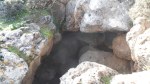
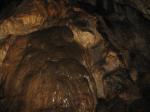
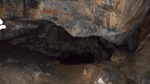
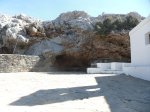
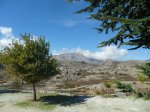
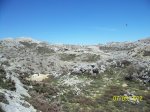
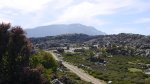
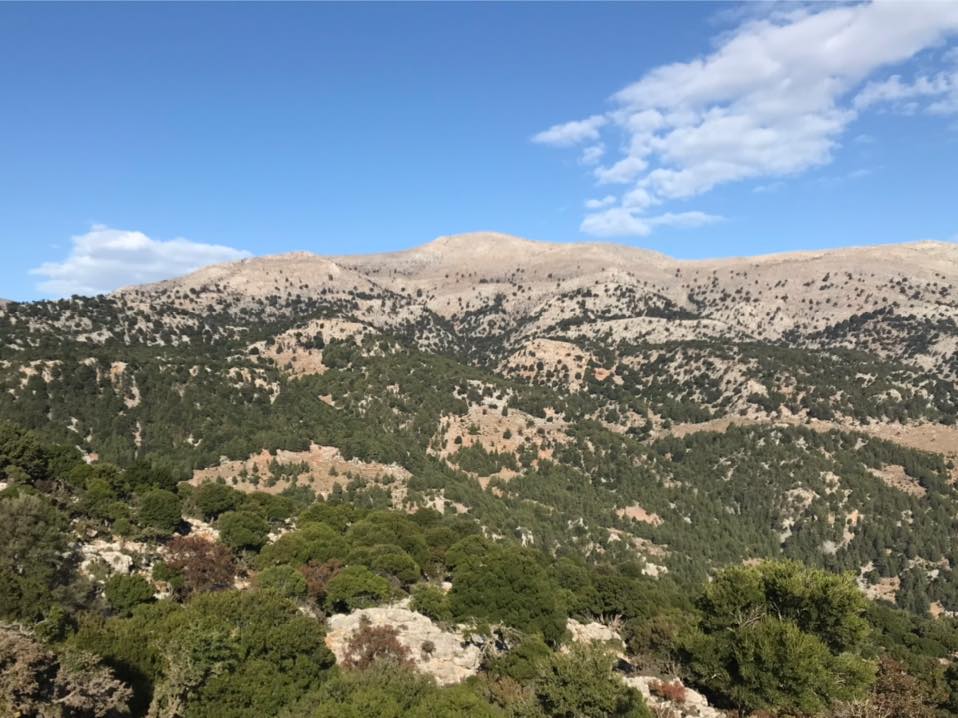
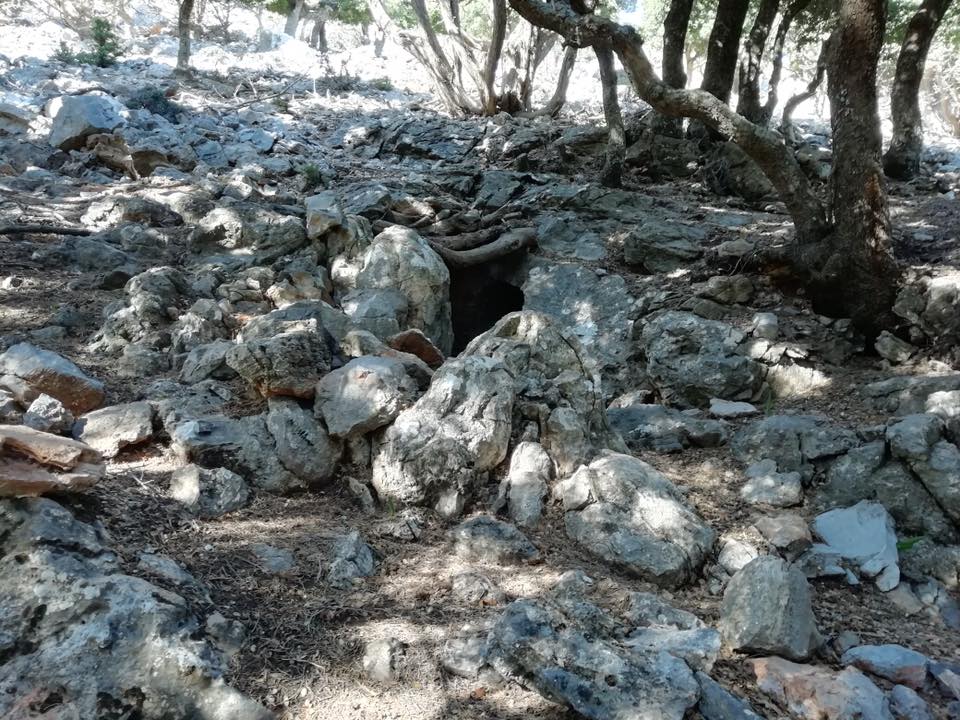
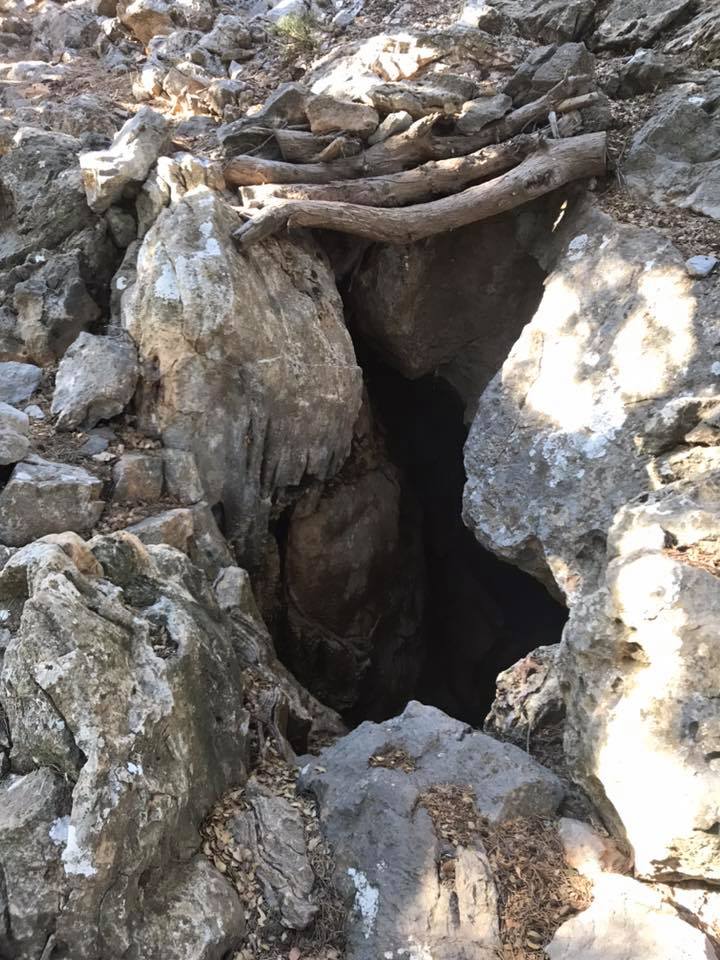
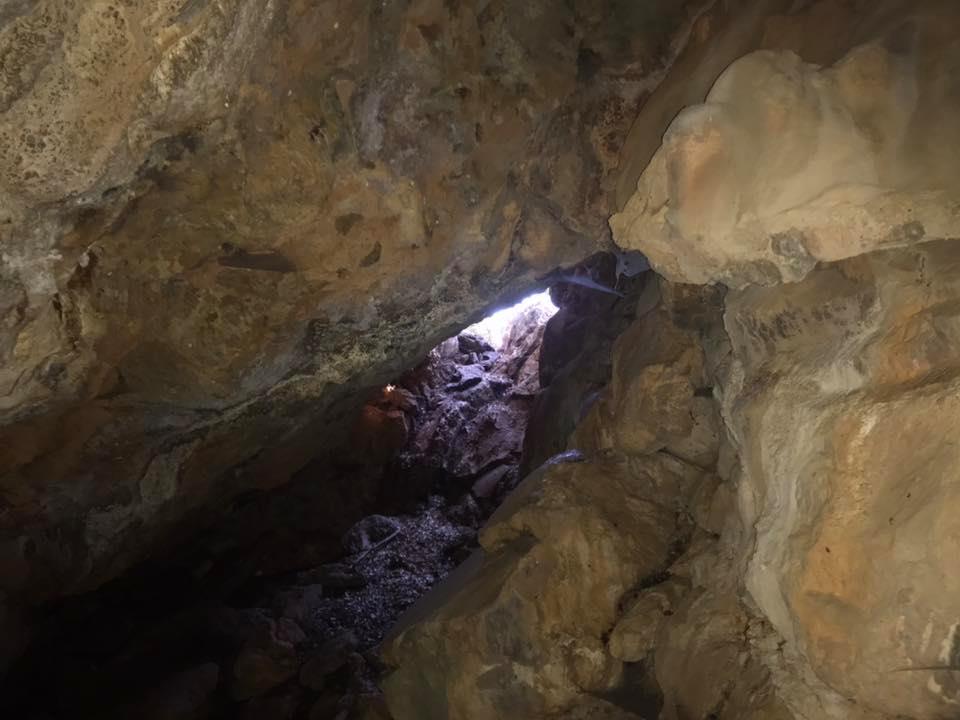
We start on February 4th 1944. Paddy parachuted on to the Katharo Plateau and was met by Sandy Rendel, whose base was in a cave a few miles away. The cave is now known as the Spiliaou ton Anglikon, the cave of the English. This week I have been exploring the area around the plateau and visited the cave…..a long stony walk through woods and ravines and along the sides of steep valleys.

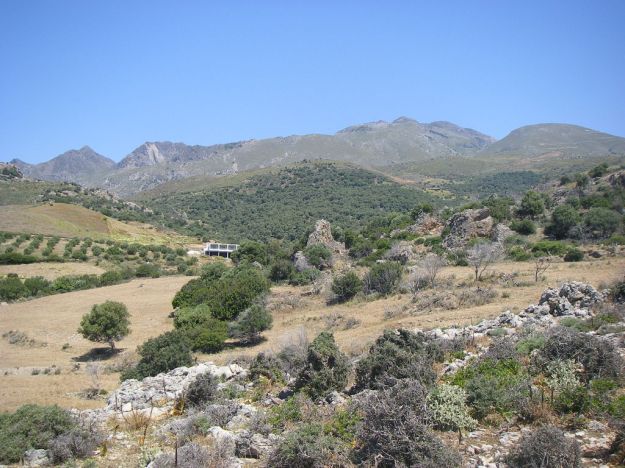
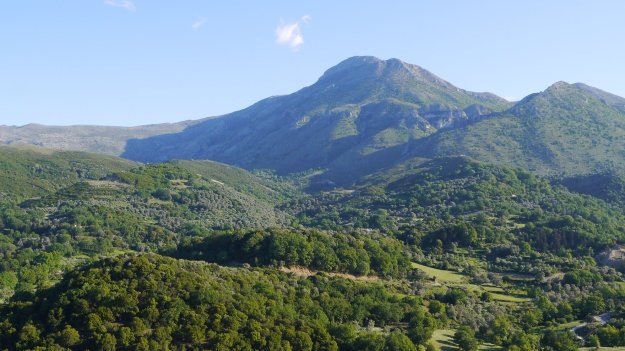
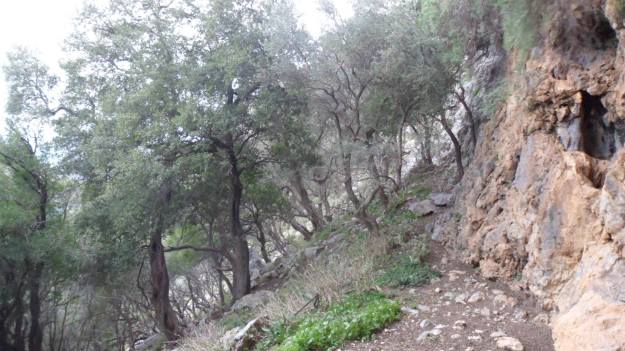
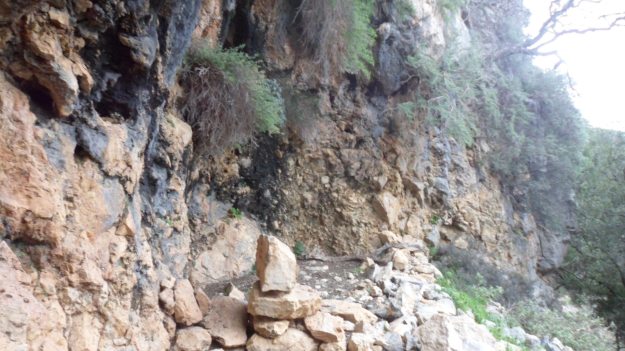
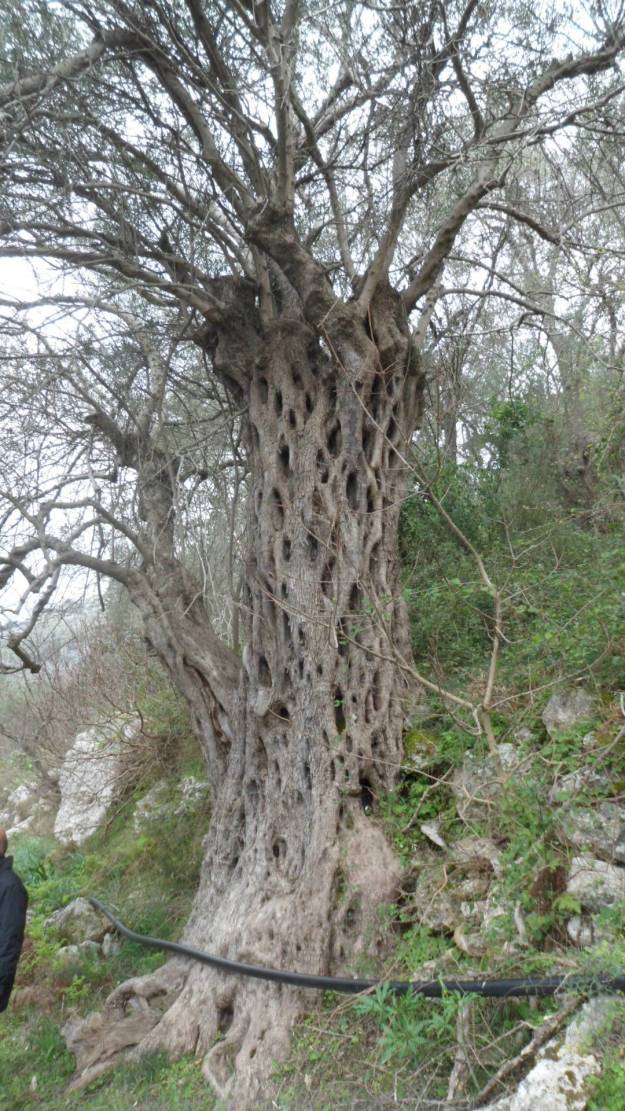
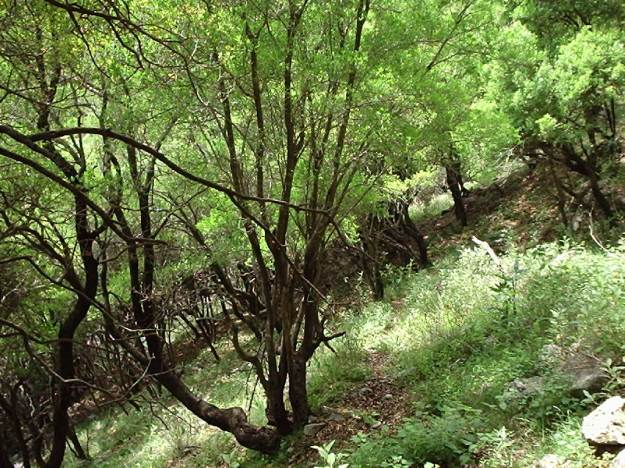
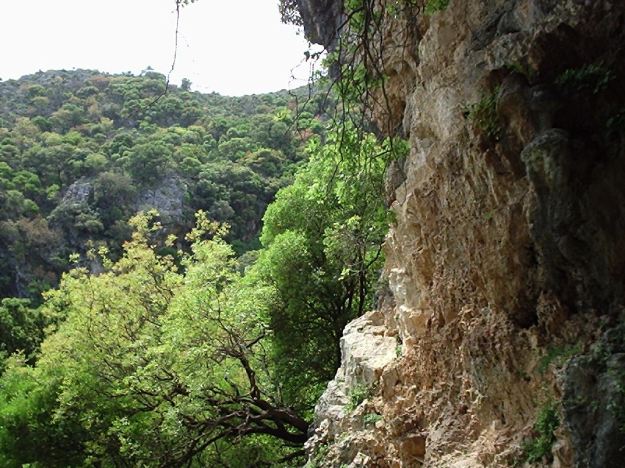
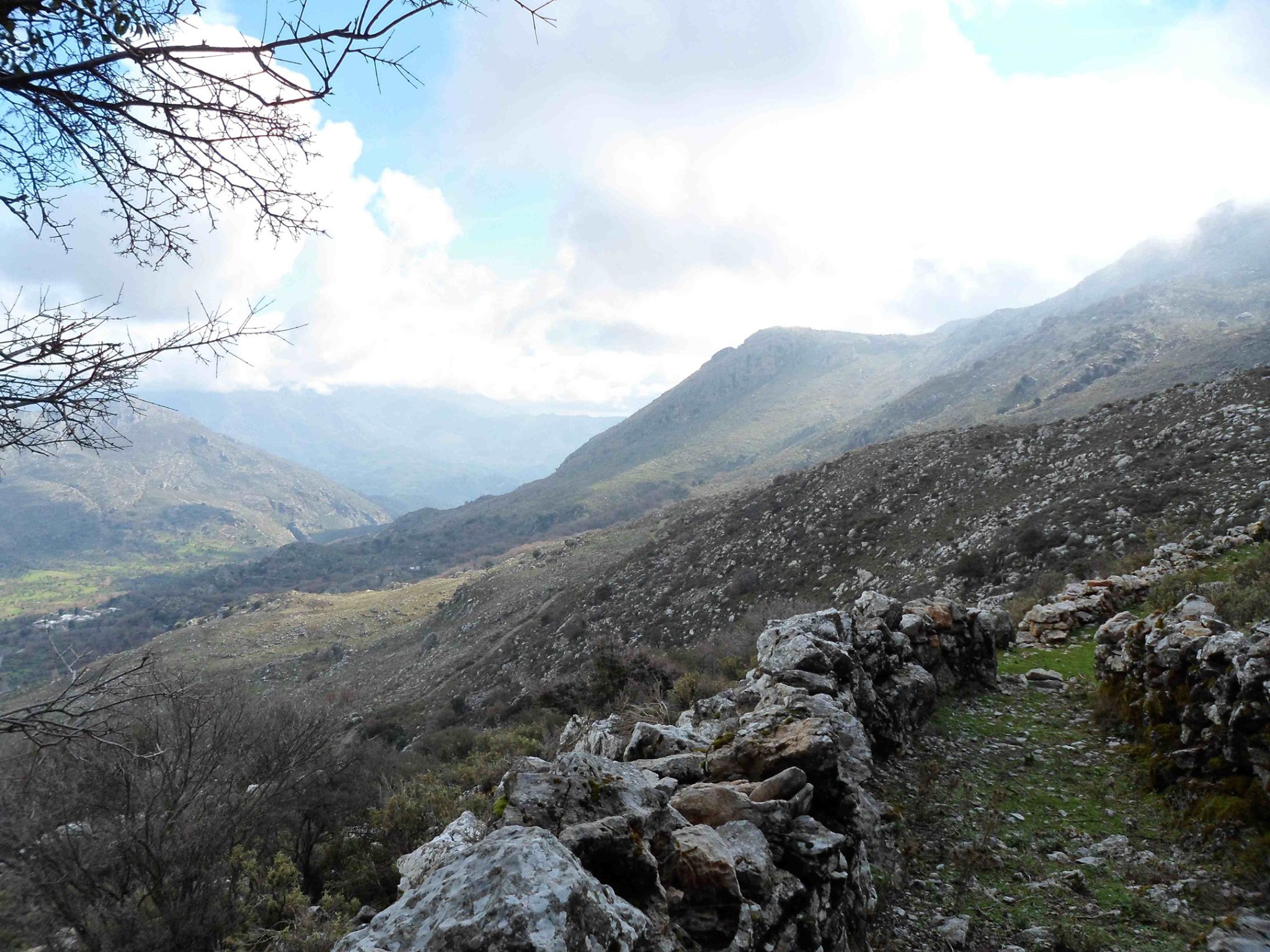
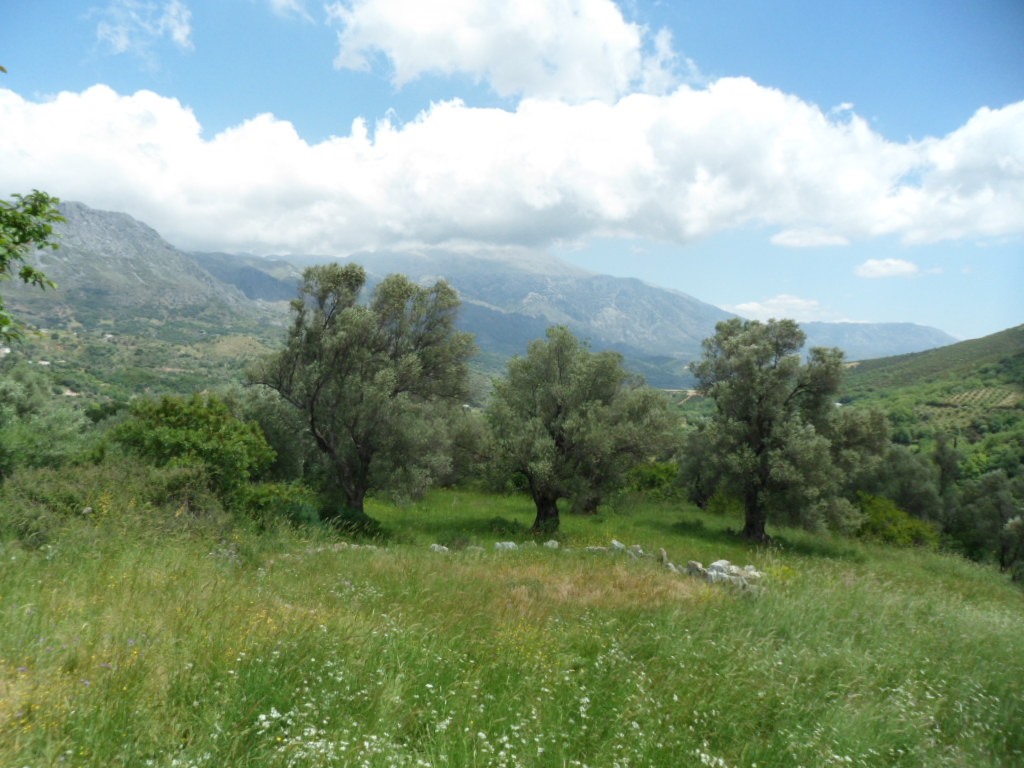
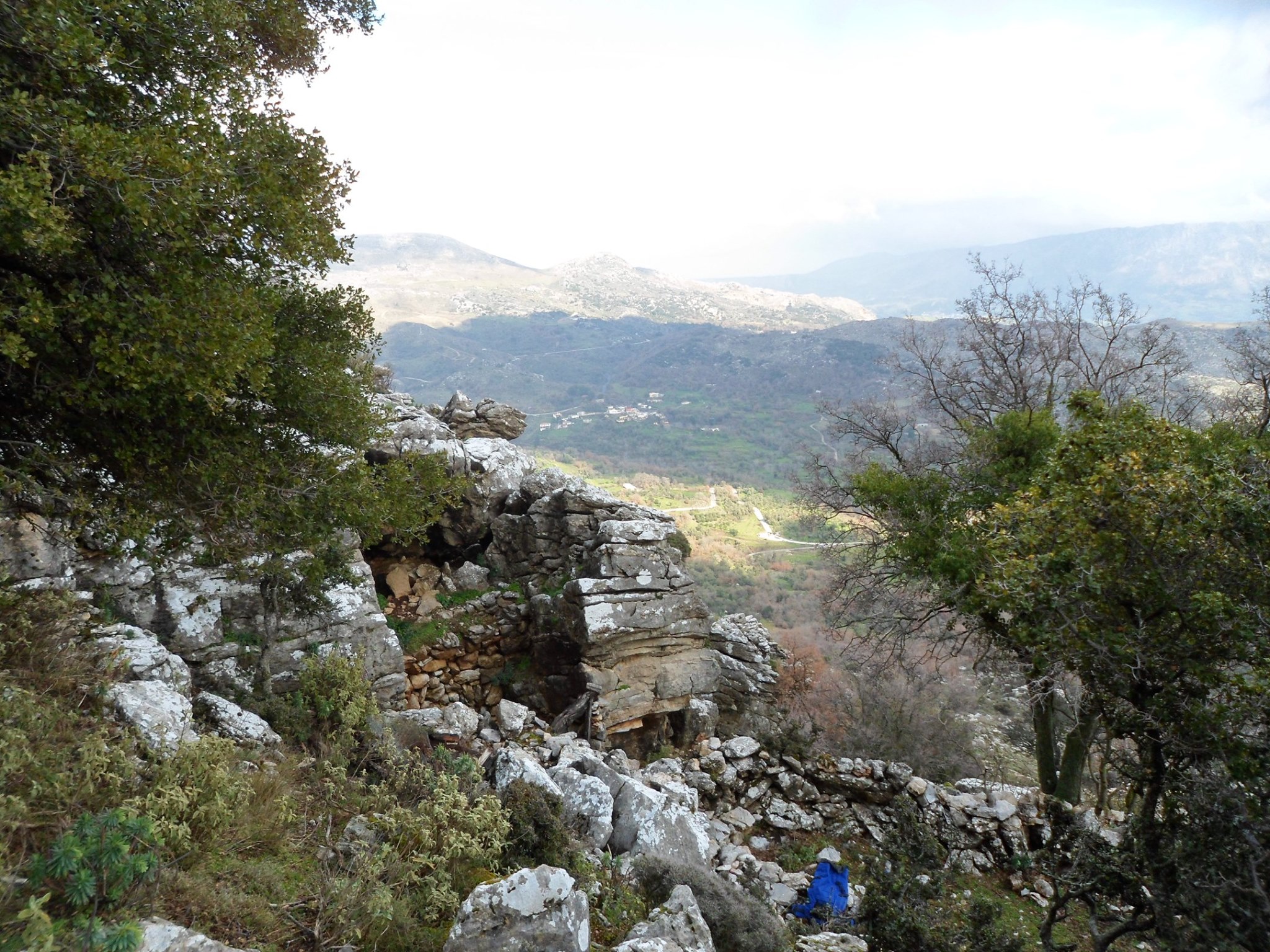
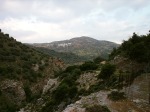
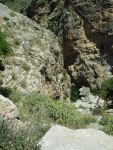
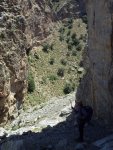
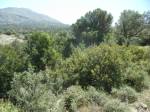
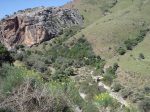
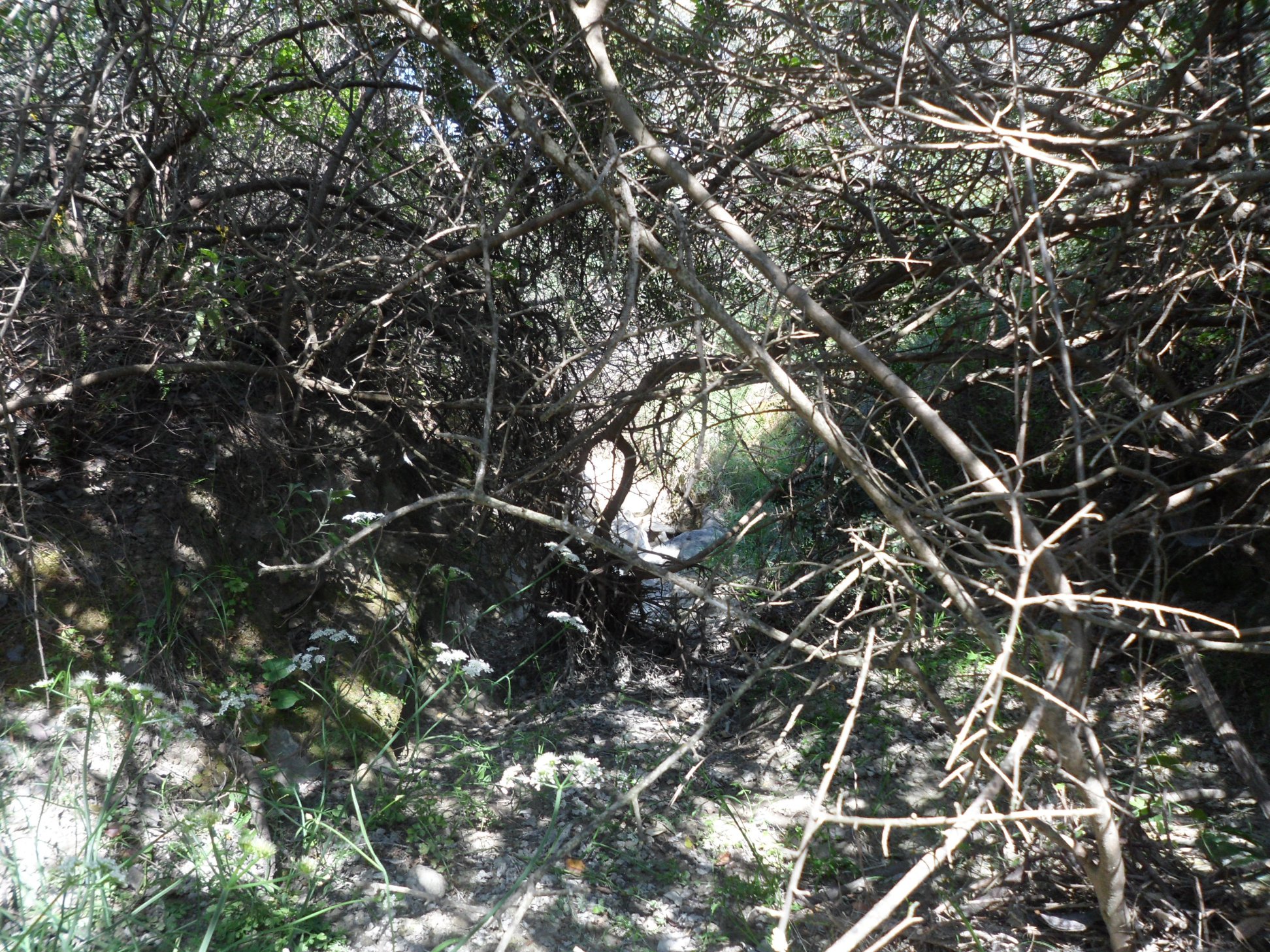
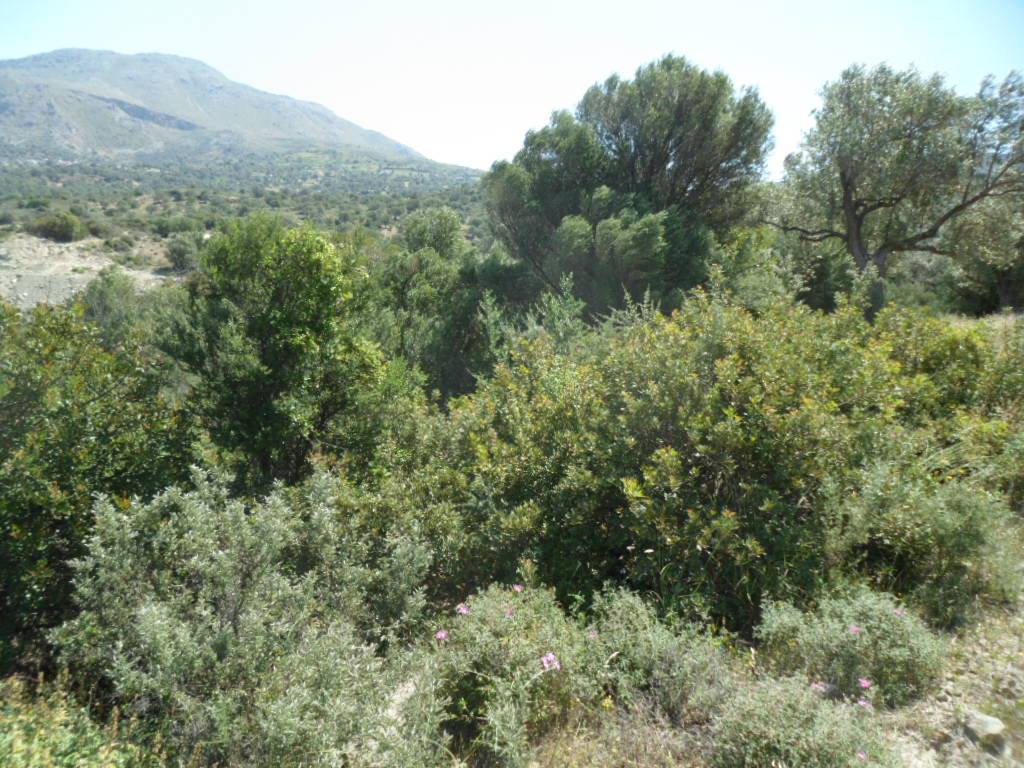
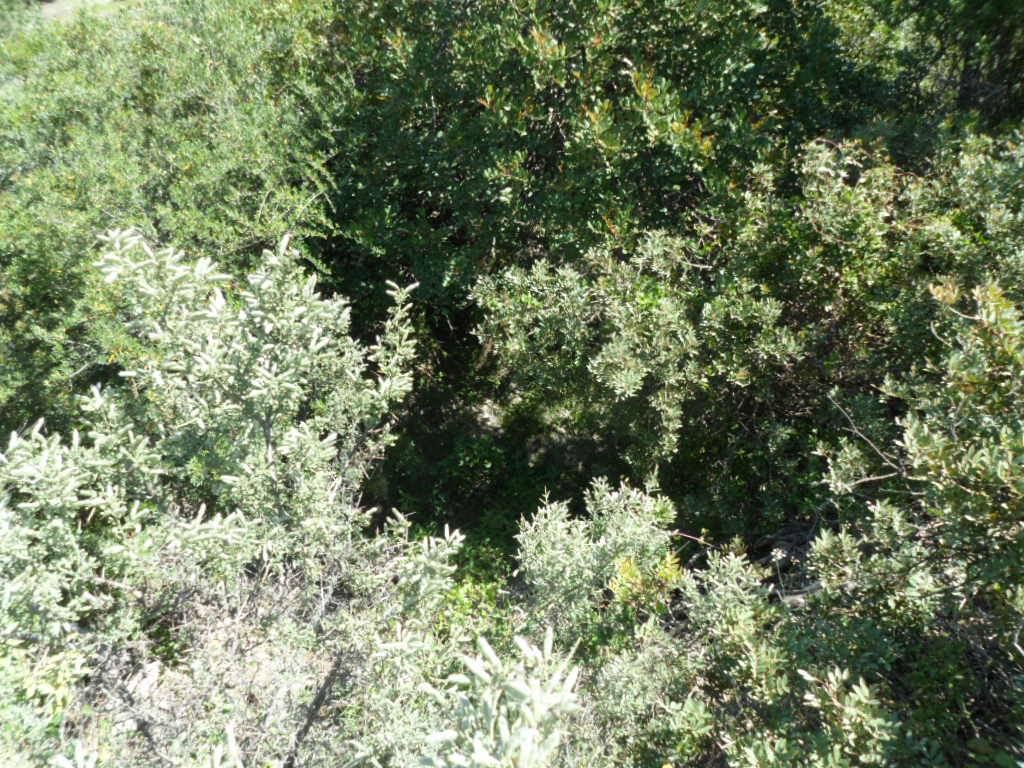
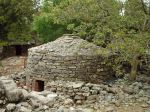
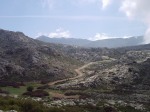
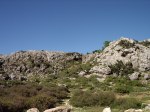
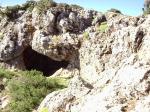
The photos: the first shows where the cave is (centre of picture) in the landscape; the next three show the cave in more detail.

Mount Pelée, the La Soufrière volcano and The Violins of Saint-Jacques

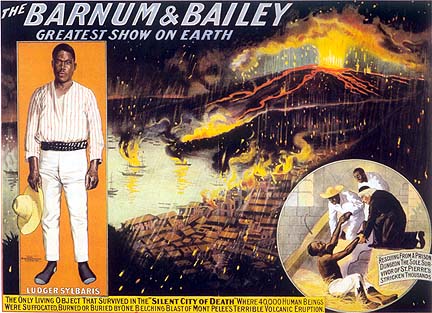
The ex-convict, Louis-Auguste Cyparis (aka Ludger Sylbaris), as billed as the last survivor of St. Pierre on this Barnum and Bailey Poster

The news this week of an eruption of the La Soufrière volcano on the Caribbean island of Saint Vincent, made me think about Paddy’s novel (and second book) The Violins of Saint-Jacques published in 1953.

Reading this BBC article I see that local media have also reported increased activity from Mount Pelée on the island of Martinique, north of St Vincent. It was the devastating 1902 eruption of this volcano that inspired Paddy’s novel, which was subsequently turned into an opera by Sir Malcolm Williamson.

You might want to catch up with blog articles about the Mt Pelée eruption, especially the short piece about the only survivor, Louis-Auguste Cyparis.

If you don’t have a copy you can buy The Violins of Saint-Jacques: A Tale of the Antilles here.

Your ideas for the marking of the 10th anniversary of Paddy’s death

Thank you all for the terrific response to suggestions to mark Paddy’s upcoming anniversary. They came in by email and comment, and I have summarised the ideas below. Please feel free to continue to submit your ideas by comment on this article or contacting me at atsawford [at] gmail .com

NOTE – THE POLLS I CREATED DO NOT WORK . SOME WORDPRESS NONSENSE. PLEASE IGNORE AND JUST ADD A COMMENT INDICATING YOUR PREFERENCE IE INTERESTED/ATTEND/ATTEND AND OFFER TO HELP. I MAY BE ABLE TO DO SOMETHING TO FIX THIS OR PROVIDE AN ALTERNATIVE BUT NOT TODAY! MY APOLOGIES. IF YOU HAVE SUBMITTED A POLL RESULT PLEASE NOW ADD A COMMENT.

PLEASE INDICATE IF YOU ARE WILLING TO ORGANISE, OR HELP TO ORGANISE, AN EVENT. I SHAN’T BE DOING ALL THIS BY MYSELF!!!

Online Conference

Chris O’Gorman suggested ” a virtual Paddy mini-conference. It is very short notice I know, but equally there are some very knowledgeable people around who might have talks that they have already written, ready to go? It would also be good if we could get some press coverage – or maybe there could be a PLF anniversary crowd fund for something Paddy would have cared about? Maybe for the Benaki, or for Greek or Cretan veterans?”.

Julie Vick echoed this idea. She wondered “if it would be possible to have a virtual conference where members could volunteer to give short talks on some aspect such as Paddy’s life and history, his writings, Greece, as well as why he is important to them.”

This is a great idea, but perhaps time is short.Having a reliable platform to use would be key. A Zoom licence for up to 100 participants is around £120 pa. If everyone made a small pro rata donation the cost per person could be kept very low; just a few pounds. The event could be recorded and hopefully accessible afterwards.

One alternative might be to encourage those who have material to make a video or audio file to upload to a selected You Tube channel. Have a think.

Please comment and show your interest by adding a comment.

A Detailed Bibliography

Stefan at Southwing Fine Books in Australia has suggested a proper, and very detailed bibliography, or as he says, a “proper” one! I’m working with Stefan to enable this.

Event in France (or anywhere else for that matter)

Nicolas Ruelle has offered to see if something can be arranged in France. Over to you but please signal interest here and I’ll pass on your email details to Nicolas.

If you wish to run an event of any kind (dinner, conference etc) please contact me and I’ll help suggest a format for you to promote it.

A lunch at Dumbleton Hall

Alun Davies has made the marvellous suggestion of a lunch the Dumbleton Hall hotel. I recall going there after Paddy’s funeral (16th June) and it would be a marvellous, and obviously appropriate, venue. Current UK Coronavirus restrictions to end “all social distancing” may come into effect on 21st of June so a proper lunch may be possible after that.

If you are interested in a lunch, or dinner at the hotel during the period 23rd to 26th June please add a comment.

Contribute anything!

James Down wrote to me with this “

I’m not sure it would be of interest, but just after I graduated, in fear of never having the chance again, I did a trip in 2014, starting at Paddy’s House, then hitchhiking up through the Balkans to Croatia, catching a boat across to Italy, then walking all the way back home, to Sussex on my own. The thing I thought may appeal or be relevant to the anniversary is that I have some pictures of Paddy’s house as it was before anything was updated as part of the Benaki project. I also fell asleep there, to escape the heat, inside the arched entrance way and had an amusing encounter with a very shocked Elpida.

I’d be happy to contribute them, captions, or an explanation as a stand-alone item, or perhaps as a part of wider mosaic of your reader’s personal interactions or memories with Paddy and his wider orbit.

I love the idea of doing something in fear of never having the chance again,. Perhaps that should be the theme? Paddy in a sense did that. It does not have to be Paddy related, just something that is important to you that you would like to share? I can post it anonymously for you of you wish.

I’ll be asking James to get his stuff together and make his contribution! It would be great if any of you felt you would like to contribute something (you know we have a very wide editorial brief so come on 🙂 )and I will make a very special, extra effort to get it out there in your name on the blog in a timely fashion! Best to send to atsawford [at] gmail .com

A Greek themed dinner in London.

Like Alun’s suggestion above, Dr Chris Joyce has suggested an event involving refreshment. Possiibly a “Greek Themed” dinner somewhere in London with the sort of food, and most importantly, the drinks that Paddy liked. If you are interested please add a comment.

Marking the tenth anniversary of Paddy’s death

This coming June it will be ten years since Paddy’s death. I feel it is appropriate that we should somehow mark this anniversary in one or more ways.

I have a few related items which I may be able to post, but I would like to ask you, loyal readers, for any ideas that you may have or anything that you wish to share.

Let’s open the floor to anyone, any idea, and anything, and let June be a blitz of Paddy related memories and material.

Send me your ideas via the comment facility here, or email me as found in About & Contacts. Whilst we are on that subject, I have recently discovered that BT Internet appears to block emails originating from Gmail accounts. There is nothing I can do about this. So if you have mailed me and I have not replied it may be that I never received the email. You can also send me email via atsawford [@] gmail.com  and that should get through.

Paddy’s Great Walk: A great author, adventurer remembered in print

A recent artilce about Paddy to add to our blog collection.

By Alan Littell
First published in Olean Times Herald Dec 12, 2020

I met him only once.

It was 21 years ago, in Athens, Greece, on the occasion of a speech he gave growing out of his wartime exploits as a British special agent serving with Greek resistance fighters in German-occupied Crete.

At the time of the talk he was a world-famous author, traveler, and cultural and historical polymath. And what should have been, for me, the pleasure of a long-anticipated conversation about his singular brand of literary magic turned instead to dismay and embarrassment on my part and obvious anger on his over a question I had put to him.

His name was Patrick Leigh Fermor. According to the people closest to him, the failure of the late war hero and travel writer known familiarly as Paddy to complete the third and final memoir of his extraordinary mid-1930s walk across Europe was for decades a gnawing source of pessimism and wounded pride.

The author had set out as an 18-year-old schoolboy to make the journey — from the Dutch coast to Turkey — but it was not until some 40 years later that the memoirs would begin to appear. “A Time of Gifts” was published in 1977 and “Between the Woods and the Water” in 1986. They won immediate acclaim. The New York Review of Books, for example, praised the works as incomparably “vivid, absorbing, and beautifully written.”

On the night I met him, Leigh Fermor, a brilliant prose stylist yet notoriously slow writer, was widely rumored to be struggling to finish the third volume of the trilogy.

As we chatted over drinks at the end of his talk, I asked how he was getting on with it. His response was immediate and explosive.

“Oh, don’t ask me that!” And he turned on his heel and stalked off.

I was aghast not so much at his reaction to what I had said as at my inexcusable want of tact. I had caused pain to this remarkable man.

We know now that the writing Paddy had done on volume three had not even come close to achieving a publishable manuscript. For as hard as he had tried — and as old age, debility and a crippling case of writer’s block held him in their grip — the task confounded him.

Two books tell the story of Patrick Leigh Fermor and of the last leg of that celebrated trek — what commentators invariably refer to as Paddy’s Great Walk but which he himself offhandedly dismissed as The Great Trudge.

The first is Artemis Cooper’s handsomely crafted biography, “Patrick Leigh Fermor,” published in Britain in 2012 and a year later in the U.S. In it, Cooper relates the life of a trim, square-shouldered, curly-haired adventurer of enormous charm and courage.

She had known Paddy for most of her life. She admired him as an author whose books on travel — particularly his works celebrating an enduring love affair with Greek culture, language and landscape — were triumphs of 20th century literature and scholarship. But at no time does she let her personal friendship and affection for Paddy blunt a balanced portrait of a sometimes moody, sometimes depressive, sometimes bumptious character addicted to women, alcohol, endless talk and round-the-clock partying.

“He had always resented going to bed,” writes Cooper “[He] revelled in the smoky world of tarts and nightclubs, all-night cafés, seedy bars and chance encounters.”

Paddy was also afflicted by an almost pathological need for distant travel. As Cooper makes clear, he was essentially rootless. He wrote his books in getaways that ranged from Greek islands and French monasteries to a clutch of English country hotels and private estates. In late middle age he built the only home he would ever possess, in a shaded olive grove overlooking the sea in his beloved Greece.

The second of the two recent works is the one that Paddy on his own was unable to finish. Assembled and published posthumously from existing manuscripts and diaries by biographer Cooper and the travel writer Colin Thubron, it tracks the conclusion, in 1934, of his European ramble. The book appeared in 2014. Its title is “The Broken Road.”

While lacking some of the youthful exuberance of Paddy’s first two memoirs, the final volume is told in the author’s distinctive voice. He continues his trek as the traveler and observer we have come to know — historian of art and architecture, geographer, antiquarian, ethnologist, speaker of Balkan languages, scholar of classical literature. Above all, he continues as a peerless story teller.

“‘The Broken Road’ may not precisely be the ‘third volume’ that so tormented him,” note his literary executors, “but it contains at least the shape and scent of the promised book.”

Still, of all Paddy’s writing, it is a much earlier work, “Mani,” that strikes me as his most personal and idiosyncratic. A dazzling account of a season of travel in a remote corner of southern Greece, it wonderfully captures the spirit of place: a bare, desolate upland terrain peopled by a breed of dark-visaged relics of ancient Sparta.

The book also traces Paddy’s lifelong quest for order and tranquility in a career of frenetic wandering. Order and tranquility, however, are oxymorons. They are attributes he rarely attained. In a revealing passage of longing for an irrecoverable past, he takes the reader with him on a Zen-like jaunt among the “smashed and scattered masonry” of antiquity.

“A spell of peace lives in the ruins of ancient Greek temples,” he tells us.

“As the traveller leans back among the fallen capitals and allows the hours to pass, it empties the mind of troubling thoughts and anxieties. …

“Nearly all that has happened fades to a limbo of shadows and insignificance and is painlessly replaced by an intimation of …simplicity and calm which unties all knots and solves all riddles and seems to murmur a benevolent … suggestion that the whole of life, if it were to unfold without hindrance or compulsion or search for alien solutions, might be limitlessly happy.”

Alan Littell is a longtime contributor to the Times Herald. He lives in Alfred. Note: All of the books mentioned in this piece as well as others by Patrick Leigh Fermor are still in print. They are available in larger bookstores and on Amazon.

Breaking lockdown – let’s dash to the Red Ox in Heidelberg!

The author Carol McGrath in the Red Ox in Heldelberg

The author Carol McGrath in the Red Ox in Heldelberg

I don’t know if the Roter Ochsen is actually open or not at the moment, but when author Carol McGrath sent me a link to her blog post from early 2020, before all this crap descended on us, I just had to dream of a return visit to the Red Ox. I thought that you might like to run away there too and have virtual Pfälzer Bauernbratwürste and ein großes Bier vom Fass. 

Paddy Leigh Fermor in Heidelberg by Carol McGrath.

I have always admired the writing of Paddy Leigh Fermor. He lived in Kalamitsi a short distance from the village in the Mani where I base myself during the summer. I never did get to meet him but have twice visited the villa he designed himself and part constructed with the assistance of a Greek friend who was a local builder.

My first visit was shortly after his death while it still held the manifest redolence of his long intrepid life, personal photos, military memorabilia and the eclectic artwork he collected during his lifetime. The second visit was last Autumn after necessary renovations had been carried out by The Benaki Museum with the support of the Stavros Niarchos Foundation. Inevitably this resulted somewhat in the loss of the aura of the man that previously had seemed to have been inured into the very fabric of the building.

It is still a magnificent memorial to a great Hellenophile, a British War Hero and a writer of unique talent. My introduction to his writing was in the early Eighties when I read his breakthrough book A Time of Gifts which to quote the back of my 1978 Penguin edition – “Like a tramp, a pilgrim, or a wandering scholar, an eighteen year old boy set out, one wet December day in 1933, to walk to Constantinople”

A few years ago, not on foot, obviously, I retraced his visit to Heidelberg and the Red Ox Inn which today looks remarkably similar to his description of it dating back as it does to 1933. This Blog records in pictures that visit combined with Paddy’s original prose. Enjoy.

On the far side of the bridge I abandoned the Rhine for its tributary and after a few miles along the Neckar the steep lights of Heidelberg assembled.

It was dark by the time I climbed the main street and soon softly-lit panes of coloured glass, under the hanging sign of a Red Ox, were beckoning me indoors.

With freezing cheeks and hair caked with snow, I clumped into an entrancing haven of oak beams and carving and alcoves and changing floor levels. A jungle of impedimenta encrusted the interior – mugs and bottles and glasses and antlers- the innocent accumulation of years , not stage props of forced conviviality – and the whole place glowed with a universal patina. It was more like a room in a castle and, except for a cat asleep in front of the stove, quite empty.

Continue reading here

A paean to Paddy for his birthday

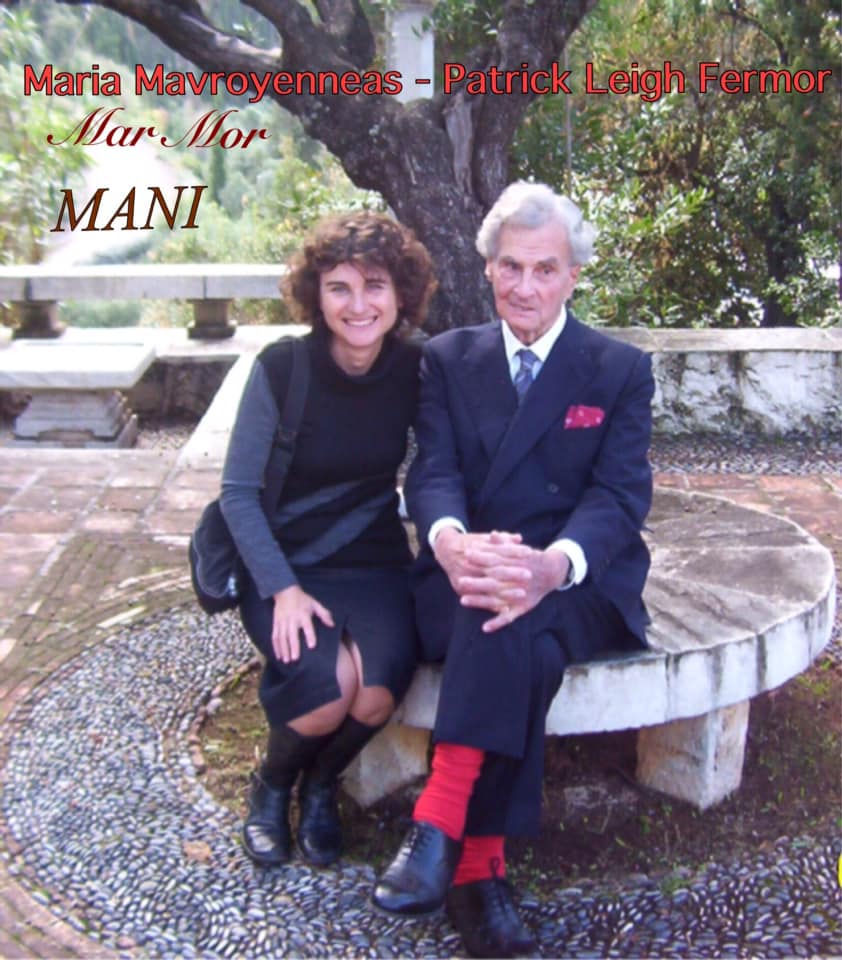
This short paean to Paddy was written in both English and Greek by the writer Maria Mavroyenneas on her Facebook page and shared to a Paddy Facebook group. It celebrates Paddy and marks his birthday on 11 February 1915.

The wonderful British author and last great philhellene, was born on this day in 1915. He lived in #MANI and we all knew him simply as “kir Michalis”, Mr. Michalis. I idolised him as a child but, over the last twenty something years of his life, my husband and I became firm friends with “kir Michalis” and his wife, Joan; or “kiria Joanna” to all us locals.

After being knighted on his 90th. birthday, he called us. His usual British reserve slipped as his pride and pleasure shone through. He was, in every sense of the word, a gentleman and we, too, were all pleased for him; not to mention proud. Other than his foreign circle of friends and dignitaries, he mixed with us local people, showing his love and concern for his fellow villagers. Sir Patrick and Joan Leigh Fermor were beloved members of the community. I have so many happy memories of them both.

It is difficult to find the words to describe the man, a living legend with all the attributes of children’s fairy tales. His enjoyment of life was unique, his passion, his thirst for action and adventure; right to the end. Speaking in excellent Greek, showing the great depth of his knowledge of Greek idiom, as he got older, he would say to us,

“I have eaten the bread allocated to me,” before adding with a rueful smile, “and some bread allocated for others!”

It was as if he did not age, did not tire of life; his hunger for life was so strong that it could have spanned ten lifetimes, a thousand years. The slightest thing inspired his curiosity, his enthusiasm and he enjoyed sharing it with others. I struggle to describe him; an incurable romantic, a dreamer, an intellectual brimming over with feelings and ideas but, also, possessed of a childish innocence. Ever the heart and soul of a party, he would steal the show with his humour, laughter and songs. He would, however, disguise his own sadness so as not to dampen others’ spirits when, one after another, people he loved departed; friends, comrades-in-arms, his beloved wife.

He was a wanderer of the intellect and of dreams, who could never get his fill of knowledge or reflection. Always on the go, a perfectionist, on occasion stubborn. In the middle of a conversation he would jump up and fetch one his many books, all well read by the way, to reinforce an argument or emphasise a point. Talking to him could, sometimes, be like an interrogation, “what do you think of …. what about ……. what is your opinion of ……… ?” His attention would always be fixed on the answer, as if the speaker were imparting some fascinating insight. Just like in his great youthful voyage, he listened to ordinary people, touched their lives, was not afraid of adventure, to get involved. Later in life, assisted by his wonderful soul-mate, he started to write, drawing on his incomparable wealth of words, places and experiences. He made his home in Mani, then still hidden away and undiscovered, far from his merrymaking friends in Crete where, at the sound of one of their mantinadas, he would abandon his pencil and paper to set off to eat, carouse and drink “white bottoms” (“down in one”) with them.

His daily life was simple and uncomplicated. Never one to cause offence, he showed great respect for local customs and traditions. A friendly greeting was always on offer. He never said a bad word about anyone. Without being directly asked, he never spoke of himself. “I” was not his favoured pronoun, wherever possible it would be replaced by “we”. Honour and friendship were, I think, his two favourite words. To him friendship was to the death, which he proved by his deeds. He was a complete, wonderful human being.

On our last visit, we found him writing. The chance to break off for a friendly chat made him happy. He tried to sing an old Greek folk song but his vocal chords, affected by illness, struggled. We knew it was time to go. After all, he should not even have been talking. Our last conversation was by telephone as he lay in a hospital bed, accompanied by his friend and housekeeper, Elpida, able only to listen, not to reply. We were all emotional as we told him that everyone in the village asked after him, sending their love and best wishes. When would he be back?

One of the most moving memories we all share in the village is of kir Michalis standing at attention in the village square and singing proudly, along with the rest of us, the Greek National Anthem. To him it was a duty and an honour to attend our National Festival Days. His example showed us the way. On the 25th. March, 2011, he made his last visit. He left us shortly after, on the 10th. June at the age of 96.

He was handsome like any true man of spirit should be, an authentic intellectual who inspired us all.

The Canyon’s Echo, my e-novel, is devoted to Sir Patrick & Joan Leigh Fermor for their kind support and guidance.
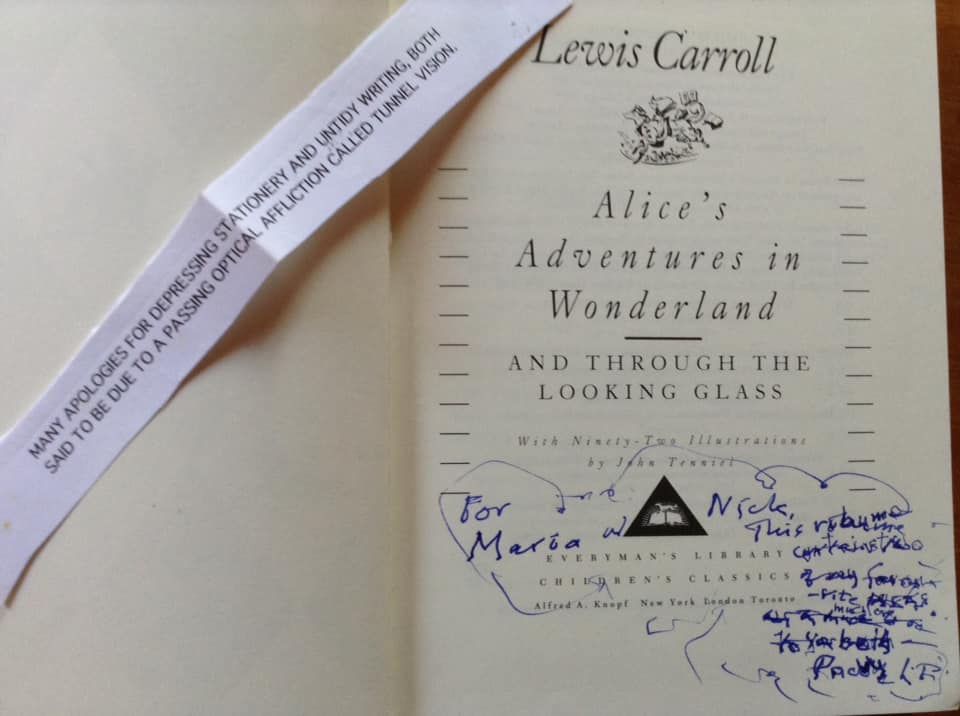
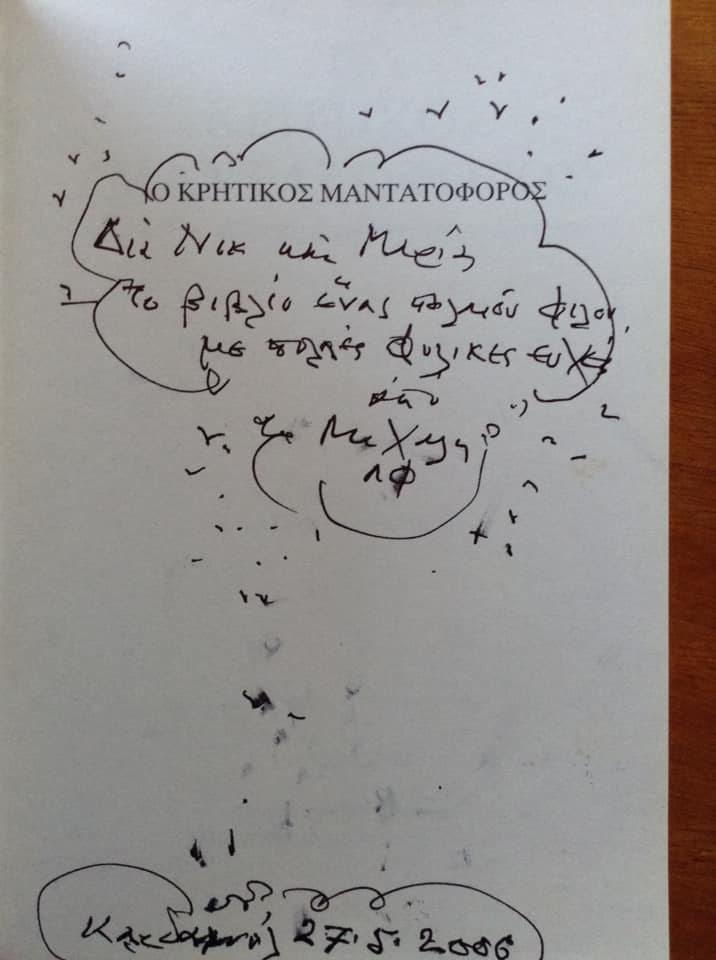
Σαν σήμερα γεννήθηκε ο σπουδαίος Βρετανός συγγραφέας κι ο τελευταίος μεγάλος φιλέλληνας ΣΕΡ Πάτρικ Λη Φέρμορ ή απλά κυρ Μιχάλης (11 Φεβρουαρίου 1915 -10 Ιουνίου 2011), ο οποίος, έζησε στη Μάνη. Τον θαύμαζα απίστευτα από παιδί, αλλά τα τελευταία είκοσι και πλέον χρόνια, εγώ κι ο άντρας μου υπήρξαμε πολύ στενοί φίλοι του ίδιου και της γυναίκας του, Τζόαν ή κυρίας Ιωάννας. Όταν στα 90α του γενέθλια χρίστηκε ιππότης απ’ τη βασίλισσα της Αγγλίας μάς πήρε τηλέφωνο να μας το ανακοινώσει, και ήταν τόσο συγκινημένος, ενθουσιασμένος και περήφανος για τον εαυτό του που δεν μπορούσε να το κρύψει· το καύχημα και ο κομπασμός δεν άρμοζε στους τρόπους ενός αληθινού, με όλη τη σημασία της λέξης, τζέντλεμαν που ήταν. Πέρα απ’ τον αριστοκρατικό του κύκλο (που ο ίδιος διέφερε κατά πολύ!) συναναστρεφόταν και με μας τους ντόπιους όπου με κάθε τρόπο μας έδειχνε την αγάπη και το ενδιαφέρον του.

Αλήθεια, τι να πρωτοθυμηθώ;

Το λεξιλόγιο φτωχό για να περιγράψεις αυτόν τον “ζωντανό” θρύλο με τις ιδιαιτερότητες ήρωα παιδικού παραμυθιού. Δεν έχει ξανα υπάρξει άλλος με τέτοια φλόγα, τέτοιο πάθος για ζωή, τέτοια δίψα για δράση, για περιπέτεια… μέχρι το τέλος! Θυμάμαι που μας έλεγε: “Εγώ τα έχω φάει τα ψωμιά μου”, και συμπλήρωνε με αυτοσαρκασμό, “και… τα ψωμιά των άλλων!” Δεν έχετε δει άνθρωπο να μη μεγαλώνει, να μη χορταίνει τη ζωή, να θέλει να ζήσει δέκα ζωές, 1000 χρόνια, να ενθουσιάζεται με τα πιο απλά, με το κάθε τι και να το εκδηλώνει κιόλας! Ένας αθεράπευτα ρομαντικός, ονειροπόλος, γεμάτος συναισθήματα και με μια αφέλεια παιδική. Η ψυχή της παρέας, ο “κλέφτης” της παράστασης που σ’ έκανε να γελάς και γελούσε και αυτός περισσότερο, αλλά που θα καταπίεζε τη δική του θλίψη με γενναιότητα για να μη σου χαλάσει τη διάθεση, όταν, ο ένας μετά τον άλλον, “έφευγαν” οι αγαπημένοι του: φίλοι, σύντροφοι συμπολεμιστές, η λατρεμένη του γυναίκα…

#Ένας_ταξιδευτής_του_νου_και_του_ονείρου, που δε χόρταινε να ρουφάει τη γνώση και να στοχάζεται. Αεικίνητος, τελειομανής και πεισματάρης. Εκεί μου σου μιλούσε, ξαφνικά άφηνε το ποτό και πεταγόταν για να φέρει κάποιο βιβλίο απ’ τα εκατοντάδες διαβασμένα που είχε, το οποίο, περιείχε κάτι σχετικό με την κουβέντα. Ήξερε που ακριβώς να το βρει, ακόμα και που ήταν το κομμάτι μέσα στο βιβλίο που αναζητούσε. Η κουβέντα μαζί του ήταν τύπου… “ανάκρισης”: πες μου γι’ αυτό, για το άλλο, τι πιστεύεις γι’ αυτό, για εκείνο… και σε άκουγε μαγεμένος λες κι έλεγες το πιο σπουδαίο πράγμα του κόσμου. Έτσι και στο νεανικό μεγάλο ταξίδι του ΑΚΟΥΓΕ τους απλούς ανθρώπους, χωνόταν στις ζωές τους, δεν φοβόταν να βάλει τον εαυτό του σε περιπέτειες, να μπλέξει… Και ώριμος πια, με τη βοήθεια και τη συμπαράσταση της υπέροχης συντρόφου του ξεκίνησε να γράφει αναπολώντας λόγια, τόπους και εμπειρίες, κρυμμένος στην άγνωστη μέχρι τότε Μάνη, μακριά απ’ τους γλετζέδες Κρητικούς φίλους του που με μια μόνο μαντινάδα τους, πέταγε μολύβια και χαρτιά κι άνοιγε πανιά για φαγοπότια, μπαλωθιές κι άσπρους πάτους μαζί τους!

Ο βίος του λιτός και απλοϊκός, δεν προκαλούσε, έδειχνε σεβασμό στα ήθη και έθιμα, θαύμαζε τους πάντες και ποτέ δεν έλεγε κακό λόγο για κανέναν. (Όχι ότι δεν είχε κατά καιρούς τις διενέξεις του, αλλά έκρινε πράξεις/συμπεριφορές κι όχι ανθρώπους) Ποτέ δεν μιλούσε για τον εαυτό του, εκτός κι αν τον ρωτούσες. Η λέξη “εγώ” δεν υπήρχε κι αν χρειαζόταν να υπωθεί πάντα έβρισκε τρόπο να την αντικαταστήσει με το “εμείς”. Οι πιο ιερές του λέξεις ήταν ΦΙΛΟΤΙΜΟ και ΦΙΛΙΑ, πιστός φίλος μέχρι θανάτου και το αποδείκνυε με πράξεις, ένα ολοκληρωμένο παράδειγμα ακέραιου, άριστου ανθρώπου…

Όταν πήγαμε να τον δούμε τελευταία φορά τον βρήκαμε να γράφει. Η συζήτηση τού έδωσε τέτοια χαρά που όπως έκανε πάντα, άρχισε να μας τραγουδά ένα παλιό ελληνικό τραγούδι. Καταλάβαμε, τότε, ότι ήταν ώρα να αποχωρήσουμε· είχε καρκίνο στις φωνητικές χορδές και δεν έπρεπε καν να μιλά. Η τελευταία μας επικοινωνία τηλεφωνική και μονόπλευρη, εμείς μιλούσαμε εκείνος άκουγε. Η φωνή πρώτη τον εγκατέλειψε. “Κυρ Μιχάλη μου, όλο το χωριό σε περιμένει και ρωτάει πότε θα ξανάρθεις”, κι ήταν να μην τού λεγες τίποτα για τους ανθρώπους και το χωριό (#Καρδαμύλη) που τόσο λάτρευε…

Απ’ τις πιο συγκινητικές στιγμές που έχουμε όλοι να θυμόμαστε ήταν η στάση προσοχής που έπαιρνε στην πλατεία του χωριού όταν δακρυσμένος σιγοψυθίριζε μαζί μας τον Εθνικό Ύμνο. Θεωρούσε καθήκον και τιμή να παρευρίσκεται στις Εθνικές μας γιορτές· η 25η Μαρτίου 2011, ήταν η τελευταία φορά, “έφυγε” τον επόμενο Ιούνιο στα 96 του χρόνια.
Ήταν ωραίος, όπως πρέπει να είναι ένας άνθρωπος του πνεύματος, ένας αληθινά διανοούμενος, και βέβαια, όπως πρέπει να είναι ο καθένας μας…

#SirPatrickLeighFermor #MANI #MESSINIA #MarMorStories

Abducting a General – locations by each day

Over the next few weeks I am honoured to be able to share with you some work by Chris White, co-author of Abducting a General, who has spent many weeks and months on Crete over the years tracing the precise route and locations of the kidnap. In 2020, Chris posted this series on Facebook. He has approved it being repeated on here. Stories will pop up from time to time, and will run virtually day-by-day during the time period of the kidnap. I hope that you enjoy it.

Over to Chris ….

We start on February 4th 1944. Paddy parachuted on to the Katharo Plateau and was met by Sandy Rendel, whose base was in a cave a few miles away. The cave is now known as the Spiliaou ton Anglikon, the cave of the English. This week I have been exploring the area around the plateau and visited the cave…..a long stony walk through woods and ravines and along the sides of steep valleys.

The photos: the first shows where the cave is (centre of picture) in the landscape; the next three show the cave in more detail.

Picnic papers

Words of Mercury by Artemis Cooper

Hello All,

It’s been a while since I last made a post. A combination of factors is the cause, including, if I may say, partly due to Lockdown lethargy. It is all getting a little boring now, with the highlight of the week being a choice of which supermarket to visit just for a change. In fact, we are enjoying visiting all the different good quality independent bakers, butchers and green grocers who appear to be doing a booming trade.

Regular correspondent Brent McCunn sent me this a little while ago, which is the first post of 2021, a year which will mark the tenth anniversary of Paddy’s death.

Many will have a copy of Words of Mercury (the link takes you to my Amazon seller page where you can buy very good condition first editions), the 2003 compilation, edited by Artemis Cooper, of some of Paddy’s lesser known works including magazine articles. On page 51 we have Rumania – The Last Day of Peace, which is from the introduction to Matila Ghyka’s, The World Mine Oyster, 1961. It is a haunting piece, that last day of true joy before the darkness that would fall over all of Europe, and change the Between the Woods and the Water world forever.

Brent has found this slighty longer version which appeared in Picnic Papers, published in 1983, compiled and edited by Susanna Johnstone and Anne Tennant.

Brent says:

You may have come across it, but if not here attached are scans of his contribution. The book comprises offerings from many of literary, artistic and upper crust society. The likes of Diana Cooper and Derek Hill also included recipes related to their favoured picnic food. None were forthcoming from Paddy. Interesting in that Derek Hills’ portrait of PLF is in Gika’s house museum in Athens, if I recall correctly. Hill painted many from society and the arts. I met Hill in 1980. I was working at a stately home in Yorkshire and he came to paint the owner’s portrait. I had several interesting chats and was allowed to watch parts of the painting procedure.

I am a keen hobby cook hence the cuisine section.

Cheers
Brent McCunn

Links to the pdfs for you to download and read follow.

Keep safe and well.

picnicfermor001

picnicfermor002

picnicfermor003

Hydra: a haven for international artists from Aussie bohemians to Leonard Cohen

An Australian perspective on the idyllic island of Hydra, home of Nikos Hadjikyriakos-Ghika, Leonard Cohen, and frequented by Paddy, Durrell, and John Craxton.

From Neos Kosmos.

Historically, the small rocky island of Hydra has been closely associated with the Greek War of Independence, in which it played an important role, being a prosperous shipping centre at the time; the sea captains’ mansions that ring the island’s harbour are a testament to its heritage. In more recent decades, however, Hydra has come to be known primarily as an artistic hub, its heyday being in the 1950’s and 60’s, when numerous writers, musicians and painters were drawn to its rugged charm.

Hydra’s appeal to artists can probably be traced back to Nikos Hadjikyriakos-Ghika, the most famous Greek cubist artist and key figure in the Greek modernist movement known as the “Generation of the ’30s”. Ghika was a native, coming from an old and prominent Hydriot family, which had in the past contributed many naval officers and captains in the Greek Revolution. In the 1950s’and 60’s, exhibitions of his work across the globe won him international acclaim; he befriended other artists and intellectuals, and would host them in his Hydra home for extended periods of time.

His 18th century 40-room mansion, perched on a steep hillside, housed such names as Henry Miller, Patrick Leigh Fermor, Lawrence Durrell, Norman Mailer, Edmund “Mike” Keeley, Giorgos Seferis, Henri Cartier-Bresson, Le Corbusier, John Craxton, Rex Warner and Cyril Connolly. Painters, such as Craxton and Ghika himself, were greatly inspired by the island’s unique scenery, as evidenced in their work. Leigh Fermor, spent two years there, writing a large part of his book Mani: Travels in the Southern Peloponnese and translating the Greek Resistance memoir The Cretan Runner.

Hatzikyriakos-Ghika Nikos (1906 – 1994), Memories of Hydra, 1948-1976 Mixed media on paper mounted on canvas. Source: The National Gallery – Alexandros Soutsos Museum

In his celebrated travelogue The Colossus of Maroussi, Henry Miller, who was hosted by Ghika in 1939, lauded Hydra’s “naked perfection” describing it as a “rock which rises out of the sea like a huge loaf of petrified bread. It is the bread turned to stone which the artist receives as reward for his labour when he fist catches sight of the promised land”. In 1961, the Ghika mansion was destroyed by fire, prompting the owner to leave Hydra and never return. By that time, however, a colony of expatriate artists and writers had already been established on the island.

Inspired by Miller’s journey, an international bohemian community of artists and writers had begun to form on Hydra; central figures to this circle were Charmian Clift and George Johnston, a married couple of writers from Australia who moved there in 1956, after some time living on the more remote island of Kalymnos. Their Hydra house soon became a destination for several others looking for a primitive landscape and an unconventional lifestyle.

During their years on the island, they both wrote some of their most important works: Johnston’s My Brother Jack, a classic of Australian literature, and Clift’s Peel Me a Lotus, where she describes her family’s life on Hydra. My Brother Jack’s sequel, Clean Straw for Nothing, was written after Johnston had left Greece, but drew heavily on his experiences on Hydra.

Their dramatic lives, marked by creative fever, substance abuse, tempestuous lovers’ quarrels and eventually tragedy (with Charmian committing suicide) has inspired several authors, who have put special focus on the couple’s years on the island. In her play, Hydra, Australian writer Sue Smith recounts “the passion and intensity of the near mythical ‘King and Queen of Hydra’”; the couple also has a central role in the book Half the Perfect World: Writers, Dreams and Drifters on Hydra, 1955-1964, which details the lives Hydra’s expat community, as well as in Polly Samson’s novel A Theatre for Dreamers, which captures the “hazy, sun-drenched days” of that same group of people. In both these books there is, of course, another central character: a young Canadian troubadour and aspiring writer who has arguably come to be linked with the island of Hydra more than anyone else.

Leonard Cohen

Leonard Cohen arrived on Hydra in 1960, at the age of 26; he met Clift and Johnston, who in fact offered to host him at the beginning of his stay. Soon, Cohen would buy a house on the island for $1500, using a bequest from his recently deceased grandmother. He liked it although it was run down and had no running water. In a letter to his mother, he wrote “I live on a hill and life has been going on here exactly the same for hundreds of years. All through the day you hear the calls of the street vendors and they are really rather musical”; he also noted that the Aegean Sea was 10 minutes from his door.

On Hydra, Cohen met Marianne Ihlen, who soon became his first great love as well as his muse. Ihlen had arrived on the island in 1958 with her then-husband, Norwegian writer Axel Jensen. Soon after the birth of their son, Axel Jr., Jensen left her and the island, and not long after Ihlen moved in with Cohen, along with her baby. Cohen lived with Marianne throughout the 60’s, and for the first seven years he would commute between New York, Montreal, and Hydra.

Marianne in Cohen’s home in Hydra, on the back cover of the album Songs from a Room, which features “Bird on the Wire”

At the time, his ambition was to become an established writer. While on Hydra, he would wake up every day around 7 a.m. and work on his writings until noon; in the evenings, he would meet with his friends –including Clift and Johnston, Redmond and Robyn Wallis and many others- in local bars and taverns, such as the Katsikas Bar, where he would give his first live performances, years ahead of his debut. During his time on Hydra, Cohen published the novels The Favourite Game (1963) and Beautiful Losers (1966), and the poetry collection Flowers for Hitler (1964).

His works were met with mixed reactions and only sold few copies, and he gradually shifted his focus towards songwriting, eventually leaving for the USA in 1967 to pursue a career in music. At the end of that same year he released his first album, Songs of Leonard Cohen, which features one of his most iconic songs, “So Long, Marianne”, written for Ihlen.

Source: Greek News Agenda