Category Archives: Uncategorized

He Drank From a Different Fountain

I was going to wait a little longer to change the subtitle of the blog but I have decided to go ahead now. Clearly “The Greatest Living Englishman” is, sadly, no longer appropriate.

My proposal, which is currently on display in the header, is to change it to “He Drank From a Different Fountain.”

This is a clear reference to Paddy’s description of the bond he recognised had developed between himself and General Kreipe as they quoted Horace on Mount Ida during the evasion phase post-kidnap. I also think that it reflects the passing of Paddy and those of his generation who definitely had different values to those seemingly valued by Western society today. Perhaps also a melancholic recognition that we who remain will not have the same opportunities, no matter how much we might wish otherwise.

I am very open to other constructive suggestions and this change is not final. If you feel you would like to suggest an alternative please add a comment here or email me. All will be considered.

On a slightly different point I should like to say how appreciative I am for all the kind words about the Blog over recent days. Many of you have said how valuable it has been to you. Please continue to add your comments and carry on making suggestions for articles and links to other sites. If you have any personal anecdotes they may well be of value to those who wish to carry out research in the future.

Since Friday there have been over 25,000 visits, and it has surpassed 100,000 since I started it just over one year ago. It goes to show the level of interest and respect that there is for Paddy and his friends and wartime colleagues. They were great men and women who did indeed drink from a different fountain.

New blog page – Your Paddy Thoughts

I have created a new page where anyone can post comments about Paddy’s life, his work, friends … in fact anything vaguely related to Paddy. With a life spanning 96 years there is a lot we can write about and share with each other.

Don’t be shy, you can even be un-British and be a bit emotional. No-one will mind. It is important that we share our thoughts about the Greatest Living Englishman.

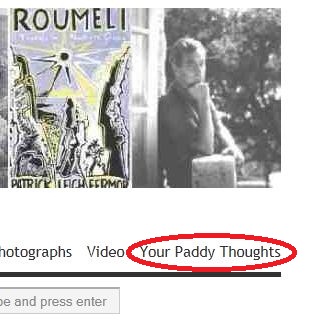
You can find the page at the right-hand end of the navigation menu in the header … for the non-technical here is a picture!

Ein Patrick-Leigh-Fermor-Abend 31 May, Literaturhaus Hamburg

Time: Tuesday, May 31 · 8:00pm – 11:00pm

Literaturhaus Hamburg

Schwanenwik 38
22087 Hamburg


Sich in die Welt zu begeben, eigene Erfahrungen mit den Sitten und Lebensformen anderer Länder zu vergleichen, das ist ein Reiz, dem sich Schriftsteller kaum entziehen können. Seit den Anfängen – man denke an Homers „Odyssee” – ist die Weltliteratur auch eine Literatur des Reisens und des Heimkehrens. Erbauungs-, Abenteuer-, Pilger- oder Kulturreisen bilden das unerschöpfliche Repertoire, und die steigende Mobilität im 20. und 21. Jahrhundert führt dazu, dass sich Autorinnen und Autoren immer häufiger aufmachen, die Welt zu erobern und das Gesehene literarisch – in Reportagen, Essays oder Romanen – festzuhalten.

Das Literaturhaus verfolgt diese Zusammenhänge in seiner Reihe „Unterwegs in der Welt” und präsentiert das Werk eines der bedeutendsten Reiseautoren der Weltliteratur: Sir Patrick Leigh Fermor. 1932 wurde er in Canterbury der Schule verwiesen, weil er sich „in ein Mädchen beim Gemüsehändler verguckte”. Während der Aufnahmeprüfung in die Armee hatte er die fabelhafte Idee, nach Konstantinopel zu wandern (nachzulesen in den Bänden „Die Zeit der Gaben” und „Zwischen Wäldern und Wassern”). Drei Jahre lang organisierte er als britischer Agent auf Kreta den Widerstand, konnte 1944 den deutschen General Kreipe gefangen nehmen und wurde ein Held. Fermor reiste in die Karibik, wo der Reisebericht „Der Baum des Reisenden” und „Die Violinen von Saint-Jacques”, sein einziger Roman, entstanden.

Patrick Leigh Fermor zählt zu den bedeutendsten englisch-sprachigen Reiseschriftstellern. Er lebt heute, 96-jährig, in der Mani, Griechenland. Die Berliner Kritikerin und Autorin Gabriele von Arnim lässt sein außergewöhnliches, vom Zürcher Dörlemann Verlag mustergültig wiederaufgelegtes Werk Revue passieren und hat Textstellen ausgesucht, die Christian Brückner – wir ahnen es – mustergültig vortragen wird.

EINTRITT 10,-/8,-/6,- EURO

Further details here.

Thos Henley and the inspiration of Patrick Leigh Fermor

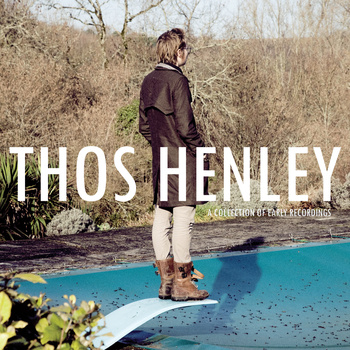
Some of you will now be familiar with the work and music of Thos Henley from a few previous articles on the blog. Thos describes Paddy as one his main inspirations.

As you go about your busy lives maybe you can take a few minutes to listen to my favourite Henley song ‘Another Brother’ in which Thos sings about the intellect of Patrick Leigh Fermor’. Click on the picture to play.

Related articles:

Lawrence Durrell and Patrick Leigh Fermor by Thos Henley

I knew Patrick Leigh Fermor through his words, and he will know me by mine

Bamberg

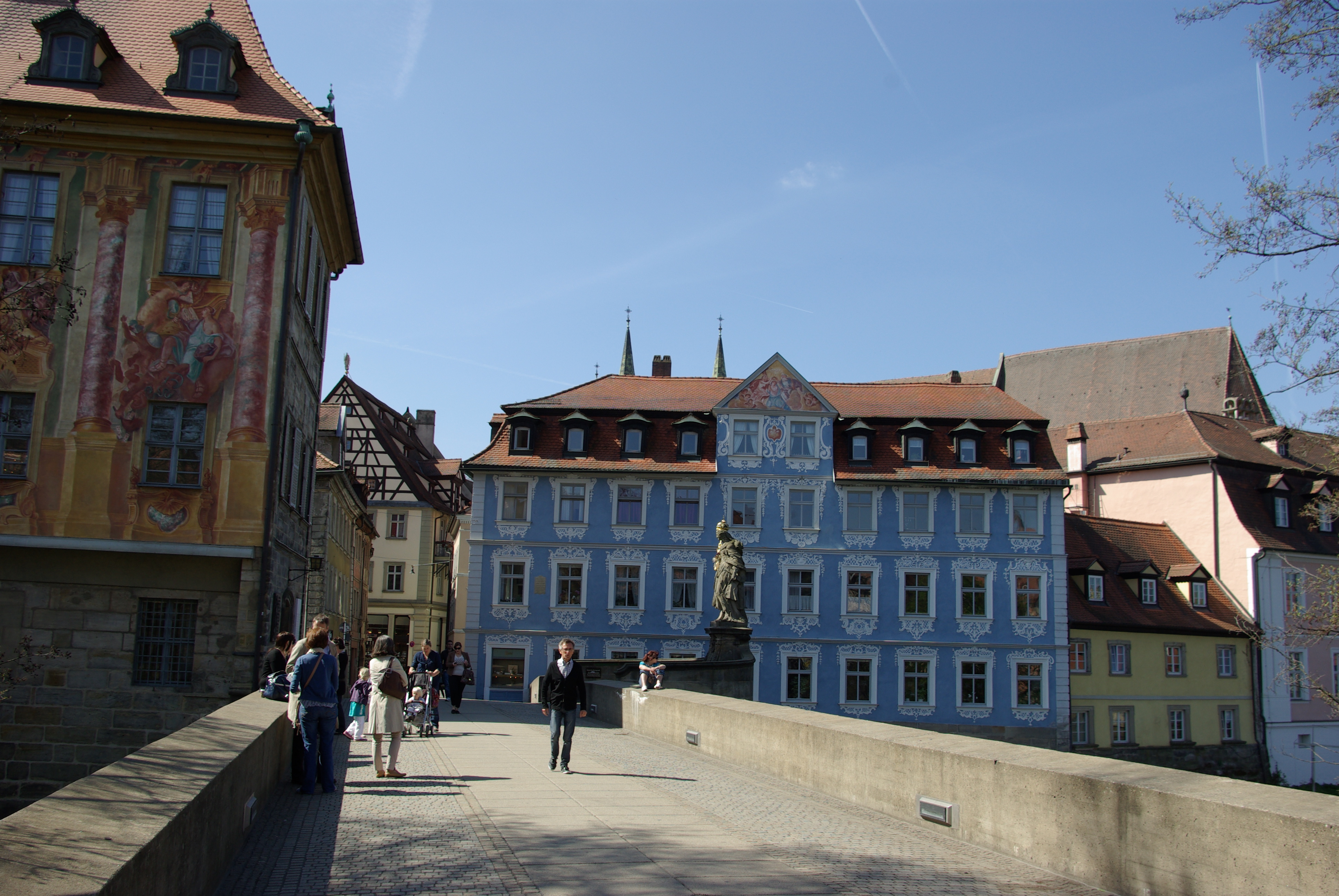
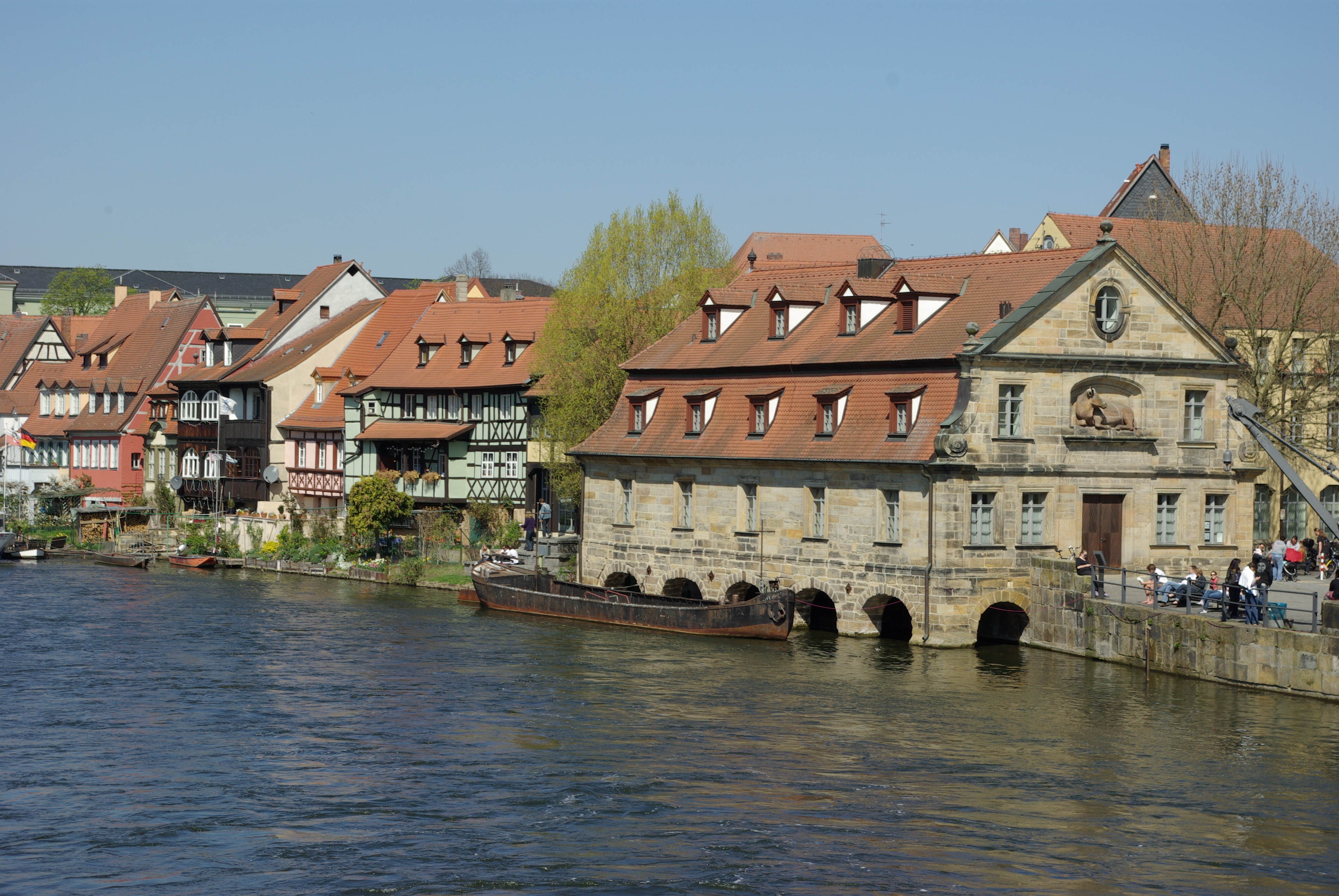
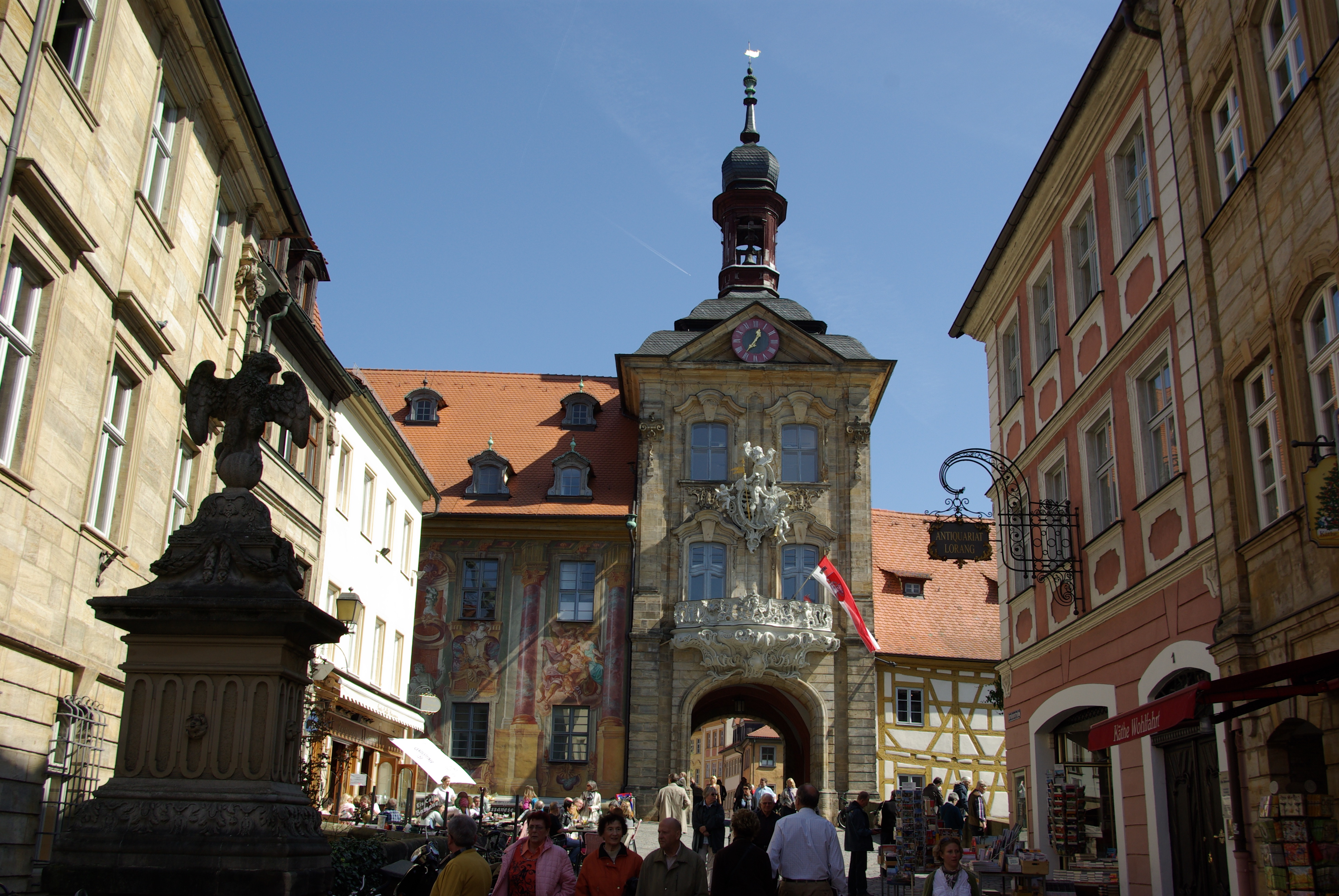
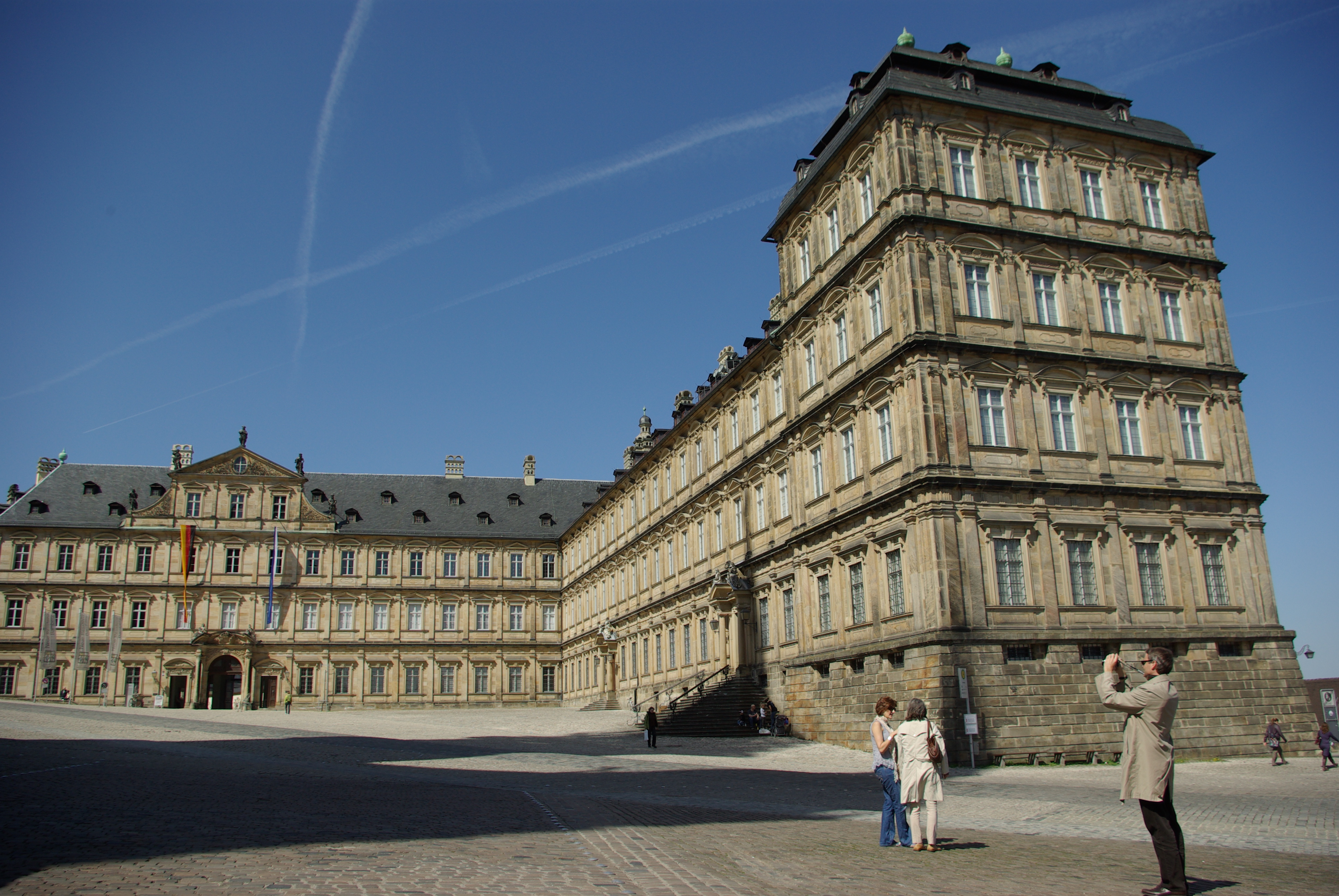
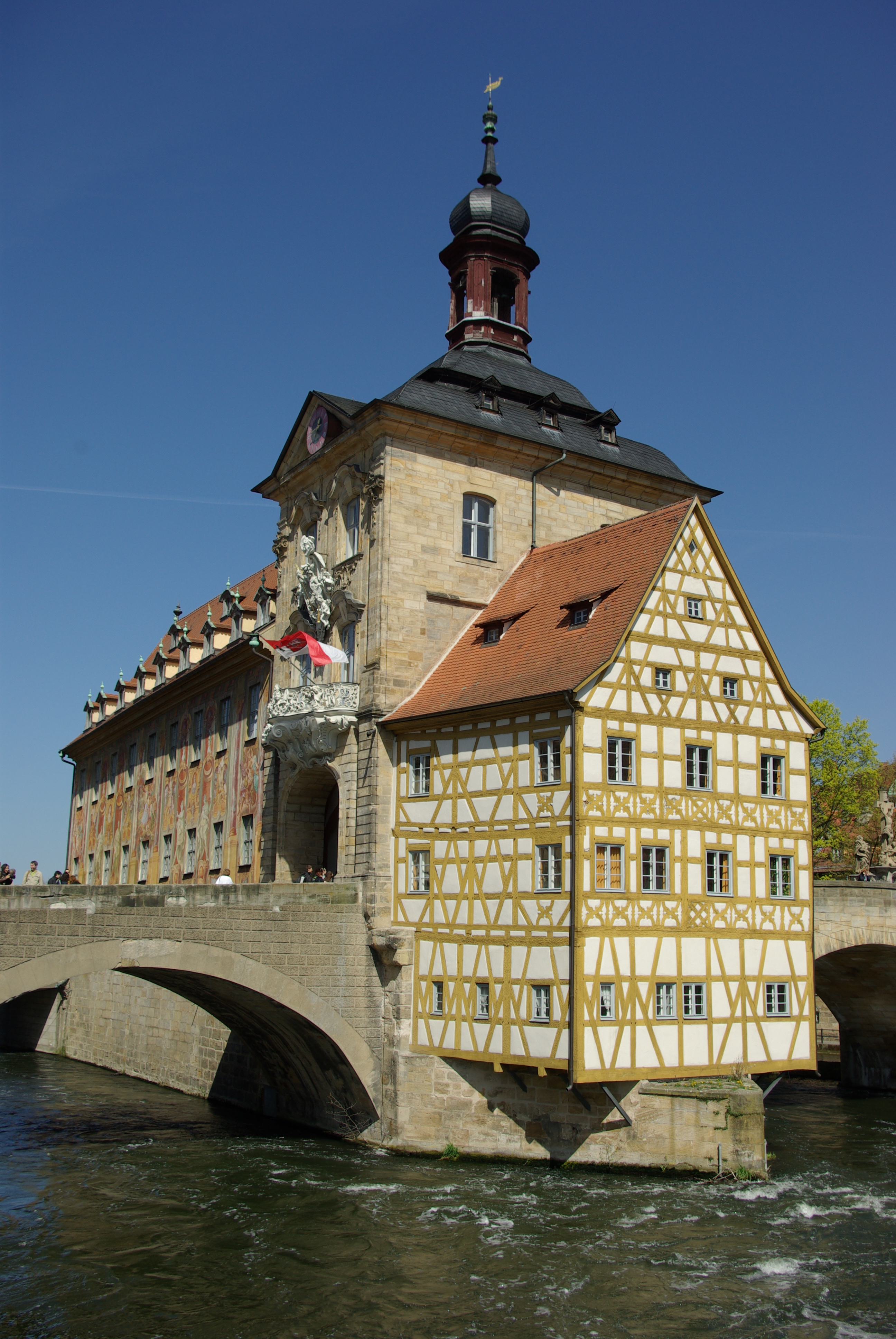
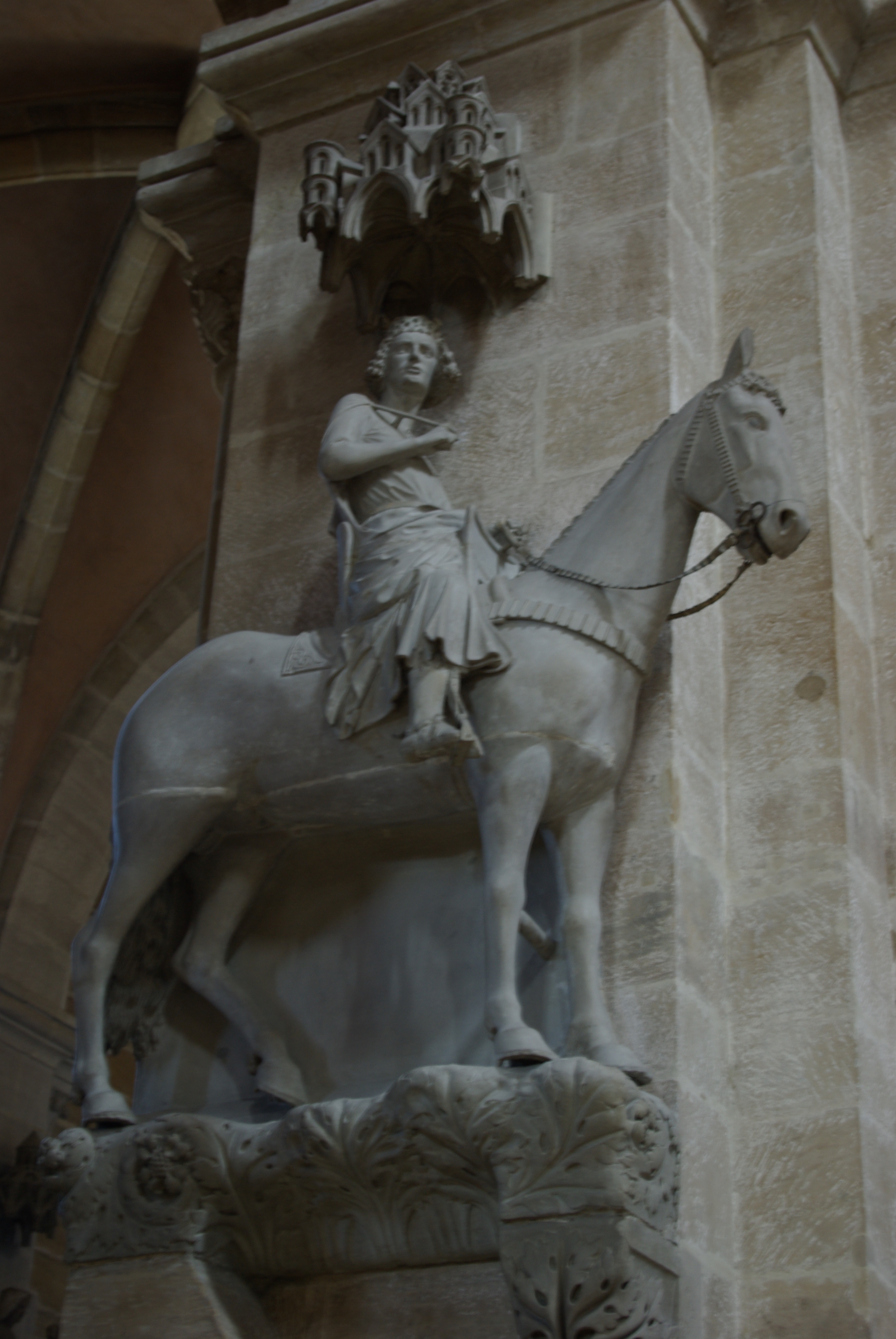
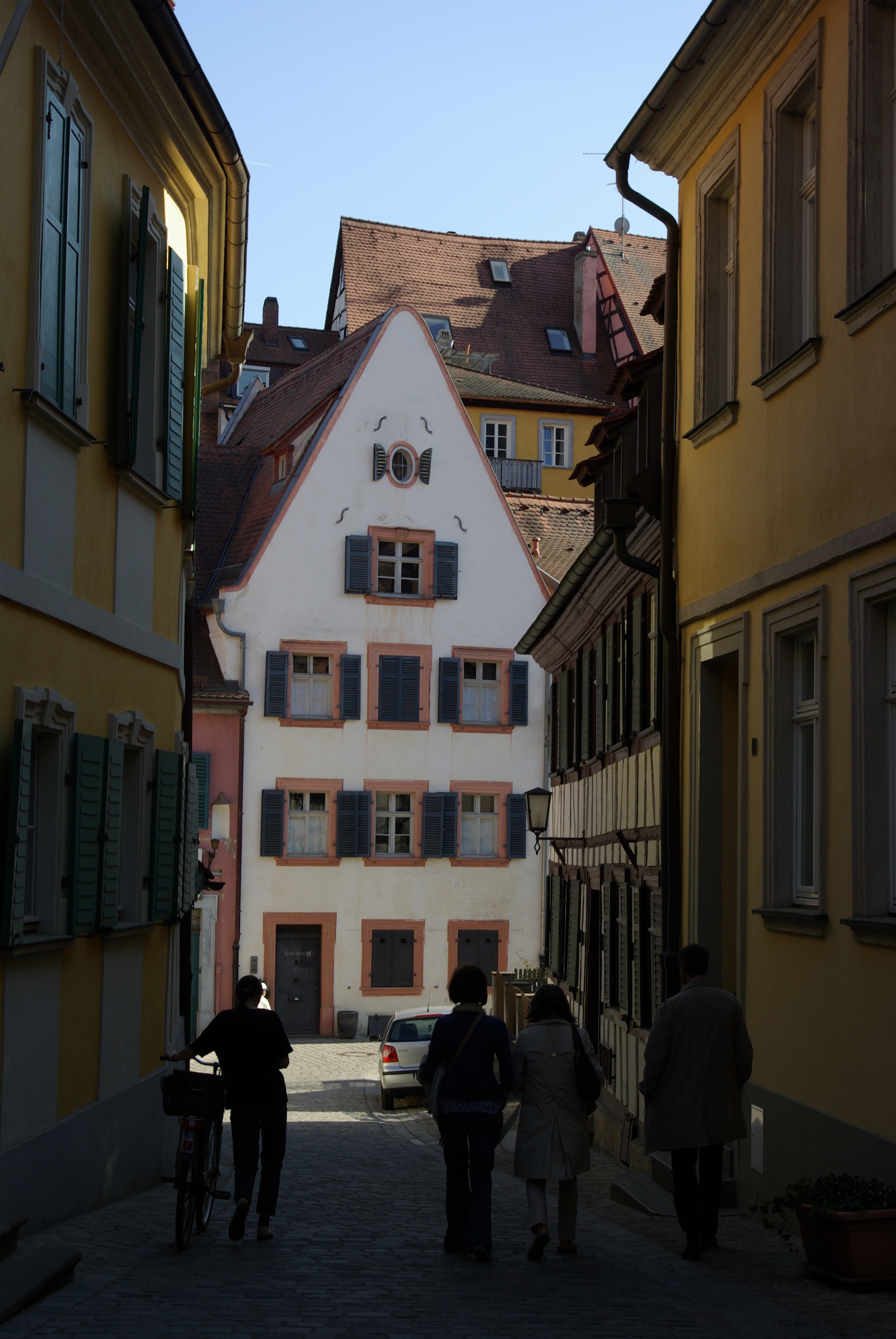
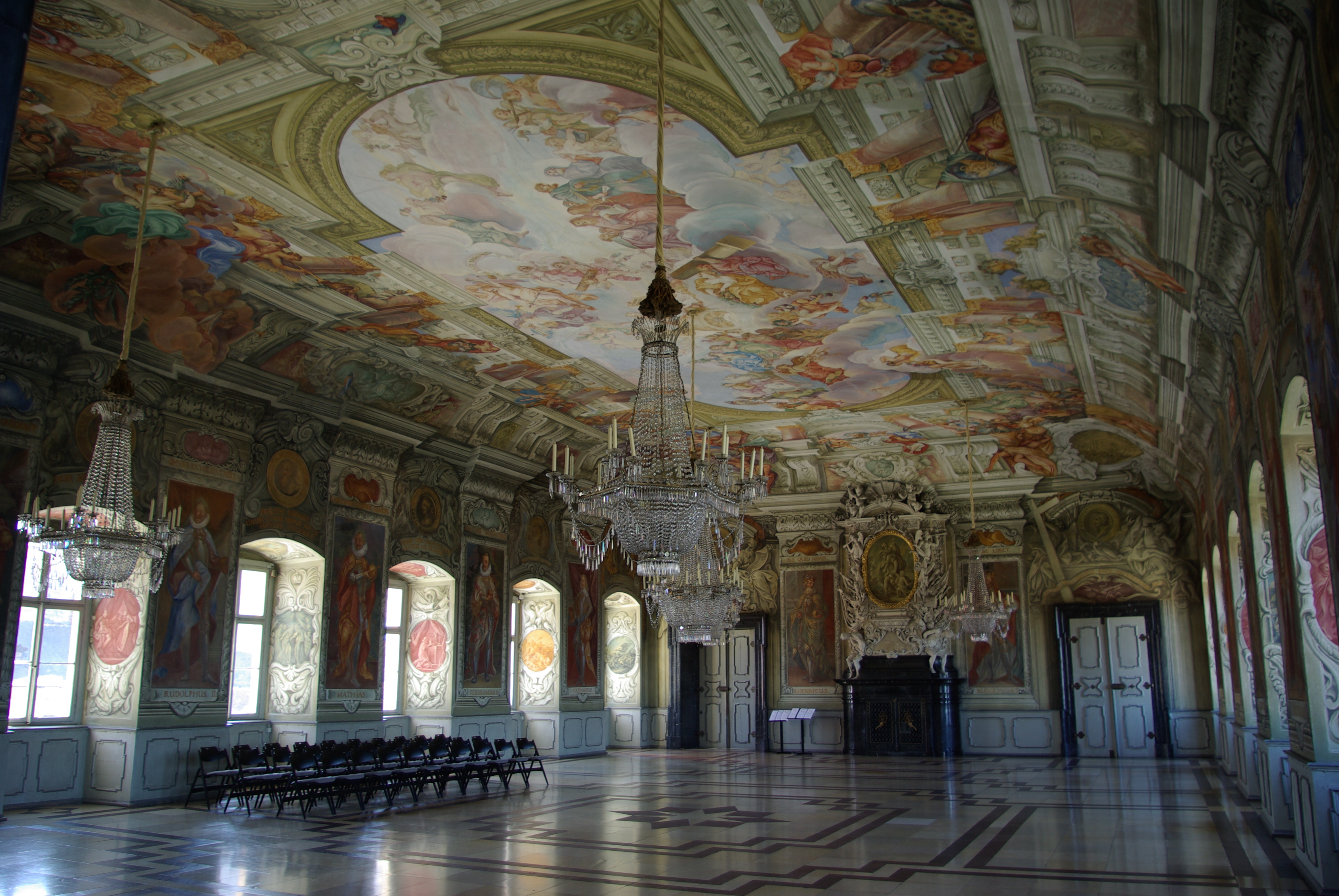
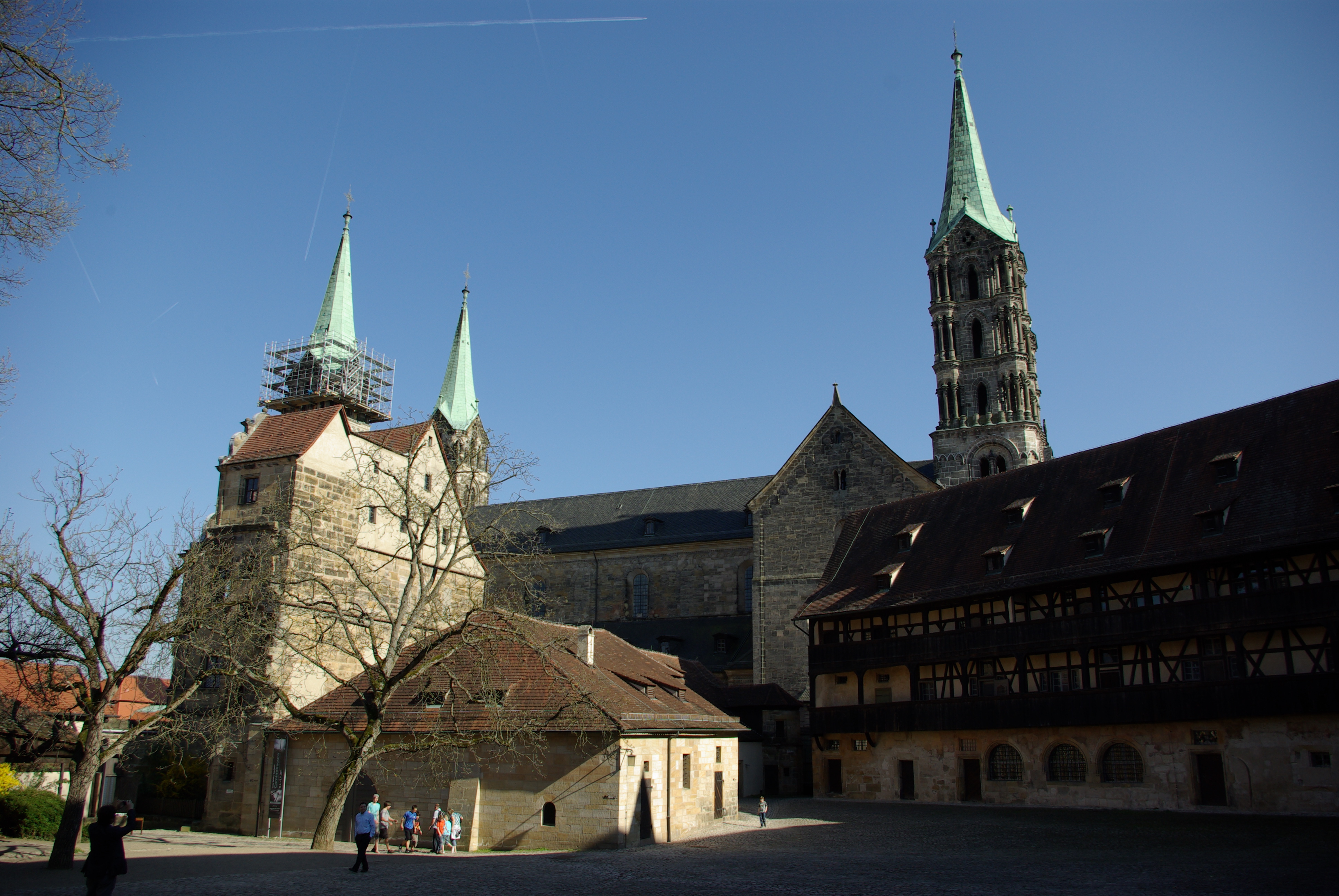
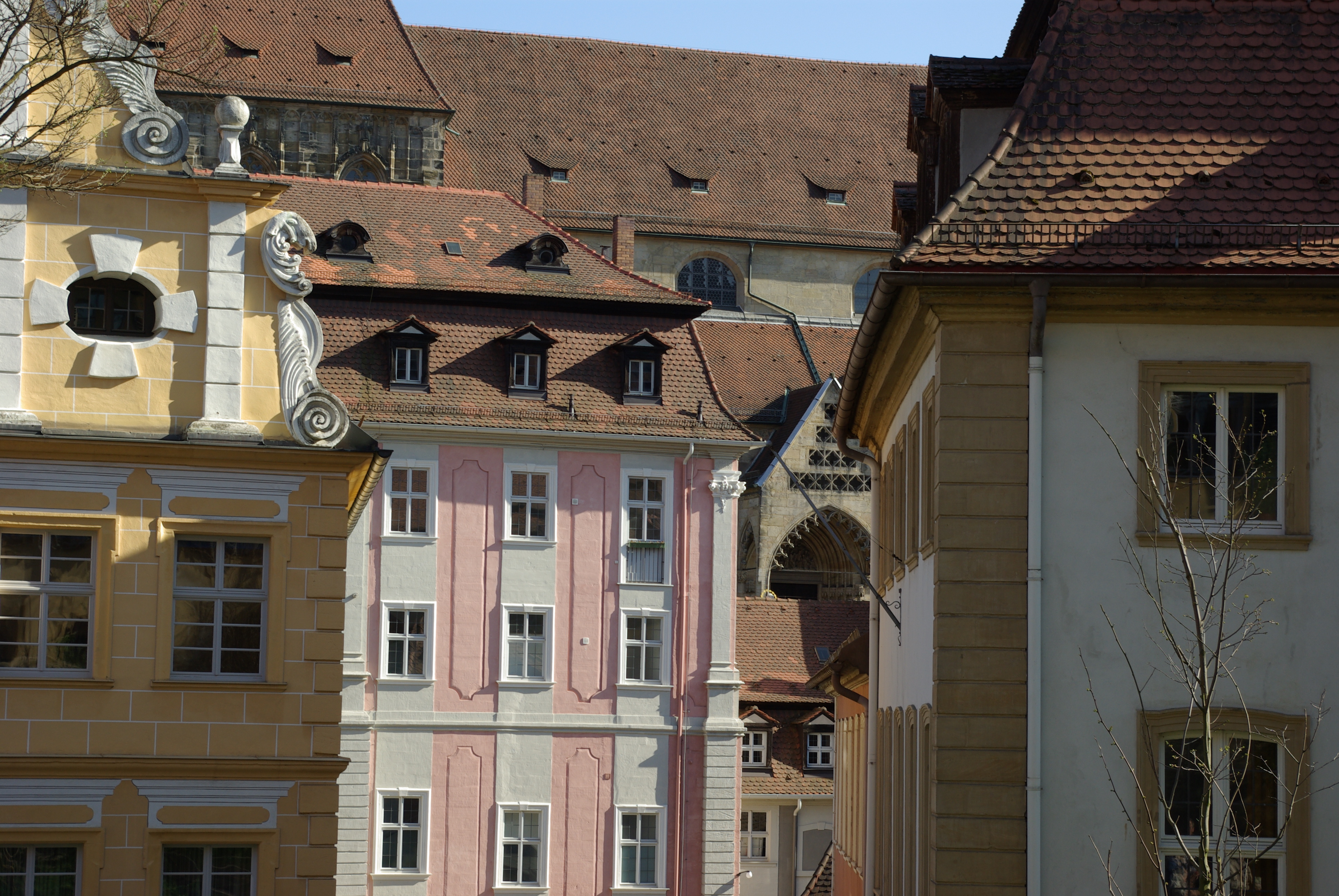
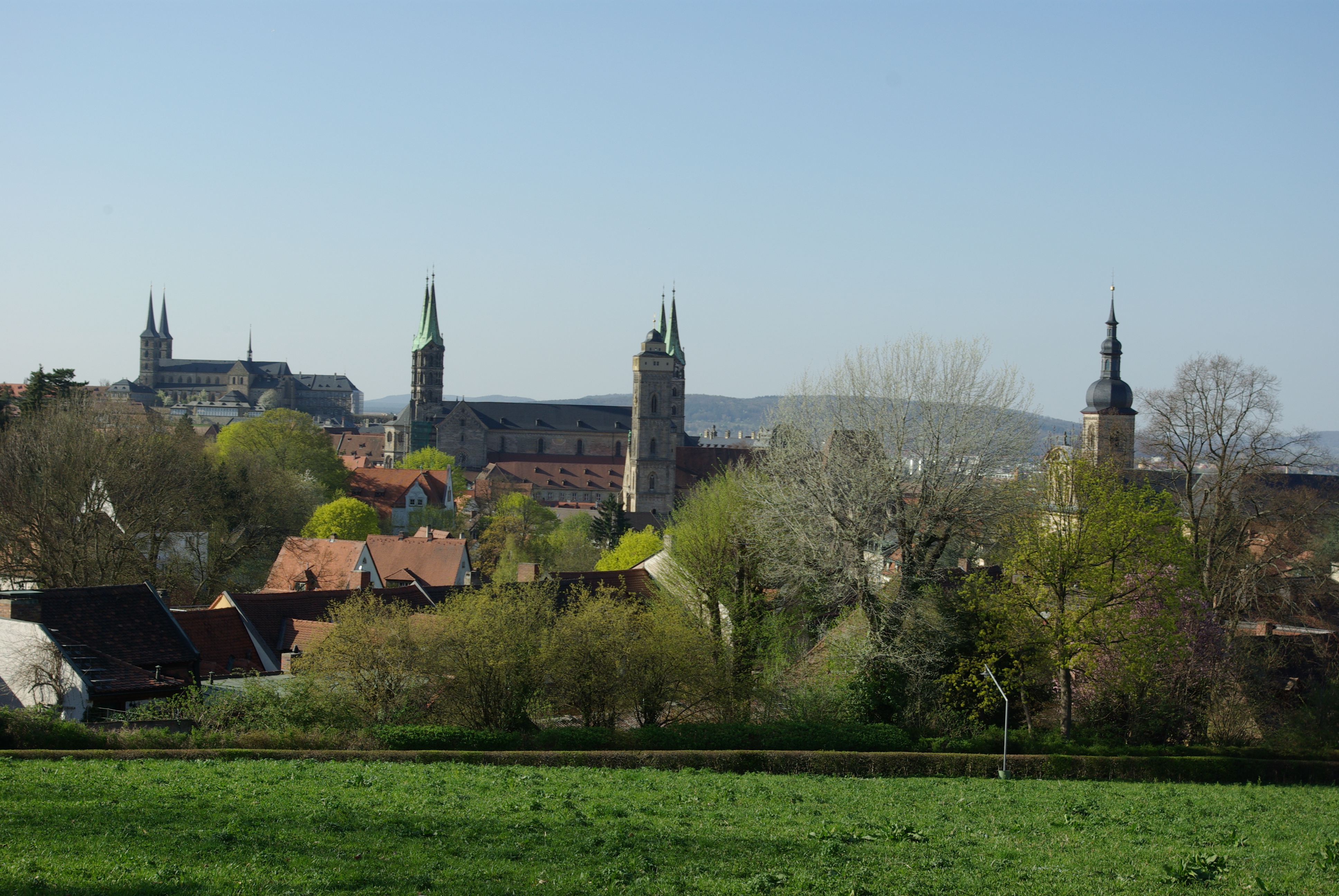
I am in Franconia this weekend, an area that as far as I know Paddy has not visited. It is however typical of the type of country that Paddy would have walked in 1934. The unsploit city of Bamberg, 80 km east of Wurzburg, is preserved almost as Paddy would have found any German city prior to the war.

Subscribe to the Patrick Leigh Fermor blog!

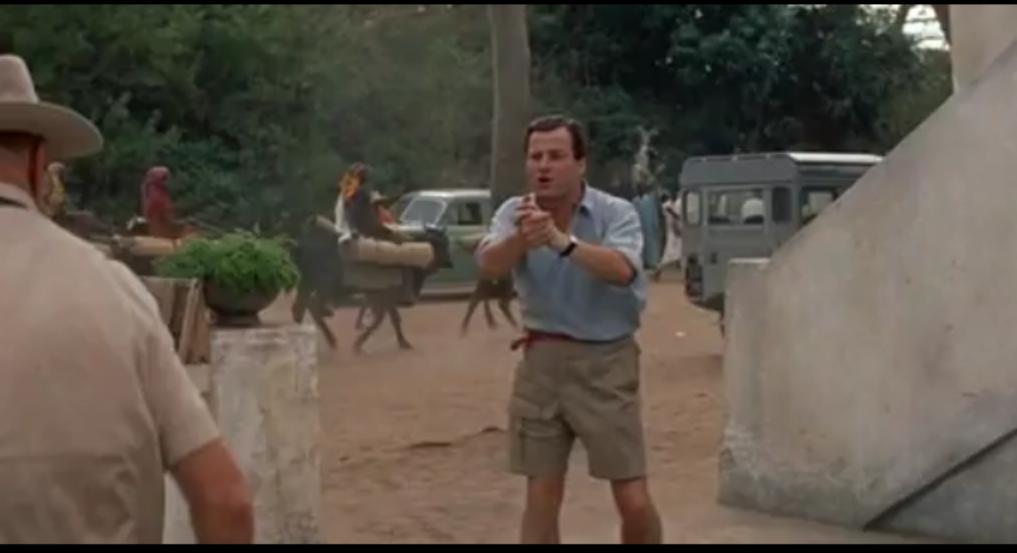
Patrick Leigh Fermor's run-on part in The Roots of Heaven

If you would like to keep up to date with the blog postings (of which there are many more to come I assure you!), why not subscribe to the blog?

It is easy. Enter your email, just in the top right –> where it says ‘Email Subscription, and you will receive an alert each time a new post appears; that is all. No spam!

I hope you enjoy ferreting around the blog. It is amazingly popular (well of course it is Paddy who is popular) with close to 6,000 visits a month so you will not be alone!

If you have an article or would like to share something you would like the world to see that concerns Paddy, or his friends and colleagues, please get in touch with me either by a comment or email tsawford[at]btinternet.com, and I will publish it with full credit to you.

Happy Reading!

Tom

Darkness is my closest friend

Kaiaphas was the Chief Priest in Jerusalem around AD 30. Beside his house which faced the Mount of Olives, was a long flight of steps than ran from Mount Zion to the base of the Kidron Valley.

It was down these steps that Christ would have walked after the Last Supper to the Garden of Gethsemane to begin his vigil and await his inquisitors. When he was arrested he would have been forcibly taken back up these steps to the house of Kaiaphas to face his interrogation.

The site of the house has been accurately identified and on the lower levels there are places that served effectively as dungeons. One of them was a cell that was a pit from which there was no escape. Whilst this was only rediscovered relatively recently, it was known in Byzantine times as we find numerous Byzantine crosses carved into the limestone as marks of reverence.

As I stood in that pit today, looking up at the circular exit in the roof which was the only way in and out, I thought of the mixed emotions running through Christ’s mind, who knew his own fate, as I listened to Psalm 88, the psalm of prisoners:

Lord, you are the God who saves me;

day and night I cry out to you.

May my prayer come before you;

turn your ear to my cry.

I am overwhelmed with troubles

and my life draws near to death.

I am counted among those who go down to the pit;

I am like one without strength.

I am set apart with the dead,

like the slain who lie in the grave,

whom you remember no more,

who are cut off from your care.

You have put me in the lowest pit,

in the darkest depths.

Your wrath lies heavily on me;

you have overwhelmed me with all your waves.

You have taken from me my closest friends

and have made me repulsive to them.

I am confined and cannot escape;

my eyes are dim with grief.

I call to you, Lord, every day;

I spread out my hands to you.

Do you show your wonders to the dead?

Do their spirits rise up and praise you?

Is your love declared in the grave,

your faithfulness in Destruction?

Are your wonders known in the place of darkness,

or your righteous deeds in the land of oblivion?

But I cry to you for help, Lord;

in the morning my prayer comes before you.

Why, Lord, do you reject me

and hide your face from me?

From my youth I have suffered and been close to death

I have borne your terrors and am in despair.

Your wrath has swept over me

your terrors have destroyed me.

All day long they surround me like a flood;

they have completely engulfed me.

You have taken from me friend and neighbour —

darkness is my closest friend.

Masada shall never fall again

Despite taking water from the Jordan to irrigate many thousands of hectares of land, much of southern Israel remains stony desert with just the occasional acacia tree clinging to life. To the east of the rift valley are the mountains of Moab in Jordan which was as far as Moses was permitted to come as he could not enter the Promised Land. Between those hills and those on the Israeli side is the still vast Dead Sea.

I was quite amazed by its size, even though it is diminishing rapidly by approximately 80 cm in depth per year. It is said that it will disappear completely in around ten years’ time, and already I could see large lagoons forming as the bed is exposed in certain areas.

The remains of the ramp built by the Romans to assault the fortress of Masada

As we headed south, out of the Israeli mountains the fortress of Masada rose sharply out of the rocky desert. We knew what it was without being told by our guide as it stands separate, proudly apart from the surrounding hills having been separated by an earthquake many millennia ago.

I took the option of walking up the Snake Path to the summit, the route that King Herod the Great would have taken to his palace on the northern edge. This is the route the Jewish Zealots would have used as they tried to hide away from the Romans of Vespasian and Titus during their brutal suppression of the Jewish revolt of the AD 60’s.

The ramp the Romans built from the western side to gain a position to assault the Jewish is still in place although much eroded. After all it is 2,000 years old. Amazingly you can still see many of the Legion camps and the siege wall the Romans would have built to contain the besieged Jews.

There are many doubts about Josephus Flavius’ account of the taking of Masada, and I wondered if he embellished the story in favour of the Jews, particularly the story of the mass suicide (certain archaeological evidence does cast some doubt on this). Josephus was a leader of the resistance to the Romans but when captured had gone over to them, and gained favour with Vespasian. Did he feel a pang of guilt as he realized that the taking of Masada meant the end of the resistance of his people? Did he try to make some amends by slanting some aspects of the story in favour of the Jews? We shall never know but the story of Masada is etched on the hearts of all Israelis, and to this day the Oath of their soldiers includes the words “Masada shall never fall again”.

Happy 96th Birthday Sir Patrick Leigh Fermor!

Paddy at home in the Mani

As the young Paddy Leigh Fermor embarked upon his European Odyssey in December 1933, would he have ever imagined that he would still be writing the story of that first adventure seventy eight years later? Today we all celebrate Paddy’s 96th birthday, and I would like to send Paddy all best wishes on behalf of all those who have subscribed to the blog and those that have made over 50,000 visits since we opened for business less than 12 months ago.

The last I heard from people who have some contact with Paddy he was well and even taking the odd swim. Let us also hope that he is writing, and has time to celebrate this birthday with some friends.

The Marques de Tamaron who is a friend of Paddy’s and was the Spanish Ambassador in London, wrote this in a review for the Spectator in 2003:

“Some years ago, a group of friends gathered to celebrate Paddy’s birthday. John Julius Norwich wrote and sang a new version of ‘You’re the Top’ in his honour:

You’re the million volts of the thunderbolts of Zeus,

You’re Leda’s swan, you’re the square upon the hypotenuse! …

And you’ll fill and thrill our hearts until we drop:

So from Bath to Burma, Fermor, you’re the top!”

I am sure that we all agree. Once more, a very Happy Birthday Paddy.

In Bethlehem it is Christmas every day

On my Patrick Leigh Fermor blog we have often discussed the objective of walking in Paddy’s footsteps. Perhaps to achieve some physical challenge, but there is undoubtedly more to it: a spiritual connection in time and space, and perhaps a sympathetic experience with those of our hero in the same place, even after the passage of time.

A pilgrimage to the Holy Land entails effectively walking in the footsteps of Jesus Christ. I am sure there could be some debate about various aspects, but Israel and Jerusalem (in ancient history) is a small place, and I have little doubt that most of the places I have visited so far are the places that Christ himself and his disciples lived in, where they studied, and where they experienced his betrayal.

As one looks from the Garden of Gethsemane towards the Golden Gate in the well preserved walls of Jerusalem, who could doubt that when Christ said he knew his betrayer was coming, he could see them coming out of that gate, with torches lit, and perhaps armour and swords clanking, in the cold of the night, just a few hundred yards way. The amazing thing was he remained in his place and awaited his fate.

As we experienced some of his last hours we also worked our way through the Israeli security wall to Bethlehem and the Church of the Nativity, which was mainly built by Justinian on around 530 AD. In Bethlehem it is Christmas every day, but poverty is all around. Life has not treated the descendants of those Shepherds particularly well for all the wealth brought to their city by pilgrims over the 1,700 years since Saint Helena, the mother of Constantine the Great, first visited and ‘uncovered’ the birth place of Christ.

Weddings, Wilderness and Wailing Walls

My day started very early with a pre-dawn run by the Sea of Galilee and then a decent swim in the lake where I was accompanied by a large and noisy family of Russian speaking Jews.

Like Paddy, we normally travel independently and this is my first experience of group travel. So far it is fine. It does however mean that you can sometime move too fast or too slow. Today we visited Cana the site of Christ’s first miracle, and then the city of Nazareth, taking in the (wonderful) Greek Orthodox Church of the Annunciation where Mary was meant to have been drawing water from a spring when the angel Gabriel appeared to her. Orthodox liturgy and art have an ever increasing draw upon me. The frescoes show scenes from the life of the Virgin similar to the Church of St Mary Psychosostria in Ohrid. There is a second church of the Annunciation in Nazareth and perhaps we did not have enough time to explore this or the covered market where we found of all things in Nazareth the quarter of the carpenters.

The atmosphere changed as we drove south into the wilderness of Judea which is now part desert and part verdant agricultural land transformed by the miracle of pumping water away from the Jordan to feed the demands of Israel and Europe for fresh green vegetables and exotic fruit. The border with Jordan is marked with high wire fences and minefields, and an Arab population which tends the land but no longer owns it in law.

After passing through Jericho, which claims the status of oldest continuously inhabited city, we stopped in the stony desert before Jerusalem to conduct an act of worship and take the Eucharist overlooking the Greek Orthodox monastery of St George of Kozibe which clings to a rocky cliff above the route of the road which may have been the same road that Christ referred to when he told the story of the good Samaritan. As the service started we were joined by a young Bedouin with his donkey. He wanted to sell us his scarves but stood patiently completing the circle around our Priest; almost like Elijah taking his place at a Jewish feast where a place is left for him.

Ever upwards the road led us to Jerusalem, past the wired-in Jewish settlements and the military checkpoints. Higher and colder than we had experienced; heavily populated and so naturally green, we entered the old city at the Jaffa Gate at sunset. I was reminded of what King David commanded so long ago in Psalm 122: Pray for the Peace of Jerusalem.

By the Sea of Galilee

“O Sabbath rest by Galilee!

O calm of hills above,

Where Jesus knelt to share with thee

The silence of eternity,

Interpreted by love!”

The third verse of John Greenleaf Whittier’s hymn, Dear Lord and Father of Mankind, describes perfectly the scene today as I commenced my Holy Land pilgrimage. It is a calm place and as dawn broke this morning the mist that covered the Sea of Galilee slowly lifted revealing the hills of the Golan Heights to our East. I enjoyed the freedom of running by the lake and taking an impromptu swim.

The lake, so smooth and calm, is intimately associated with the life and teaching of Christ, and of many of his disciples, including Simon-Peter, who were fisherman from the area of Capernaum. The road over the hills from Nazareth through the Valley of the Pigeons ends at the village of Magdala. Jesus took that road on his journey to Galilee and it was at Magdala that he first met Mary whom we know as Magdalen.

I will write short dispatches, internet access permitting, for both my blogs as my journey progresses. As one correspondent said to me in an email recently, I do manage to stretch the point sometime, and my excuse for posting on both blogs is that there will be some direct relevance to MyByzantine blog, but for my Patrick Leigh Fermor blog the point is much less clear! As far as I know Paddy never visited Israel – I now expect corrections! – but he does love churches, and religious art, and I shall be seeing much of that in the next few days, so I think (and hope) Paddy might approve!

Images of Cluj by Alin Niculescu

There is one respect in which I have a definite advantage over Paddy in terms of the places he visited. I have been lucky enough to get to know well the city of Cluj-Napoca due to my regular visits. Paddy had but one night there with Angéla, but it was one of one of love and passion!

Last week I visited Bucharest for the first time. If this had been my first introduction to Romania I doubt that I would have been keen to return. To be fair it was literally a flying visit, and I did not make it right into the centre, however, it cannot compare with the genuine attractions of Cluj: its compact size; the Baroque architecture; the lively bars and restaurants in the old centre; the intimate cultural life; and its position in a valley surrounded by gently rolling hills. I have also made some good friends in this capital of Transylvania.

I have often written about Cluj, but to many of you the city probably remains a mystery. To help you get more of a feel for a place that I have come to feel strongly about, I wanted to showcase the work of  Alin Niculescu, a professional cameraman from Cluj. He has made a number of short films about the city, highlighting it over the seasons. They are just a few minutes long and if you are curious to know more about the city, they will give you a feel for its size, architecture, and position. In some scenes he also captures the relaxed and friendly mood of its citizens.

This first film is entitled Snowy Night at Cluj. This is broadly how the city looks at the moment.

Snowy Night at Cluj Full HD from Alin Niculescu on Vimeo.

This second movie shows a panorama over the city in the summer.

Cluj-Napoca from Alin Niculescu on Vimeo.

You can see more of Alin’s work on his website here

Related category:

Articles about Cluj and Transylvania

Patrick Leigh Fermor blog: 2010 in review

Thank you for all your support and comments in 2010. The success of this blog has been incredible and it just goes to show how popular Paddy remains. I am sure you will want me to send him all our best wishes for good health and progress with Vol 3 in 2011.

The stats helper monkeys at WordPress.com mulled over how this blog did in 2010, and here’s a high level summary of its overall blog health:

Healthy blog!

The Blog-Health-o-Meter™ reads Wow.

Crunchy numbers

Featured image

About 3 million people visit the Taj Mahal every year. This blog was viewed about 40,000 times in 2010 since it opened in March. If it were the Taj Mahal, it would take about 5 days for that many people to see it.

In 2010, there were 136 new posts, not bad for the first year! There were 164 pictures uploaded, taking up a total of 126mb. That’s about 3 pictures per week.

The busiest day of the year was September 25th with 435 views. The most popular post that day was Angéla and Paddy’s visit to Cluj-Napoca.

Where did they come from?

The top referring sites in 2010 were facebook.com, mail.live.com, digg.com, mail.yahoo.com, and surprisedbytime.blogspot.com.

Some visitors came searching, mostly for patrick leigh fermor, patrick leigh fermor obituary, leigh fermor, duke of devonshire, and debo devonshire.

Attractions in 2010

These are the posts and pages that got the most views in 2010.

1

Angéla and Paddy’s visit to Cluj-Napoca September 2010
1 comment

2

Xan Fielding Obituary May 2010
12 comments

3

Photographs April 2010
1 comment

4

About & Contact March 2010
18 comments

5

Chatsworth Celebrates the Many Lives of Deborah Devonshire May 2010

The Dark Memories of Cluj from 1989

The Hotel Continental in Cluj (or as we know it The New York) was not only the location for a great cocktail, but outside its doors in December 1989 a massacre occurred during the Romanian Revolution.

For those of you who have followed my stories about Cluj it was a pleasant city in Paddy’s time and remains so to this day. However, like so many towns and cities in Romania, it experienced its fair share of discontent during the last days of Ceauşescu. I can’t be sure of the figures but around a dozen people were killed, mostly by the Army, and these events took place virtually on the steps of the Continental. The video below shows some of the traumatic scenes that took place twenty-one years ago this week.

On the main road out of Cluj to the south is a very interesting cemetery. Its inhabitants include not only the citizens of Cluj, but generations of soldiers from Europe’s great wars and revolutions of the twentieth century. There are Austro-Hungarian soldiers with names that seem to indicate that they came from all over that once great Empire. Romanian soldiers from the Second World War and around three hundred Russians from the struggles of the dying days of that conflict. But in a quiet corner stand some graves of those that died in the revolution of 1989, amongst them one or two young women.

As we prepare to celebrate the great gift of Christmas, let us take a moment to reflect on these momentous events, and those that continue to this day. Maybe we can give thanks for those that were prepared to lay down their lives for their friends, and for those that do so today.

This video appears to have a full Roll of Honour for those who came from Cluj and its environs who died not only in Cluj but elsewhere. It is very moving.

New sites: SOE in the Balkans and the Levant

Many visitors to the blog are interested not so much in Paddy per se or his writing, but the activities of the Allied forces and the SOE in the Balkans and Eastern Mediterranean in World War Two.

This new website that I have stumbled across is devoted to these activities in the Balkans and the Levant which is Paddy’s sphere of operations. A quick glance however fails to turn up anything on Paddy, a big mistake, which I am sure will soon be corrected! However, it does appear to be a very useful archive for people conducting research into this theatre of operations.

If you have a particular specialised interest in the SOE then I would recommend joining the Yahoo Group Special Operations Executive which is updated daily with some fascinating and very detailed information. It would be a great starting point for research.


Friday night thoughts inspired by Paddy and Romania

The woods and the water lie between us,

But we gaze at the same silver moon,

In cirrus mottled sky of iron blue.

Zinc galvanized; fashioned by the gods.


A Journey to the Heart of Transylvania

Count Miklós Bánffy

To complete my very own trilogy on Banffy, here is an article, not just a review, by the always readable Charles Moore from the Daily Telegraph. I am so very much looking forward to the arrival of the first volume so that I can make a start!

Time to salute the Tolstoy of Transylvania

By Charles Moore. First published in The Telegraph 11 Jan 2010

This sequence of books began publication in 1934, so I have been rather slow to get round to it. The trilogy was first published in English between 1999 and 2001, so even in this country it is not new. But perhaps because of the smallness of the publishers, or perhaps because people here know little and care less about Transylvania (unless vampires are involved), these books are not well known. But their reputation has been spreading by word of mouth, so much so that it can be hard to find the volumes because they are often reprinting.

This growing acclaim is deserved. Bánffy’s trilogy is just about as good as any fiction I have ever read. I think of it this week because of snow. If you flick through the book, you will see that the author almost always places events in their weather and season. The hero, Balint, has estates in Transylvania which he is constantly attempting to manage on better and more enlightened lines. He is also in love with Adrienne, who is married to a sinister, possibly sadistic and increasingly insane man.

Balint visits his estates and tries to range as far as possible into their remote forests to stamp out local corruption, usually making an unintentional mess of things as he does so. The author walks with him, as it were, observing nature intently, and relating it to Balint’s private thoughts. In the depth of winter, Balint climbs down to a hidden waterfall which still bursts forth despite the frost: “Even when in the air it was degrees below zero steam would mingle with the spray to form icicles which hung from every bough and every overhanging rock, so that the fall itself was framed with great pillars of ice.” To Balint, “Adrienne’s image was conjured up by the beauty and restless movement of uncontrolled nature”.

Part of the point, the better for not being directly stated, is that Adrienne, at this time, is frigid, loving Balint, but fearful of all physical contact. The waterfall in winter naturally impresses itself on his mind. In late July, Balint climbs a mountainside which is shimmering with forest life, and sees “a little bird, smaller than a quail, with a strange swooping flight. It rose in the air, and then dropped again, and Balint saw that it was a young snipe, barely more than a fledgling and still very awkward. For a moment Balint watched the little bird’s efforts as twice more it flew up and then came to earth again, cowering in the grass as if too tired to try again.” The party passes quickly onward “so as not to frighten, or tire further, the little snipe in its first efforts to fly”. Once again – and once again without clunking overemphasis – the image of fragile new life relates to the couple’s love.

Count Miklós Bánffy, who wrote these novels, was a public man. He was the Hungarian foreign minister just after the First World War. Like Balint, he was a Hungarian who owned vast estates in Transylvania, where, in numerical, though not financial terms, Romanians predominated. His position, therefore, was rather like that of a benevolent Protestant landowner in Ireland before Partition. He loved the wider nation, indeed Empire (Austro-Hungarian), of which he was a part, but also his unusual little bit of it, though many of the inhabitants viewed him with suspicion.

Such an insider/outsider vantage point is a good one from which to view the politics of a great civilisation, especially of a civilisation in crisis. The titles of each book in the trilogy – for example, They Were Found Wanting – are taken from the writing on the wall that appeared, according to the Book of Daniel, at Belshazzar’s feast. The books are set in the years running up to 1914. They are full of love for the way of life destroyed by the First World War, but without illusion about its deficiencies.

One of the best scenes is the duel between László, Balint’s best friend and cousin, a handsome, hopeless, drunken man, and his rival in love. It is as good as Pushkin at describing the fear, the pointlessness, the idea of honour. It is also precise about the rules of duelling and how they were interpreted and disputed. The author fully inhabits the world he describes, without being enslaved by its values.

He has a good comic touch too. He is writing about a culture which worships England without knowing it very well. One young fellow is thrilled because he has managed to buy a pink English hunting coat (of “a marvellous material as hard and stiff as zinc”), but is then mortified that hunting etiquette (also derived from England) means that he cannot wear it at a meet of harriers. So, though everyone else is in black and white evening dress, he wears it to a ball, where his old breeches and boots smell so bad that the ladies will not go near him.

These novels are not well served by a puff on their covers which says they are “swashbuckling”. They aren’t remotely. Although they are very funny, they are deeply serious. They are like Anna Karenina and War and Peace rolled into one. Love, sex, town, country, money, power, beauty, and the pathos of a society which cannot prevent its own destruction – all are here.

Related article:

Paddy’s Introduction to the Transylvanian Trilogy by Miklos Banffy

Andrew Nurnberg to handle world rights for Miklos Banffy’s The Transylvanian Trilogy

I am in the process of purchasing Banffy’s trilogy but still waiting for the first volume. Will I be able to read it all before they make a TV series or movie??

Book Trade Info reports on 5 October 2010

Arcadia Books appoints Andrew Nurnberg and Piers Russell-Cobb of MediaFund to handle world rights and film & TV rights respectively for Miklos Banffy
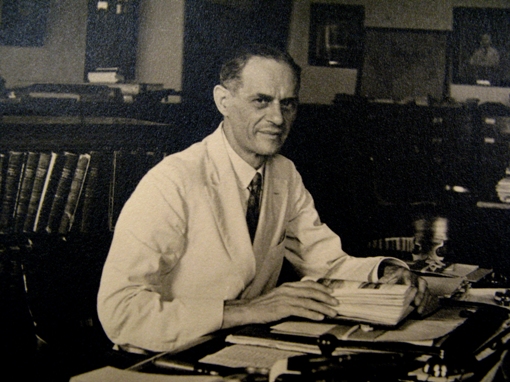
ON THE EVE OF THE FRANKFURT BOOK FAIR, Arcadia Books has appointed Andrew Nurnberg to handle world rights (ex Hungary) in The Transylvanian Trilogy (They Were Counted, They Were Found Wanting and They Were Divided) and Piers Russell-Cobb of MediaFund to sell film and TV rights on behalf of Arcadia and the Banffy Estate.

Originally published in the 1930s in Hungary, the trilogy was ignored under the communists and republished to acclaim in the 1990s. Following publication of Arcadia’s prize-winning translation by Katalin Banffy-Jelen and Patrick Thursfield a decade ago – Banffy’s writing has been compared to that of Proust, Tolstoy, Milosz, Galsworthy, Roth, Musil, Lampedusa and Dostoevsky among others – the trilogy has been published in France (by Phebus Editions, in C and B format editions), Spain (Libros del Asteroide, instant bestsellers last year), Italy (just out with Einaudi) and the Netherlands (Atlas, 2011).

The Transylvanian Trilogy, winner of the Weidenfeld Translation Prize (presented by Umberto Eco), has attracted praise from, among others, Patrick Leigh Fermor (who penned the Foreword at Chatsworth), Jan Morris, Simon Jenkins, Charles Moore, Martha Kearney, Francis King and Allan Massie, has been the subject of a Guardian editorial and was also chosen as one of ‘1000 Novels You Must Read’ in that newspaper.

Comments Arcadia’s publisher Gary Pulsifer: ‘The combination of Andrew and Piers is explosive and we look forward to taking the trilogy to a new international level, including with our B format reprints now coming out, for which we have ear-marked a high marketing spend and a high-profile marketing campaign. Just after Spain bought the rights Italy immediately followed suit and there is serious interest from various other European countries.’ Adds Andrew Nurnberg: ‘Banffy is potentially very big, quite something . . . this has a rhythm and sense of place that one simply doesn’t find these days.’ Says Piers Russell-Cobb: ‘Andrew will do a brilliant job and I agree with you that we are onto a bestseller.’

A Milestone for the Patrick Leigh Fermor blog

After just six months existence this blog has passed a significant milestone. There have now been more than 20,000 visits to the site. Interest is growing all the time and in September it is likely that there will be over 6,000 visits in the month.

It just shows the level of interest that exists in Paddy’s work, his life, and those of his close friends and colleagues. There is still a mountain of material to gather so I hope that you will continue to read the blog in the months to come. Don’t forget that if you are doing some research I have categorised most things (on the right hand side lower) and the search facility near the header is quite excellent.

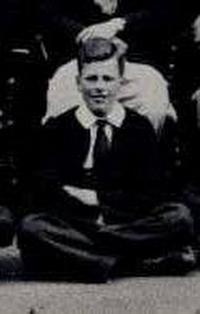
Patrick Leigh Fermor at school, Kings' Canterbury

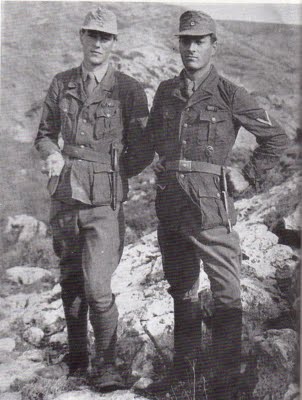
Patrick Leigh Fermor and Billy Moss

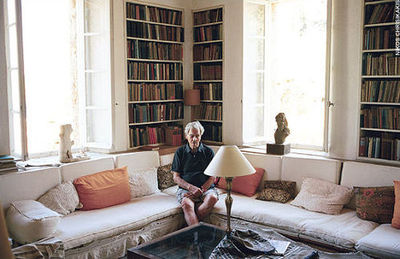
Patrick Leigh Fermor at home on the Mani

Parish Notice – Travels with Paddy forum

Just a reminder to you all that we now have our own discussion forum for all things related to Paddy.

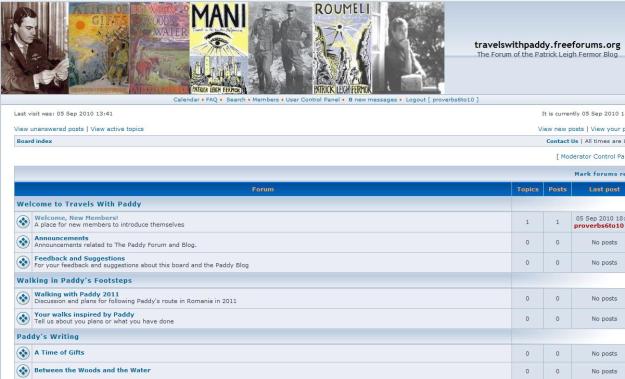
If you visit the discussion board here (or click the picture) you can register (very easy and no spam) and join in current discussions or create your own topics.

There is a Welcome to New Members area where you can introduce yourself, with or without a pseudonym, and this is now growing.

The other section I would like to draw your attention to is a discussion about walking Paddy’s route in Romania in 2011. It looks like there may be interest in doing something as a group. Go on; have your say!

Some forums have been set up to start us off but you can add your own at any time; just keep it vaguely relevant to Paddy.

Click on the image to go to the forum

The forum will be an important place to discuss not only Paddy and his life, work, and times, but also some pretty exciting ideas, some of which I will be announcing soon.

You will be free to create your own identity or just be yourself. Go on visit the Welcome forum and introduce yourself. I look forward to seeing you there!

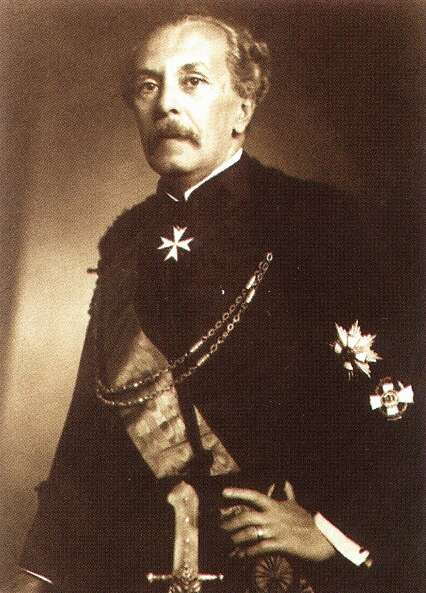
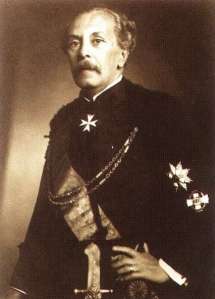
Sir Lewis Leigh Fermor

Sir Lewis is Paddy’s father. A couple of pictures from the Geological Society website.

Sir Lewis Leigh Fermor

This delicately embroidered “chain of office” was once the property of the Director of the Indian Geological Survey, Sir Lewis Leigh Fermor (pictured). It was presented to the Society by Richard Bateman, former Executive Secretary, to whom it had passed through Lady Fermor’s executor, the late Prof. Bob Savage, on her death.

Sir Lewis Leigh Fermor wikipedia page.

Related article:

Sir Lewis Leigh Fermor obituary from Proceedings of the Indian Academy of Science

Parish Notice – Travels With Paddy: The Blog Discussion Forum

We are in technology overload. First Twitter and now a dedicated Patrick Leigh Fermor discussion forum.

If you visit the discussion board here (or click the picture) you can register (very easy and no spam) and join in current discussions or create your own topics. I have set up some forums to start us off but I am open to your suggestions: it is your board not mine.

The forum will be an important place to discuss not only Paddy and his life, work and times, but also some pretty exciting ideas, some of which I will be announcing over the course of the next two to three weeks.

You will be free to create your own identity or just be yourself. Go on visit the Welcome forum and introduce yourself. I look forward to seeing you there!

We are now on Twitter


I am not sure what Paddy would say but we are now on Twitter so if you follow proverbs6to10 you can receive a tweet every time a new post is added. It is also a quick way of catching up on past posts when on the move. I hope it is useful and I hope it works!

Subscribe to the Patrick Leigh Fermor blog!

If you would like to keep up to date with the blog postings (of which there are many more to come I assure you!), why not subscribe to the blog?

It is easy. Enter your email, just in the top right –> where it says ‘Email Subscription, and you will receive an alert each time a new post appears; that is all. No spam!

I hope you enjoy ferreting around the blog. It is amazingly popular (well of course it is Paddy who is popular) with close to 4,000 visits a month (most seeking news of Paddy’s death – see Why is the favourite search “patrick leigh fermor obituary”?).

If you have an article or would like to share something you would like the world to see that concerns Paddy, or his friends and colleagues, please get in touch with me either by a comment or email tsawford[at]btinternet.com, and I will publish it with full credit to you.

Tom

Like a Post? Well Then, “Like” It!

WordPress getting more like Facebook? I would like to see a ‘Do Not Like’ option as well. I hope that does not apply to this blog!

Starting today you’ll notice a new feature at the bottom of all WordPress.com blog posts. We’ve enabled a “Like” button, which, when clicked, shows a Gravatar image for all the bloggers who like a post.

When you “like” a post two core things happen. First, the blog post’s author sees your “like” and can click-through to your Gravatar profile. Second, clicking “like” saves the post in your homepage dashboard (in the “Posts I Like” section), so you can share it with others, or just keep it around for future reference. If you’re interested in keeping track of how many likes your own blog posts are receiving, there’s a new “like count” column on the “Posts > Edit Post” screen. This will show you the total like count on each of your posts, right next to the total comment count.

We’re hoping this will be an awesome new way to discover other interesting bloggers, and start new conversations with people who — literally! — like you. If you haven’t updated your Gravatar profile yet, now would be a great time to upload a picture, a link to your blog, and any other details. Editing your profile is easy, just remember that all of your profile information is public.

For more information on this WordPress feature visit here.

Subscribe to the Patrick Leigh Fermor blog!

If you would like to keep up to date with the blog postings (of which there are many more to come I assure you!), why not subscribe to the blog? Enter your email, just in the top right where it says ‘Email Subscription’, and you will receive an alert each time a new post appears; that is all. No spam!

I hope you enjoy the posts and ferreting around the blog.

Don’t forget if you have something you would like the world to see that concerns Paddy, or his friends and colleagues, please get in touch with me either by a comment or email tsawford[at]btinternet.com, and I will publish it for you with full credit.

Tom

Why is the favourite search “patrick leigh fermor obituary”?

Just a quick comment. The blog has some useful tools to measure site hits and the search engine terms that visitors use to find their way to the blog. Of all the many terms used, the top one by a mile is “patrick leigh fermor obituary”!

What does this signify? Do people not know that Paddy is alive and well and was recently seen at the British Embassy in Athens around 21 April at an event to remember the life of the illustrator of most of his books, John Craxton?

Paddy is alive and well. Read the article below!

Related article:

Remembering John Craxton

Subscribe to the Patrick Leigh Fermor blog

If you would like to keep up to date with the blog postings (of which there are many more to come I assure you!), why not subscribe to the blog? Enter your email, just in the top right where it says ‘Email Subscription’, and you will receive an alert each time a new post appears; that is all. No spam!

I hope you enjoy the posts and ferreting around the blog.

Don’t forget if you have something you would like the world to see that concerns Paddy, or his friends and colleagues, please get in touch with me either by a comment or email tsawford[at]btinternet.com, and I will publish it for you with full credit.

Tom

Back to the Hellespont – Swimming the Hellespont

As we know Paddy was 70 years of age when he swam the Hellespont with his wife Joan encouraging him ( whilst probably very worried) from a boat. His good friend Xan Fielding was waiting for him upon his return with a bottle of champagne. There is a long account in the excellent “In Tearing Haste”. Paddy was inspired by, amongst others, Lord Byron and his swim in 1810. There was a very interesting Radio Four programme about this yesterday … you have until approx 24 May to listen again on the BBC iPlayer.

Click here to listen again but only until approx 24 May 2010.

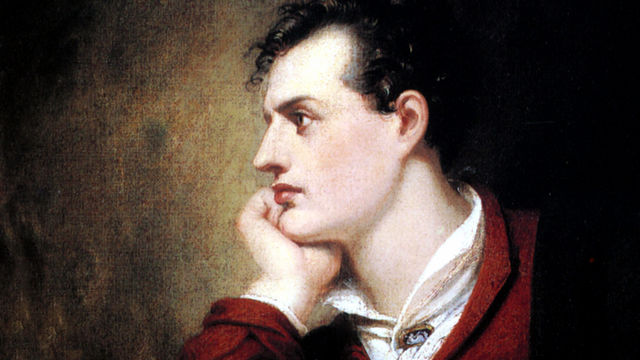
Lord Byron

It is 200 years since the poet Lord Byron swam the Hellespont, commemorating the feat in a poem and setting off a mania for swimming throughout Europe. He said it was his proudest moment.

His talent for swimming was one of the qualities that made him a legend and wherever he swam became almost a sacred spot. On the shore of the Bay of Spezzia, where Shelley drowned, stands a plinth dedicated to “Lord Byron, Noted English Swimmer and Poet”. Note which comes first!

Comedian and Channel swimmer Doon Mackichan takes a look at the man and the event through his poetry and journal entries, comparing Byron’s swim with the experiences of some of the swimmers who turn up every year for a race across this historical channel that separates Europe and Asia. Organised by the Canakkale Rotary Club, it is one of the highlights of the wild water swimming calendar.

Byron was inspired by Leander who, according to Ovid, nightly swam the strait to visit his beloved Hero and, after hours of love making, swam back home again. No slouch in the sack himself, Byron marvelled that Leander’s conjugal powers were not “exhausted in his passage to Paradise”.

Swimming gave Byron, lame as he was, some of the most exhilarating moments of his life. Only in swimming was he able to experience complete freedom of movement and freedom was a state he aspired to in all things – political and sexual.

How many of today’s swimmers have been inspired by Byron to put pen to paper? The programme set them a challenge and you can hear some of the best entries alongside Byron’s own effort.

Related website:

The Hellespont swim: following in Byron’s wake