Tag Archives: Ill Met by Moonlight

Front page news

Kreipe headlines 2

19th May 1944

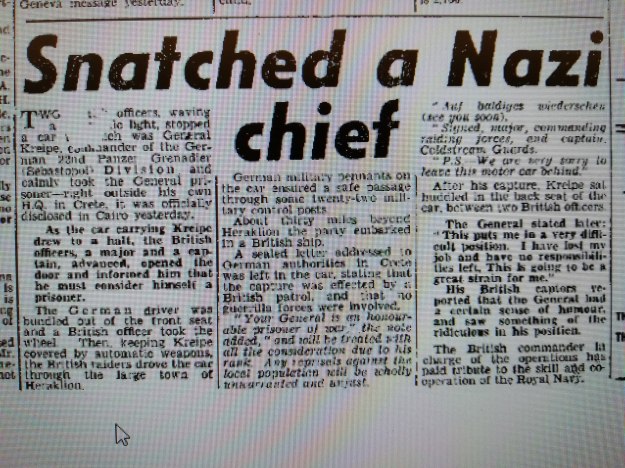
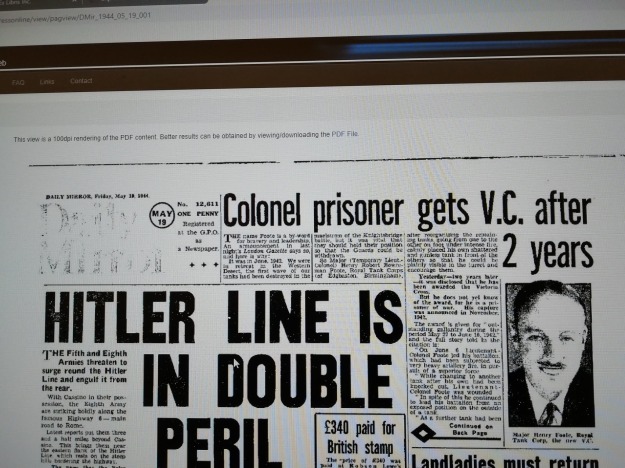
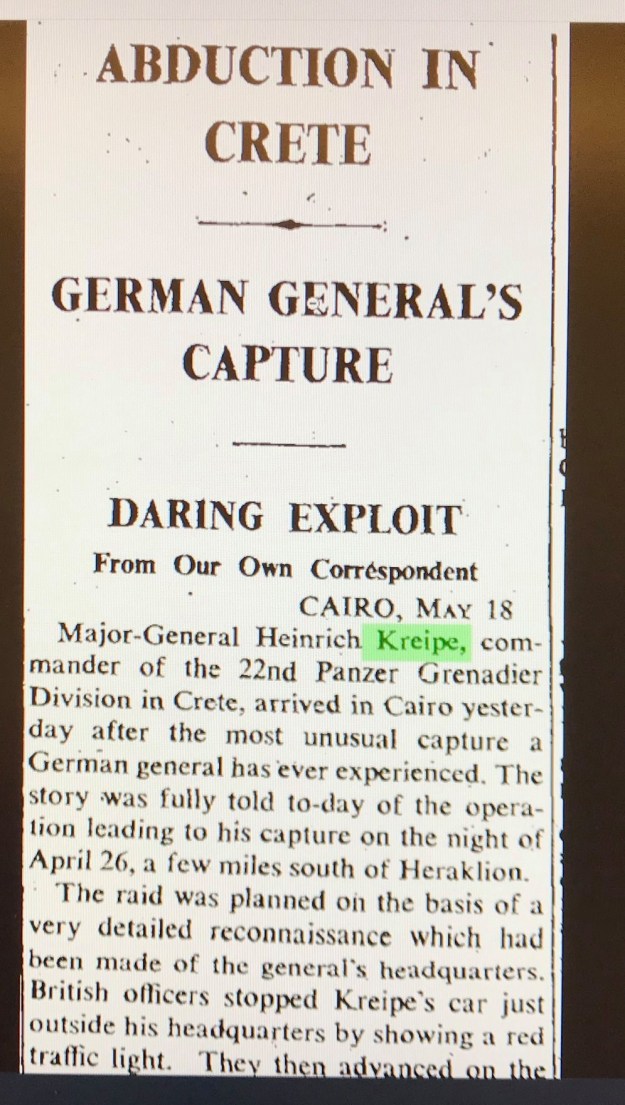
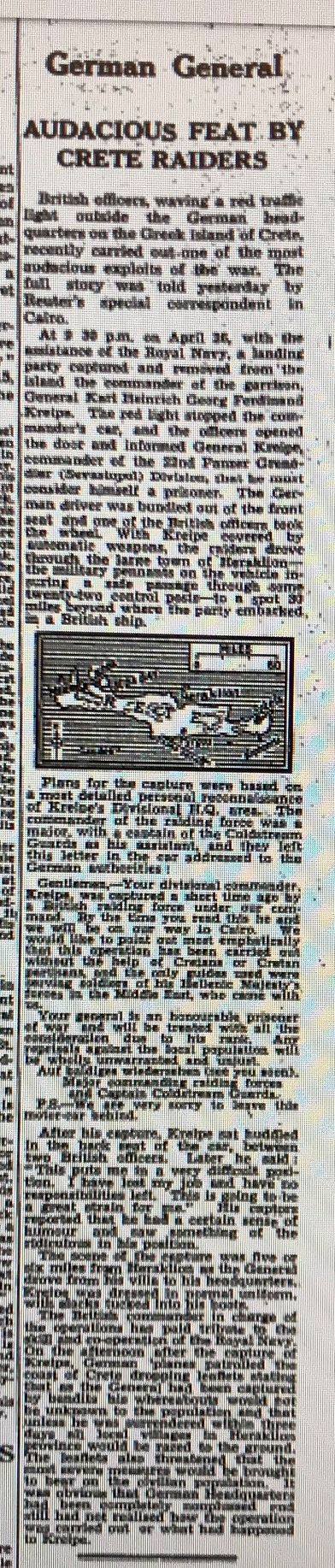
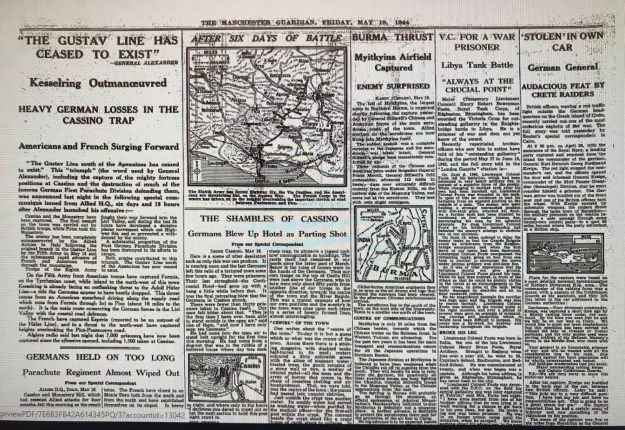
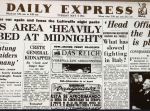
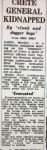
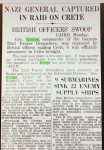
And finally the full story becomes major, even front page, news in Britain. Mirror, Times, Telegraph, Guardian, Express all report the kidnap – often alongside the major battles happening in Italy…

Kreipe headlines 1

Kreipe headlines 3

Kreipe headlines 4

Kreipe headlines 5

Kreipe headlines 6

General is now in captivity in Cairo

Mirror Kreipe headline 1


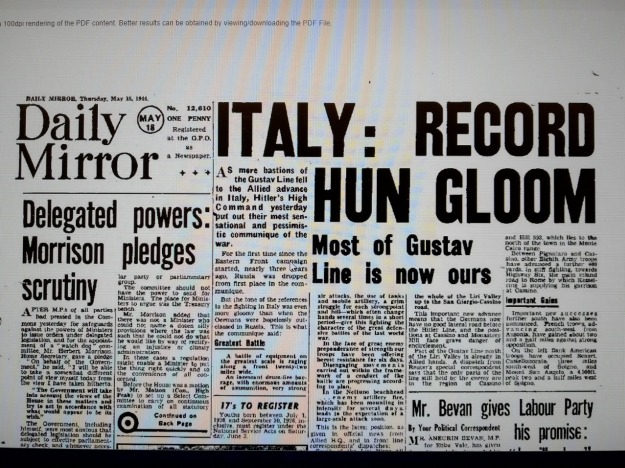
18th May 1944

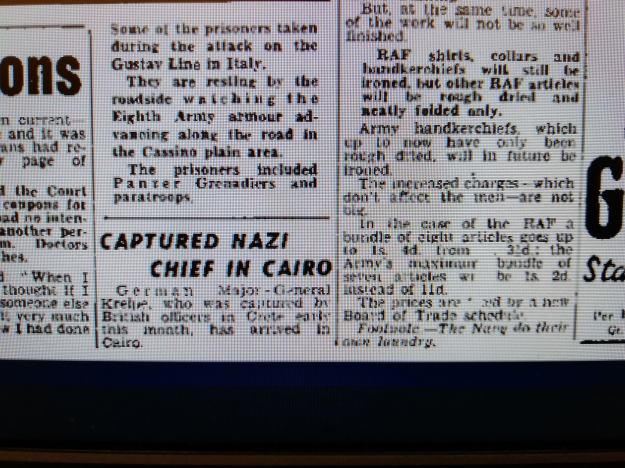
The General is now in captivity in Cairo…..and the Daily Mirror has the news.

Mirror Kreipe headline 2

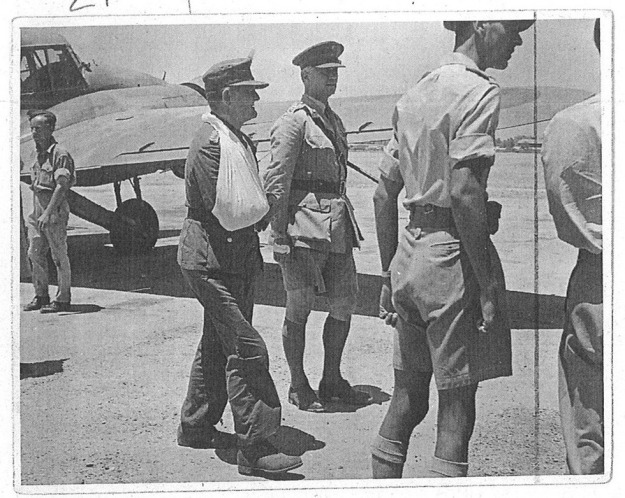
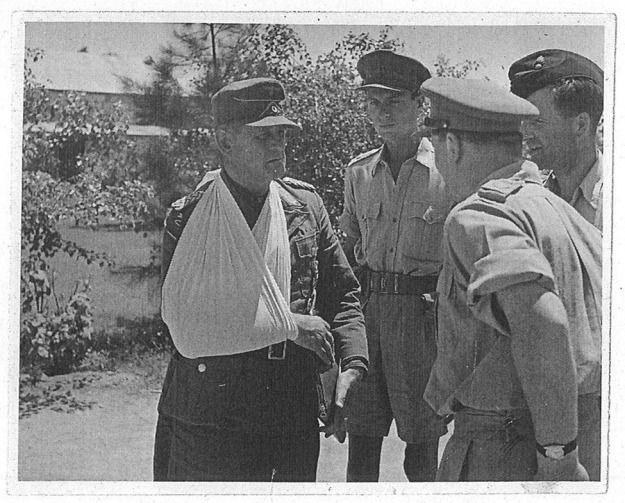
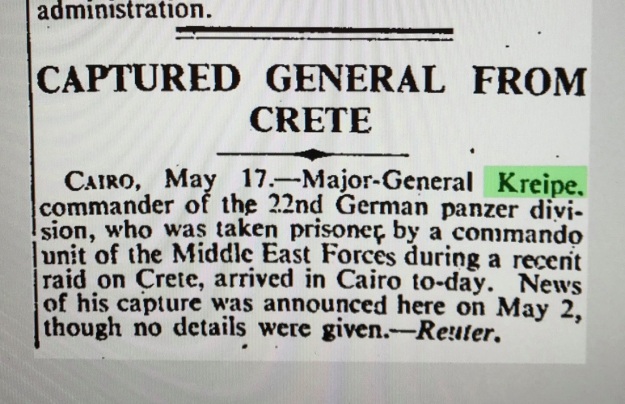
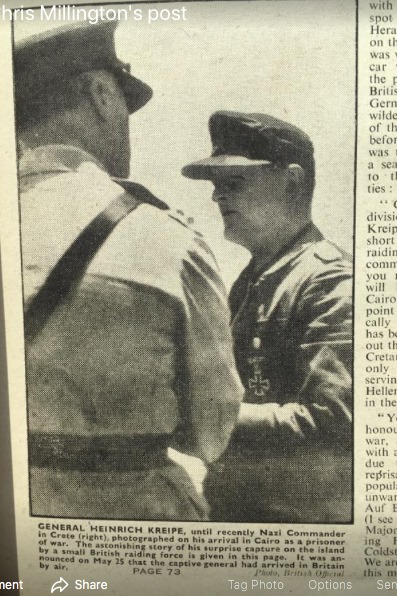
General Kreipe arrives in Cairo after flying from Mersa Matruh

Kreipe Cairo arrival 1

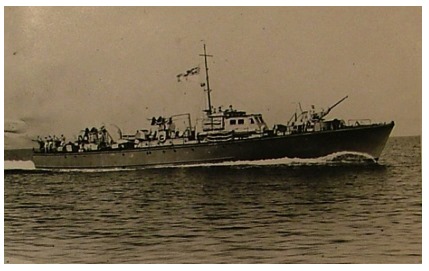
16th May: On the motor launch’s arrival in Mersa Matruh the General and the rest of the kidnap group were officially welcomed by Brigadier Barker-Benfield and the General spent his first night of captivity sharing a room with the Brigadier in the Officers Mess.

Kreipe Cairo arrival 2

Kreipe headline 17 May

Kreipe Cairo arrival 3

Waiting for the motor launch to arrive

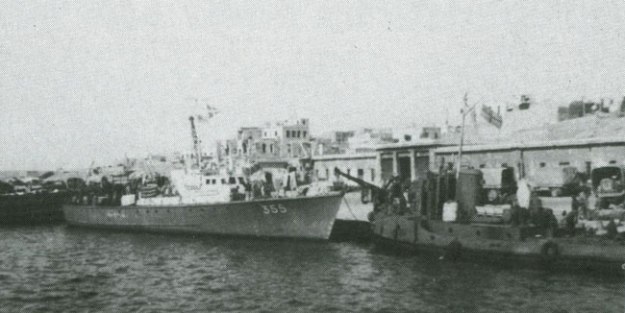
RN Motor launch rescue Fermor Kreipe

14th May 1944

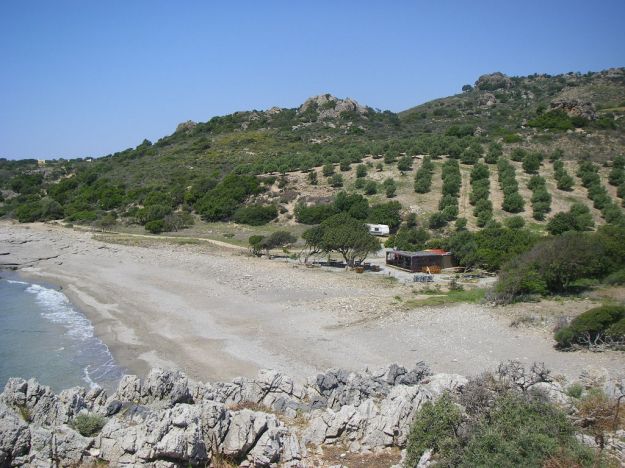
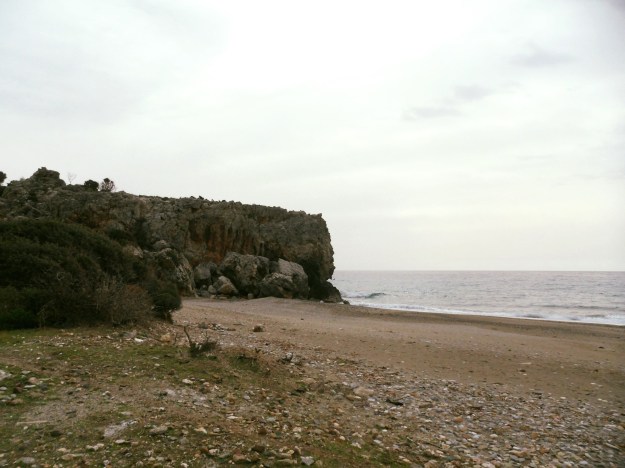
The final hours…..they have gathered in the rocks behind Peristeres beach, just below the village of Rodakino…..different andarte bands have joined them from the surrounding villages…and they are waiting for the motor launch to arrive…….

Paddy writes:

‘…..we all lay up till nightfall on a ledge in a deep hollow of the cliffs where an icy spring trickled down the rocks……Then we crossed the short distance to the little cove we hoped to leave from. It seemed to us all, with its walls of rock on either side and the sand and the pebbles, the lapping of the water and the stars, a quiet place for our adventure to end. As we stood about, talking in whispers at first, though there was no one to be afraid of, Andartes climbed down the rocks in two and threes to join us. There were the Rodakino Kapitans Khombitis and Manoli Yanna and Andrea Kotsiphis, and there too, suddenly, with the great fair moustache that had made us christen him Beowulf, was Petraka, the kapitan of the Asi Gonia band and one of our oldest friends on the island. He had brought a contingent of Goniots to join the other Andartes in guarding our departure and also to say goodbye. The place was filling up like a drawing room: groups were lounging about in the rocks or strolling with slung guns quietly conversing’

‘There was a slight coil of mist over the sea so it was not till she was quite close that we saw the ship. We could hear the rattle of the anchor going down; then two boats were lowered…….
The moment had come….We all pulled off our boots to leave behind; this was always done; even in rags they came in useful. Soon we were saying goodbye to Petraka and the Rodakino Kapitans and Yanni Katsias and the guerrillas and lastly to Antoni Zoidakis. We all embraced like grizzly bears. I tried to persuade Antoni to come with us; he wavered a moment and then decided against it. I wish he had. A sailor said “Excuse me Sir, but we ought to get a move on.”

As we neared the ship, the figures waving along the shore had begun to grow indistinct among the shadows and, very fast, it was hard to single out the cove from the tremendous mountain mass that soared from the sea to the Milky Way. The ship grew larger, her pom-poms and Bofors A.A. guns shining in the starlight. When we drew alongside sailors in spotless white were reaching down into the bulwarks to guide the General up the rope ladder (“That’s right Sir! Easy does it!”) while we – Billy, Manoli and George and I – helped from below. A moment later we were on the deck in our bare feet and it was all over.’

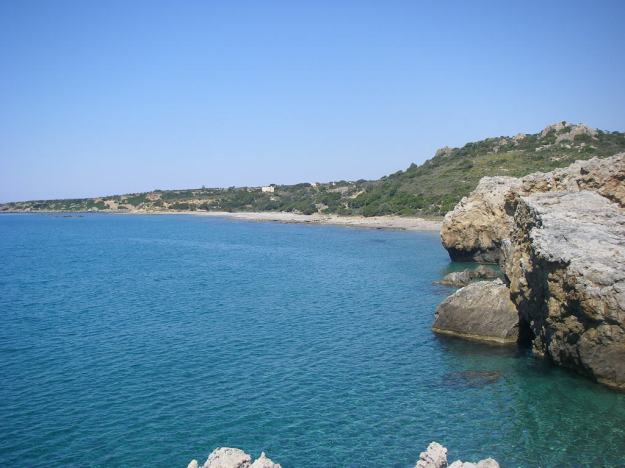
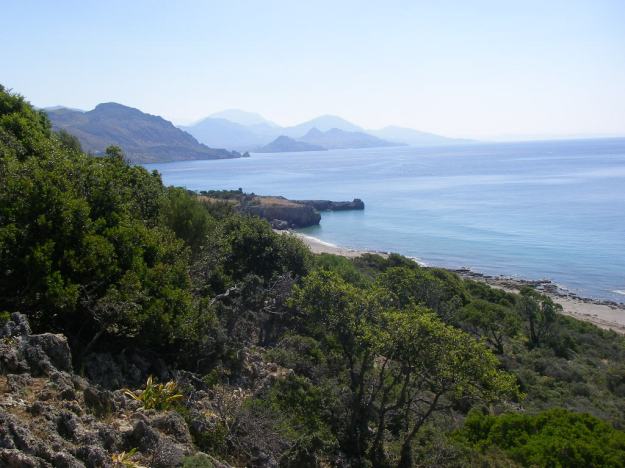
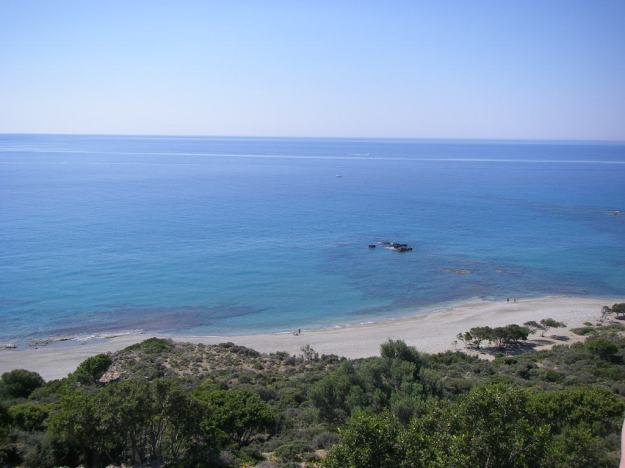
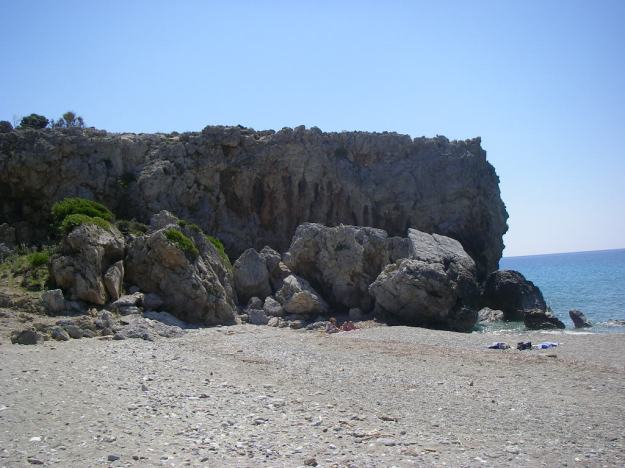
Peristeres beach 1

Peristeres beach 2

Peristeres beach 3

Peristeres beach 4

Peristeres beach 5

Peristeres beach 6

“Wunderbar, Herr General! We’re leaving!”

May 13th 1944

Nearly there…waiting in the rocky fissure outside Alones….

Paddy writes:
“Well, Herr Major, how are the plans for our departure progressing?” By now the General had become as solicitous for the success of our departure as we were.

“Wunderbar, Herr General! We’re leaving!”

It was true, the order of release or the promise of it, had come through. The German drive through the Asi Gonia mountains had driven Dennis to earth and put his set momentarily off the air. But messages from Cairo were beamed now to all stations and when the great news came through, Dick himself, hearing of our local troubles, and making a dash clean across the Nome of Retimo, reached our cheerless grotto long after dark. The boat would put in at a beach near Rodakino at 22 hours on the night of the 14th /15th May. – “10 o’clock tomorrow night!” It was in exactly a day from now. We would only just be able to manage it.

The thing was to get the main party to the coast under cover of darkness. I sent Billy off with George and the others and Yanni Katsias and his two wild boys by a short route which would bring them by daybreak to a place where they could wait for us. The General, Manoli and I would go by a much longer and safer way, where the mountains were so steep and deserted that, with a cloud of scouts out, we could move by day without much danger. Unfortunately it was too steep and uneven for a mule so the General would have to go on foot. But the sky was clear and there would be a bright moon and starlight.

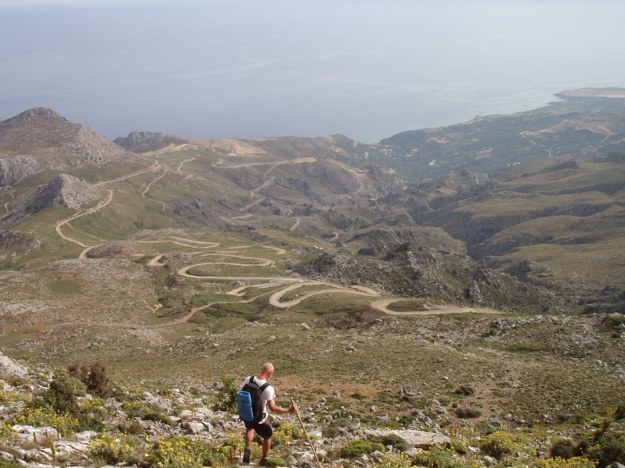
The Krioneritis mountains which we were to cross are not one of the highest ranges of Crete, but they are among the steepest and are certainly the worst going. They are bare and, except for an occasional thistle or thornbush or sea squill, as empty of vegetation as a bone yard; the place is ringed with craters and fractured into a jig-saw of deep crevasses; worst of all there is not a path or even a flat square foot in the whole of this wilderness. The region is a never-ending upside-down harrow armed with millions of limestone sickles and daggers and yataghans.
Sustained perhaps by the thought of an end to his ordeal, the General tackled this Via Crucis with scarcely a groan. Helped by Manoli and me when he stumbled and then by the guerrillas that shimmered like ghosts out of the vacancy, he moved across the landscape in a sort of trance.”

Dennis Ciclitira has joined them and has a working radio

May 11th 1944

Things are looking up! Dennis Ciclitira has joined them and has a working radio set up the valley in Asi Gonia. And they hear from Ianni Katsias that the closest beaches – at Rodakino – has potential as a pick up point.
They spend the day and evening resting and recovering. They are all very tired and the General is clearly suffering. Billy Moss recorded, after the General fell off the mule the day before:

“General in great pain, saying: ‘I’ve had enough. Why don’t you shoot me and get done with it’.”

Paddy writes:

Rumours of a German descent on the region had prompted Stathi to conceal us in such a cramped and precarious eyrie the night before; next morning all seemed serene: we climbed up to a commodious and beautiful ledge of rock where the General was consoled for the agonies of the ascent by the coloured blankets and the cushions spread there under the leaves by my god-brother (Stathi) and Stavro (an old drinking companion of mine) and by the marvellous banquet of roast sucking pig and kalitsounias, – crescent shaped mizithracroquettes – and the wicker demi-john of magnificent old wine which was waiting. Stathi was a great bon viveur and a paragon of kindness and generosity as well as being Kapetanios of an armed band. His eager blue eyes kindled with delight to see us demolishing his feast. He hoped, (and so did we) that we could lie up here in luxury until we slipped off over the hill to the boat. There was a rushing stream hard by and sweet smelling herbs all round us and the trees were full of nightingales. We banqueted and slept and talked and sang. The sun set through the surrounding peaks and as we lolled exulting on the soft rugs under the moon and the stars, for ever plied with fresh marvels by the two brothers, who sped to and from the village like kindly djinns, this sudden change in our affairs seemed to all of us as magical as the sudden transportation to paradise for beggars in a Persian story.’

The General falls from his mule

10th May 1944

After a day resting in Photeinou the party continue to travel westward. They are heading to the Kato Poros gorge outside the village of Vilandredo.

Paddy writes: ‘A mishap occurred on this long night’s march: the girth of the General’s mule broke and sent his rider tumbling down a steep precipice. We chased after him; we thought at first that one of his shoulder blades was damaged; we arranged a sling and after a while the pain seemed to go. But his right arm remained in a sling for the rest of the journey. It was an anxious moment.

Outside the little village of Vilandredo we were met by kind and enthusiastic Stathi Loukakis and his brother, yet another Stavro.

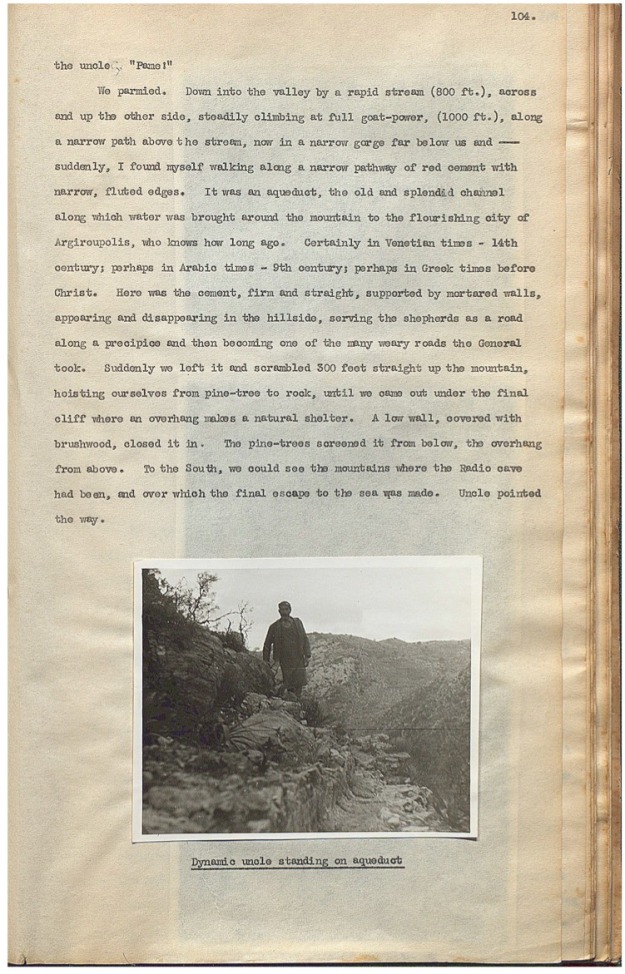
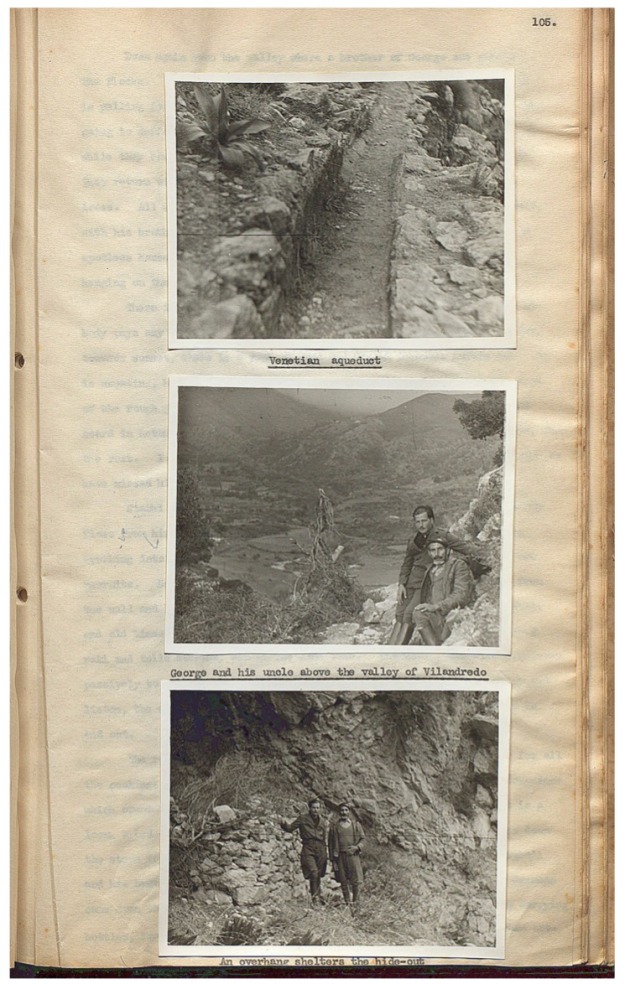
He led us all, dog-tired and woe-begone, to a built up cave that clung to the mountainside like a martin’s nest. It was only to be reached by the clambering ascent of a steep ladder of roots and rocks – up which our disabled captive could only be hoisted by many hands and slow stages.’

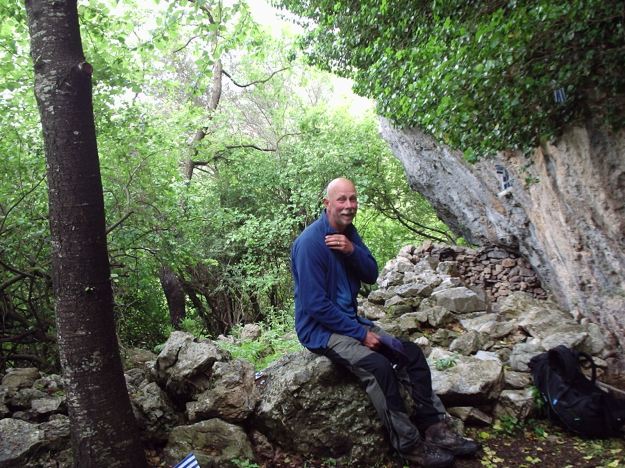
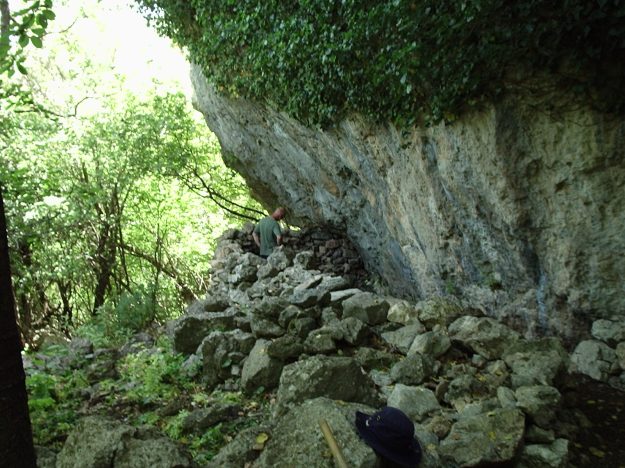
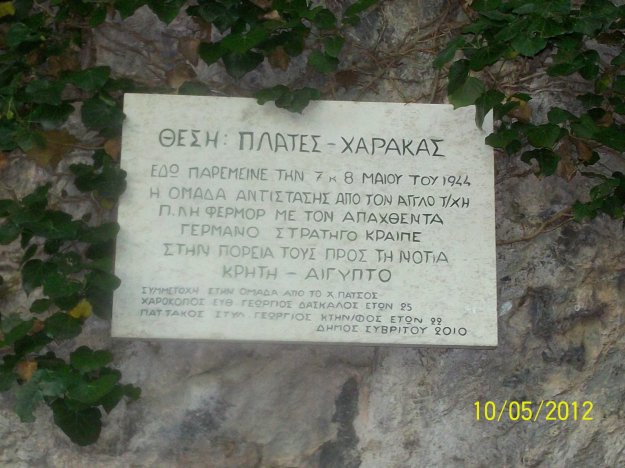
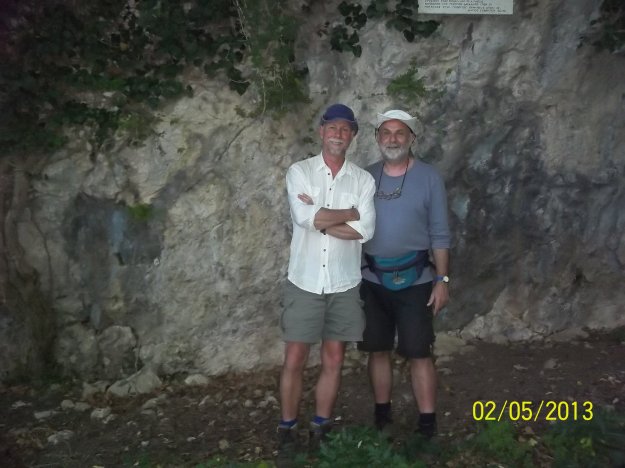
Michael Powell was led to the cave in !951, and we finally tracked it down in 2015.

Our sun is rising

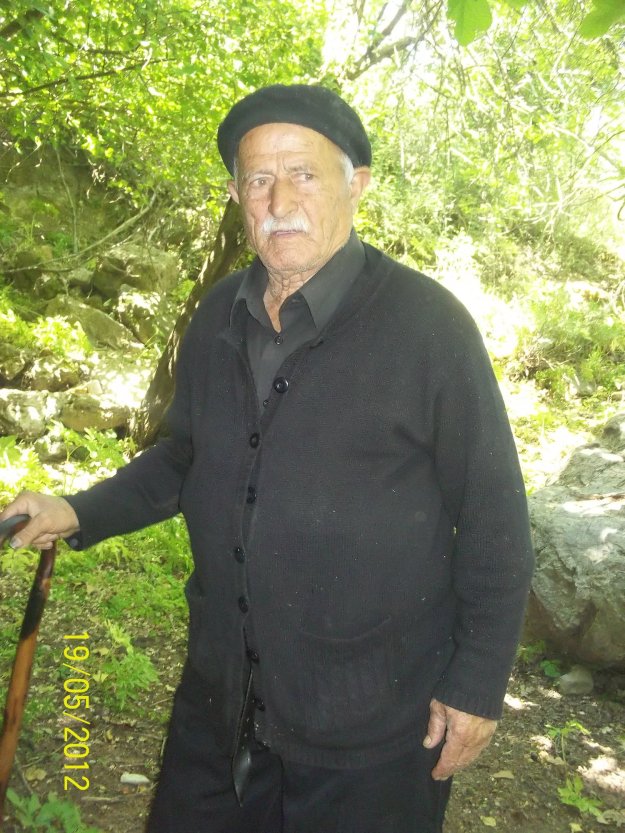
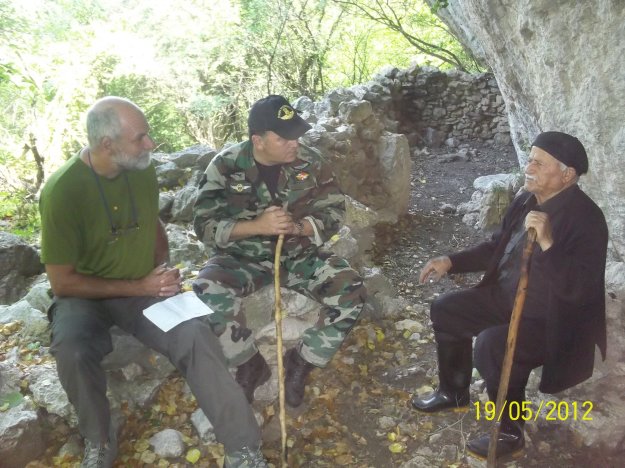
Chris White (C) with Charidimos Alevizakis (L) the nephew of Ianni Tsangarakis, Paddy’s greatest friend and guide. Charidimos had been a messenger for Paddy – and told us most emphatically that he and Paddy ‘were brothers.’

9th May 1944

After another day resting in Patsos the party head westward – reinforced by George Harokopos and George Pattakos, who supplies a mule for the General to ride on.

Paddy writes:

‘Our way westward over the plateau of Yious was our familiar east to west route over the narrowest part of western Crete. “Our sun is rising”, George had said as we set off at moonrise. It was a favourite saying in these nocturnal journeys. “Off we go,” Manoli said, “Anthropoi tou Skotous.” This phrase “men of Darkness!” was a cliché that often cropped up in German propaganda when referring to people like us, and we had eagerly adopted it. We were off, I hoped, on the last lap of our journey.’

‘Among the rocks and Arbutus clumps there was an ice-cold spring which was said to bestow the gift of immortality. We all lay on our faces and lapped up as much as we could hold. I told the General about the property of the water. He leant down from the saddle of his mule and asked urgently for a second mug.’
There destination for the night is the village of Fotinou – but they have to cross the main road from Rethymno to Spili without being spotted.

‘Men with guns whistled from the rocks and when we answered ran down to meet us and shepherd the party across the perilous highway. Others joined us out of the moonlight as we climbed into the conical hills where Fotinou is perched. Suddenly there was an alarm of a German patrol approaching directly ahead. Our party, by now quite large, fanned out along a ridge and lay waiting.’

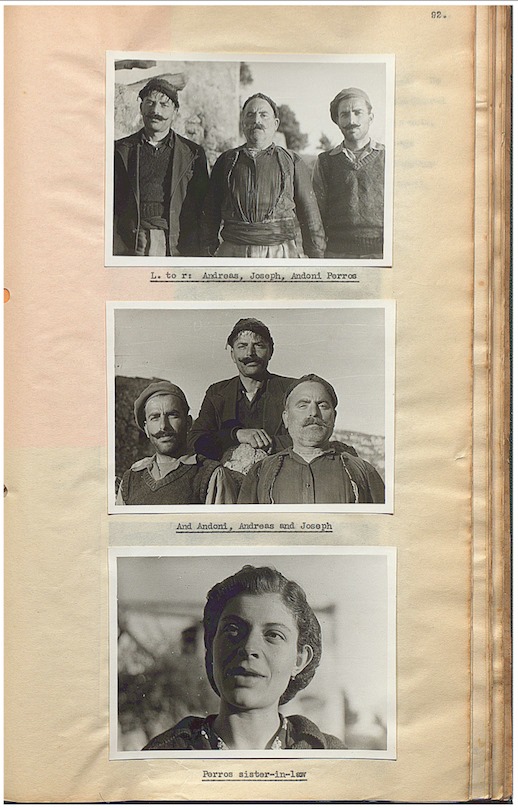
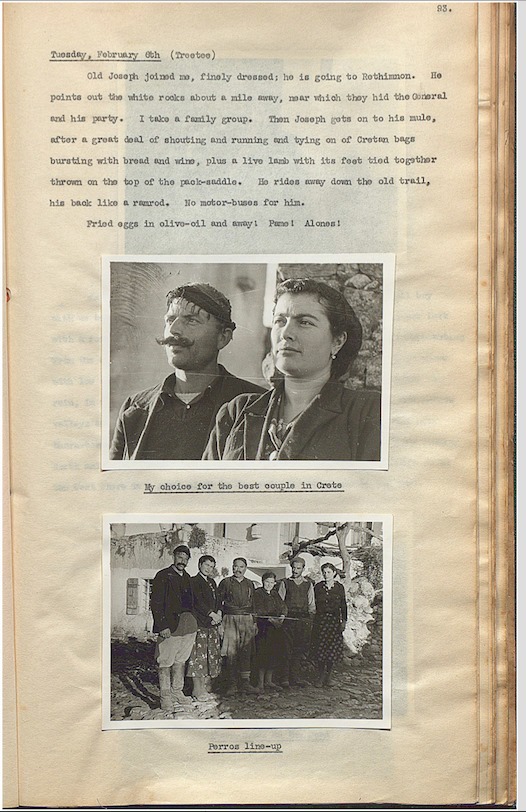
‘Luckily it was only another contingent of our growing escort. There was relief and laughter. By the time we got to the grove of Scholari outside Fotinou, we were very numerous indeed. Most of the troop was composed of old Uncle Stavro Peros and his eighteen sons and their descendents with several members of the Tzangarakis and Alevizakis families as well. Andoni, the youngest of the Peros brothers had just contracted a dynastic match with the daughter of a family with whom the Peros tribe had been locked in discord for generations; so an atmosphere of concord and rejoicing reigned in the hills.’

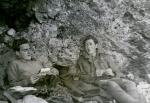
In 1951 the film director Michael Powell, as part of his research for “Ill Met By Moonlight’, had visited the village, and photographed the Peros family.

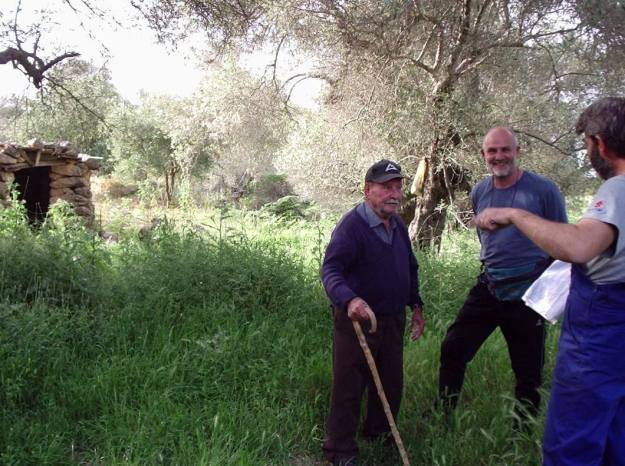
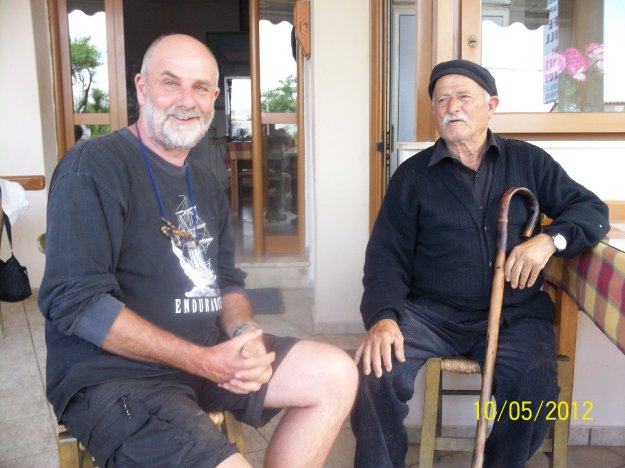
In our early research trips we were able to meet Despina Peros, who had married Andoni Peros – the dynastic match – and whose olive grove they had stayed in. Despina was very proud of her association with the kidnap and that she had fed the group.

And on our first research trip in 2010 we met Charidimos Alevizakis, the nephew of Ianni Tsangarakis, Paddy’s greatest friend and guide. Charidimos had been a messenger for Paddy – and told us most emphatically that he and Paddy ‘were brothers.’

We might have been in a drawing room

8th May 1944

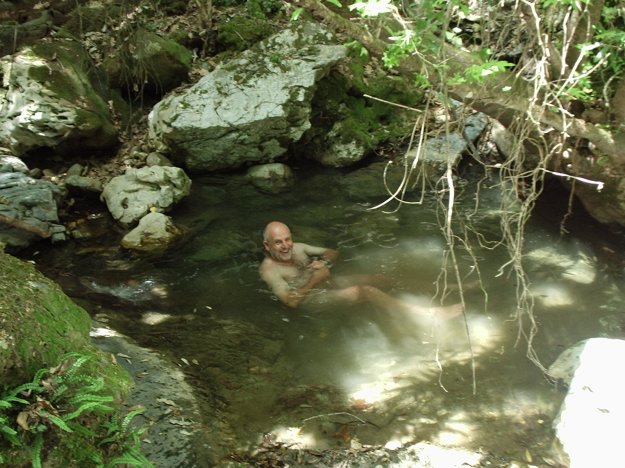
Tha main party stay resting outside Patsos. Billy writes about having a bathe in the tumbling stream nearby.
In the evening Paddy and Giorgos arrive from Genna and the group are reunited again.

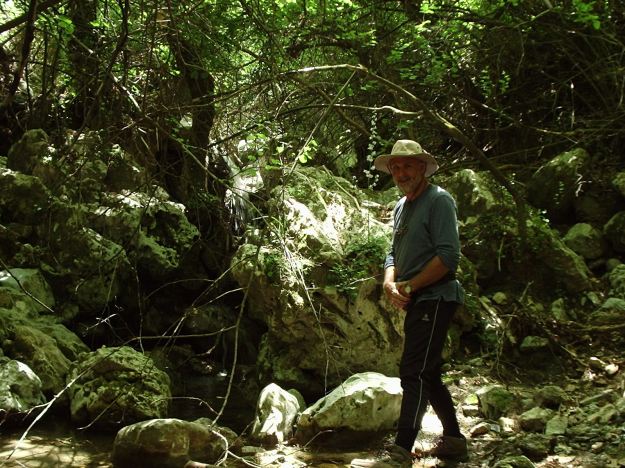
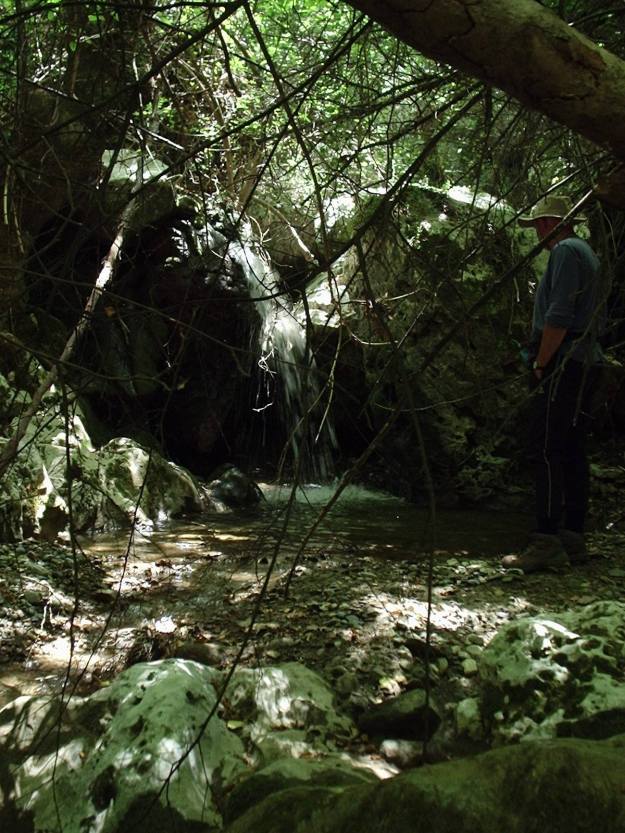
Paddy writes: ‘The party, when I found them, were star-scattered about a tumble-down stone hut shaded by a clump of tall plane trees and a beetling rock with a waterfall and a deep pool. George Harocopos and his old father and his pretty little sister were looking after them in this Daphnis and Chloe décor.’

‘”Good morning, General. How are you?”
“Ah, Good morning, Major. We missed you.”
We might have been in a drawing room.’

The party are joined by another villager from Patsos – Giorgos Pattakos – who we were privileged to meet several times on our early research trips

‘All was going according to plan’

7th May 1944

Messages are beginning to bear fruit….and Paddy realises they will have to travel further westward. They still don’t have a plan on how to depart but they are now getting better links with Cairo via the radio set at Dryade and their brave messenger, George Psychoundakis. Paddy and George stay on in Genna a further night.

In the evening Manoli, Billy, the General and the main party travel further westward to the village of Patsos, where they stay in a sheepfold in a gorge by a tumbling stream.

Paddy writes: ‘On the night of the 7th, the party with the General moved by an easy night march to Patsos, which was only two or three hours away from me. They were being fed and guarded by George Harocopos and his family, (George, a thoughtful and well read boy, later to become a gifted journalist, was the son of a very poor, but very brave and kind family, all of whom had been great benefactors to the wandering British). All was going according to plan.’

But when we saw the branding mark, We only stole the ram, Sir

6th May 1944

Paddy and Giorgos remain based in Genna – messengers coming and going as they desperately try to arrange a safe beach to be picked up from. Giorgos Psychoundakis returns with Dick Barnes – known as Pavlos.

Paddy writes: ‘This reunion with Dick – like many occasions in occupied Crete when one wasn’t actually dodging the enemy – became the excuse for a mild blind. ‘Mr Pavlo and I set off to Yeni,’ writes George Psychoundakis in ‘The Cretan Runner’, “where we found Mr Mihali (me) and Uncle Yanni Katsias. We sat there till the evening and the sun set. Yanni took us to the east side of the village where they brought us some food and first rate wine and our Keph (well-being) was great. The four of us were soon singing. Mr Mihali sang a sheep-stealing couplet to the tune of Pentezali, which went:

Ah, Godbrother, the night was dark
For lamb and goat and dam, Sir,
But when we saw the branding mark,
We only stole the ram, Sir.

The ram – the head of the flock – meant the General.’

Billy, Manoli, the General and the rest of the kidnap team remain in the sheepfold above Gerakari.

‘This is very satisfactory news’

5th May 1944

Paddy and Giorgos remain in Genna, coordinating messengers. They are joined by Giorgos Harokopos and Giorgos Psychoundakis, who then heads back off to the wireless set run by Dick Barnes at Dryade with a message.

The main party in the evening leave Gomara and walk up the Amari valley via the village of Gourgouthi to their next hideout – a sheepfold above the village of Gerakari.

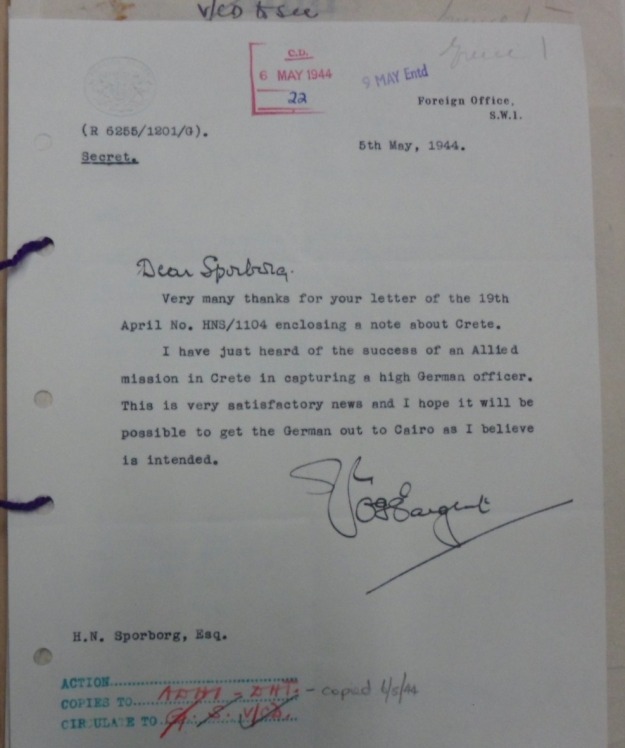
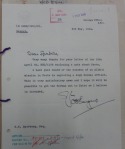
And in London Orme Sargent, the senior Foreign Office officer at Under Secretary level working to SOE, sends a memo to Harry Sporborg, deputy to Major-General Colin Gubbins, Head of SOE, expressing great approval of the coup. ’I have just heard of the success of an Allied Mission in Crete in capturing a high German officer. This is very satisfactory news and I hope it will be possible to get the German out to Cairo as I believe is intended.’

[1] National Archives HS 5/416

‘… if my companions are feeling half as uncomfortable as I do they must be feeling terrible’

4th May 1944

The main party are still hiding in the valley of Gomara. Billy Moss records in ‘Ill Met by Moonlight’:
“It rained all night long , and, as was inevitable, we are soaked to the skin. Around me I see a picture of human misery, and I know that if my companions are feeling half as uncomfortable as I do they must be feeling terrible.”
Spirits are lifted in the afternoon when messengers arrive from Sandy Rendel and Dick Barnes.

Meanwhile in Fourfouras Paddy and Giorgos leave the comforts of Giorgos’ family home and travel 14kms further up the valley to Pantanassa…..searching for the whereabouts of a working radio set.

Paddy writes:

“Among the cypresses of Pantanasa George and I ran into a hitch. The Hieronymakis family, we knew, were in touch with at least one of our wireless stations. By ill luck it was about the only village in the region where neither of us had ever been. The Hieronymakis knew all about us, we knew all about them, but we had never met and there was no one to vouch for us. The old men were adamant: ‘You say you are Mihali, Mihali who? And who are Siphi (Ralph Stockbridge) and Pavlo (Dick Barnes)? Never heard of them. Tk. Tk. Tk! Englishmen? but, boys, all the English left Crete three years ago …?’ The white whiskered faces turned to each other for corroboration, beetling brows were raised in puzzlement, blank glances exchanged. They went on calmly fingering their amber beads, politely offering coffee. It was no good raging up and down, gesticulating under the onions and paprika pods dangling from the beams: every attempt to break through was met by identical backward tilts of head with closed eyelids and the placidly dismissive tongue click of the Greek negative. They wouldn’t give an inch until they knew (as they say) what tobacco we smoked. We could, after all, be agents provocateurs.”

“This impressive but exasperating wall of security was only broken at last, after two precious hours of deadlock, by the entry of Uncle Stavro Zourbakis from Karines – a friend of us all. Everything dissolved at once. In greetings, recognition, laughter, Raki, a crackle of thorns and sizzling in the hearth and the immediate summoning and despatch of runners to the two sets in the North West.”

Paddy and George move on for the evening back down the valley to the village of Genna, where they were to stay for several days:

“The goat-fold of Zourbovasili lay in rolling biblical hills. There was a round threshing floor nearby, where George and I could sleep on brushwood with a great circular sweep of vision. This place was to become, during the next three days, the centre of all going and coming of messengers as plans changed and options elapsed. But now, after the scrum of the last few days it seemed preternaturally quiet in the brilliant moonlight. Ida towered east of us now, Kedros due south: The White Mountains, which had come nearer to us during the day, loomed shining in the west. How empty and still after our huddled mountain life, was this empty silver plateau! A perfect place to watch the moon moving across the sky and chain smoke through the night pondering on the fix we were in and how to get out of it. There was not a sound except a little owl in a wood close by and an occasional clank from Vassilis’ flock.”

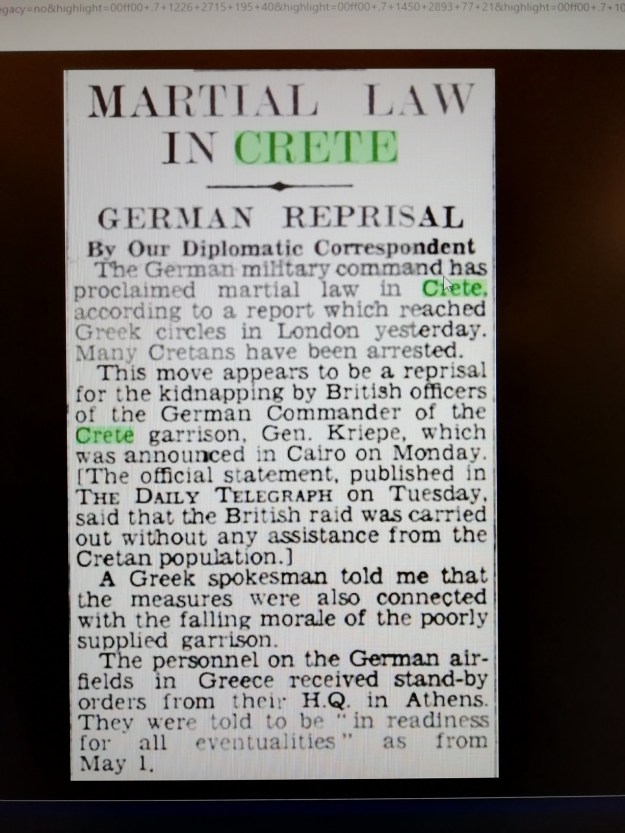
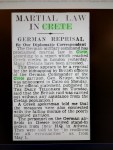
the Telegraph reports ‘martial law’ being declared on Crete

3rd May 1944

Another day spent in their hideout in the valley of Gomara. They are still stuck and have no contact with Cairo, and no idea of when, where or how they will get off the island.

But they have a plan….in the evening the party decide to separate.

Billy, Manoli Paterakis, the General and the main kidnap group will stay in Gomara.

Paddy and Giorgos Tyrakis will travel in the evening up the Amari to Fourfouras, Giorgos’ home village, in search of a working radio station.

They still remain in the news in the UK – the Telegraph reports ‘martial law’ being declared on Crete.

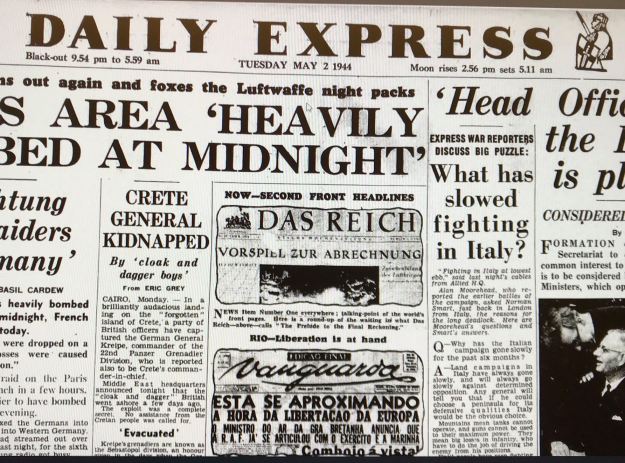
Front page news

2nd May 1944

If only they knew!

Paddy, Billy, the rest of the kidnap team and the General spend another miserable day in the ditch, fearing capture…but it is getting quieter for them, as the German patrols are now searching further up the mountain.

Meanwhile in the UK ….they are front page news – in the Express, Telegraph, Guardian and Times!

In the evening they decide to move a kilometre or so westward – to the valley of Gomara.

Giorgos Pharangoulitakis describes it his memoir ‘Eagles of Mt Ida’: ‘We decided to shift towards the valley of Gomara, just west of Ayia Paraskevi, a part where they had searched every inch, and where we could take up a better defence posture. It was a steep rocky place with a hole like a sort of grotto under a cliff where we could hide for the night.’

In the end they spend the night and the following day under the branches of ‘a very large pear tree …it was like an eagles nest’.

‘the General realises that our capture would prove fatal for him’

1st May 1944

A long and dangerous day spent hiding in the ditch outside Agia Paraskevi. Probably the low point for all in the journey, and where they are most vulnerable to discovery by the German cordon – Moss records Kreipe’s realisation of his personal need for the success of the operation in order to ensure his own survival:

“I think the General realises that our capture would prove fatal for him.”

They can hear German patrols, sometimes as close as 50 metres, searching for them.

Paddy records that food is brought to them from Agia Paraskevi:

‘Antoni unpacked bread, cheese, onions, a dish of fried potatoes, some lamb and a napkin full of ‘kalitsounia!’ – crescent shaped fritters full of soft white cheese and chopped mint. Then a big bottle of mulberry raki came out and a handful of little tumblers. ‘This will warm you up,’ he said filling them: ‘White flannel vests all round.’ He splashed politely over to our guest with the first one, saying ‘stratege mou” (my General) then to the rest of us. They went down our throats like wonderful liquid flame. ‘And here,’ he said pulling out a gallon of dark amber wine, ‘red overcoats for all.’

What they don’t know is that in Cairo SOE have made a public announcement that Kreipe has been kidnapped and has already been taken off the island by submarine and is on his way to Cairo.

However they are still stuck, with no way of contacting Cairo and have no idea – as yet – of how they will get off the island.

The descent of Mt Ida

30th April 1944

The descent of Mt Ida has been exceptionally arduous in the dark so the day is spent recovering in Vorini Trypa, the large cave above Nithavris on the side of Mt. Ida.

That evening, in the rain and mist, they leave the cave and head further down the mountain into the bottom the Amari valley.

It is a difficult and very dangerous journey as the Germans are hunting for the General and are in all the villages immediately around them.

They first head west to the village of Kouroutes and then south until they stop and hide in a stream bed outside Agia Paraskevi.

Paddy records: Rain came swishing down: ‘Marvelous for the olives’, Manoli murmured. We waded through a stream and began to climb again. The rain turned to sleet. At last the village of Aya Paraskevi was only half an hour away. The Germans would have sentries out, perhaps patrols; better to stop there. We piled into a ditch mercifully overgrown with cistus, thyme and myrtle; protection from view, but not from the rain.

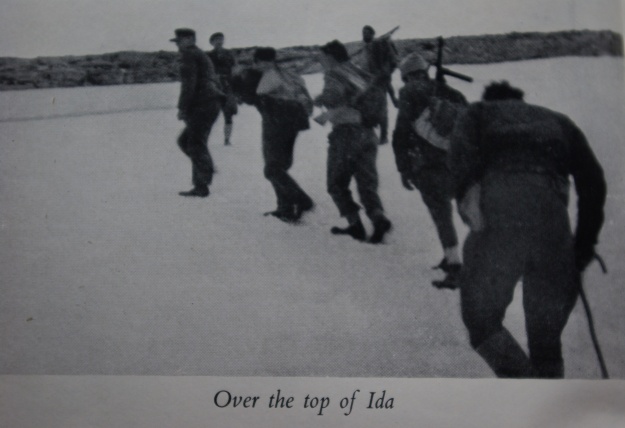
The ascent of Mount Ida in wind and snow

In the snow on top of Mount Ida

29th April 1944
The weather is deteriorating and the kidnap team need to walk over the side of Mt Ida and down into the Amari valley. It will be a long and arduous day and night.

At midday the party leave Petradolakkia and skirt the side of the Nidha plateau. They are heading for the mitato belonging to Roti, where they will rendezvous with Kapetan Petrakogiorgos and his andartes who will escort them over the side of the mountain. They climb up to the plateau of Akolyta and in rain, wind and snow they head over until they can see signal fires in the Amari telling them it is safe to descend. They shelter in the remains of a mitato before descending. After a long and arduous descent they are led to Vorini Trypa – North Hole – a large cave with tunnels and caverns heading off from the back of it. This cave has been used by the Resistance on several occasions before this visit, and is used by Dunbabin and George Psychoundakis in August 1944.

“Ach so, Herr Major.”

28th April 1944.

PLF and the kidnap team spend the day at Petrodolakkia with Xylouris and his andartes, where they take many photos. Tom Dunbabin has sent 3 members of his team from the Amari to the hideout, including Reg Everson and a wireless. The plan is to send a message to Cairo so that an evacuation date and beach can be identified, but the radio is broken. They are stuck. PLF sends off various messages, including one to Dick Barnes who has a radio station near Rethymno. The team are joined by Grigori Chnarakis, Nikos Komis and Andoni Papaleonidas, who have walked up from the kidnap point. They are meant to bring with them the General’s driver, Alfred Fenske, but he has been killed on the journey.
At Bletchley Park the codebreakers decode a German signal stating that Kreipe has been kidnapped.

PLF records the following incident:

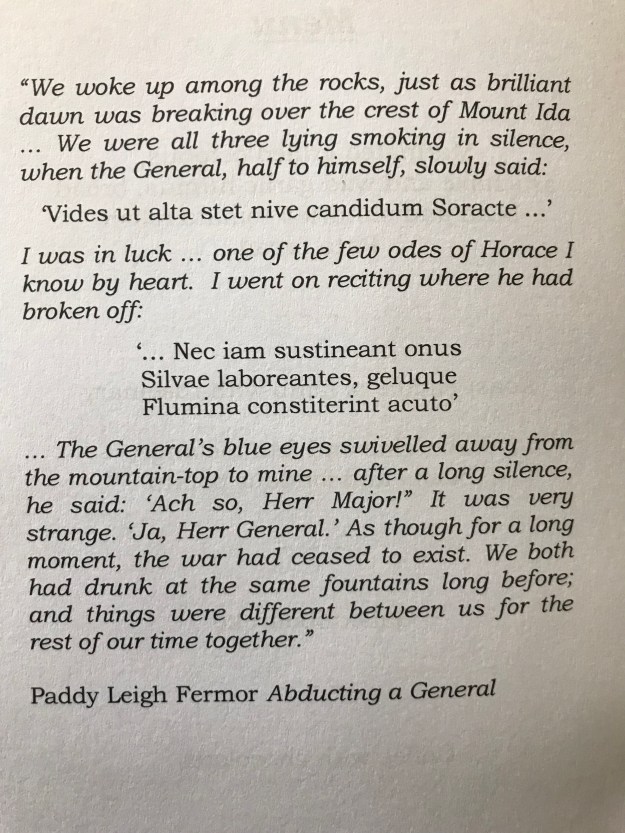
‘A curious moment, dawn, streaming in the cave’s mouth, which framed the white crease of Mount Ida. We were all three lying smoking in silence, when the General, half to himself, slowly said:

“Vides ut alta stet nive candidum Soracte”

The opening line and a bit of one of the few odes of Horace I know by heart. I was in luck.

” … Nec jam sustineant onus” I went on
“silvae laborantes geluque
Flumina constiterint acuto”

And continued through the other stanzas to the end of the ode. After a few seconds silence, the General said: “Ach so, Herr Major.” For five minutes the war had evaporated without a trace.[i]

[i] William Stanley Moss recorded this mutual love of the Classics in ‘Ill Met by Moonlight.’

‘Paddy discovered that the General is a fair Greek scholar, and, much to the amusement of our Cretan colleagues, the two of them entertained each other by exchanging verses from Sophocles.’

PLF and George Tyrakis rendezvous with the team

27th April 1944.

PLF and George Tyrakis rendezvous with the General and the rest of the kidnap team north of Anogia. In the evening they begin the long trek up the slopes of Mt Ida to the Xylouris sheepfolds at Petrodolakkia. On the way they rest briefly in one of the many mitatos (cheese huts) in the area.

Third time lucky … the kidnap is on!

26th April 1944.

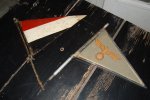
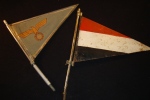
Third time lucky…..the Kreipe kidnap team leave the Zographistos farmhouse outside Skalani and walk to the kidnap spot and wait for the General to drive past. At 9 pm they stop the car and the kidnap begins. The General is handcuffed and hidden on the back seat of the car. They drive past the Villa Ariadne and through Heraklion, entering by the Agios Giorgos gate and leaving by the Chaniaporta. They drive on into the mountains, stopping at Yeni Gave, where Billy Moss, Manoli Paterakis, Stratis Saviolakis and the General leave the car, heading up a track for a hideout in a ravine north of Anogia. PLF and Georgos Tyrakis drive for a further 2 kms and dump the car at Campo Doxaro, at the start of a track leading to the Cheliana ravine and the sea. They take with them the pennants from the car and head to the village of Anogia.

Abducting a General – locations by each day

The more observant amongst you may recall that this post was actually first published way back in February. That was to keep the time sequencing of the operation that ended with the kidnap of General Kreipe intact. Between then and now Paddy had been joined by Billy Moss and detailed planning and reconnaissance was underway, including refining the actual details of the kidnap action, rehearsing timings, working on signals, the dress to be worn (the famous captured German outfits), and of course, for any operation of this type, the extraction plan. I’ve repeated the post as the introduction to the series of narratives put together by Chris White which will commence in earnest tomorrow.

Over the next few weeks I am honoured to be able to share with you some work by Chris White, co-author of Abducting a General, who has spent many weeks and months on Crete over the years tracing the precise route and locations of the kidnap. In 2020, Chris posted this series on Facebook. He has approved it being repeated on here. Stories will pop up from time to time, and will run virtually day-by-day during the time period of the kidnap. I hope that you enjoy it.

Over to Chris ….

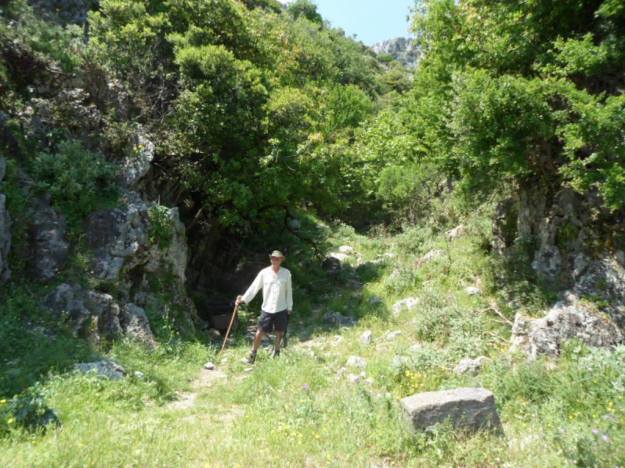
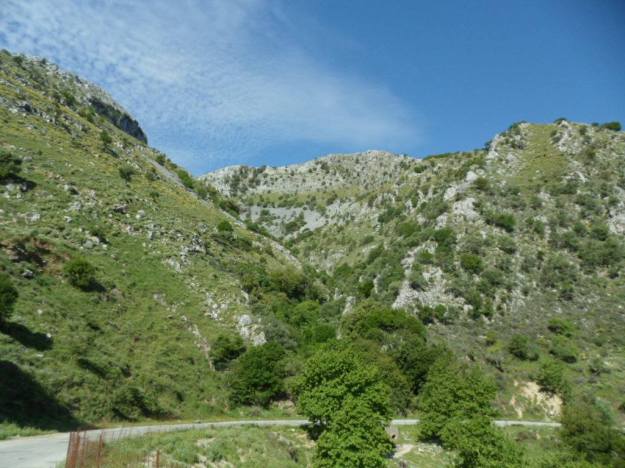
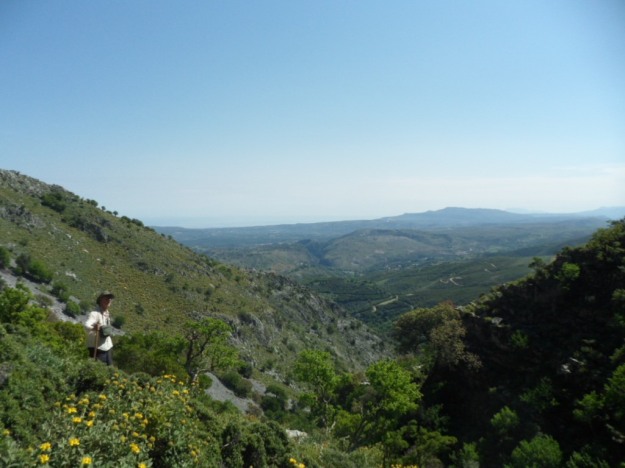
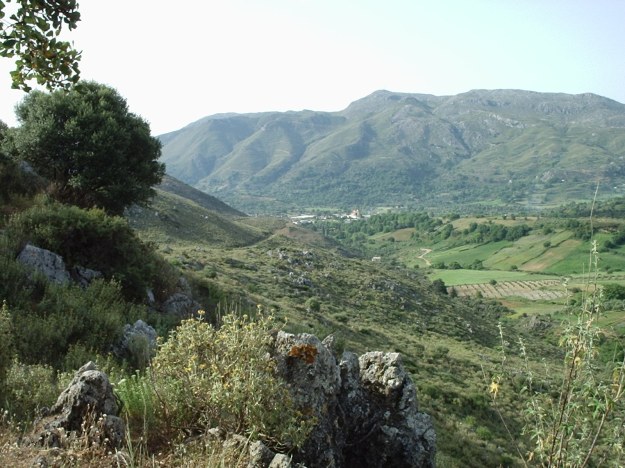
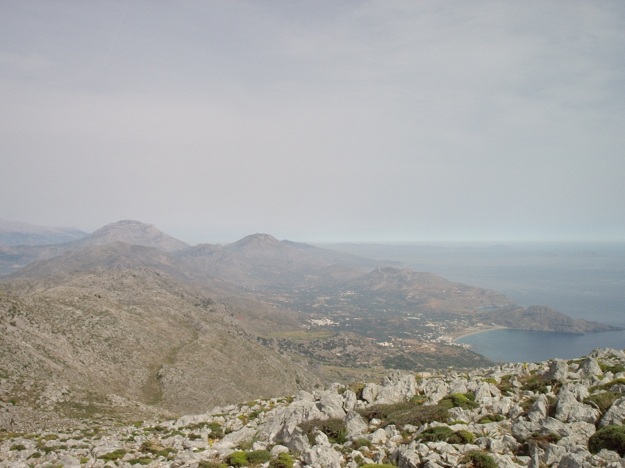
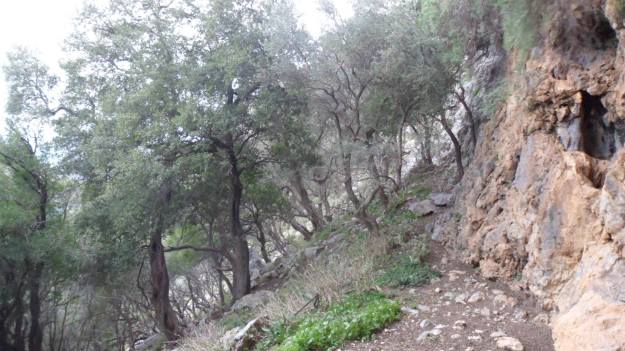
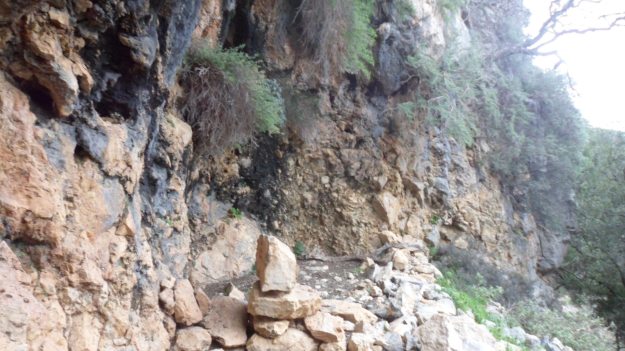
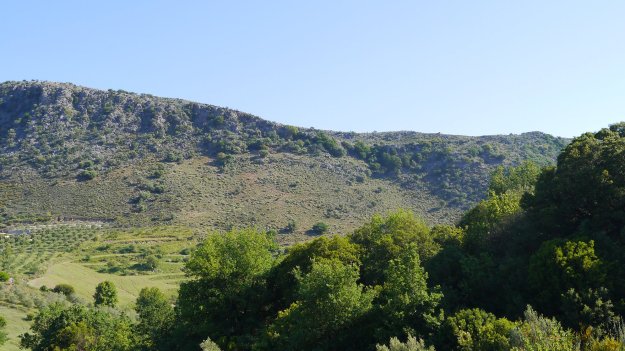
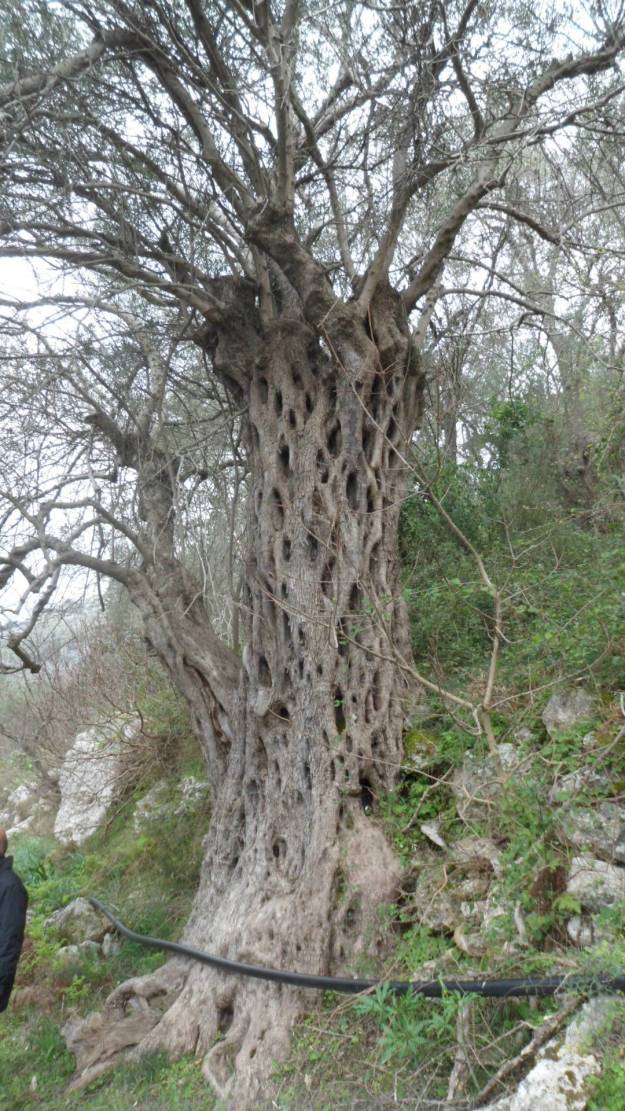
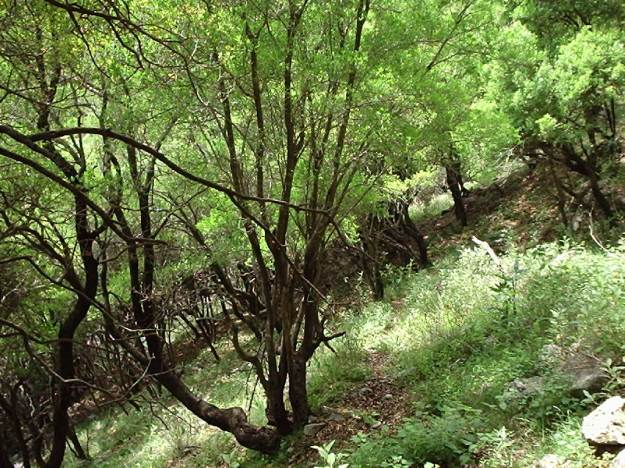
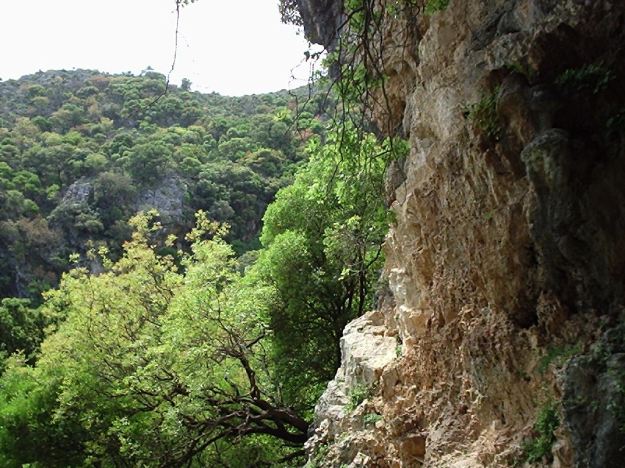
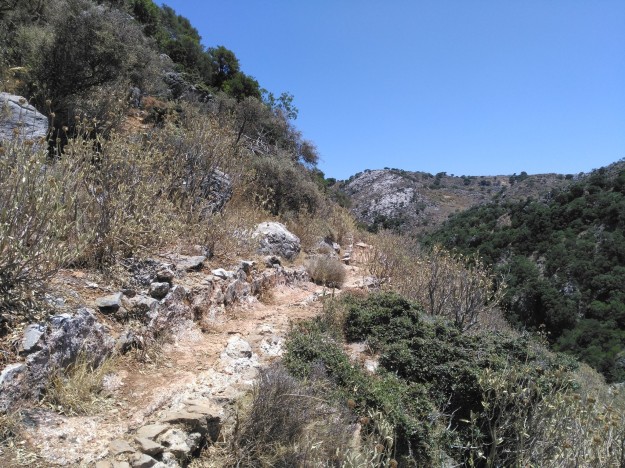
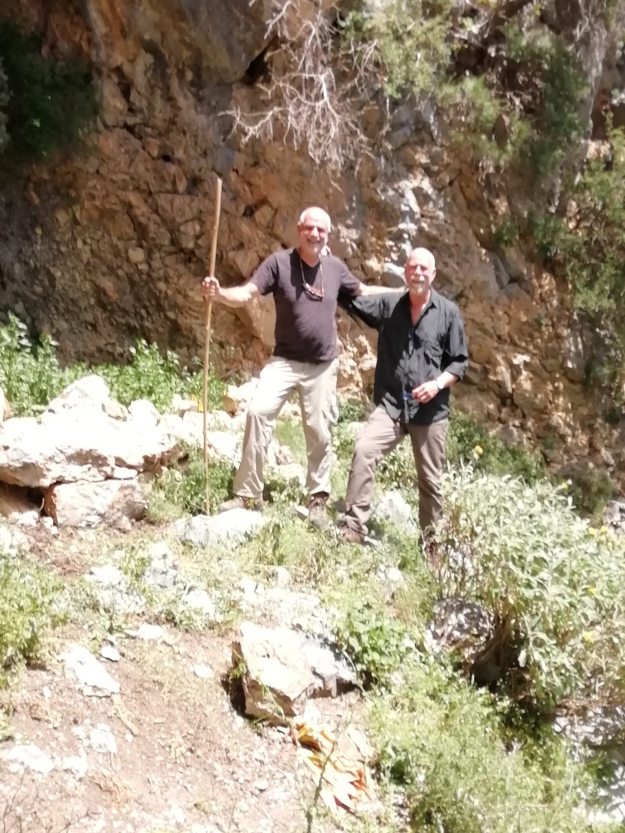
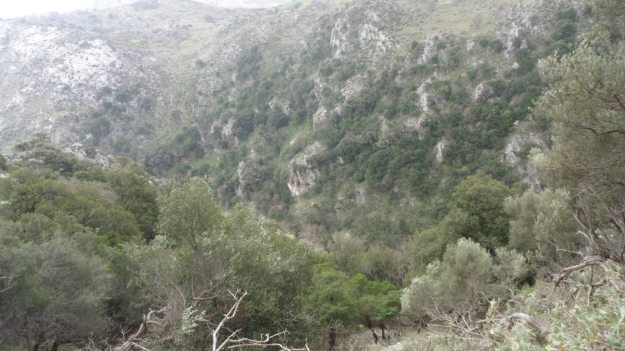
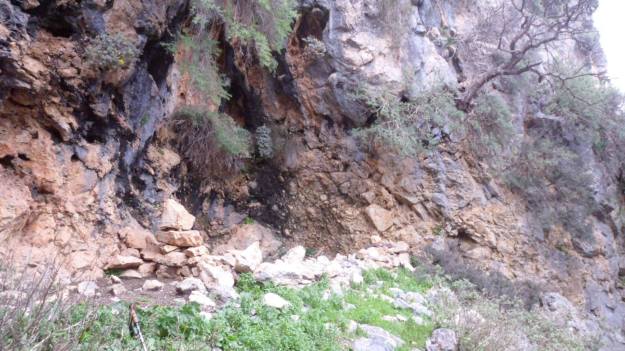
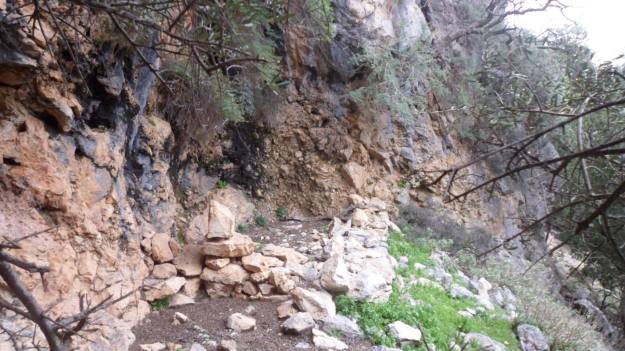
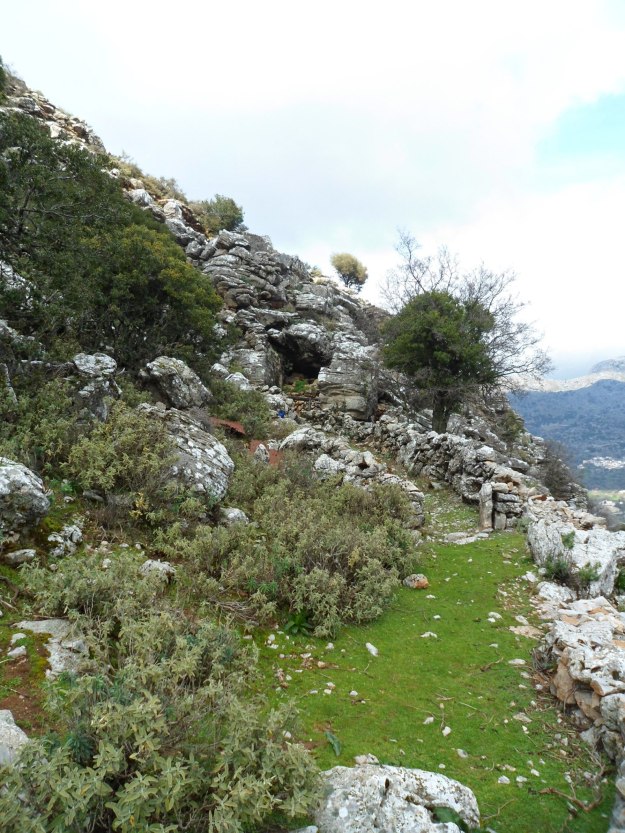
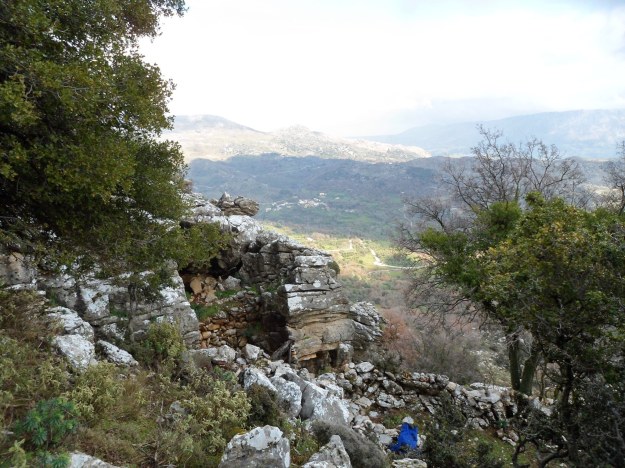
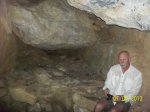
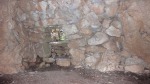
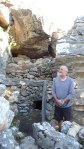
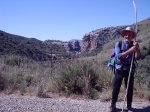
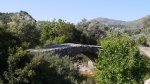
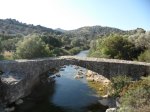
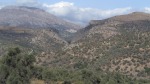
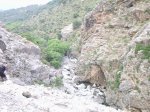
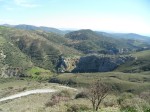
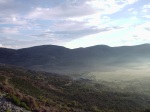
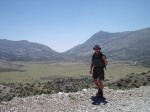
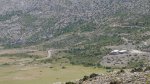
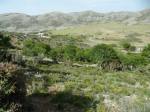
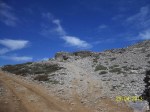
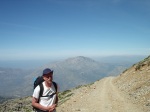
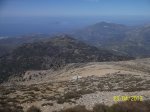
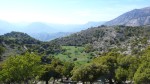
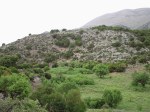
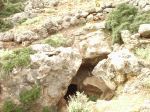
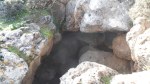
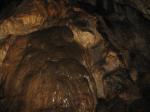
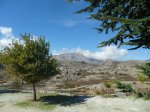
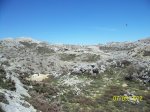
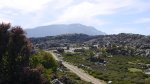
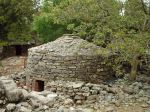
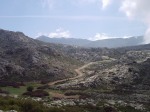
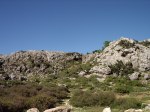
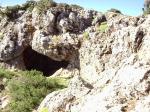
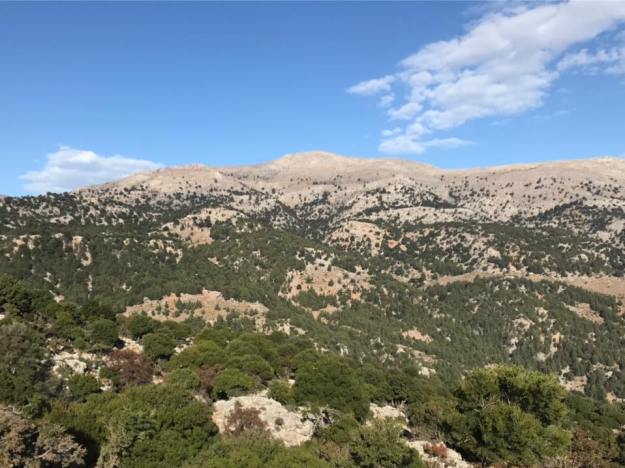
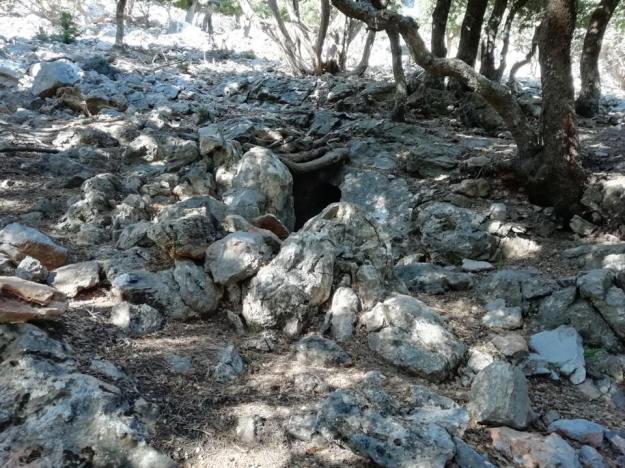
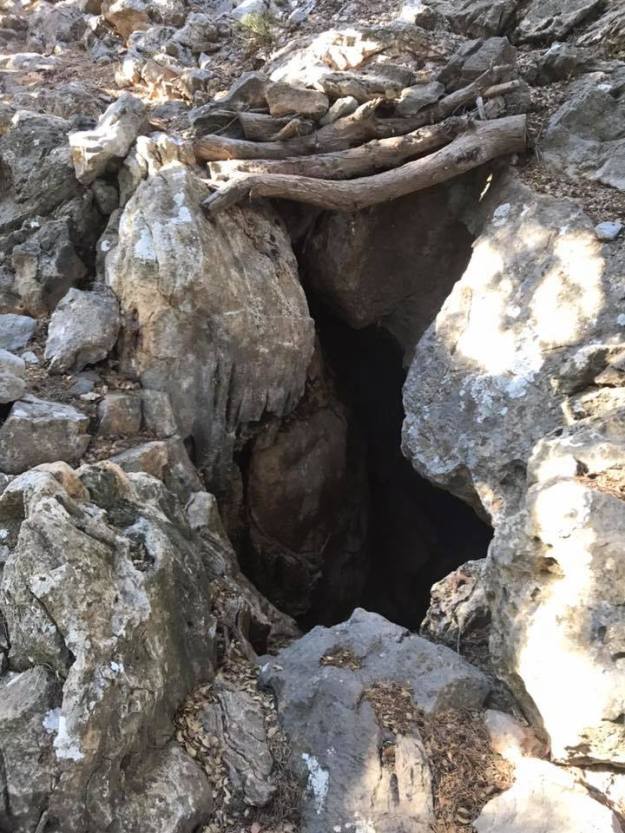
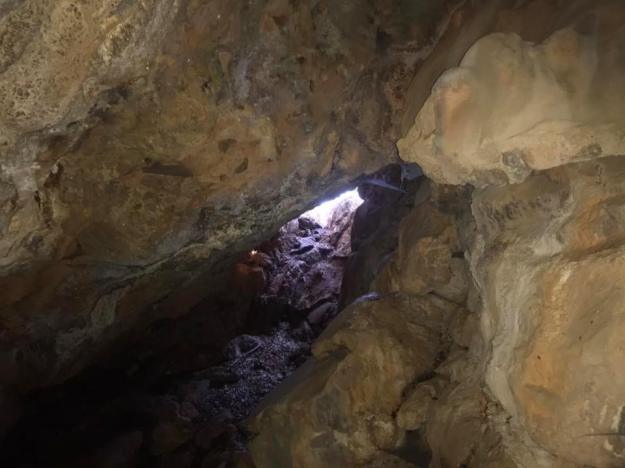
We start on February 4th 1944. Paddy parachuted on to the Katharo Plateau and was met by Sandy Rendel, whose base was in a cave a few miles away. The cave is now known as the Spiliaou ton Anglikon, the cave of the English. This week I have been exploring the area around the plateau and visited the cave…..a long stony walk through woods and ravines and along the sides of steep valleys.

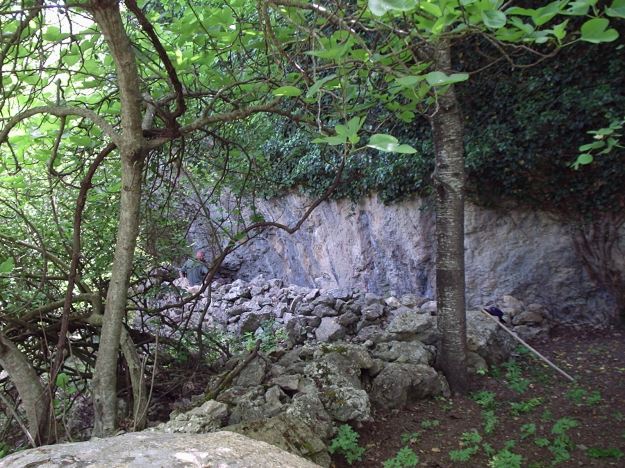
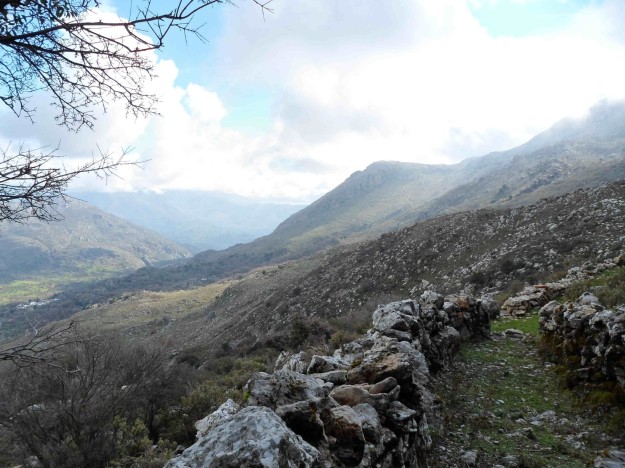
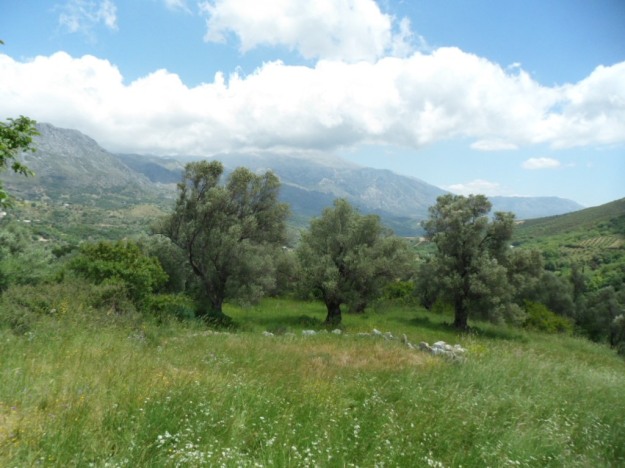
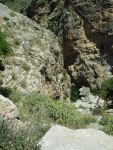
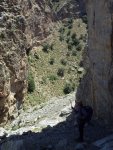
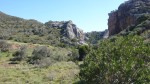
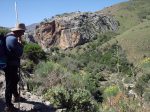
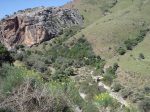
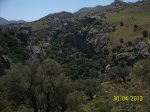
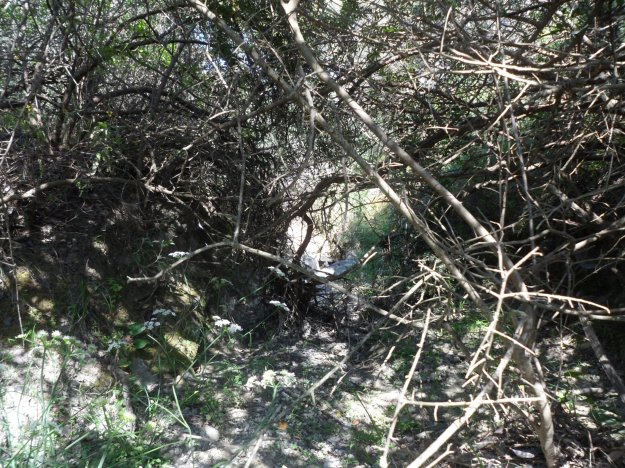
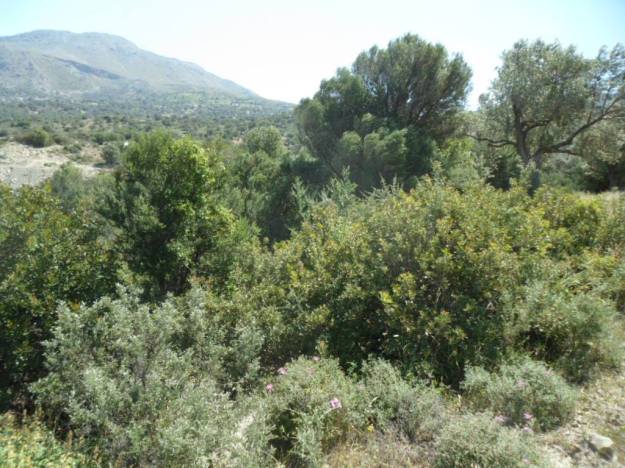
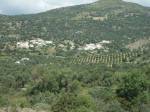
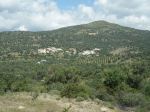
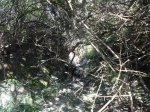
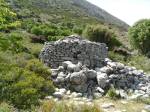
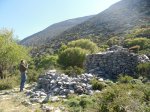
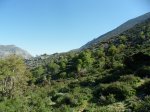
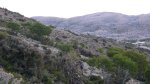
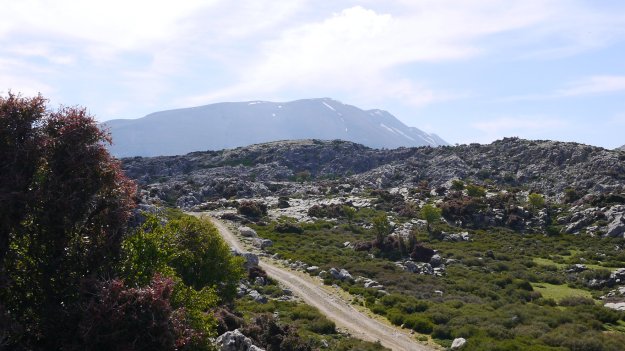
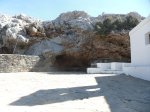
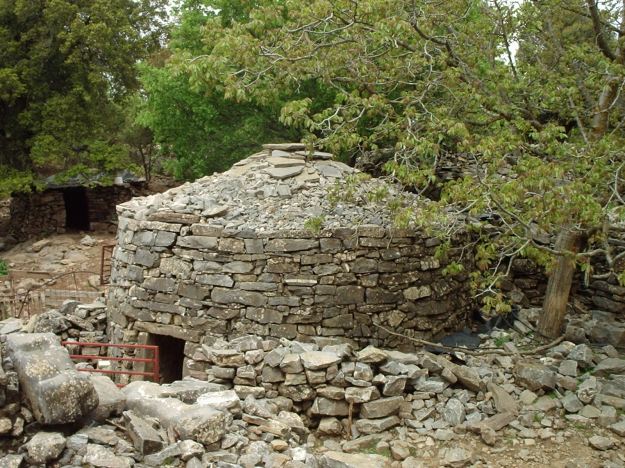
The photos: the first shows where the cave is (centre of picture) in the landscape; the next three show the cave in more detail.

Abducting a General – locations by each day

Over the next few weeks I am honoured to be able to share with you some work by Chris White, co-author of Abducting a General, who has spent many weeks and months on Crete over the years tracing the precise route and locations of the kidnap. In 2020, Chris posted this series on Facebook. He has approved it being repeated on here. Stories will pop up from time to time, and will run virtually day-by-day during the time period of the kidnap. I hope that you enjoy it.

Over to Chris ….

We start on February 4th 1944. Paddy parachuted on to the Katharo Plateau and was met by Sandy Rendel, whose base was in a cave a few miles away. The cave is now known as the Spiliaou ton Anglikon, the cave of the English. This week I have been exploring the area around the plateau and visited the cave…..a long stony walk through woods and ravines and along the sides of steep valleys.

The photos: the first shows where the cave is (centre of picture) in the landscape; the next three show the cave in more detail.

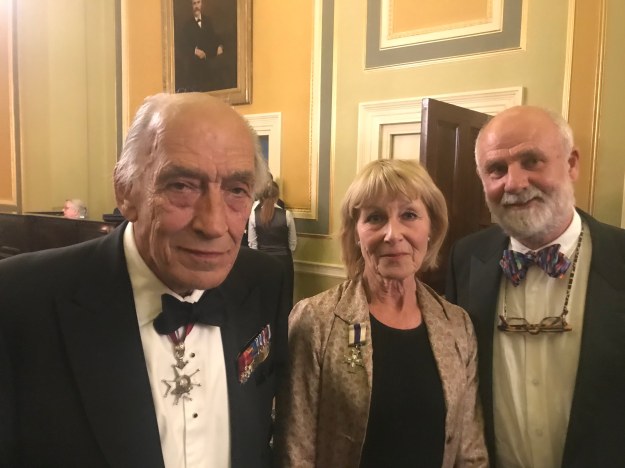
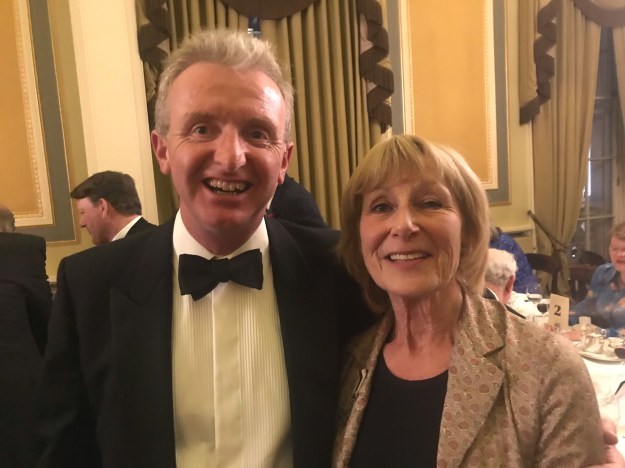
A few photographs from the 75th anniversary dinner at the Travellers Club

General Mike Jackson, Isabelle Moss, Chris White (co-author of Abducting a General)

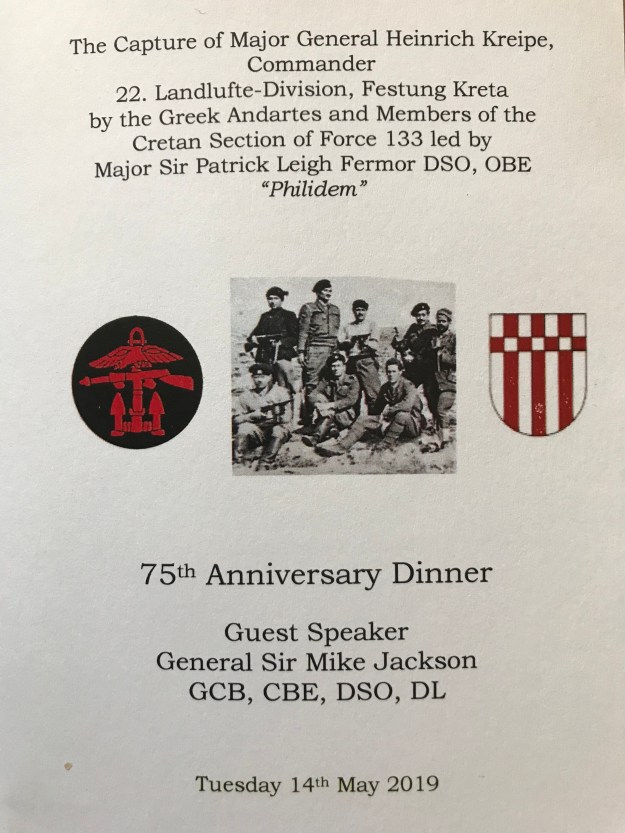
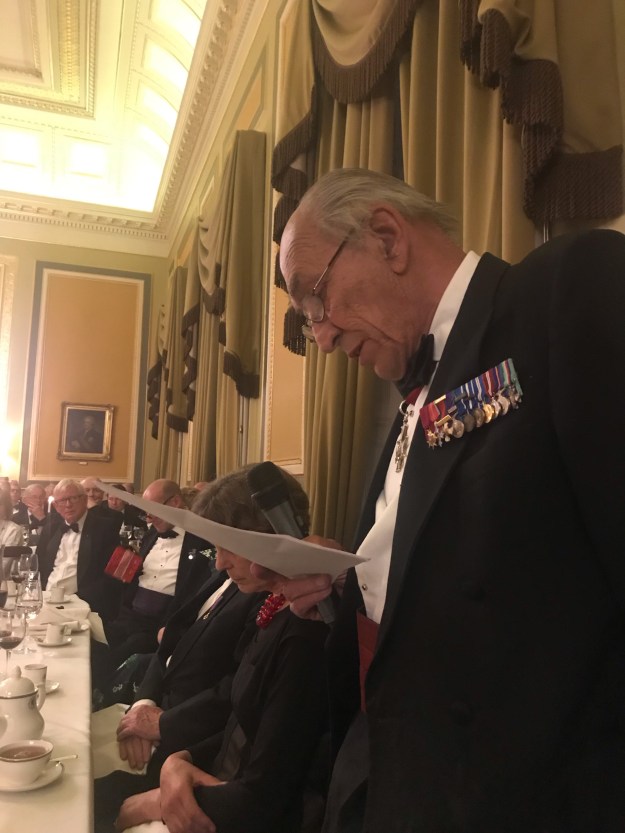
Around a hundred members and guests sat down to dinner on 14 May 2019 to celebrate the 75th anniversary of the kidnap and successful extraction from Crete of General Kreipe. Harry Bucknall, Blandford Forum’s leading travel writer (In the Dolphin’s Wake, and Like a Tramp Like a Pilgrim) played a large part in the successful arrangements, He persuaded General Sir Mike Jackson, formerly CGS, to give the address.

It was a splendidly successful affair. Isabelle, one of Billy Moss’ daughters was able to attend, proudly wearing her father’s Military Cross. There was praise for the daring and audacity of both Paddy and Billy, and recognition of the vital part played by the Andartes, and the wider civilian population of Crete.

Harry is making plans for the centenary event, so he tells me.

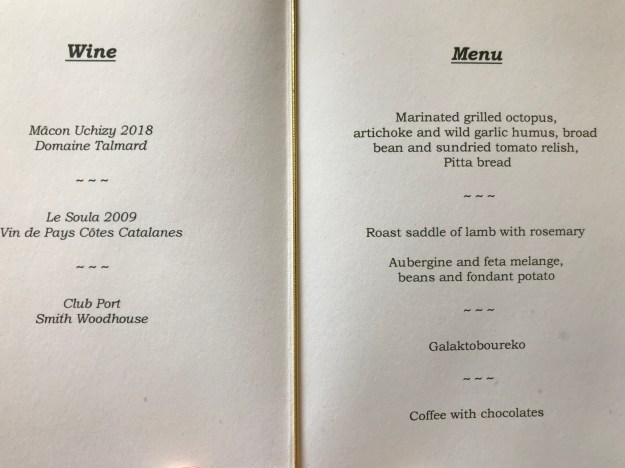
75th Anniversary dinner menu cover

75th Anniversary dinner menu!

75th Anniversary dinner menu back page


Tom Sawford and Isabelle Moss

General Mike Jackson gave a very knowledgeable and measured speech,

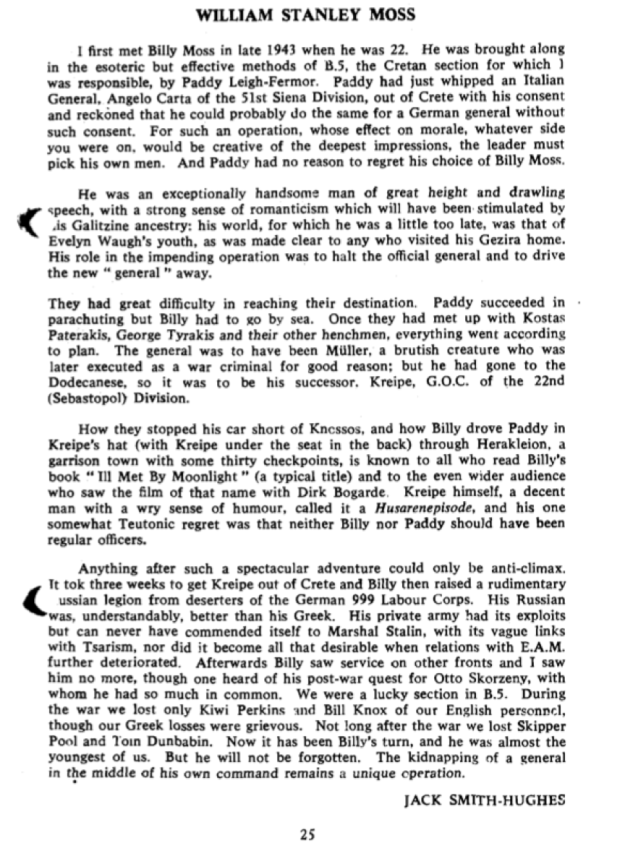
An obituary to Billy Moss by Jack Smith-Hughes

Today marks the 75th anniversary of the extraction of General Kreipe from Crete, and this evening in the Travellers Club a dinner will be held to mark this event. Paddy grabs much of the attention, but as we know, this sort of operation is a team effort, as much to do with the bravery and hardiness of the Cretan Andartes as anything else. And of course the second-in-command, William Stanley Moss who was as cool as a cucumber acting as the new “general’s” driver.

Jack Smith-Hughes was a SOE officer who served in Crete and who knew Billy Moss very well. This short obituary was written by him and passed via Roderick Bailey to Billy’s daughter, Gabriella, and thence to me so that you all may read it on this special day. Roderick informed Gabriella that “the obituary by Jack Smith-Hughes comes from what was then called, Special Forces Club Magazine and Newsletter. To be even more precise, it was printed on page 25 of edition No.47 (Vol. VII, December 1965).”

If you can’t read the image above, download the pdf here.

Event – screening of Ill Met by Moonlight in Melbourne, Australia

Great to see that the inestimable Brent McCunn and the Cretan community in Melbourne have been able to arrange a screening of the film to mark the 75th anniversary of the kidnap. I’m sure it will be a great success. All are welcome but maybe best to add a comment here for numbers if you are in town and can make it.

Date – 12 May. Location – Melbourne Cultural Centre, Lonsdale St Melbourne. Further details will follow.

The event has the full backing the of the cultural events coordinator and the Cretan Community committee. Brent tells me that “as with all things Greek, final details are still being out into place. This is all organised by volunteers within the Greek community. Hopefully we will have a display of original era posters that promoted the original release of the movie. Efforts are being made too arrange some Cretan Music … this will be a free public event. We will also highlight the Moss Family Scholarship provided to Cretan Students from the royalties derived form the movie rights.”

Have a wonderful time and we look forward to the report!

Ill Met by Moonlight cinema event

Thank you to all of you who indicated an interest in the proposed showing of the film to marl the 75th anniversary of the Kreipe kidnap. We have explored a number of options, and looked at costs. To hire somewhere would have required more commitments than we received, and meant that we would have had to enter into contracts that required large deposits up front. The decision has therefore been made to withdraw the proposal.

We shall keep you updated with any other events that are planned to make this anniversary.

75th Anniversary of Kreipe Capture – proposed special screening of Ill Met by Moonlight

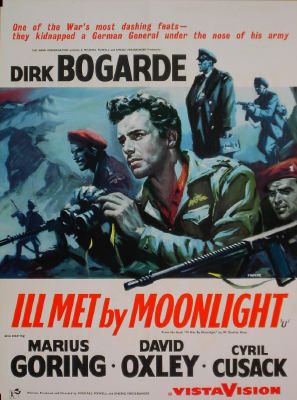
April-May 2019 marks the 75th anniversary of the ‘Hussar Stunt’, and certain events will take place in London to mark the occasion. One idea suggested is to hire a cinema or suitable location for a special screening of the 1957 Michael Powell and Emeric Pressburger movie, Ill Met by Moonlight, starring Dirk Bogarde. It would be wonderful if we could manage this during the period of the anniversary 26 April to 14 May or thereabouts.

We are looking at the possibility of this now and what arrangements we can make, but it would help enormously if we could gauge the level of interest amongst readers of the blog. The idea might be something like the following. All subject to change!

  • Special screening in a central London location.
  • Drinks reception before the screening.
  • The main event.
  • Possible panel Q&A afterwards.
  • Further drinks and fork/finger buffet to follow

We have no firm idea of what this might cost yet, but fair to say in the range £25-£50 pp.

It would help us enormously if you can complete the above poll. There is no commitment whatsoever, and you can add comments by clicking on “comments” once you have voted. For instance, some of you might like to have a similar event in another city, in your country. Why not tell us and we can work together. Poll replies at your earliest convenience would be much appreciated.


Holiday Planning? Crete, between the mountains and the sea

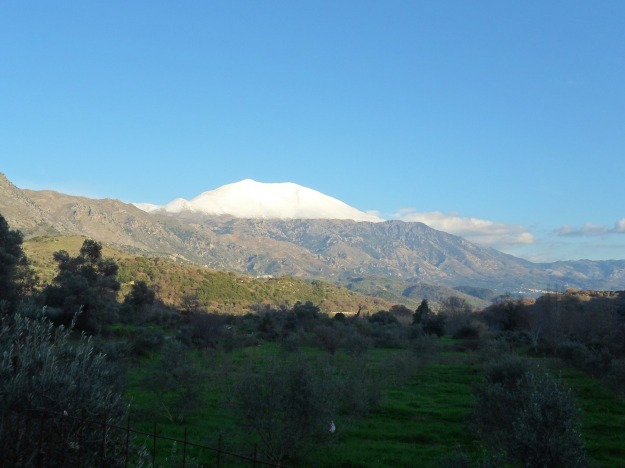
View from the village of Kapetaniana, Asterousia.

Thinking of going to wild and rugged Crete this year? It is the 75th anniversary of the Kreipe kidnap and there will be a lot going on. A nice little article here about one family and their efforts to create a unique holiday environment in Heraklion province.

By Michael Sweet.

First published in Neos Kosmos

On the Orthodox Feast of the Holy Cross, every September 14, the faithful from villages near Mount Kofinas climb its peak to observe an ancient rite. On the summit, three small trees – a species of white-beam – bear fruit at this time of year. The fruit, which looks like cherry-sized apples, is gathered, soaked in water, and blessed, before the priest shares the tiny ‘apples’ with the worshippers. They eat them not only as a holy Eucharist, but for their believed healing properties. Predating Christianity, this ritual dates back more than three thousand years, for here at this Minoan peak sanctuary, one of more than twenty across Crete, the echoes of deep history are carried in the wind.

What attracted the Minoans to settle at this sacred place is what brought the founder of Thalori Retreat – Marcos Skordalakis here: a spiritual energy which weaves its way through the peaks and passes, before sweeping down to the beaches that lie a dizzying thousand metres below.

The village of Kapetaniana, perched high on the western approach to Kofinas, is where Marcos began building (or rather rebuilding) Thalori in 2001. For six years the former restaurateur set about transforming a dozen ruined houses into some of the finest holiday accommodation available in Heraklion province. Combining rustic authenticity with contemporary comfort, Thalori opened in 2007 and today comprises 20 houses, a restaurant, and a working farm with riding stables.

“It was my dream to make a place that felt like a home, for my family and for my guests,” says Marcos, as we talk at one of the restaurant’s exterior tables and look out to the Libyan Sea. “I wanted it to be a place where guests could explore nature – all the special things the mountain and the sea has to offer.”

Below Thalori is the village of Agios Ioannis. Connected to Kapetaniana by an 8 km dirt road that spears downwards in a series of hair-raising bends, it’s a journey not for the faint-hearted. This is where Marcos keeps his boat, and it’s the set-off point for the remarkable cruises he offers along this wild shore. For adventurous types, in the summer he’ll even take you to your own beach (with cave) for the night, and pick you up the next day. [Read more]

Oral history – erasing Paddy and Billy

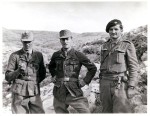
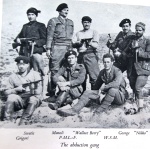
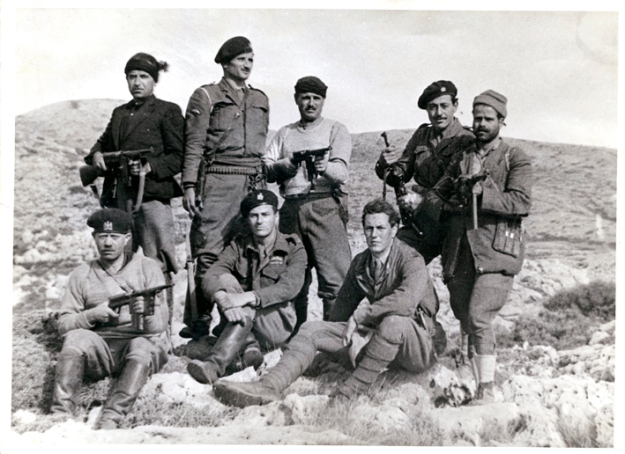
The kidnap gang pose before the action (Courtesy of Estate of William Stanley Moss)

The kidnap gang pose before the action (Courtesy of Estate of William Stanley Moss)

This review of M I Finley’s A World of Odysseus, discusses the hypothesis that oral heroic poetry is not a medium that preserves historical fact, mentioning specifically how the deeds of Paddy, “Billy” Moss, and the others who kidnapped General Kreipe were raised to the level of Cretan heroic oral history, but by 1953, all the names had been forgotten or deliberately erased (the relevant part is highlighted for your convenience).

by Bernard Knox

First published in the New York Review of Books

29 Jun 1979

It is now more than two decades since the Professor of Ancient History at Cambridge (who was then an ex-professor from Rutgers) published a book which in a limpid, hard-hitting prose and with a bare minimum of footnotes attempted to draw “a picture of a society, based on a close reading of the Iliad and Odyssey, supported by study of other societies….” This is how Professor Finley characterizes the book now, in the preface to a revised edition which makes only minor changes in the original text but adds two valuable and stimulating appendices, replying to criticism and bringing the argument up to date. He goes on to claim that “the social institutions and values make up a coherent system” which, however strange to us, is “neither an improbable nor an unfamiliar one in the experience of modern anthropology.” The fact that the later Greeks and the nineteenth-century scholars found it incomprehensible on its own terms he dismisses as “irrelevant” and adds that “it is equally beside the point that the narrative is a collection of fictions from beginning to end.”

The ideas here stated in uncompromising terms were implicit in the work from the start. And at the time of its first publication they were not greeted with enthusiasm by the world of Homeric and Bronze Age scholarship. Far from believing that “the narrative was a collection of fictions,” most scholars of the subject found in the Bronze Age remains excavated on the Homeric sites a confirmation of the historicity of the tale of Troy, at least in its main outlines, and went on to search the text of the poems for objects described that might match the objects discovered. Almost simultaneously with the publication of Finley’s book, the decipherment of the Linear B tablets by Ventris and Chadwick seemed to provide the definitive proof that the Homeric poems preserved historical facts of the thirteenth century BC. Here were clay tablets, inscribed in a form of Greek that bore striking resemblances to the Homeric literary dialect, which contained lists of chariots, corslets, and helmets and such Homeric names as Hektor, Achilleus, Aias, Pandaros, and Orestes. John Chadwick recently took a wry backward look at the euphoria of those early days:

The revelation of the Mycenaean archives fostered wild hopes that one day we might come across, let us say, the muster of ships at Aulis for the expedition against Troy or an operation order for the attack of the Seven against Thebes.1

Finley remained one of what he calls a “heretical minority”; and it soon became apparent that the decipherment of Linear B, far from confirming the thesis that the Homeric poems were a reflection of Mycenaean society, had in fact dealt that thesis a fatal blow. It is hard to think of Homer’s Agamemnon as living in the same world with that wanax of Pylos, whose scribes duly recorded that “Kokalos repaid the following quantity of olive oil to Eumedes: 648 liters; from Ipsewas 38 stirrup-jars.” The bureaucratic inventories of the Bronze Age palaces resemble the detailed records of the Near Eastern civilizations which preceded them and the intricate accounting of the later Ptolemaic papyri, but anything more alien to the mentality of illiterate freebooters such as Achilles and equally illiterate pirates such as Odysseus can hardly be imagined.

The tablets also demonstrated that the precise geographical description of Nestor’s kingdom at Pylos which is offered in Book II of the Iliad bears practically no relation to the Mycenaean facts; the conclusion, that the poet or poets knew little or nothing of western Greece, might already have been surmised from the confused and confusing Homeric descriptions of the hero’s homeland, Ithaca. And meanwhile, quite apart from the tablets, it was becoming steadily clearer to all but the most stubborn that there was very little in the archaeological record which would serve to connect the world of the poems with the Bronze Age.

Finley, in the preface to the new edition, contents himself with a very restrained, “I told you so”; he “cannot resist pointing out that proper concern for social institutions and social history had anticipated what philology and archaeology subsequently found.” In The Mycenaean World, John Chadwick heads his penultimate chapter “Homer the Pseudo-Historian” and concludes it with the sentence: “to look for historical fact in Homer is as vain as to scan the Mycenaean tablets in search of poetry; they belong to two different universes.”

Oral heroic poetry is not a medium that preserves historical fact—as Finley pointed out, with a reference to the Chanson de Roland, which made out of a Basque attack on Charlemagne’s rear-guard an assault by Muslim beys and pashas, all carefully identified by names which are “German, Byzantine, or made-up.” A modern example, from the Second World War and from Greece itself, strengthens his case and gives a fascinating glimpse of epic “history” in the making.

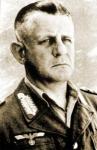
In 1953 the late Professor James Notopoulos was recording oral heroic song in the Sfakia district of western Crete, where illiterate oral bards were still to be found. He asked one of them, who had sung of his own war experience, if he knew a song about the capture of the German general and the bard proceeded to improvise one. The historical facts are well known and quite secure. In April 1944 two British officers, Major Patrick Leigh Fermor and Captain Stanley Moss, parachuted into Crete, made contact with Cretan guerrillas, and kidnapped the German commanding general of the island, one Karl Kreipe.
The general was living in the Villa Ariadne at Knossos, the house Evans had built for himself during the excavations. Every day, at the same time, the general was driven south from the Villa to the neighboring small town of Arkhanes, where his headquarters were located. He came home every night at eight o’clock for dinner. The two British officers, dressed in German uniforms, stopped the car on its way home to Knossos; the Cretan partisans overpowered the chauffeur and the general. The two officers then drove the car through the German roadblocks in Heraklion (the general silent with a knife at his throat) and left the car on the coast road to Rethymo. They then hiked through the mountains to the south coast, made rendezvous with a British submarine, and took General Kreipe to Alexandria and on to Middle East Headquarters in Cairo.

Here, in Notopoulos’s summary, is the heroic song the bard produced:

“An order comes from British and American headquarters in Cairo to capture General Kreipe, dead or alive; the motive is revenge for his cruelty to the Cretans. A Cretan partisan, Lefteris Tambakis (not one of the actual guerrilla band) appears before the English general (Fermor and Moss are combined into one and elevated in rank) and volunteers for the dangerous mission. The general reads the order and the hero accepts the mission for the honor of Cretan arms. The hero goes to Heraklion, where he hears that a beautiful Cretan girl is the secretary of General Kreipe.

“In disguise the partisan proceeds to her house and in her absence reads the [English] general’s order to her mother. When the girl returns he again reads the general’s order. Telling her the honor of Crete depends on her, he catalogues the German cruelties. If she would help in the mission, her name would become immortal in Cretan history. The girl consents and asks for three days time in which to perform her role. To achieve Cretan honor she sacrifices her woman’s honor with General Kreipe in the role of a spy. She gives the hero General Kreipe’s plans for the next day.

“Our hero then goes to Knossos to meet the guerrillas and the English general. ‘Yiassou general,’ he says. ‘I will perform the mission.’ The guerrillas go to Arkhanes to get a long car with which to blockade the road. Our hero, mounted on a horse by the side of the blockading car, awaits the car of Kaiseri (that is what the bard calls Kreipe). The English general orders the pistols to be ready. When Kreipe’s car slows down at the turn he is attacked by the guerrillas. Kreipe is stripped of his uniform (only his cap in the actual event) and begs for mercy for the sake of his children (a stock motif in Cretan poetry).

“After the capture the frantic Germans begin to hunt with dogs (airplanes in the actual event). The guerrillas start on the trek to Mount Ida and by stages the party reaches the district of Sfakia (the home of the singer and his audience; actually the general left the island southwest of Mount Ida). The guards have to protect the general from the mob of enraged Sfakians. Soon the British submarine arrives and takes the general to Egypt. Our bard concludes the poem with a traditional epilogue—that never before in the history of the world has such a deed been done. He then gives his name, his village, his service to his country.”2

So much for epic history. Nine years after the event the British protagonists have been reduced to one nameless general whose part in the operation is secondary and there can hardly be any doubt that if the song is still sung now the British element in the proceedings is practically nonexistent—if indeed it managed to survive at all through the years in which Britain, fighting to retain its hold on Cyprus, became the target of bitter hostility in Greece and especially among the excitable Cretans.

It took the Cretan oral tradition only nine years to promote to the leadership of the heroic enterprise a purely fictitious character of a different nationality. This is a sobering thought when one reflects that there is nothing to connect Agamemnon, Achilles, Priam, and Hector with the fire-blackened layer of thirteenth-century ruins known as Troy VII A (the archaeologists’ candidate for Homer’s city) except a heroic poem which cannot have been fixed in its present form by writing until the late eighth century, at least four illiterate centuries after the destruction.

Finley’s professional interest in the poems lies in their value as a source for knowledge of the Dark Ages (so-called because we know almost nothing about them) which intervene between the destruction of the Mycenaean palaces around 1200 BC and the beginning of a new literacy some time in the late eighth century. If the poems contain no memory of historical events of the Bronze Age and, furthermore, do not reflect the civilization, customs, social relationships, or even the material objects of the Bronze Age, what do they have to tell us? Finley’s answer was (and still is) that the poems preserve, with the anachronisms and misunderstandings inevitable in a fluid oral tradition, the social institutions and values of the early Dark Ages, the tenth and ninth centuries BC. “The choice,” as he poses the question in the new edition, “lies between that period and the poet’s own time, now that the ground beneath a supposed Mycenaean world of Odysseus has been removed by the Linear B tablets, assisted by continuous archaeological excavation and study.”

The “poet’s own time” he takes to be the mid-eighth century (a date with which few will quarrel) and makes the claim that the poems fail to reflect the known social conditions of that period. “The polis (city-state) form of political organization” was “widespread in the Hellenic world by then, at least in embryonic form. Yet neither poem has any trace of a polis in its political sense.” Further, the “Phoenician monopoly of trade” in the Odyssey is a reflection of “the period before 800 BC, for by that date the presence of Greek traders in the Levant is firmly attested.” Finley sees no reason to find in Homer’s picture of the sea-lords of Phaeacia a “reflection of the Greek western colonization movement contemporary with Homer,” as many have done: “Magical ships that powered themselves were not instruments of the westward colonization, nor did magic gardens await the migrants on arrival.”

The epic poets are the guardians, preservers, and renewers of a heroic tradition and though they often admit anachronistic details or misunderstand the use or nature of archaic objects, they maintain intact, so Finley insists, the social context in which the heroes can live their larger life. From that context he constructed a model, to use his own formula, “imperfect, incomplete, untidy, yet tying together the fundamentals of a political and social structure with an appropriate value system in a way that stands up to a comparative analysis.” The most striking and original feature of this presentation (organized in chapters headed: “Wealth and Labor”; “Household, Kin, and Community”; “Morals and Values”) is his discussion of the “institution of gift-exchange.”

No reader of the Odyssey can have failed to be amazed and puzzled by the central role gifts play in the social relationships of the characters. Telemachus at Sparta, a young provincial with very uncertain prospects visiting the splendid court of Menelaus and Helen, is offered a parting gift of horses. He declines, on the grounds that his native island is no place to graze horses, and asks for something else: “Give me something that can be stored up.” Menelaus is delighted with his frankness and gives him a bowl made of silver and gold. There are many such encounters in the Homeric poems and readers seeking some explanation of the generosity and especially of the unashamed claims made on it usually found themselves fobbed off with a discussion of Homeric hospitality and the guest-friend relationship. Finley put it firmly in a familiar anthropological context.

The word “gift” is not to be misconstrued. It may be stated as a flat rule of both primitive and archaic society that no one ever gave anything, whether goods or services or honors, without proper recompense, real or wishful, immediate or years away, to himself or to his kin. The act of giving was, therefore, in an essential sense always the first half of a reciprocal action, the other half of which was a counter-gift.

His persuasive analysis of the working of this form of exchange in the poems was widely accepted; those who objected that it reflected not a society but a “heroic ideal” are given short shrift in the new edition.

The system of gift-giving which Finley identified in the poems was already familiar to anthropologists and sociologists; Marcel Mauss in his Essai sur le don (1925) had analyzed its operation in a wide variety of societies ancient and modern (though not in ancient Greece, to which he made only some half-dozen tangential references in his footnotes). If, as Finley says, “the practice…’does not reflect a society’ but an ‘heroic ideal,’ we are driven to the conclusion that, by a most remarkable intuition, Homer was a predecessor of Marcel Mauss, except that he (or his tradition) invented an institution which nearly three thousand years later Mauss discovered to be a social reality.” Since, he goes on to say, “Tamil heroic poetry of South India reveals a comparable network of gift-giving…,” Homer is not the only “instinctive, premature Marcel Mauss.”

Finley’s arguments from the system’s internal coherence and its recorded existence in real societies are compelling but a lingering doubt may remain. Speaking of the belief in the historical reality of the Trojan War and the Catalogue of Ships firmly held by some scholars who reject his sociological model he asks: “In what respect do they differ from gift-giving in their inherent credibility?” A skeptic might answer: “Not at all. Both the Trojan War and the gift-giving system may be equally unhistorical.” If the epic Muse can forget the palaces, inventories, and geography of Mycenaean Greece, remember the chariots but not how they were used, and fabricate not only a war but the names and personalities of chieftains on both sides, how can we trust her to preserve intact the memory of an intricate social system long since obsolete? Finley’s case would be stronger if the comparative method, to which he so often appeals, could produce a parallel: an oral epic poem which, celebrating heroes of a bygone age, garbles time, place, and material objects but preserves, in recognizable form, a complex system of primitive social institutions.

There is one oral epic which goes far toward meeting these specifications, the Turkish Book of Dede Korkut. The full text has only recently been made available in an English version3 (which may be the reason why Finley, whose mastery of the enormous Homeric literature is demonstrated in his useful critical bibliography, does not seem to be aware of it). The text on which modern editions are based was written in the last quarter of the sixteenth century but there is in existence a summary of the poem which was written down before 1332 and the text contains numerous traces of original versions dating from the tenth century. The book recounts, in a mixture of prose and verse, the deeds of the Oghuz, a tribe which, over many centuries, migrated from lands which are now in the Kazakh, Uzbek, and Turkmen Soviet Socialist Republics to become the ancestors of the Seljuk and Ottoman Turks in western Asia Minor.

In their original home their raiding expeditions were aimed at their neighbors to the north, the shamanistic Kipchaks; the Oghuz were recently converted Muslims (though sometimes pre-Islamic customs remain embedded in the narrative). But the sixteenth-century version retains only occasional reminiscences of the Kipchaks and the geography of the Samarkand area; in it the Oghuz beys now live, hunt, and plunder in western Anatolia, a thousand miles to the west; their infidel enemies “worship a god made from wood” and have churches with monks in them—one of their strongholds is Trebizond, which remained in Byzantine hands until 1461.

The Oghuz nomadic beys are given a nonexistent history; at the same time, the known participation of their descendants in major historical events is utterly ignored. “No reference is made,” say the translators, “to the well-known involvement of the Oghuz in the affairs of the Ghazmanide Dynasty…nor is there any mention whatever of the successive stages by which the Seljuks, of Oghuz origin, conquered Iran and most of Anatolia…during the remainder of the eleventh century.” The action of the epic is, as the translators put it, “mainly fiction” but, as they go on to say, “so well do the legends reflect the pattern of early Oghuz life that they must also be considered documents of cultural and social history.”

One of the institutions of the Oghuz is a spectacular variation of the gift-giving system. Their king, Bayindir Khan, commands the allegiance of the beys, the heroes of the epic; they deliver the booty from their brigand raids to him. Periodically he invites them to sumptuous feasts, at which he “distributes the wealth of the Oghuz, usually in the form of gifts to the beys.” But occasionally the feast was a “plunder banquet.” On these occasions, at the high point of the feast, the Khan would take his wife by the hand and leave; the beys would then help themselves to any of his possessions they fancied. It was, in the story, his failure to invite the Outer Oghuz to a plunder banquet which caused a fratricidal war, the “Götterdämmerung” episode which concludes the saga.

In the years since its first appearance, Finley’s “model” has won wide acceptance; his reconstruction of a Dark Age society from the epic text has even, as he says in his preface, “been the acknowledged starting-point of studies by other historians of society and ideas”—among them J.M. Redfield’s Nature and Culture in the Iliad.4 But Homer is a subject on which no two people can be expected to agree entirely, and it may be objected, without impugning the validity of his main thesis, that Finley pushes too hard against the evidence in his claim that there is no trace in the Odyssey of the “polis in its political sense” and his denial that the wanderings of Odysseus are “a reflection of the Greek western colonization movement contemporary with Homer.”

On the first point he is of course right to rule out the imaginary city of the Phaeacians and also right to deny that the presentation of “walls, docks, temples, and a marketplace” can be treated as “Homer’s recognition of the…rise of the polis.” But the equally imaginary city of Troy in the Iliad does seem to prefigure some features of later social organization—in the procession of the women to the Temple of Athena in Book VI, the debate in the assembly in Book VII, above all in Hector’s devotion to Troy and its people, his sense of his duty to the community. Hector is unique in his loyalty to a larger social unit than the oikos, that extended household which, “together with its lands and goods,” was the basic nucleus of Homeric society.

As for the western wanderings, it is true that there is nothing in the poem “that resembles eighth-century Ischia or Cumae, Syracuse, Leontini or Megara Hyblaea.” There is not very much in Shakespeare’s Tempest which resembles early seventeenth-century Bermuda either, but no one can doubt that the play reflects an age of maritime exploration. The fantastic adventures of Odysseus contain several features which suggest that this part of the poem was originally the saga of a voyage to the East, the voyage of the Argonauts, in fact; why should it have been adapted for a western sea-tale except to please an audience interested, if not in the actual founding of colonies, at any rate in the voyages of exploration which must have preceded their foundation?

These are minor cavils. It is an unmixed pleasure to welcome this new edition of a book which has become a classic in its field, as indispensable to the professional as it is accessible to the general reader, and to look forward to Finley’s further riposte to the criticism which his spirited additions are sure to provoke.