Tag Archives: Munich

Patrick Leigh Fermor’s doomed Europe

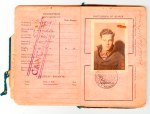
Paddy’s passport issued in Munich to replace the one stolen

As Christmas approaches each year, it is a time to remember Paddy’s departure from London on a steamer in 1933. For me those first few weeks offer some of the best stories in A Time of Gifts occurring in that short period into the New Year when he was not only acclimatising to the frozen weather but the new surroundings and culture that he found himself in. Time and war have almost totally changed everything. This timely article is a reminder of Paddy’s genius and affability, and what was lost to us in the war.

By Michael Duggan

First published in The Critic

It is now ninety years since Patrick Leigh Fermor raced down the steps of Irongate Wharf, in the shadow of Tower Bridge, and boarded a steamer bound for the Hook of Holland. There were no other passengers. From Rotterdam — he had decided — he would walk his way across the breadth of Europe to what he persisted in calling Constantinople (or, if not, Byzantium). Later, a couple of hours before dawn, he was on a train from the Hook to the city, the solitary passenger once again. The snow and darkness completed the illusion of slipping into Europe through a secret door.

“Paddy” spent barely an hour in Rotterdam. It occupies barely more than a page of A Time of Gifts, the book which recounts all that happened on the first part of his trek, from Holland right up to the Hungarian border. Nevertheless, two human qualities take centre stage in the Dutch port and remain there for more or less the entirety of the book. The Rotterdam episode also sounds a bass note of sadness about the fate of Europe that must accompany any reading of Fermor.

The first of the human qualities is the kindness of strangers — in this case, the kindness of the owner of a quayside café, a “stout man in clogs”, Fermor’s first host on European soil. As dawn breaks, whilst the landlord polishes his glasses and cups, arranging them “in glittering ranks”, Paddy has the best fried eggs and coffee he has ever eaten. When he is finished and heads for the door, the stout man asks where he is going:

I said “Constantinople.” His brows went up and he signalled to me to wait: then he set out two small glasses and filled them with transparent liquid from a long stone bottle. We clinked them: he emptied his at one gulp and I did the same. With his wishes for godspeed in my ears and an infernal bonfire of Bols and a hand smarting from his valedictory shake, I set off. It was the formal start of my journey.

Again and again over the course of his trek, Fermor, who was only eighteen at the time, encountered this tradition of benevolence to the wandering young. In Cologne, he falls in with Uli and Peter, crewmen on a barge carrying cement to Karlsruhe, who show him a bawdy and hilarious old time, which includes going to a Laurel and Hardy film together. They feed him in their cabin on fried potatoes and cold lumps of pork fat. In Heidelberg, he is taken in by the owners of the Red Ox Inn who wash his clothes and give him a free bed for the night. In Hohenaschau, a slip of paper signed by the Bürgermeister entitles him to supper, a mug of beer, a bed and a morning bowl of coffee, “all on the parish”.

Paddy thanks God that he had put “student” on his passport (even though, at the time, he wasn’t really a student in any formal sense). The word was “an amulet and an Open Sesame. In European tradition, the word suggested a youthful, needy and earnest figure, spurred along the highways ( … ) by a thirst for learning — ( … ) a fit candidate for succour”.

The second quality that shines out of the Rotterdam episode, and out of page after page of A Time of Gifts, is one belonging to Paddy himself. This was his inimitable and expansive form of erudition, encompassing literature, religion, art and architecture, combining humility and panache in perfect, improbable harmony. The first person he sees in Rotterdam is Erasmus, in statue form, with snow piling up on his shoulders; later, in Cologne, he ends up discussing the correct pronunciation of Erasmic Latin with a couple of young Germans in the house of the widow of a Classics professor.

Fermor’s erudition was a constant stimulus to his imagination. Entering the Groote Kirk of Rotterdam in the dim early morning light, his familiarity with Dutch painting allows him to fill the empty church with “those seventeenth-century groups which should have been sitting or strolling there: burghers with pointed corn-coloured beards — and impious spaniels that refused to stay outside — conferring gravely with their wives and their children, still as chessmen, in black broadcloth and identical honeycomb ruffs”. He is at this again, three or four days later, when his legs have taken him as far as Brabant. Here it is the “Hobbema-like avenues of wintry trees” leading to the gates of “seemly manor houses” that set him off, exploring the interiors of these houses in his imagination. Every step of the way, Paddy takes this erudition with him, seeing correspondences, formulating theories, letting his imagination soar, and having a whale of a time inside his head.

It is not possible to talk about Fermor in Rotterdam without talking about what happened to that city a few years later. Paddy noted it himself: this beautiful place was “bombed to fragments” in May 1940 (“I would have lingered, had I known”). Aerial images of the destruction are chilling: one can see the pattern of the streets, but the buildings are all gone. The eye is drawn to the quaysides where the café Fermor visited must have stood. There’s nothing there.

The new Rotterdam built on the rubble of the old is not a pretty sight. In the words of the English travel writer Nick Hunt, who in 2011 set off to replicate Fermor’s “great trudge”, the continuity between the two cities was “absolutely severed”: “The Rotterdam of the Middle Ages had been blasted into the realm of fairy tales, and the new reality of McDonald’s and Lush, Starbucks and Vodafone had rushed to fill the vacuum. The destruction seemed less an act of war than apocalyptic town planning, a Europe-wide sweep of medieval clutter to clear the way for the consumer age.”

The fate of Rotterdam highlights a facet of A Time of Gifts and its successor Between the Woods and the Water (which takes us from Fermor’s arrival in Hungary to the Iron Gate gorge on the Danube, separating the Kingdom of Yugoslavia and Romania). The writing is ebullient, funny, joyful and true both to the youth Patrick Leigh Fermor was and to the man he became — some people found him an insufferable show-off, but most who knew him craved his company — but Paddy knew as he was writing (just as we know as we are reading) that the Rotterdam of then, along with the Europe of then, have gone.

It was, of course, already going when Fermor disembarked at the Hook of Holland: Hitler had been Chancellor for nearly a year. Crossing Germany, Fermor saw Nazis up close more than once. Writing about these encounters, his habitual powers of observation are not warped by any retrospective performative disgust, which must have been tempting to indulge in, so many years after the events described and with no chance of someone turning up to contradict his account. He sees humans in uniforms, being slowly poisoned by those same uniforms (or by the sight of them) and by what they represent, but remaining human even in their descent into dark obsessions and moral squalor. According to Artemis Cooper, Patrick Leigh Fermor’s biographer, Communism never exerted any pull on him, any more than Fascism: both were “ready to destroy everything he loved about European civilization in order to build their aggressively utilitarian superstates”.

On his trek, Fermor was one of the last travellers able to move amongst the remnants of old Europe left behind by the First World War — the customs, the beliefs, the strange dialects, the hidden tribes, the curious institutions — either before they were finally swept from the board (some of them into a basket labelled “heritage”) by the Second World War or by modernity hitting top stride; or before they disappeared behind the Iron Curtain and were rendered extinct.

The great severing of Europe, in time and space, hit Patrick Leigh Fermor personally. In 1935, in Athens, he met and fell in love with Balasha Cantacuzène, sixteen years his elder, a princess and painter belonging to one of the great dynasties of eastern Europe. They spent much of their four years together on the run-down family estate in Moldavia, Rumania, from whence Paddy returned to England immediately after Britain declared war on Germany in order to sign up. He later wrote an account of the last day of peace in Moldavia when he rode with others in a cavalcade of horses and an old open carriage, through sunlit fields and vineyards, to a mushroom wood. Coming home, “The track followed the crest of a high ridge with the dales of Moldavia flowing away on either hand. We were moving through illimitable sweeps of still air”.

Balasha Cantacuzene ended up marooned behind the Iron Curtain. It was over a quarter of a century before she and Patrick Leigh Fermor saw one another again and for the last time. The Europe they knew had been extinguished forever.

You can listen to an AI generated reading of this here.

About The Critic. It is a monthly magazine for politics, ideas, art, literature and much more edited by Christopher Montgomery. The Critic says it exists to push back against a self-regarding and dangerous consensus that finds critical voices troubling, triggering, insensitive and disrespectful. The point is not provocation or trolling. The point of honest criticism is to better approach truth, not deny its possibility. You can find out more and subscribe here. This blog has no affiliation with The Critic.
Of Walking in Ice – a discussion with Jasper Winn

Copyright Jasper Winn http://www.theslowadventure.com/

Copyright Jasper Winn http://www.theslowadventure.com/

Many of you followed the slow adventure of Jasper Winn as he walked last November and December the 500 miles from Munich to Paris in the footsteps of German film-maker Werner Herzog. This podcast is the first of two that will cover the journey on the Outdoors Station. It is great to hear Jasper talking so eloquently and passionately about his walk and Herzog’s account, Of Walking In Ice: Munich – Paris: 23 November – 14 December, 1974, which was republished in the Autumn of 2014 to mark the fortieth anniversary of Herzog’s journey.
To listen to the podcast visit here.

Purchase Of Walking In Ice: Munich – Paris: 23 November – 14 December, 1974

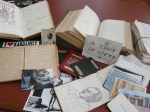
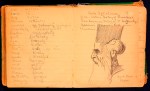
Items from Paddy’s archive

The news about the opening of Paddy’s archive to the public was quite exciting. It may herald some new studies into the life of this gifted but flawed man.

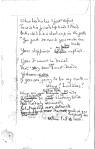
I had a bit of a sneak around the National Library of Scotland website and found the following images which may form the start of the on-line digital archive mentioned in the press release. They include an unpublished poem by John Betjeman written on the back of an envelope.

Related article:

Patrick Leigh Fermor archive now fully available to public at National Library of Scotland

Flying to the moon

Inside the Hotel New York (Continental), Cluj

As many of you will know by now, I travel to Romania pretty frequently and I am fortunate enough to stay and work in the beautiful city of Cluj which Paddy says he visited during his road trip tryst with Angéla in the summer of 1934.

Paddy’s descriptions in Between the Woods and the Water are very accurate and detailed, and the one of the Hotel New York was the most impressive which I highlighted in this article last year with accompanying photographs.

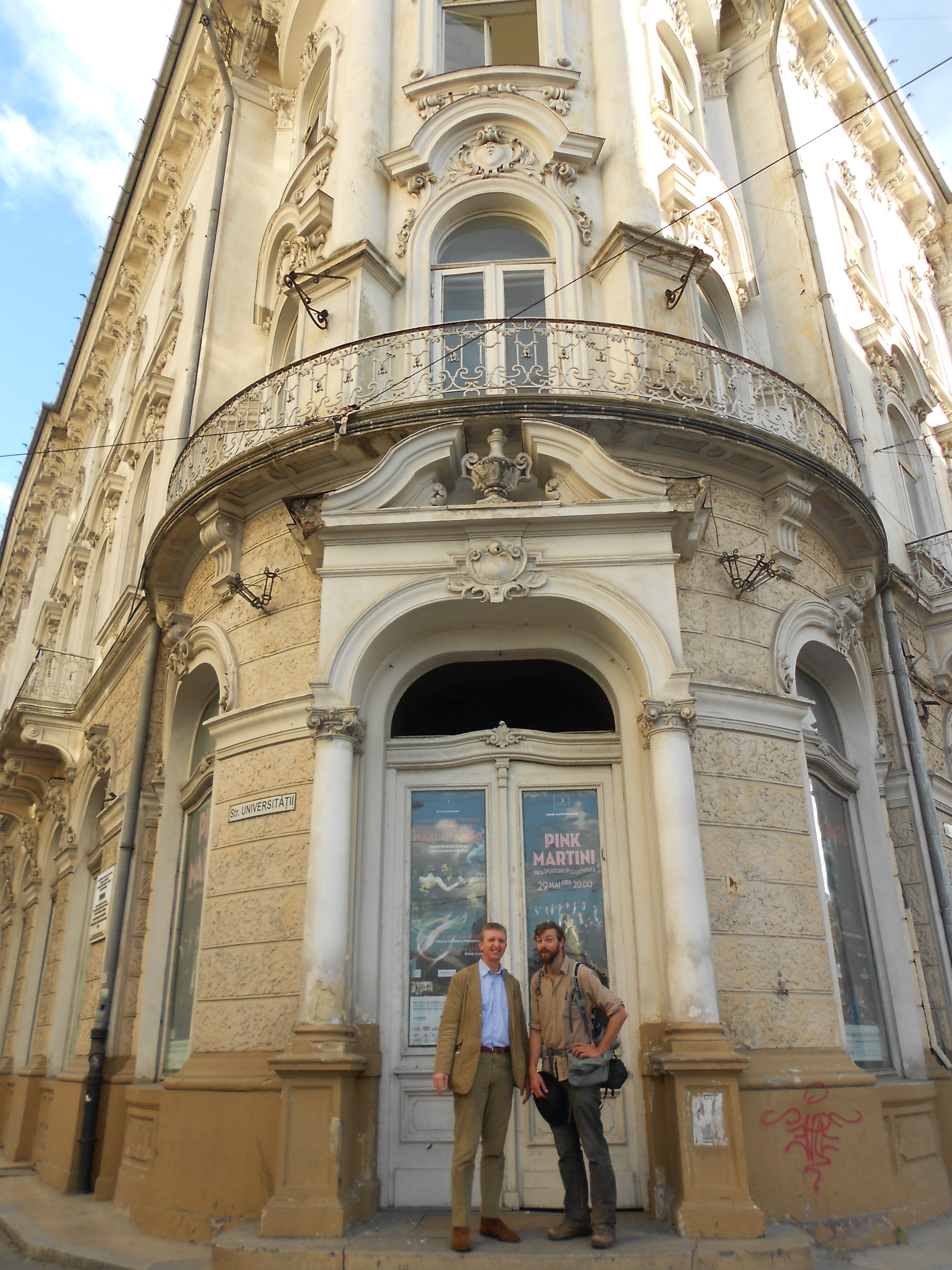
Nick and Tom outside the Hotel New York (Continental), Cluj

During Nick Hunt’s recent walk across Europe we were able to meet up outside of the hotel and I was desperate for us to drink a cocktail there just like Paddy, Istvan and Angéla. The fact that the hotel is closed should not have been a barrier to this; all I had to do was find the recipe and a willing local barman and all would be OK. Unfortunately following an ‘occupy’ protest security at the hotel was heavy and we were firmly told we could not enter. It must have been Nick’s road weary look and dusty attire which was the blocker!

I had done some research, and whilst I could not find the recipe of the Cluj cocktail which was described by Paddy thus in Between the Woods and the Water …

An hotel at the end of the main square, called the New York – a great meeting place in the winter season – drew my companions like a magnet. István said the barman had invented an amazing cocktail – only surpassed by the one called ‘Flying’ in the Vier Jahreszeiten bar in Munich – which would be criminal to miss

… I contacted the Bar Manager of the Hotel Vier Jahreszeiten Kempinski in München to find out the recipe for Flying. Florian Fischer kindly replied as follows, so maybe this autumn, to celebrate the publication of the biography, you may order one or even make it at home.

Dear Mr. Sawford,

thank you very much for your request. These are the things which are creating culture!

I am really interested in cocktails of this period. I was thinking about the recipe and I am quite sure, that it must be the following :

Flying Cocktail

2 parts of Gin
1 part of curacao Triple sec ( Cointreau preferred )
1 part of freshly squezzed lemon juice

fill up with champagne
served in a champagne flute

Actually it is the famous “White Lady” with champagne and this drink was really popular in these times.

Greetings from Munich and enjoy your “Flying Cocktail”

Cheers

Florian Fischer

Barmanager

Hotel Vier Jahreszeiten Kempinski München

Maximilianstr. 17 · 80539 München · Germany Tel +49 89 2125 2217· Fax +49 89 2125 2222 florian.fischer@kempinski.com

Related article:

An eye for detail and the memory of the Hotel New York in Cluj

On the Same Steps as Patrick Leigh Fermor

On the same steps as Paddy

“In the heart of them stood a massive building; my objective, the Hofbräuhaus. A heavy arched door was pouring a raucous and lurching party of Brownshirts onto the trampled snow.

I was back in beer territory. Halfway up the vaulted stairs a groaning Brownshirt, propped against the wall on a swastika’d arm, was unloosing, in a stanchless gush down the steps, the intake of hours. Love’s labour lost.”

Those of you well versed in Paddy’s writing will by now have realised that the above is not my own feeble prose but an excerpt from the passage in A Time of Gifts when Paddy enters Munich’s Hofbräuhaus in January 1934.

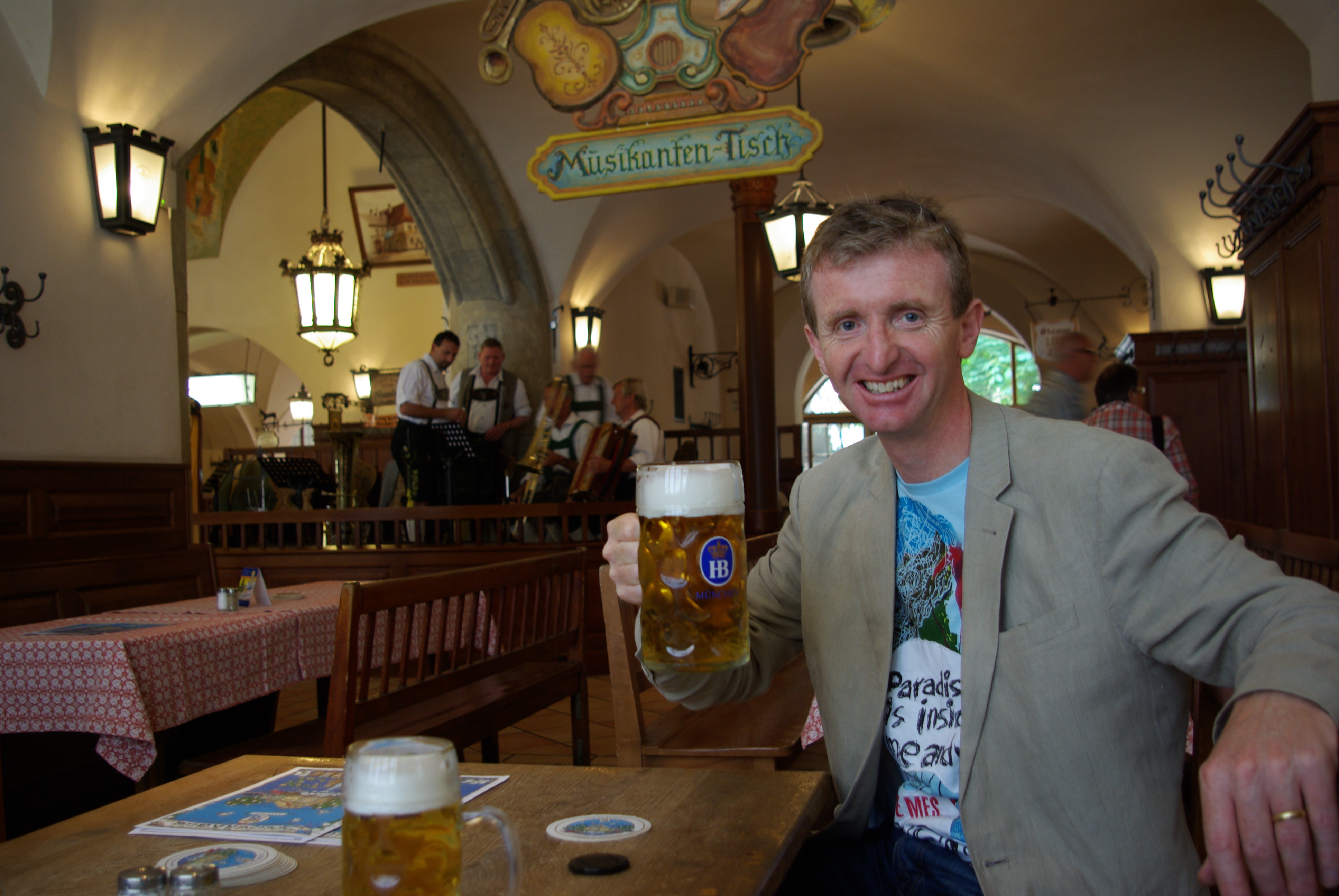
When I entered that vast temple to beer, sausage and sauerkraut at the end of June, I instantly felt like I had been there before, and indeed I had when I read Paddy’s finest work. Instantly I wanted to visit the chamber bursting with SA men singing Lore, lore, lore, and overweight young German burghers ‘as wide as casks ’ who were ‘… nimbly, packing in forkload on forkload of ham, salami, frankfurter, krenwurst, and blutwurst’ lifting stone tankards ‘for long swallows of liquid which sprang out again instantaneously on cheek and brow.’ Had it not been for the fact that this was midday instead of night I am sure I would have found it barely changed, save for the SA men, whose children and grandchildren (all aged now) have taken up residency.

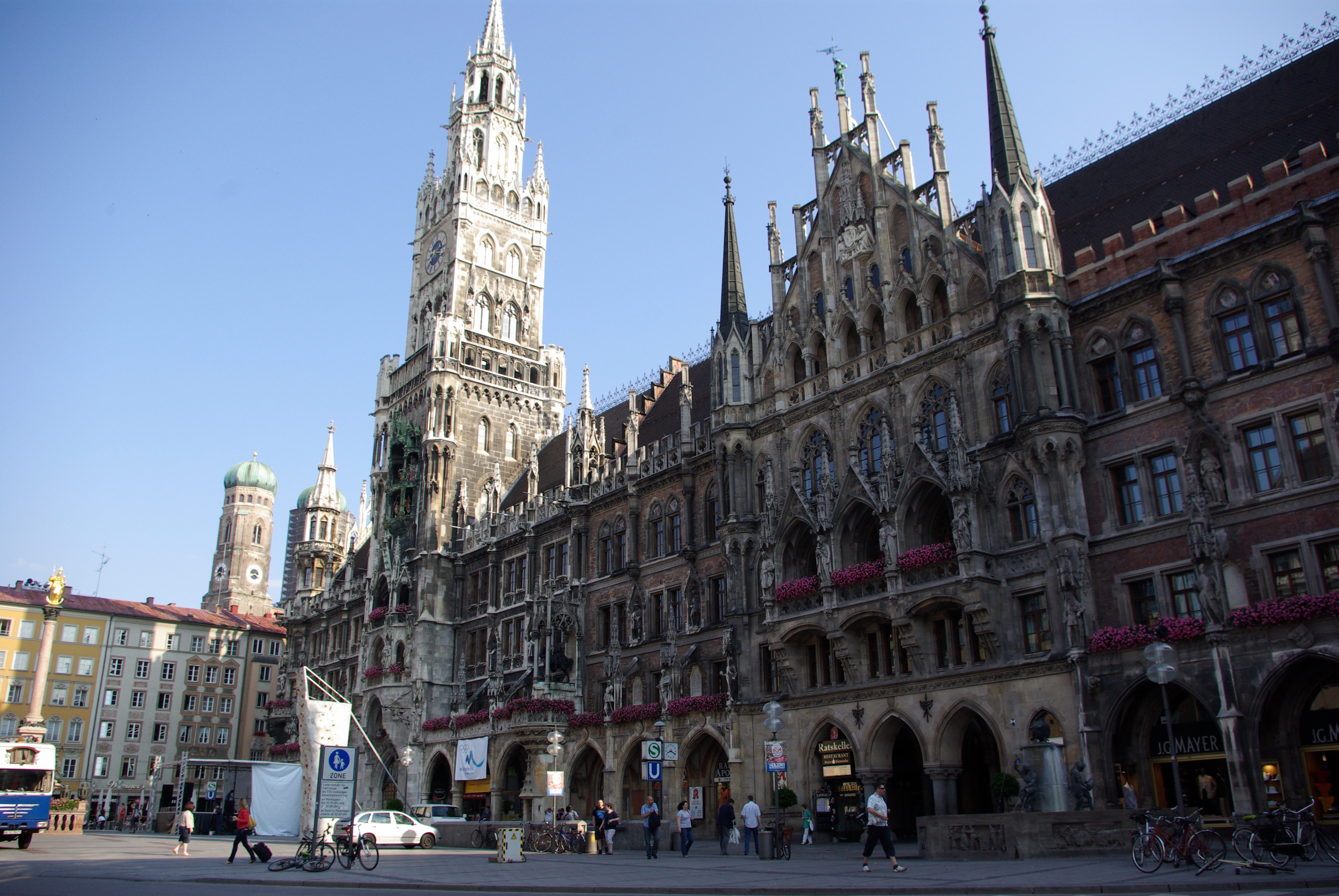
The Rathaus Munich

My wife and I were in Munich after taking the overnight sleeper from Paris Est to Munich on our journey to see the Passion Play (Passionspiele) at Oberammergau. We had arrived at the relatively ungodly hour of seven o’clock in the morning and had seen Munich come to life on a Saturday morning.

At the time the Alt Stadt was almost exclusively ours apart from some stall holders preparing their wares of ripe and juicy, brightly coloured fruit and vegetables for the Saturday market; two young men demonstrating their ability on MX bikes beside a fountain; and a couple of drunks who had obviously made the most of the warm Friday evening and had now belatedly discovered that the party was over.

During the war Munich was severely bombed by the Americans. When on a NATO course at the German Pioneerschule in the 1980’s I remember a particularly loud American officer asking in all seriousness, whilst we were on a tour of the city, when seeing the massive towers and basilica of the Dom, “How the hell did we miss that?”. Well, of course they did not miss it. Seventy per cent of Munich was destroyed by the bombing and after the war there was a serious proposal to abandon the city and rebuild nearby. Fortunately for the Hofbräuhaus (which sustained minor damage) and for us it was decided to rebuild the city. Many of the older buildings, as with so many German cities, were painstakingly restored. The Dom and the Hofbräuhaus were amongst these.

Following a morning of strolling around the centre, visiting some of the sights, drinking känchen’s of schokolade and eating cinnamon flavoured kuchen I was desperate to find the Hofbräuhaus. I was determined not to make the same mistake as Paddy and end up two miles away; although the prospect of doing so and having a couple of himbergeist to see us on our way was not so unappealing!

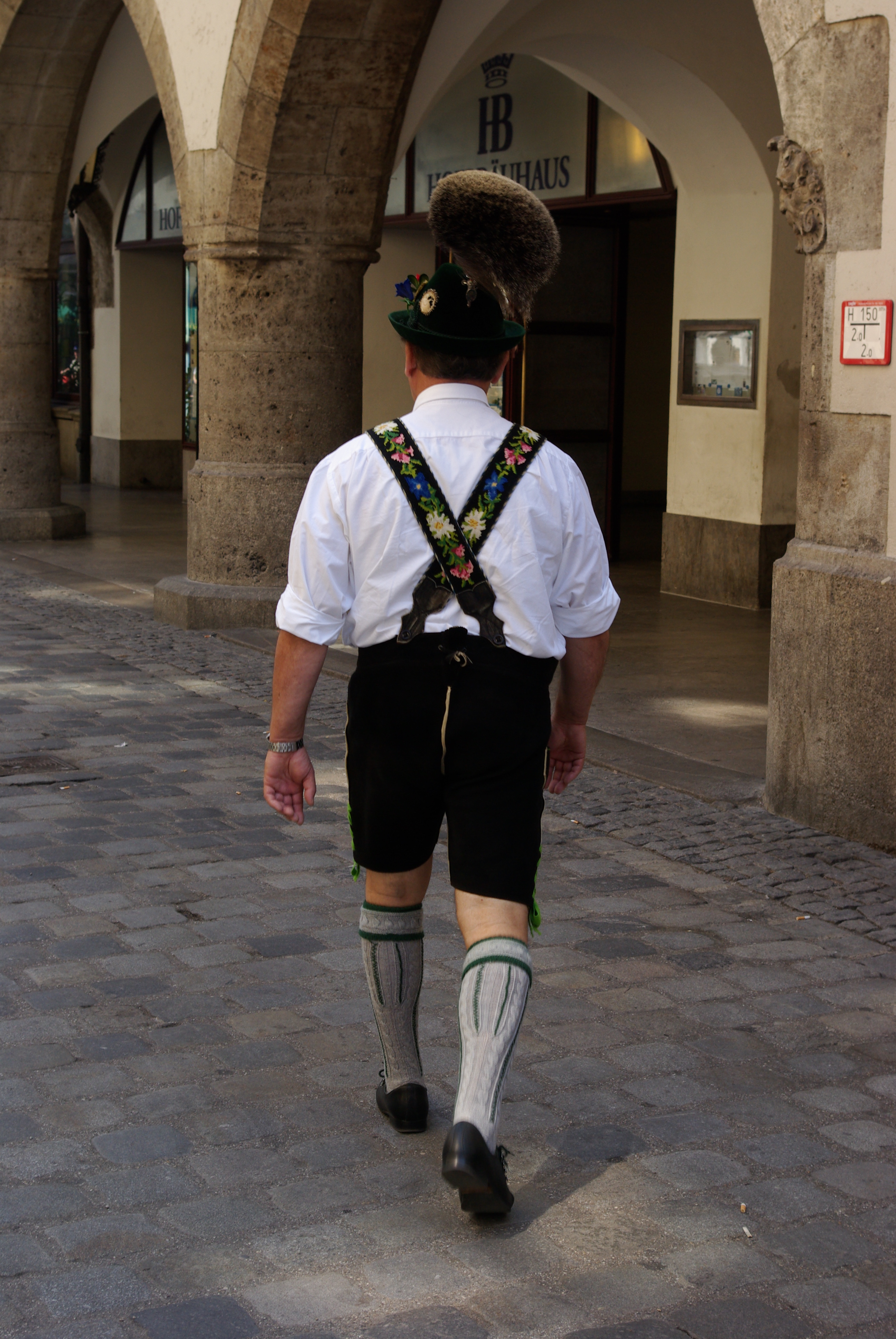
We followed a lederhosen clad gentleman ...

Inadvertently we had somehow attached ourselves to an American tour party and listened patiently whilst the bored German tour guide briefed them all on practical logistics like not entering their PIN number more than twice in those mysterious German cash machines, and what they might see on their one hour of ‘freedom from the group’ until it was time to meet up again, climb into their coach and visit yet another city. When it came to question time I asked where I might find the Hofbräuhaus. The guide looked quizzically at me, thinking I must have some obscure mid-western American accent and told me in all seriousness that eleven o’clock in the morning was rather too early to make such a visit and drink beer. I persisted and reluctantly she gave me the directions.

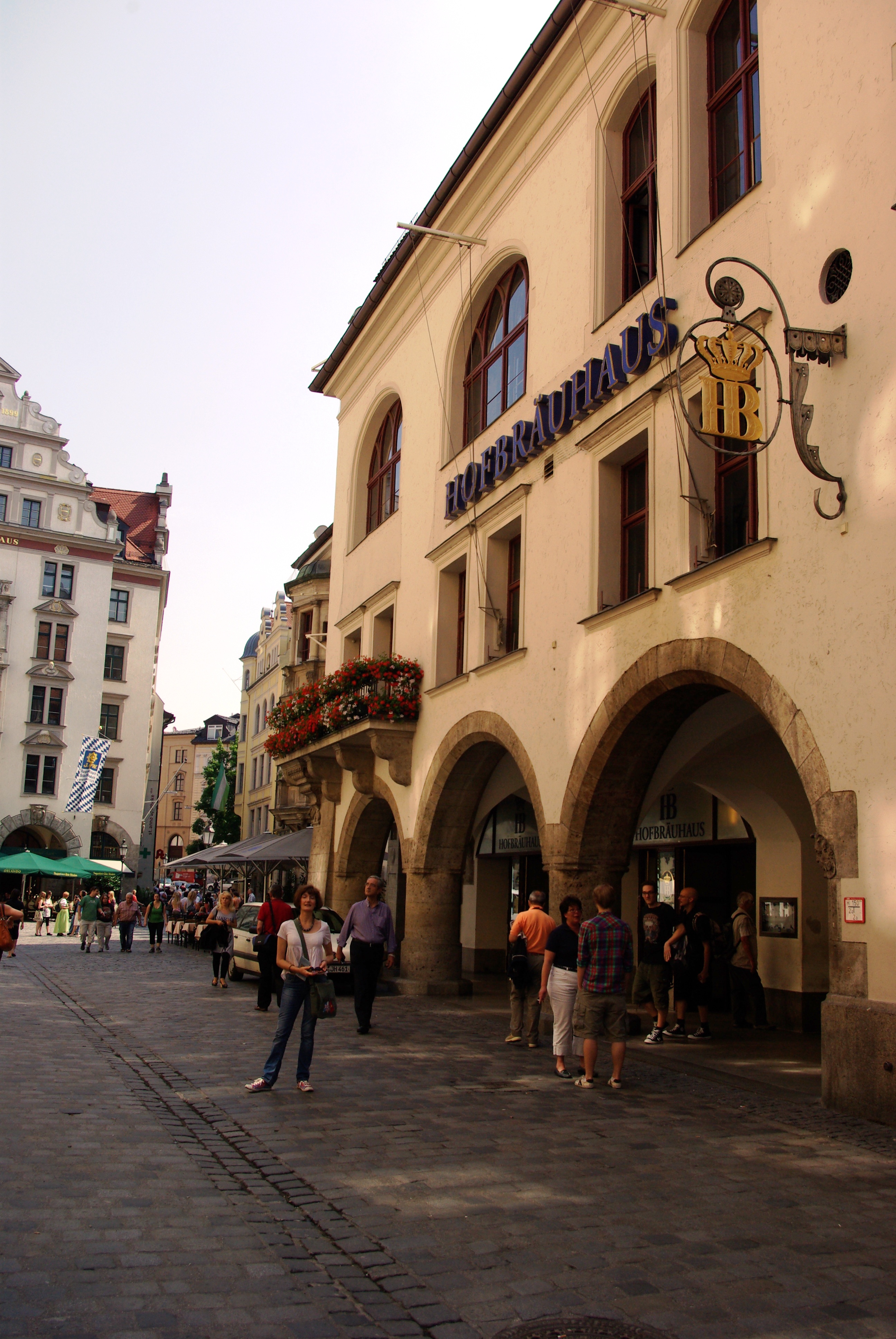
Hofbrauhaus exterior

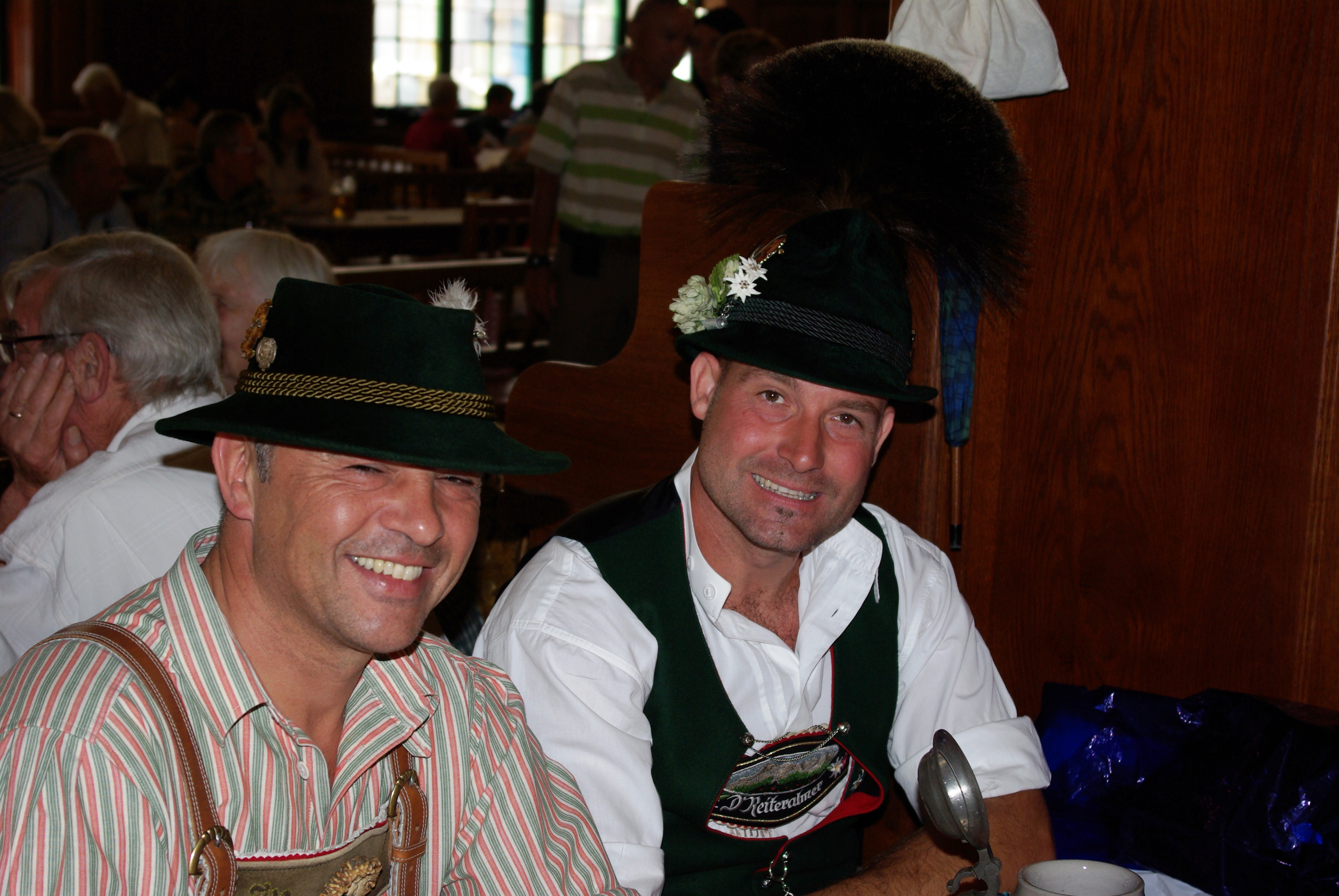
We walked in the sunshine past the old schloss and down a lane to the ‘slanting piazza’ but I do not recall the Virgin on a column presiding over all she surveyed. We followed a lederhosen clad gentleman wearing a traditional Bavarian felt hat which was adorned by the most amazing plume, reminding me of something that may have been worn by a Roman first spear centurion to enable his men to identify him in the midst of battle.

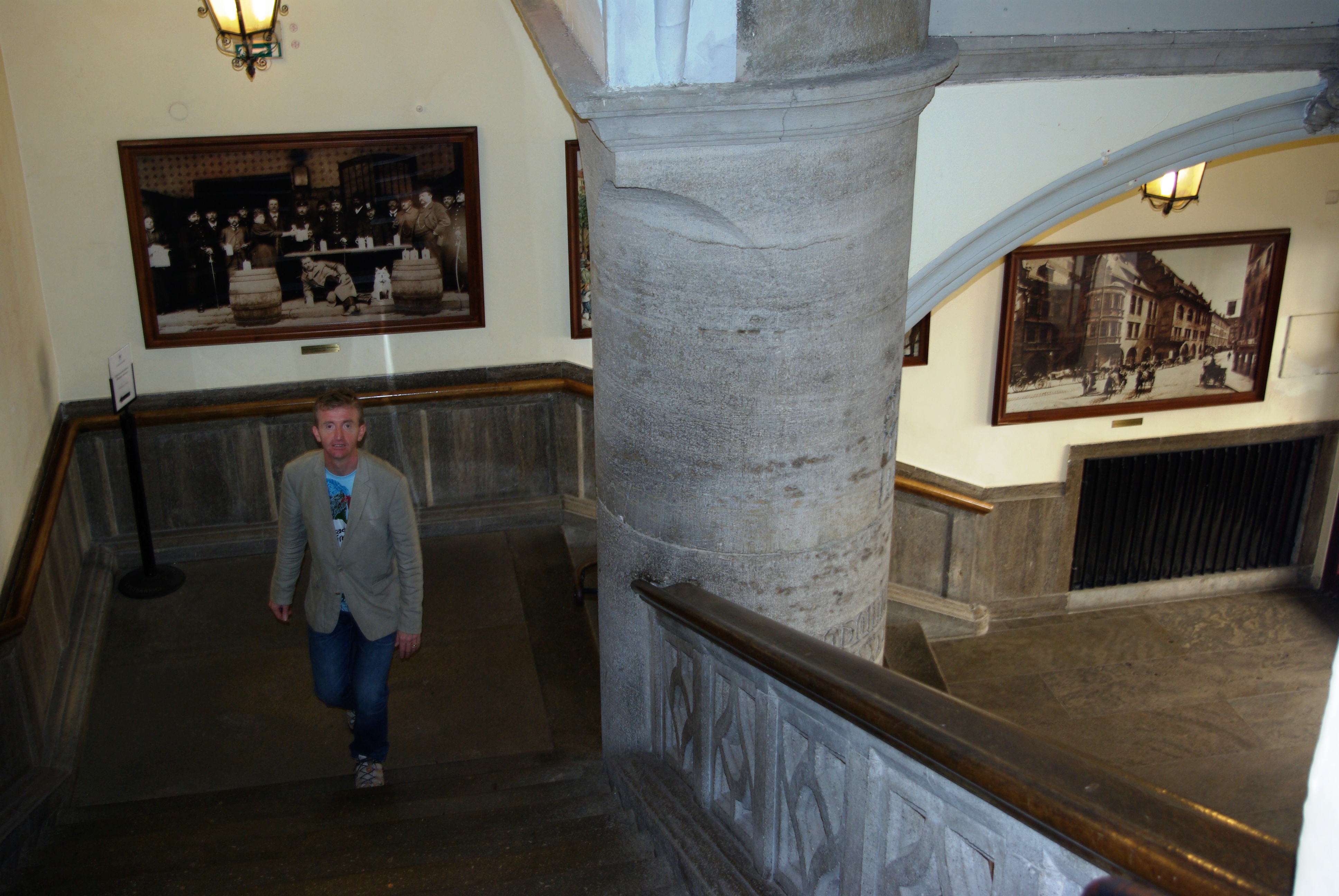
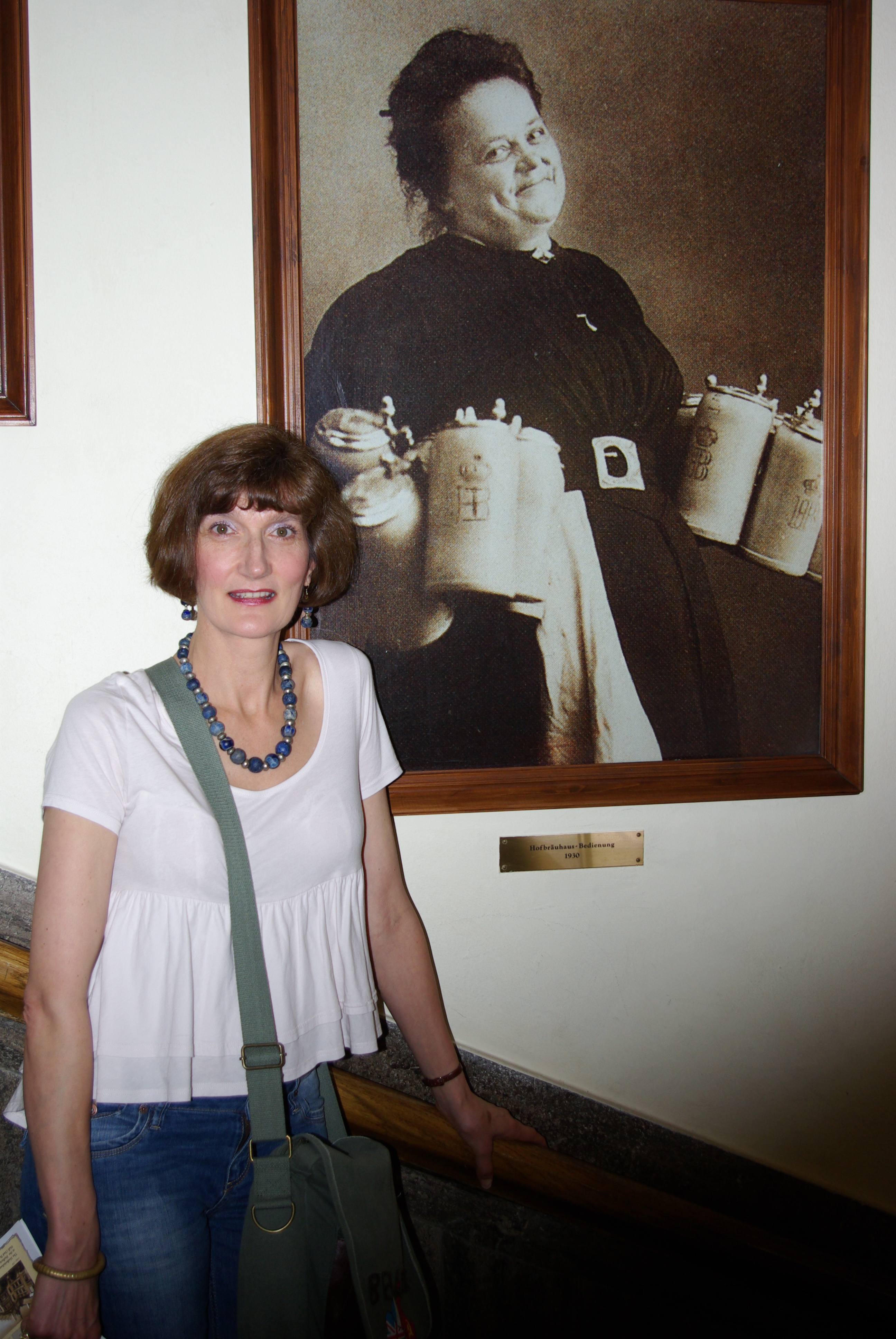
There before us was our goal. Gothic and grand just as Paddy described it, we entered through wide doors underneath Gothic arches and walked up those vaulted stairs which survived the damage of the war. It was here in January 1934 that Paddy encountered his Brownshirt. The steps are now lined with photographs, one of a maternal looking frau holding eight heavy steins full of the cool, golden Hofbräuhaus beer. Perhaps she had served Paddy on that famous, alcohol fuelled night?

Kim considers joining the waitressing team

The Hofbräuhaus has four floors devoted to the adoration of beer, sausage and pretzels. We visited each one. They were all decorated in a different style with a large communal drinking hall, and a number of smaller private function rooms (which are for hire). It is one of these higher floors that Paddy stumbled into when full of SS officers, Gruppen and Sturmbannfuhrers, black from their lightening-flash-collars to the forest of tall boots underneath the table.

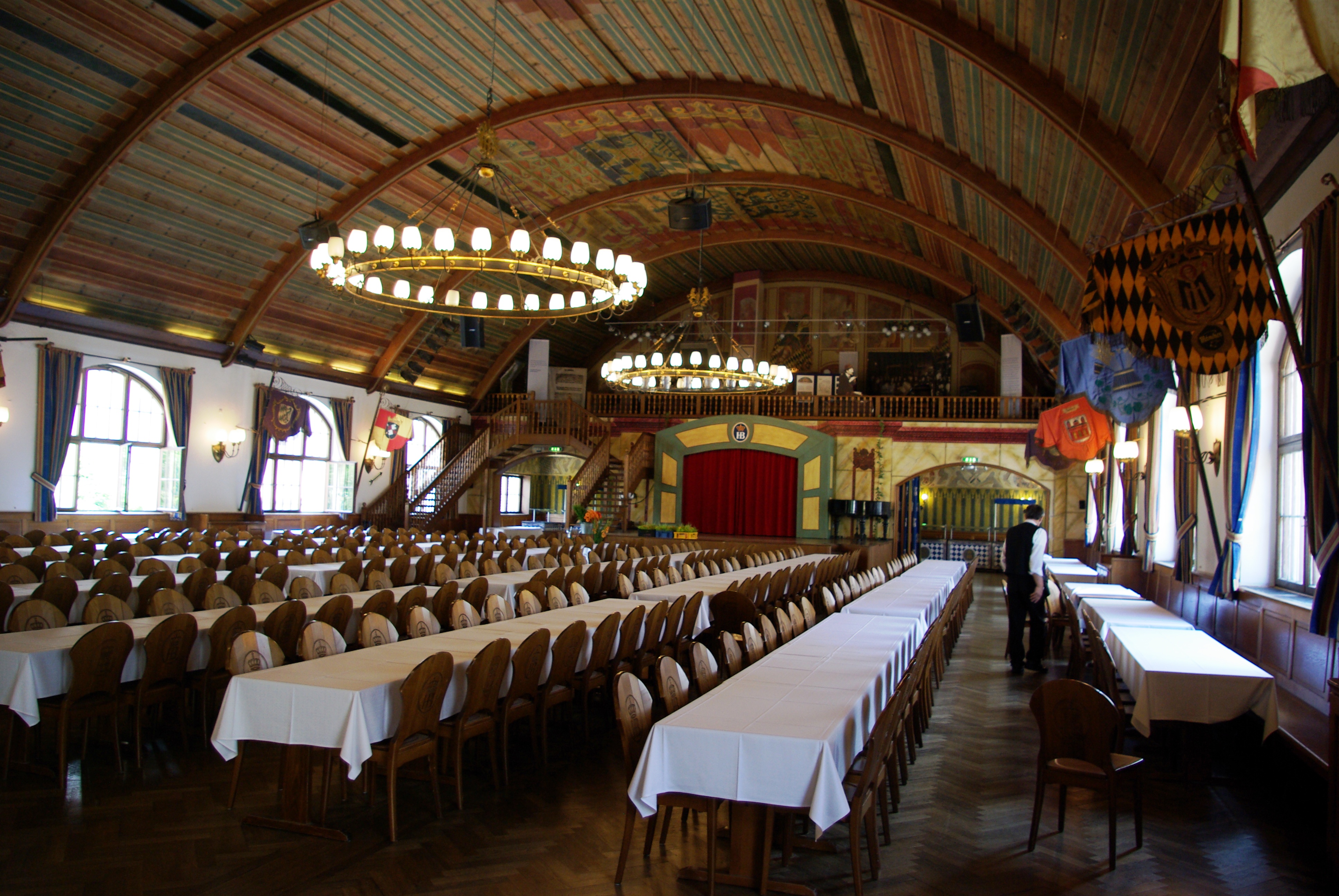
The highest floor is dominated by a large parquet floored room with a vaulted ceiling colourfully decorated with its predominantly pink and blue frescos of Bavarian coats of arms. The Festival Hall was built in 1589. It is light and airy with windows on each side, large chandeliers and dominated by a small stage with heavy, theatrically red velvet curtains. The Hall can seat over 900 on its long tables arrayed in neat rows before the stage, and gives the impression of being eternally ready for a party. Indeed on the occasion of our visit, it was being prepared for the post- Abitur celebration for a very lucky young girl. The mood darkens somewhat when you know that it was in this very room, standing on that very stage that the ambitious politician Adolf Hitler addressed his followers in the early days of the National Socialist Party in the late 1920’s and early 1930’s.

Hofbrauhaus Festival Hall

Given the passage of time this ceased to have any sinister effect, but it is a sobering thought and brought to life a period of history, and its aftermath, that has come to dominate my generation, and certainly those preceding us.

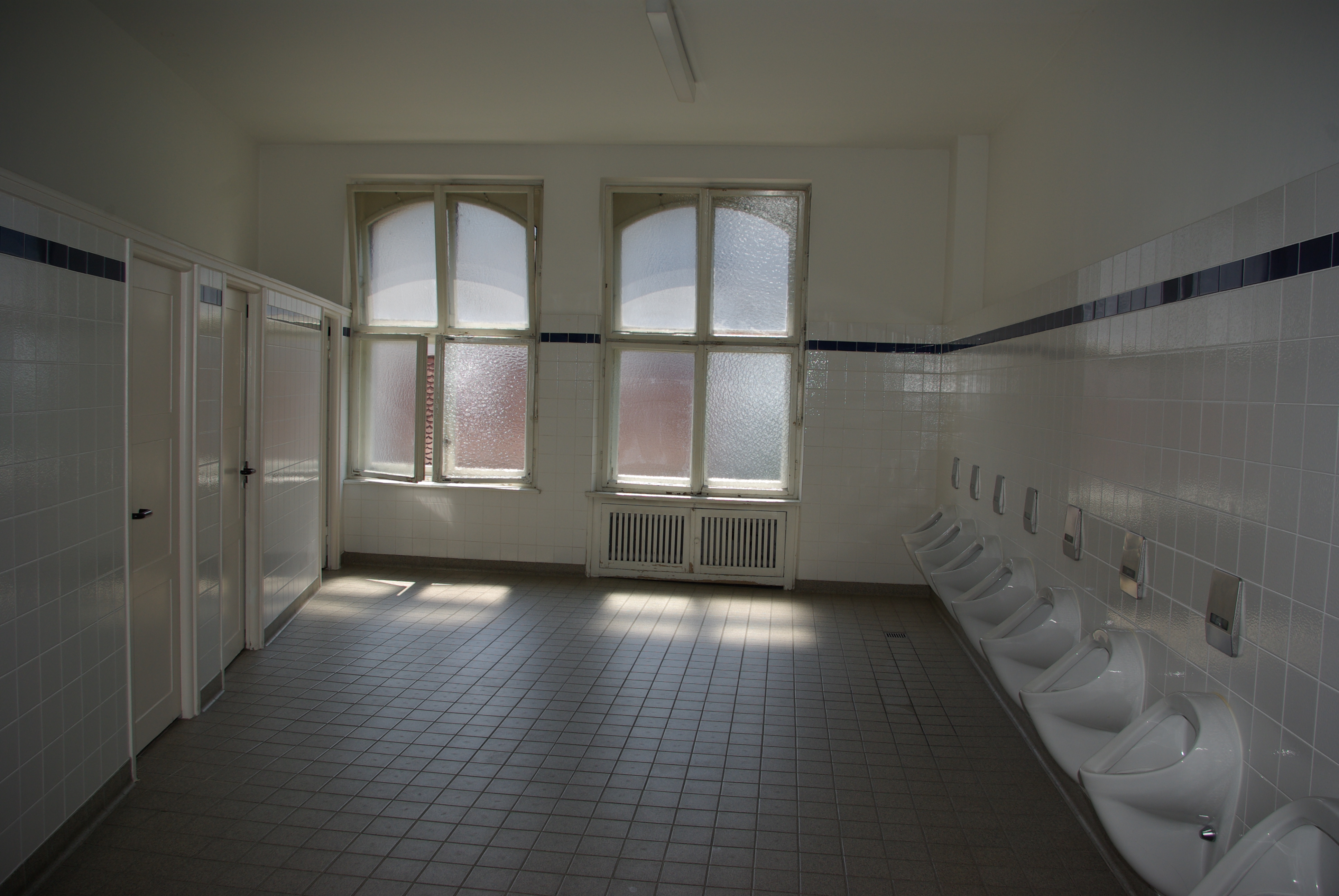
Did Adolf visit here?

It was about this time that I needed to answer the call of nature. Kim and I were virtually alone and I sought out a gentleman’s lavatory. Finding one at the end of a corridor leading from this function room, I hypothesised that perhaps Hitler had, on more than one occasion, made this same trip, perhaps accompanied by colleagues such as Herman Goering, and discussed the finer points of how to grab political power, and achieve revenge on all those who had sought to so humiliate Germany via the Treaty of Versailles.

Like Paddy we were now guided right down to the bottom of the stairs, out of the doors and back in another, larger door on the ground floor. After passing the obligatory ‘Hofbräuhaus shopping experience’ we entered a new hall where the vaults of the great chamber did not fade into infinity through blue strata of smoke as this was, unbelievably, 21st century smoke-free Germany.

Drinking cool beer in The Schwemme

It was here that Paddy found the part of the Bastille he was seeking. The Schwemme is a huge, richly frescoed hall that wound this way and that, past huge stone pillars, toward the altar of Hofbrau beer where an army of male and female waiters attend upon the fountain of beer pouring litre upon litre of the marvelous nectar. And it did not stop there. What Paddy would have missed on a dark, cold, snowy night in 1934 was the courtyard beer garden which by now was filling with locals and tourists all keen to bathe in the unique Hofbräuhaus atmosphere.

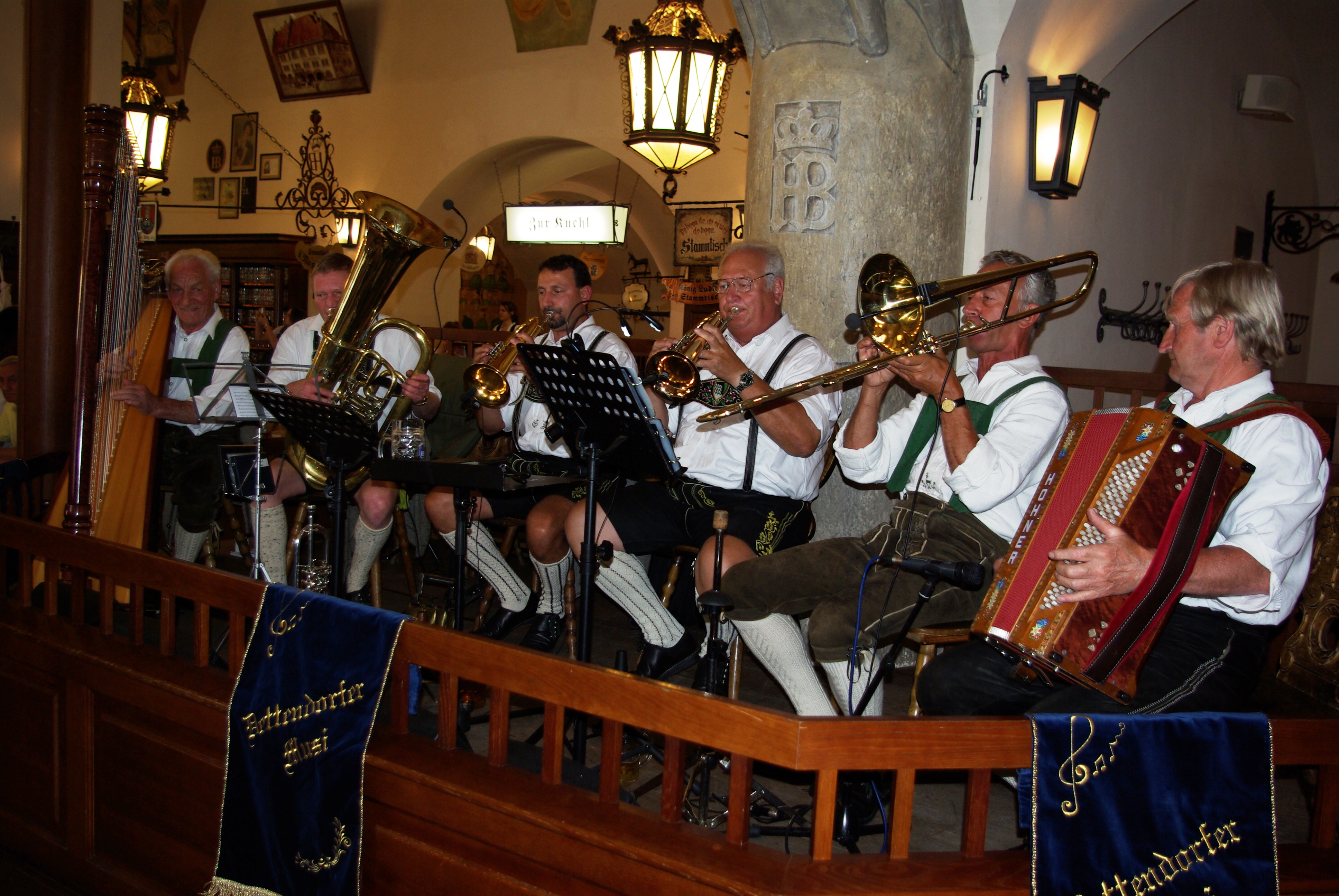
If you visit the website of the Hofbräuhaus you will see it includes a list of ‘regulars’; those who attend services on a regular basis, with the specific visit days recorded. They have reserved seats and for larger groups, or even families, whole tables are kept for them so that they can indulge and worship whilst listening to the suitably attired Bavarian band that have a dedicated stage in the centre of the hall.

Hofbrauhaus Regulars

The band plays on

We had arrived early, at around 11.00 am and had spent forty-five minutes or so making our tour of the building. It was quiet, with just a few other like minded souls and the staff getting ready for the rush ahead. By midday we had chosen a table and ordered our first refreshing beer, a Würstlplatte for me and Spanferkel for Kim (read the menu in English here). The Schwemme was now filling with crowds of locals and tourists alike and the band had struck up. If you want to visit the Hofbräuhaus to look around, as we did, I would recommend going early, and you also need to be there pretty early to find a table.

It was a wonderful visit, and one that was brought to life even more as we imagined that young man avoiding Brownshirts and knocking back beer with the farming folk he found in the Schwemme. One thing that has not changed is the hospitality and friendliness of the Bavarian people, and it was with some reluctance that we walked out of the Hofbräuhaus into bright sunshine to catch our train to Oberammergau.

Now, where did I leave my rucksack?

Philhellene’s progress: The writing of Patrick Leigh Fermor

As you know I trawl the net for Paddy related material to create the best online source of information about PLF and his friends and associates. Some of you may have come across this essay that attempts to analyse Paddy’s style and his literary achievement. In my view it is just one of many that emphasise how great the man is and how unequalled is his prose.

First published in New Criterion, Jan, 2001 by Ben Downing

I have carried the soldier’s musket, the traveler’s stick, the pilgrim’s staff. –Chateaubriand (what a great quote for Paddy!)

The captive must have been exhausted and afraid, but when, on the fourth day of his grueling forced march across Crete, he saw dawn break behind Mount Ida, the sight was so beautiful that it brought to his lips the opening of Horace’s Ode I.ix: “Vides ut alta stet nive candidum/ Soracte,”(1) he murmured. Then, just as he trailed off, one of his captors came in to take the poem over, reciting the rest of its six stanzas. At this, the captive’s startled eyes slanted down from the peak to meet those of his enemy, and, after a long thoughtful silence, he pronounced, “Ach so, Herr Major.” For the captive was a German soldier–the commander of the island’s garrison, no less. General Karl Kreipe (to give him his name) had been abducted on April 26, 1944 by a band of Greek guerrillas led by two English commandos. Over the next three weeks, the kidnappers picked their way across Crete, eluding the thousands of Nazi troops who hunted them, until eventually they were met by a British boat and whisked to Cairo, where Kreipe was handed over and the two commandos promptly awarded the D.S.O. One of these men was W. Stanley Moss, who in 1950 published a riveting account of the escapade, Ill-Met by Moonlight, later filmed by Michael Powell. The other was a certain Patrick Leigh Fermor. Disguised as a shepherd and (like Zeus in his Cretan boyhood) living largely in caves, he had spent much of the previous two years on the island organizing the resistance. Leigh Fermor it was who finished the quotation.

But where had he, who’d never completed high school, learned Horace so well? Had Kreipe asked him this, Leigh Fermor could have answered, savoring the irony, that he’d committed the odes to memory during his teenage Wanderjahr a decade earlier, when, just after Hitler’s rise to power, he’d walked clear across Germany (among other countries) with a volume of Horace for his vade mecum, often reciting the poems to himself as he tramped. About that experience he’d not yet written a public word, and would not do so for many more years. Similarly he held off recounting his aubade with Kreipe. At last, however, in the 1970s, he broached the subjects of his continental traverse and, in an aside to that account, of his fleeting bond with Kreipe. Some things are best waited for: the book in which Leigh Fermor set these matters down, A Time of Gifts (1977), along with its sequel, Between the Woods and the Water (1986), represent not only the capstone of his career but, in my opinion, the finest travel books in the language and a pinnacle of modern English prose, resplendent as Soracte or Ida in deep snow.

The deplorable fact that most Americans, even well-read ones, have never even heard, as I also had not until recently, of a figure who in Britain (to say nothing of Greece, where he lives to this day) is revered and beloved as war hero, author, and bon vivant; who is, in Jan Morris’s words, “beyond cavil the greatest of living travel writers”; and who, in those of the historian John Julius Norwich, “writes English as well as anyone alive”–all this spurs me to correct our oversight of the sublime, the peerless Patrick Leigh Fermor.

His turbulent early life is recounted in the introduction to A Time of Gifts. Shortly after his birth in 1915, his mother and sister went to join his father in India, while he was left behind “so that one of us might survive if the ship were sunk by a submarine.” For four years he was billeted with a Northamptonshire farming family, an experience that proved “the opposite of the ordeal Kipling describes in Baa Baa Black Sheep.” A halcyon period, this, but the taste for boisterous freedom he acquired in the fields made for trouble later on: “Those marvelously lawless years, it seems, had unfitted me for the faintest shadow of constraint.” Especially intolerable to him were academic strictures of any kind, and there ensued a long series of dust-ups and expulsions, hilariously related. At ten he was sent to “a school for difficult children,” among which misfits he lists

the millionaire’s nephew who chased motorcars along country lanes with a stick, the admiral’s pretty and slightly kleptomaniac daughter, the pursuivant’s son with nightmares and an infectious inherited passion for heraldry, the backward, the somnambulists … and, finally, the small bad hats like me who were merely very naughty. Continue reading