
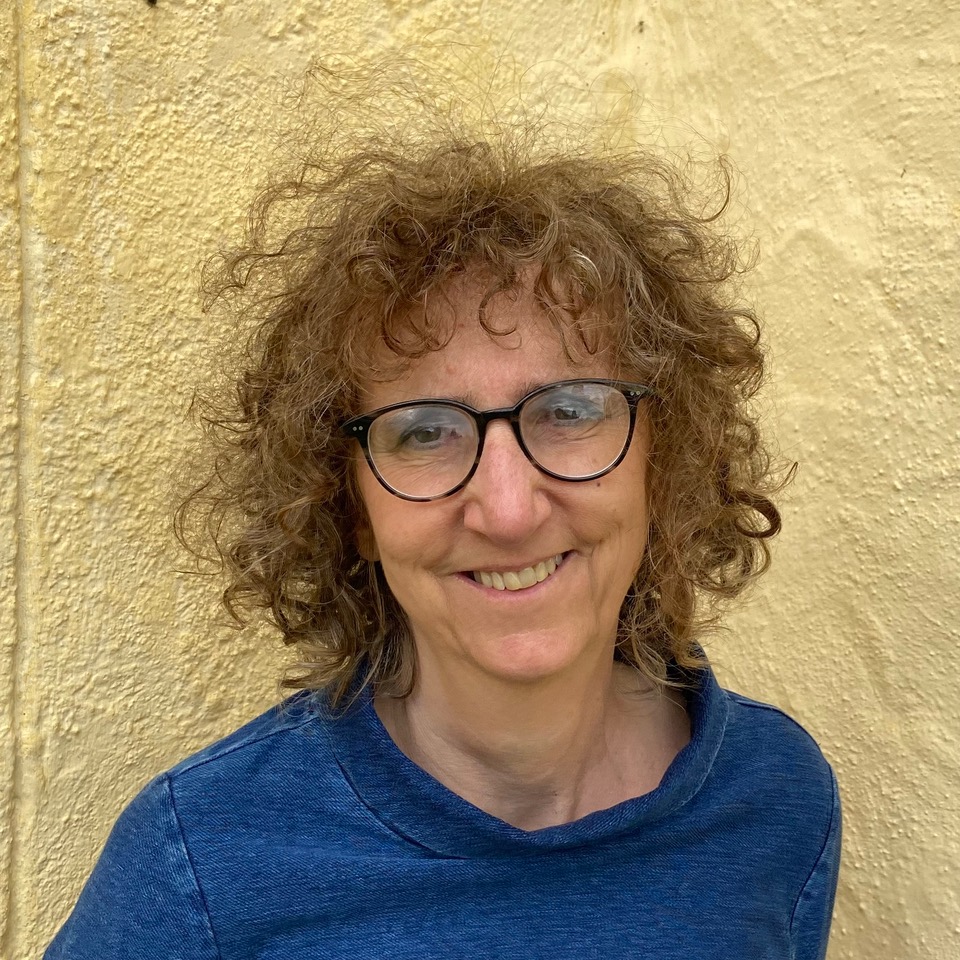
Marina Cantacuzino
I hope that you have enjoyed the series by Nicholas Mellor over the last few weeks. To end the series, Nicholas has invited Marina Cantacuzino (daughter of Sherban) to close with what he calls a “final coda to ‘A Time of Gifts”. Nicholas has presented this whole series to friends as “A Time of Gifts: A Song Cycle in Four Movements”; perhaps you might also see it in that way?
By Marina Cantacuzino
‘I never wore the beryl necklace. By the time I was old enough to understand what it represented, my grandmother had already offered it up to fund humanitarian aid for revolutionary Romania. Instead of resting on my shoulders or on my sister Ilinca’s, it had been transformed into medicine and morphine for a Bucharest hospital with empty shelves.
For years, I thought of Monique de la Bruchollerie as simply the courier – the exotic French pianist who carried the necklace from my grandfather to my grandmother, keeping it for eighteen years before it was finally retrieved. That is the story that has already been told in ‘A Time of Gifts: the Pianist’. But that was never the whole story.
When Trauma Crosses Generations
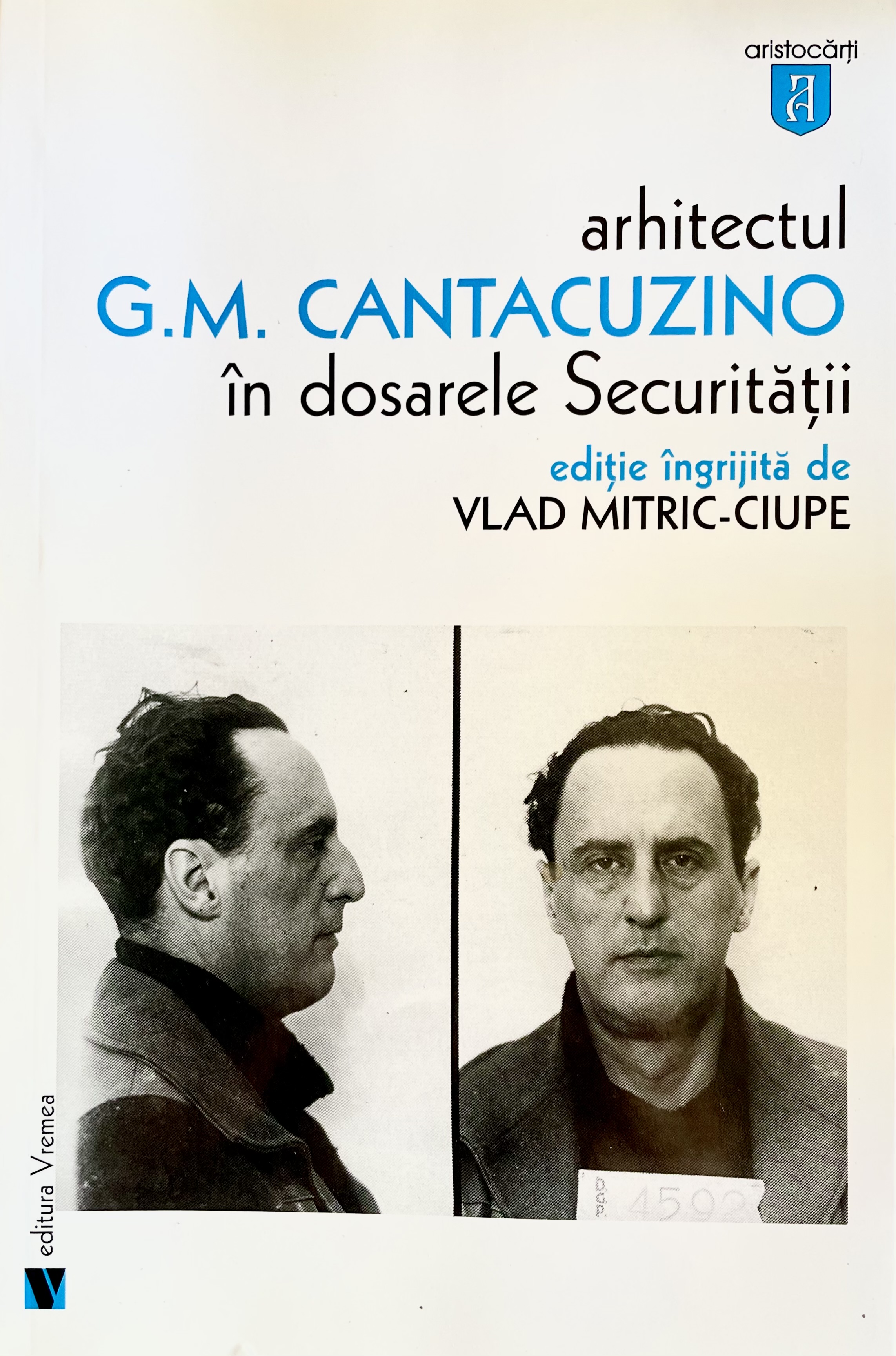
George Matei Cantacuzino Securitatae file
Over time, I’ve come to understand Monique and my recent ancestors as inseparable from my work with The Forgiveness Project, a charity committed to ending cycles of revenge and promoting restorative solutions in the aftermath of trauma. Monique’s trauma remained unresolved. My grandfather, George Matei Cantacuzino, classified by the Communists as a ‘person of unclean origin and refused permission to join his family in England, dealt with his trauma of captivity and separation through writing and painting. He died in 1960 aged 61. My grandmother who came to England with their two young children in 1939 never saw her husband again.
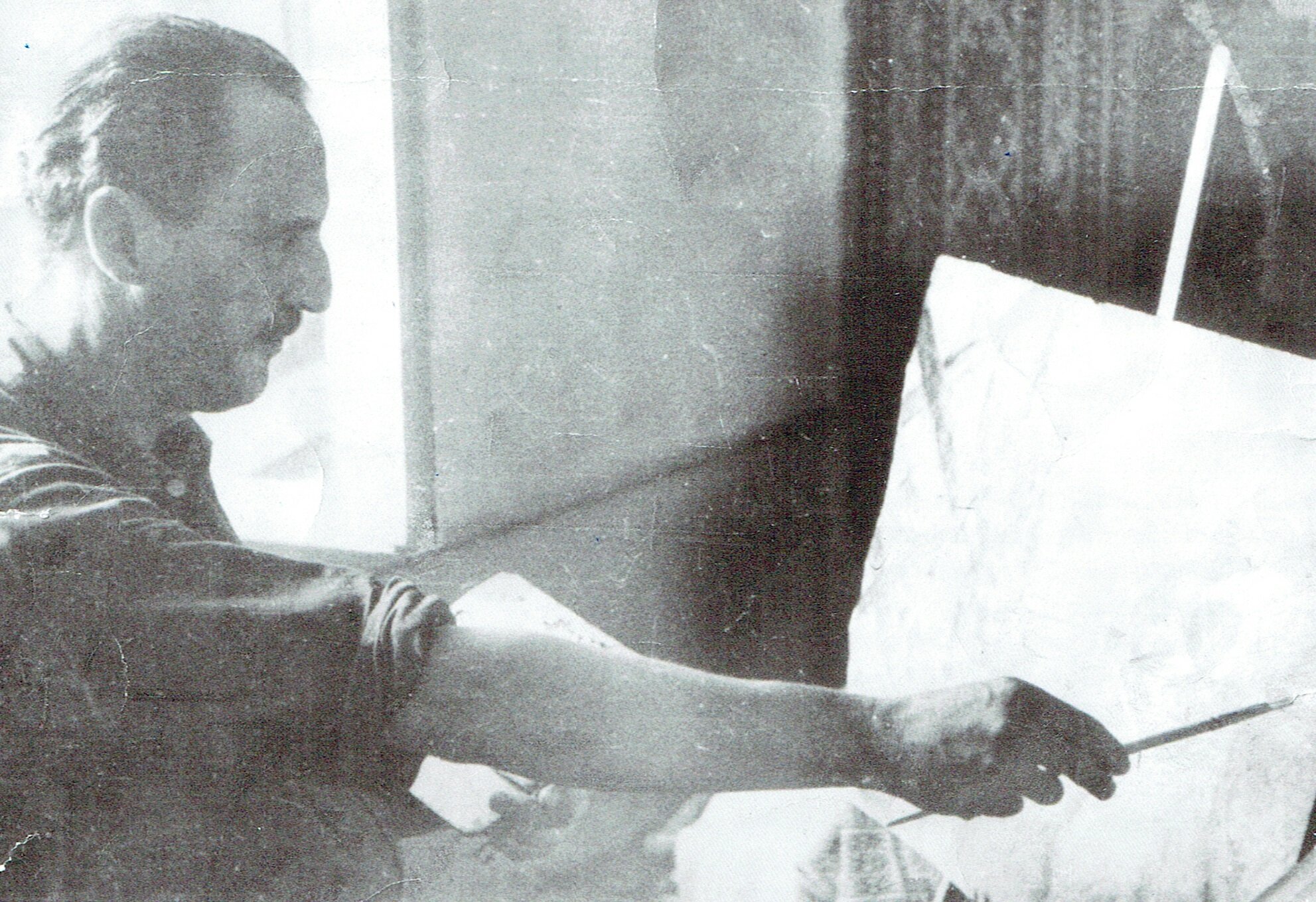
George Matei Cantacuzino in his studio
She kept his memory alive by telling her seven grandchildren stories about him, nurturing a connection so deep that a few days before he died, she dreamt she was making up a camp bed for her youngest grandchild, only for it to turn into a coffin. In the dream my grandfather then appears before her, calmly saying, ‘That bed is for me.’ As children, her telling of the dream both thrilled and appalled us. My grandmother’s life gave rise to a quiet stoicism; her sunken blue eyes couldn’t hide her sorrow even though she insisted she was happier as a chicken farmer in Kent than she’d ever been belonging to the aristocratic milieu of Bucharest that had welcomed the young Leigh Fermor into their midst.
For us, the grandfather we never knew became a myth, a legend, a person to be admired and memorialised as an architect, artist and writer. This can happen when trauma goes unresolved: it crosses from one generation to the next. Views become entrenched. Certain perspectives are lost. The virtuoso who helped my family becomes a footnote. Her gift of music and courage, her suffering erased by a government that wanted the story to disappear.
My father grew up in England, eventually becoming an architect and heritage conservationist. After 1989, he devoted himself to Romania – founding Pro Patrimonio, working to preserve the wooden churches and painted monasteries. Later I watched Brexit shatter him. He couldn’t understand how the country that had welcomed him in 1939 could turn its back on Europe. When he died in February 2018, I was convinced he was broken as much by Brexit as by leukaemia.
What did I inherit from all this? Not a necklace. Not property or title. I inherited stories about separation and loss, about how political decisions shatter families, about the weight carried by those who flee. I inherited my father’s conviction that the past shapes who we become.
And I inherited a question: what do we do with suffering?
Forgiveness as Gift
In 2004, I founded The Forgiveness Project. It was a political act – a response to the language of division and reprisal surrounding the invasion of Iraq. But unconsciously, it was also part of my attempt to understand what I had inherited from my Romanian roots: unresolved trauma, and the ways people survive what has been done to them without allowing it to poison everything that follows.
The project collects and shares stories of people who have experienced terrible harm – violence, murder, terrorism, genocide – and found ways to move beyond vengeance.
This isn’t about forgetting or excusing. It’s about what becomes possible when people refuse to let perpetrators define their future, when they choose understanding over bitterness, when they interrupt cycles of retaliation. The Forgiveness Project doesn’t demand that people forgive. Some find it impossible. Others discover it gradually. What the project does is create space for people to explore the possibility, to hear from others who’ve walked that path, to make their own choices about how to carry their pain forward. Pain I’ve discovered is the greatest motivator to forgive.
I’ve spent twenty years now listening to stories. A mother who lost her son to violence chooses to work with young people at risk. A man wrongly imprisoned for decades refuses to spend his freedom consumed by rage. A survivor of the Rwandan genocide reconciles with her neighbour who participated in the killing. These aren’t abstract achievements. They’re concrete demonstrations that human beings possess a remarkable capacity for transformation.
I won’t claim forgiveness is the ultimate gift – that sounds too grand. But it might be one of the most difficult ones. It requires acknowledging harm without being consumed by it. It means recognising that perpetrators are human without excusing what they did. It demands that we interrupt cycles of vengeance even when those cycles feel justified, even when the authorities who caused harm never admit it, even when – as with Monique – there’s no compensation, no acknowledgement, no justice.
The Thread
Nearly ninety years ago, Patrick Leigh Fermor walked into Romania and was welcomed by my family. They offered hospitality to a penniless wanderer. His writings became a kind of preservation – capturing a vanished world before the wars tore it apart.
1947, my grandfather entrusted jewellery to the French pianist. Monique carried it across borders, performed in Romania despite the risks, paid for her generosity with her career and health. Her trauma remained unresolved, her story buried in official silence.
To make peace with the trauma of the past requires making amends or finding meaning. Each generation has tried to respond to harm in ways that didn’t simply perpetuate it. My grandfather endured prison rather than betray his principles. My grandmother offered up the necklace rather than keep it as a reminder of her lost husband. My father rebuilt Romania’s heritage. My aunt tirelessly translated her father’s writing which had been banned by the Communist government. Monique played three concerts in one day and lost everything. Each tried to respond to harm in ways that didn’t simply perpetuate it.
My sister, Ilinca Cantacuzino, also inherited our father’s conviction that heritage matters. Her artistic journey shares a similar interest to mine in the intergenerational consequences of unresolved trauma. Threading our grandfather’s life into her own, her art has become a form of visual storytelling that shows how destructive legacies can be transformed into something of beauty and meaning.
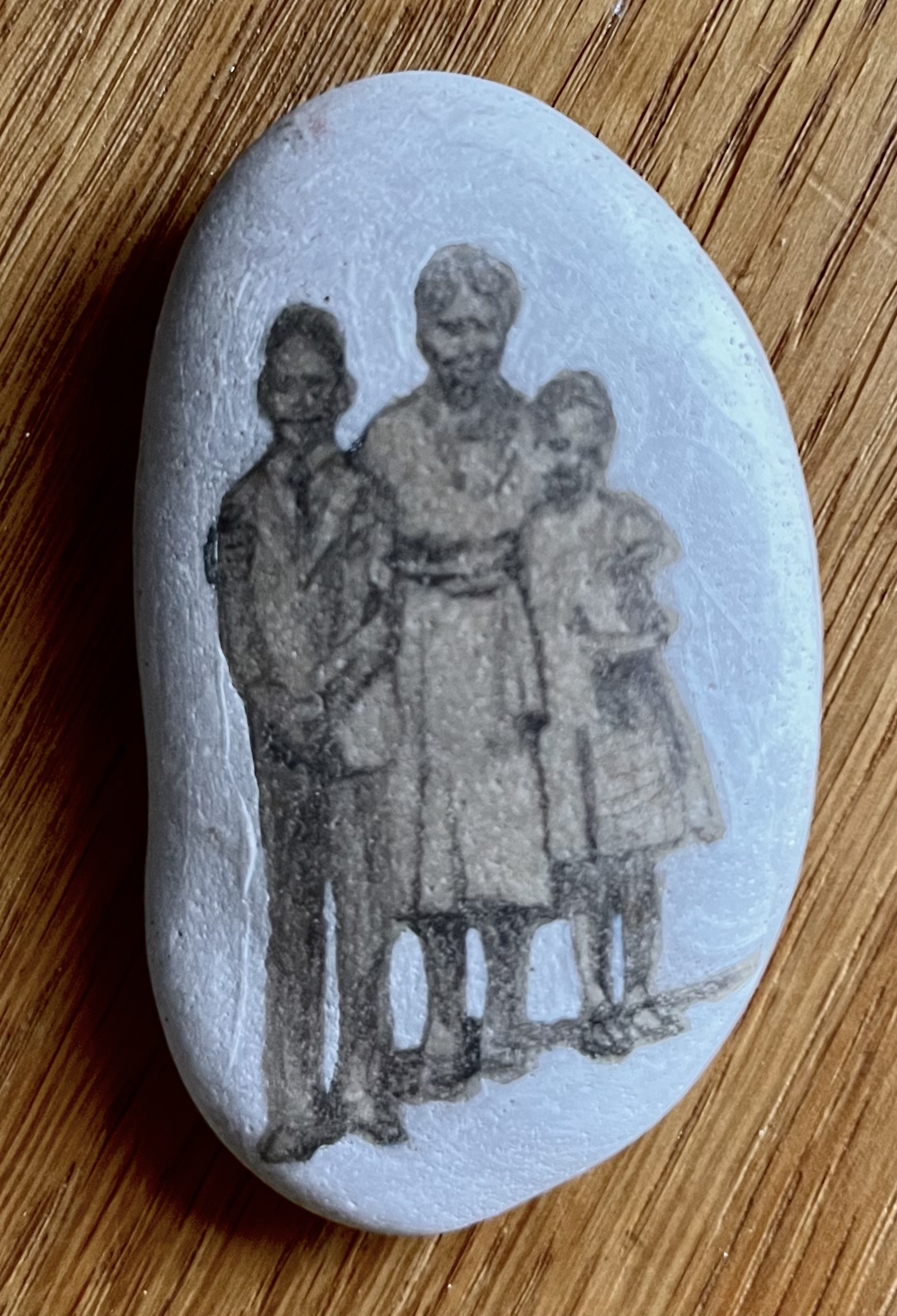
The Trio by Ilinca Cantacuzino
When Romania joined the EU in 2007, a cultural transformation began with literary and visual creators bringing their skills and knowledge to breathe new life into the country which they or their parents and grandparents had left. Ilinca took advantage of this revival, creating a show in the modernised vaults of Bucharest’s iconic bookstore, Liberia Carturesti. Legături de sânge (“In the Blood”) was an exhibition combining her work with that of our grandfather, drawing on kinship, blood ties and invisible inheritance.
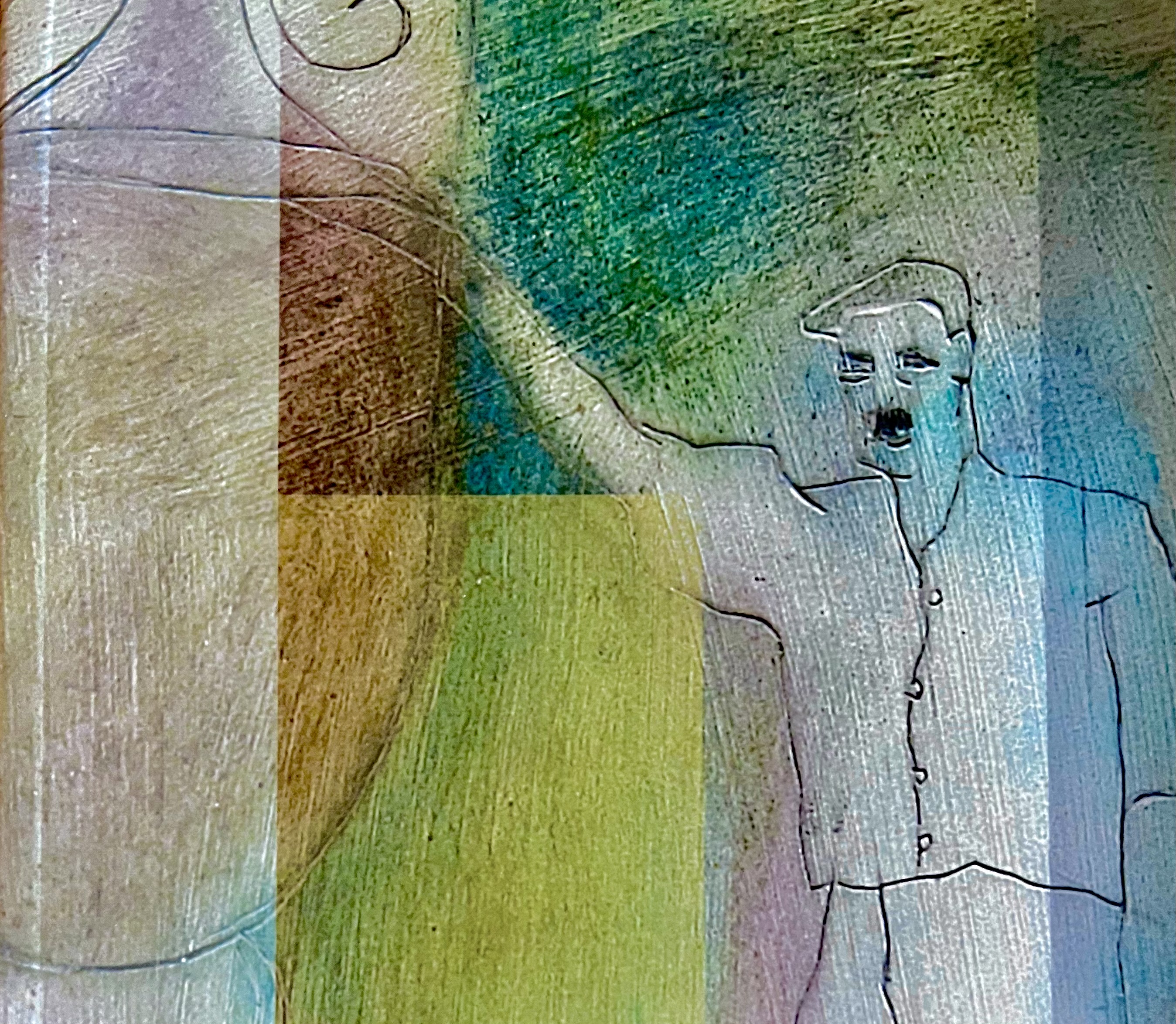
GMC ‘muncitor’ by Ilinca Cantacuzino
In making works which speak to our grandfather’s deep love of his country, her art pays homage both to her personal and national heritage. Her paintings are in dialogue with our grandfather’s oils, watercolours, and architectural drawings. Though Ilinca, like me, never knew our grandfather, the connection between their work is clear – not just in the use of colour, but in the way emotions seem to pass across the generations.
Smoke and burning are recurring symbols of memory, time and destruction. Ghost, a portrait of our grandfather, is a multimedia piece using ink and smoke. Piatra Statica I and Piatra Statica II (Stone Still 1 and II) are drawings on pebbles of our grandfather and grandmother with one pebble originating from a river in Romania and the other from a beach in Kent. These ‘found objects’ give an iconic sense of place as well as referring to the arbitrary and impermanent nature of lives torn apart.
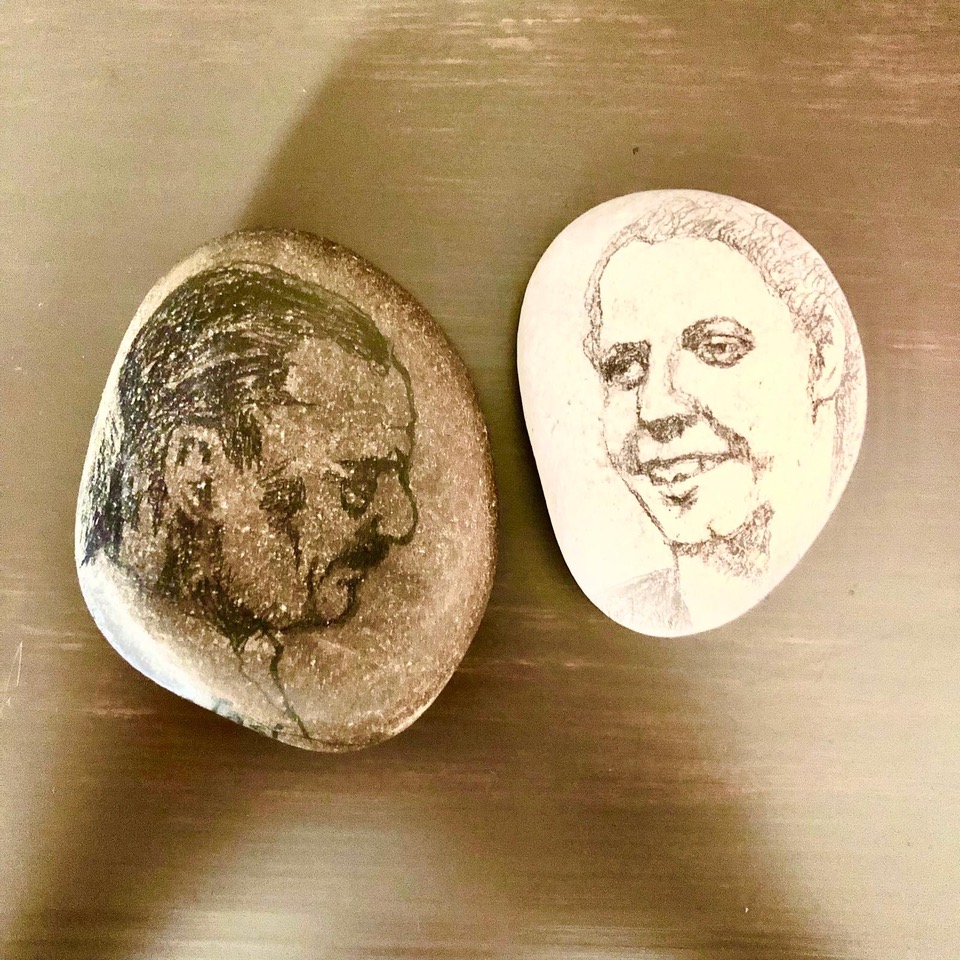
Piatra Statica I and Piatra Statica II (Stone Still 1 and II) by Ilinca Cantacuzino
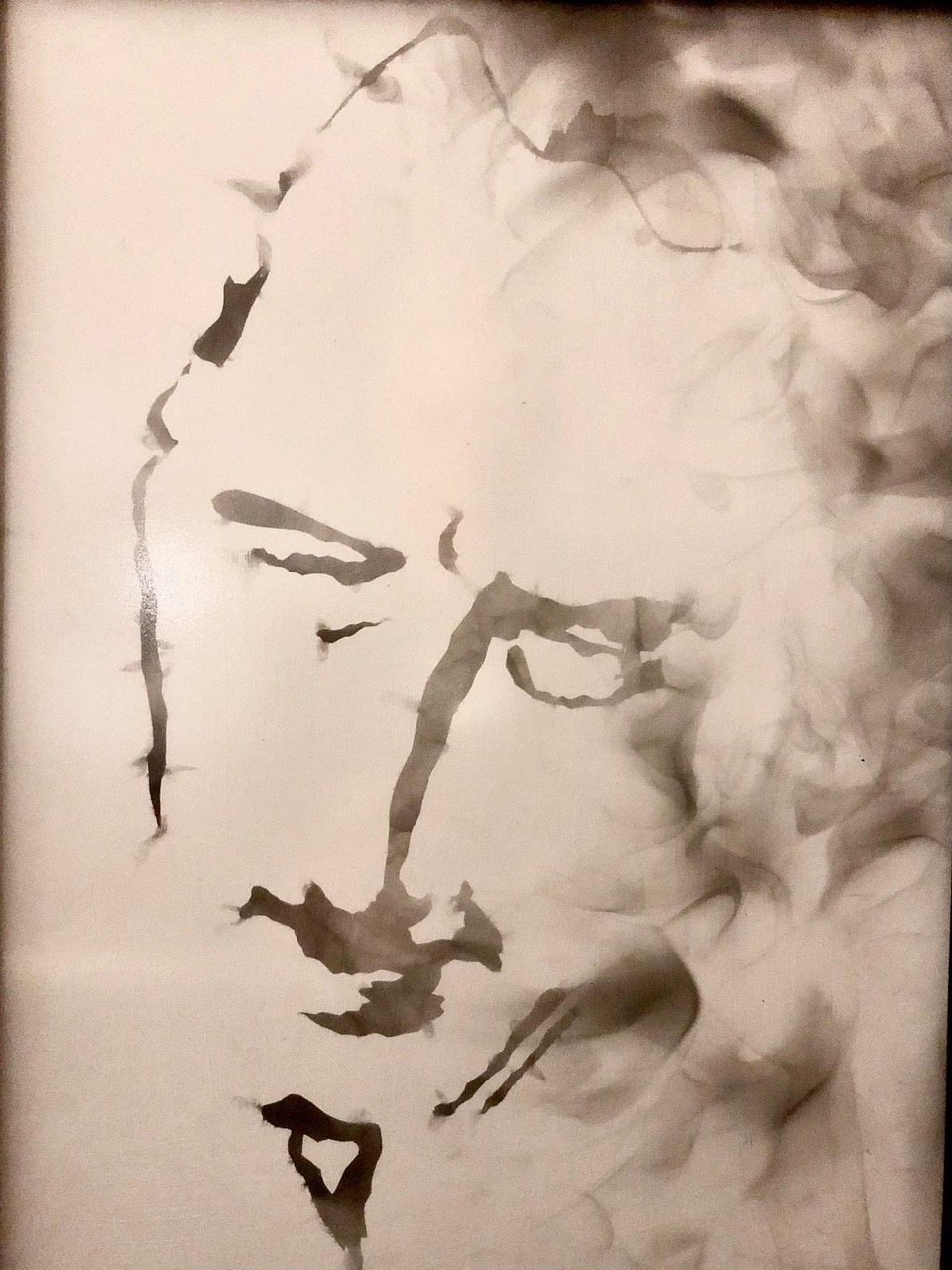
Ghost by Ilinca Cantcuzino
One of her works Unfold is an installation, a series of notebooks in which Ilinca kept a visual record of her interior conversations signifying how intergenerational relationships connect threads between past and present. She once said that not knowing our grandfather was the bond, “In a way this enabled him to become my muse. . . His influence on my spiritual and artistic life has remained undiluted. I grew up knowing him only through his paintings and my grandmother’s memories.’
In the years to come, Ilinca exhibited more of her work in Romania alongside that of our grandfather, gradually reintroducing a man whose reputation had been deliberately suppressed through censorship. In the post-communist 21st century, a growing appetite was emerging among Romanians to rediscover and engage with their own heritage.
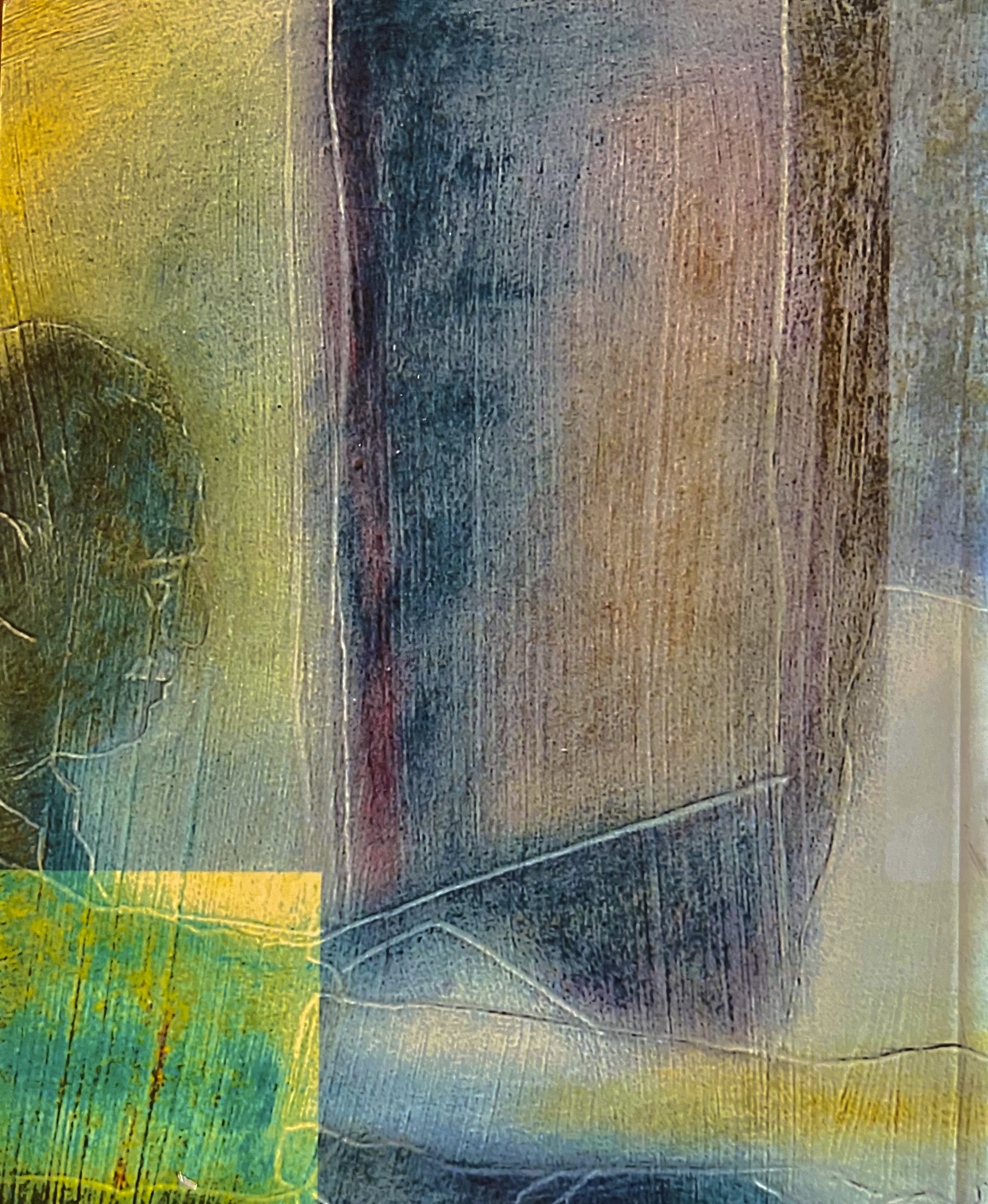
GMC – ‘pictor’ by Ilinca Cantacuzino
Finding Meaning
The essence at the heart of my work could be summed up in the words of the great Russian writer and dissident Aleksandr Solzhenitsyn in The Gulag Archipelago:
If only there were evil people somewhere insidiously committing evil deeds, and it were necessary only to separate them from the rest of us and destroy them. But the line dividing good and evil cuts through the heart of every human being. And who is willing to destroy a piece of his own heart?
When I came across this passage – a little while after founding The Forgiveness Project – it struck me how perfectly it articulated the ethos of the charity.
At the same time, my aunt was translating her father’s letters, opening up a whole new understanding of his life for us. In his final years our grandfather had taken refuge in letter-writing – letters contemplating love, nature, memory and the proximity of good and evil. Many of these letters were written to his English friend, Simon Bayer, whom he had met whilst fighting in the First World War. One letter in particular, written in 1955, caught my attention. In it my grandfather ponders the effect of his five years as a political prisoner, addressing his correspondent’s presumption that his past ordeals must surely mean he is filled with bitterness. He replies: ‘I think of evil as inherent in human nature, as the natural shadow cast by good. I do not have any feelings of resentment. Because I do not stand in judgement on the actions of others, I have nothing to forgive.’
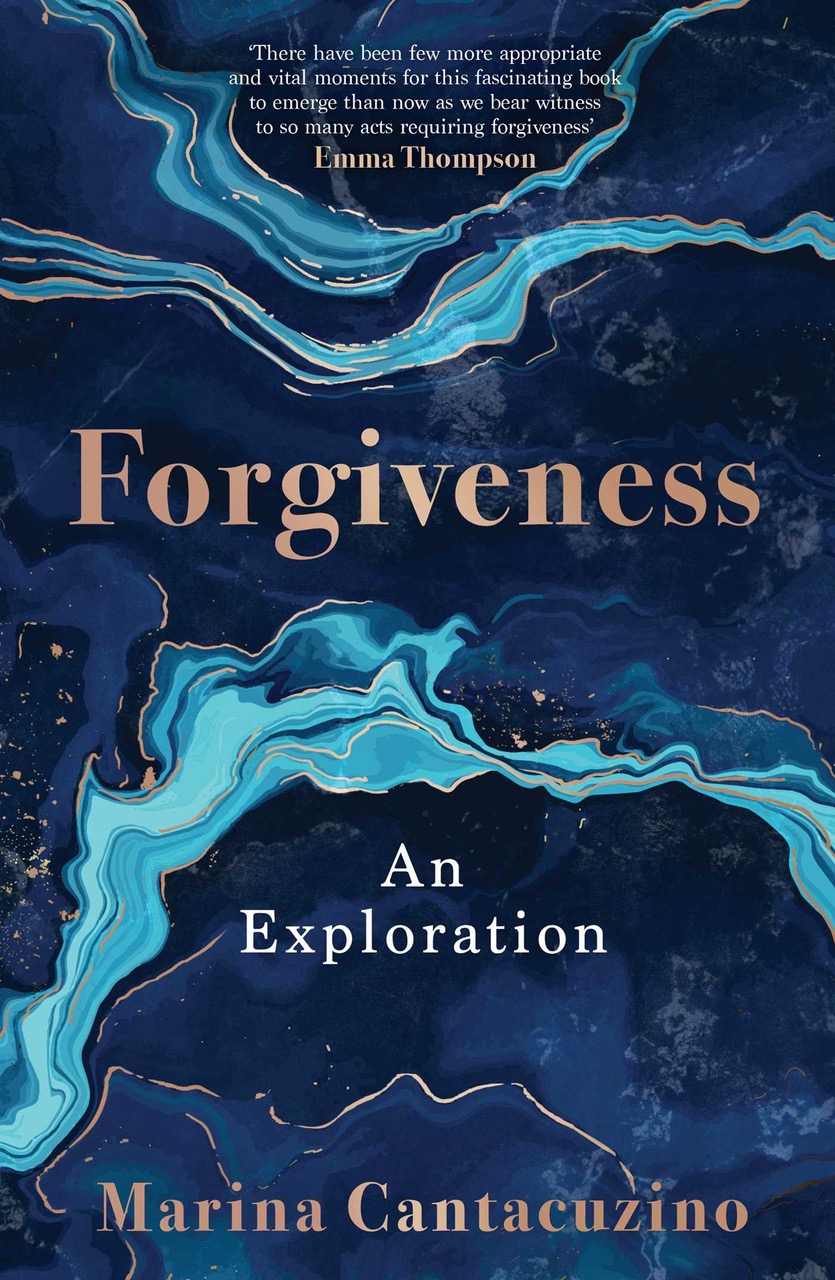
Forgiveness: An Exploration by Marina Cantacuzino
It is a remarkably openhearted statement coming from a man who under the Communist regime was tortured and vilified, and lost almost everything.
The beryl necklace is gone, sold nearly thirty-five years ago. But it represented to me that some things matter more than possession, that generosity can transform objects into meaning, that how we respond to suffering shapes not just ourselves but generations to come. Not as certainty but as question. Not as answer but as practice. One story at a time, one choice at a time, one moment at a time when someone decides that the harm done to them won’t define what they do next.
I am also reminded of the prescient words of psychoanalyst, Roger Woolger, known best for his ancestor work, who once stated that: ‘It is the responsibility of the living to heal the dead. Otherwise their unfinished business will continue to play out in our fears and phobias.’
Marina Cantacuzino is a writer, campaigner and the founder of The Forgiveness Project
Sources and References
Ilinca’s exhibition: descriptions of the art from this https://londongrip.co.uk/2011/08/art-the-arts-in-romania-by-teresa-howard/
Family History:
- Cantacuzino family archives and personal correspondence
- Marina Cantacuzino, ‘My Romanian father was broken as much by Brexit as by leukaemia’, The Independent, 2018
- Princess Sanda Cantacuzino (1899-1992): refugee to England 1939, lived in Kent
- George Matei Cantacuzino (1899-1960): architect, essayist, imprisoned 1948-1953 at Aiud Prison Camp
- Șerban Cantacuzino CBE (1928-2018): architect, heritage conservationist, founded Pro Patrimonio 2000
Monique de la Bruchollerie:
- See ‘The Pianist and the Necklace’ for detailed references
- Winner, IV International Chopin Piano Competition, Warsaw, 1937
- Three concerts, Cluj, 18th December 1966
- Car accident, 18th December 1966, Carpathian mountains
- Death: 15th December 1972, Paris, aged fifty-seven
The Forgiveness Project:
- Founded by Marina Cantacuzino, 2003
- Charity collecting and sharing stories of forgiveness and reconciliation
- Works with victims and perpetrators of crime and conflict
- Website: http://www.theforgivenessproject.com
- Marina Cantacuzino, The Forgiveness Project: Stories for a Vengeful Age (Jessica Kingsley Publishers, 2015)
Brexit and Șerban Cantacuzino:
- EU Referendum, 23rd June 2016
- Keith Lowe, Savage Continent: Europe in the Aftermath of World War II (Viking, 2012)
- Șerban Cantacuzino’s work on European heritage and cross-border cooperation documented in Pro Patrimonio archives
Pro Patrimonio:
- Founded 2000 by Șerban Cantacuzino as Romania’s National Trust equivalent
- Works to preserve Romanian architectural heritage, particularly wooden churches and painted monasteries
- Eight vernacular wooden churches in Maramureș designated UNESCO World Heritage sites (with Sherban as rapporteur general)
Historical Context:
- Patrick Leigh Fermor, A Time of Gifts (1977) and Between the Woods and the Water (1986)
- Patrick Leigh Fermor’s relationship with Princess Bălașa Cantacuzino, 1934-1939
- The beryl necklace: given to Monique de la Bruchollerie 1947, recovered 1964, sold 1989
- Romanian Revolution, December 1989: execution of Nicolae and Elena Ceaușescu, 25th December 1989
- Humanitarian mission to Bucharest, December 1989-January 1990 (funded by sale of beryl necklace)
The Securitate:
- Romanian secret police, 1948-1989
- Estimated one informer for every forty-three Romanians by 1980s
- Files on approximately 700,000 Romanian citizens
- Post-1989: files opened to those who were surveilled; many chose not to know who informed on them
Themes and Influences:
- Intergenerational trauma and its transmission
- Unresolved trauma and institutional denial
- Forgiveness as interruption of cycles of vengeance
- The role of diaspora communities in post-conflict reconstruction
- Heritage preservation as peace-building
Note: This essay draws on family archives, personal experience, and the documented history of the Cantacuzino family’s experience of exile, imprisonment, and post-communist reconstruction. The Forgiveness Project’s work is documented through published stories and research available at www.theforgivenessproject.com.
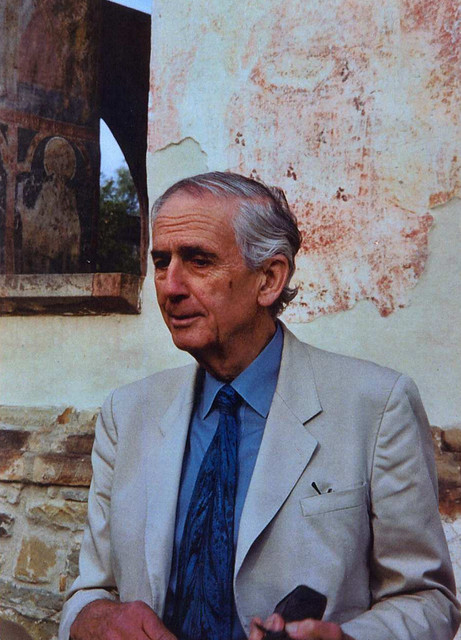
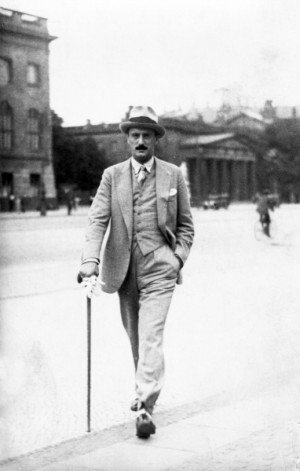
 Patrick Leigh Fermor